
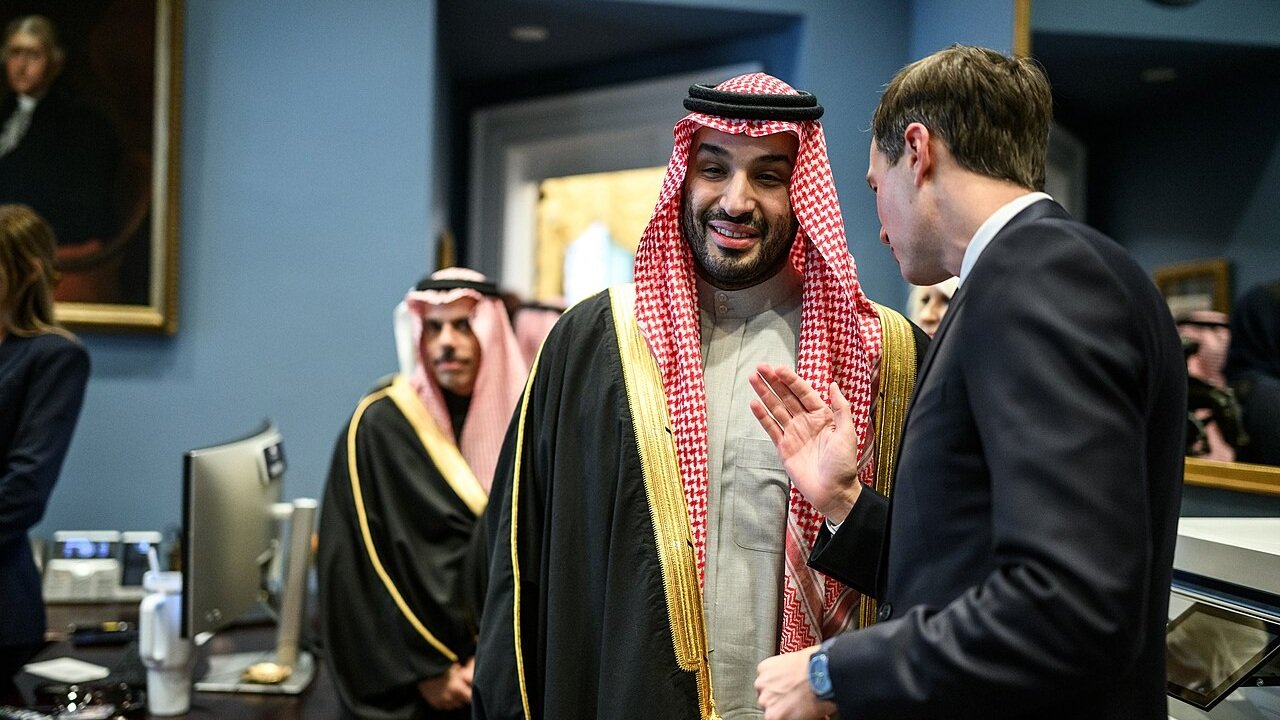
A profound strategic analysis of the structural shifts facing the Arabian Peninsula amid active regional conflict, arguing for institutional defense integration, localized drone air defense architecture, and verified operational autonomy over Western dependency.
The eruption of regional conflict has shattered the illusion of insulated neutrality, forcing a definitive structural shift across the Arabian Peninsula. Achieving true Gulf States autonomy requires moving past the historical dependence on fluctuating Western security guarantees and embracing deep institutional integration.
This structural evolution demands that regional powers codify operational partnerships and address critical defense vulnerabilities before the geopolitical window closes, ensuring the Gulf States negotiate future security frameworks from a position of verified, self-sustained strength.
Gulf States Facing Regional Escalation
When the Iran War commenced in late February, one of the key questions for the Gulf states was whether they could stay out of a regional war. Time and 40 days of airstrikes across six countries have demonstrated that they could not. Saudi Arabia and the UAE launched their own offensive operations against Iranian positions and allied militias. Neither government had done that in decades.
That step has permanently changed the terms on which either can claim neutrality going forward. What remains contested is what comes after: not whether the Gulf states should control their own security, but how, and whether the proposals now circulating in Western capitals would improve their position or describe a different form of the same problem.
One argument holds that Persian Gulf states should use the prospect of US military withdrawal to extract a deal from Iran—a phased departure from Al Udeid, the Fifth Fleet headquarters, and Al Dhafra in exchange for nuclear constraints, curbs on missiles and proxies, and a non-belligerence treaty. American forces have become as much a target as a deterrent, and the Gulf states have been shunned from the negotiations that will determine their security. If both points are true, the argument built on them is much less so.
Outside powers have always served their own interests in the Gulf. Britain ceded Kuwaiti territory in 1922 to the Saudis and withdrew from Yemen in 1967. Later, it stood aside as Iran seized three Emirati islands in 1971.
Washington did not act to arrest the Iranian Revolution in 1979, did not respond to the Iranian attack on Saudi Arabia’s Abqaiq oil facilities in 2019, and in 2025 left Qatar exposed to Israeli strikes, despite the US military presence in the country. External guarantors have often failed to provide the Gulf states with durable security. Nonetheless, they are also the best available option. Giving up the one external commitment that still functions—however imperfectly—would leave the Gulf region more exposed, not less.
One of the proposals recently advanced in Foreign Affairs assumes that the US military presence encourages Iranian expansionism and that removing it could produce lasting restraint. The JCPOA years are the relevant test case. Following the easing of sanctions after 2015 and the move toward normalization, Iran expanded its influence in Syria, ramped up Houthi activities in Yemen, and strengthened its political ties in Iraq. The pace of its expansion grew as external pressure decreased—not after it was fully lifted, but during the process.
The usual objection was that the JCPOA was incomplete and Iran’s conventional and proxy threats were never fully removed. However, this implies a demand for a complete, ongoing American withdrawal with no chance of return until Iran’s behavior is demonstrably different. Even if Persian Gulf nations agreed to this, there would be no incentive for Tehran to comply once its leverage was gone. Iran’s history of restraint without military pressure does not serve as a basis for a security doctrine.
The harder problem is timing. The withdrawal argument holds that Gulf states will build significant military capacity after the Americans leave and that the pressure of having to manage on their own will produce what years without that pressure did not. That logic has worked elsewhere, but it has not been proven here.
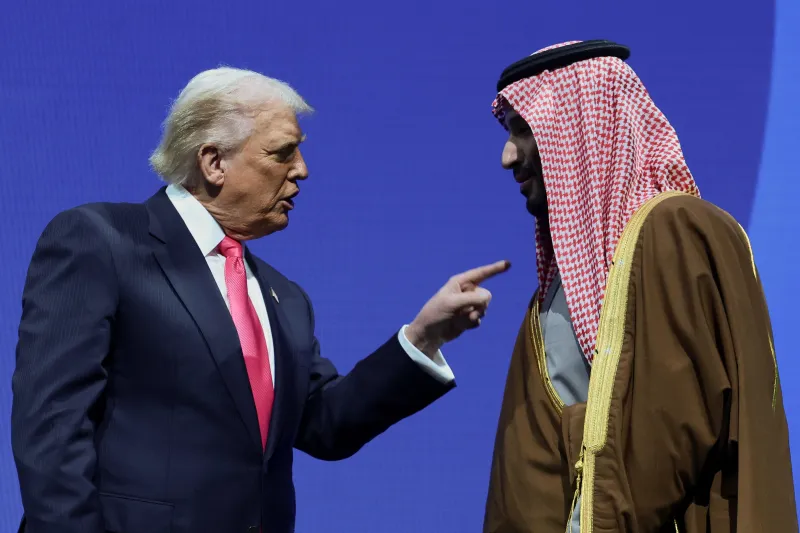
Reassessing the Fragile Gulf States Deterrence
After the Cold War, the United States scaled back forces in Europe, but NATO maintained a unified command and solid mutual defense commitments. The Persian Gulf lacks such coordination. Although the Gulf Cooperation Council (GCC) defense pacts date back to the 1990s, they were not designed for drone warfare or the possibility of blocking the Strait of Hormuz. There is no joint interception system or mechanism to oversee the strait. Developing those systems after American forces withdraw, while Tehran watches to see what the new arrangement can absorb, is not self-reliance but is comparable to constructing a building without a foundation.
The strongest version of the withdrawal argument is that Gulf states have never invested seriously in their own defense because Washington has always been too available to compensate, and that serious investment will not happen while that option exists. Before March 2026, that was a defensible position. Since then, the evidence has gone the other way.
The choices made during the conflict—the UAE’s OPEC exit, a dollar swap line negotiated directly with the US Treasury, Iron Dome batteries deployed on Emirati soil, embassies in Tehran closed or diplomatic staff expelled—imposed real constraints on sovereignty, made by governments that had spent a generation avoiding exactly this sort of situation. Iranian missiles hit residential areas in Dubai and Abu Dhabi. The case for self-reliance is quite apparent.
Gulf missile defenses held. Iranian drones—cheap, slow, and sent in volume—were harder to stop. If Abqaiq exposed the gap in 2019, 40 days of strikes in 2026 confirmed and widened it. Closing the drone gap requires shared sensors and unified intercept protocols, backed by the legal authority to act on them in real time, without prior ministerial approval at each stage of the engagement sequence.
The Strait of Hormuz is the other structural problem. No ceasefire text alters Iran’s physical position there. A joint monitoring system with set response thresholds and compensation triggers increases the cost of weaponizing the strait. Gulf governments have the financial ability to develop both. The real barrier isn’t capacity but the reluctance to see legal integration—like granting a joint body the authority to act without unanimous political approval—as a military issue rather than a sovereignty concern.
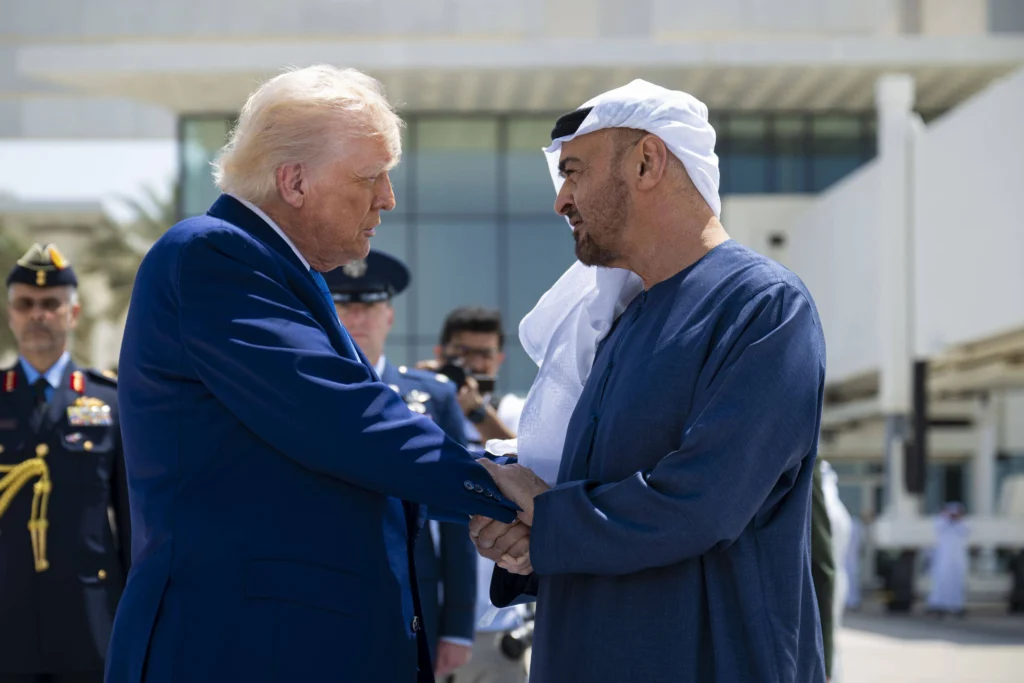
Fragmented Threat Perceptions Across Gulf States
A Gulf-wide treaty is the wrong instrument for this. The six monarchies do not see the threat the same way. Saudi Arabia’s primary concern is Iranian missiles and Houthi pressure on its southern border. The UAE’s is maritime—the strait, the Barakah plant, the port infrastructure that its entire economic model depends on. Qatar’s position is shaped by its gas exports, its American base, and a back-channel to Tehran. Kuwait and Bahrain are exposed in ways that make escalation existentially costly. Oman, as usual, has kept its distance.
Any framework requiring full GCC consensus will be negotiated down at each stage until no government considers it binding. What has happened instead, largely below the level of official statements, is that the conflict has accelerated bilateral and operational partnerships among willing states—those prepared to accept what genuine integration actually costs. The question is whether those partnerships can be given institutional form before the political pressure that created them fades.
What that institutional form requires is an authority capable of assessing what member militaries can actually do under real operating conditions—not procurement records or training exercises, but verified operational capacity—and publishing those findings regardless of what member governments would prefer they say. NATO built that kind of institution over ten years before the alliance faced a serious test. It had nuclear deterrence behind it and Article 5 in front of it.
Building Operational Sovereignty for Gulf States
The Gulf has the financial resources. It has not agreed to an institution that might say things its members would rather not hear. Whether that changes is the real indicator of whether Gulf strategic autonomy is a policy direction or a statement of intent that commits no one to anything.
Prepositioned equipment, rotating forces, and bilateral agreements defining when deployment is necessary have maintained American deterrence in Eastern Europe for 30 years without the need for permanent bases. The Gulf can achieve the same, but only once the institutional framework to support its operation is in place.
None of this prevents a settlement with Iran. A settlement is necessary and, in some form, will happen. The question is what position the Gulf occupies when the terms are set. Nations that help define those terms will be positioned differently to enforce them than states brought in afterward will be.
Concrete Strategic Framework for Gulf States Autonomy
Any agreement reached in the coming months will establish conditions that are difficult to revise later. Build capacity first, then negotiate based on the results. No illusions should be entertained about how many plans for gulf strategic autonomy have been proposed and then quietly set aside, or how quickly the political urgency that conflict generates can fade once the immediate danger has passed. What is different now is that the cost of the previous arrangement has already been borne by damage that governments across the region are still calculating. They do not need the argument made to them. They need an architecture equal to the conclusions they have already drawn.