
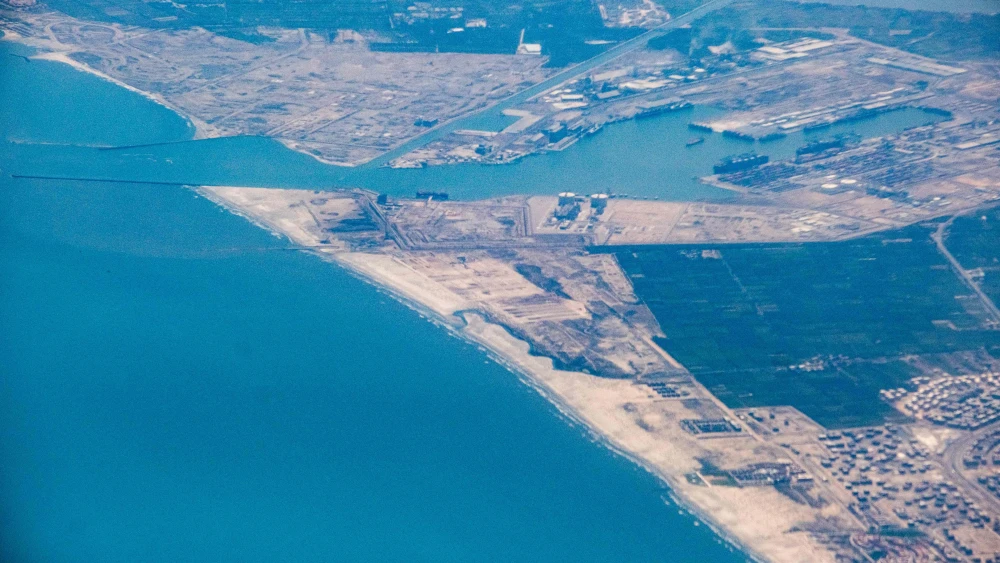
A drone strike on a U.S. gas tanker in Damietta brings Iran’s regional conflict directly to Egyptian territory. As Suez Canal revenues plunge from Red Sea proxy attacks, Cairo faces mounting economic pressure to deepen strategic maritime security cooperation with Washington.
A direct strike on a U.S. gas tanker in Damietta shatters Cairo’s neutral posture and signals that the Iran Pressure Campaign now active across the Middle East has crossed Egyptian borders. By hitting vital maritime infrastructure near the Suez Canal, Tehran is forcing Cairo into an escalating regional confrontation. This deliberate expansion of the Iran Pressure Campaign aims to destabilize key transit routes and amplify economic costs for Washington and its closest regional partners.
Iran Pressure Campaign Hits Damietta
For months, Cairo watched Iran’s regional campaign from the sidelines. Now, the war appears to have reached Egypt.
On July 29, a drone struck the Egyptian port city of Damietta, damaging a U.S. gas storage tanker. The attack marks the first known strike on Egyptian territory since the start of Operation Epic Fury, bringing one of Washington’s closest Arab partners directly into the conflict.
While Iranian Foreign Minister Seyed Abbas Araghchi seemingly denied Tehran’s involvement, describing the incident as an Israeli “false flag,” The Wall Street Journal reported that Egyptian officials blamed Iran for the attack. In official statements and diplomatic channels, however, Cairo has stopped short of publicly assigning responsibility, instead condemning the strike and warning against further regional escalation.
Until now, Egypt had largely avoided becoming a direct target of the Islamic Republic despite bearing significant economic costs from Houthi attacks on Red Sea shipping since late 2023.
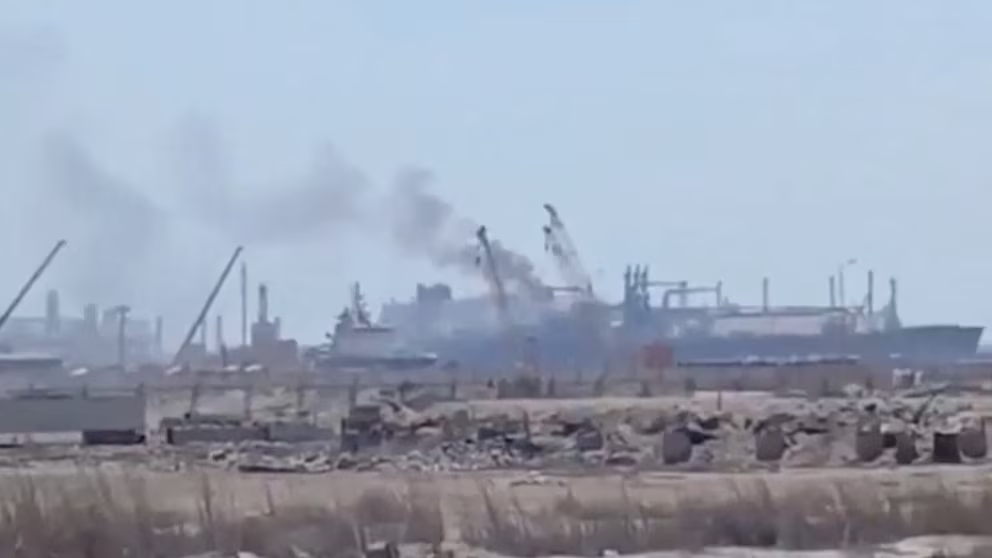
New Iran Pressure Campaign Broadens
Iran Apparently Expanding Geographic Scope of Its Pressure Campaign
The strike bears the hallmarks of Iran’s regional strategy. By targeting a port associated with one of the Middle East’s most important maritime corridors, the attack apparently extends Tehran’s pressure campaign beyond Israel and the Gulf states to countries that have thus far remained on the sidelines, including those that have positioned themselves as mediators.
In addition to targeting an American asset, the strike’s apparent focus on a port city reflects Tehran’s broader goal of imposing economic costs. Throughout the conflict, Iran has used drones and proxy forces to threaten critical infrastructure, increasing pressure on the United States and its regional partners.
Cairo Confronts Iran Pressure Campaign
Iran’s Regional Strategy Threatens Egypt’s Economic Security
Egypt has been among the greatest economic casualties of Iran’s regional campaign despite avoiding direct confrontation with Tehran. Since the Houthis began targeting commercial shipping in late 2023, traffic through the Suez Canal has fallen sharply, depriving Cairo of billions of dollars in transit revenue at a time of mounting economic pressure. Yet despite these losses, Egypt has largely abstained from multinational efforts to defend freedom of navigation.
The strike on Damietta should dispel any illusion that restraint alone can shield Egypt from Iran, demonstrating that Tehran is willing not only to disrupt maritime commerce but also to threaten the states and infrastructure that sustain it.
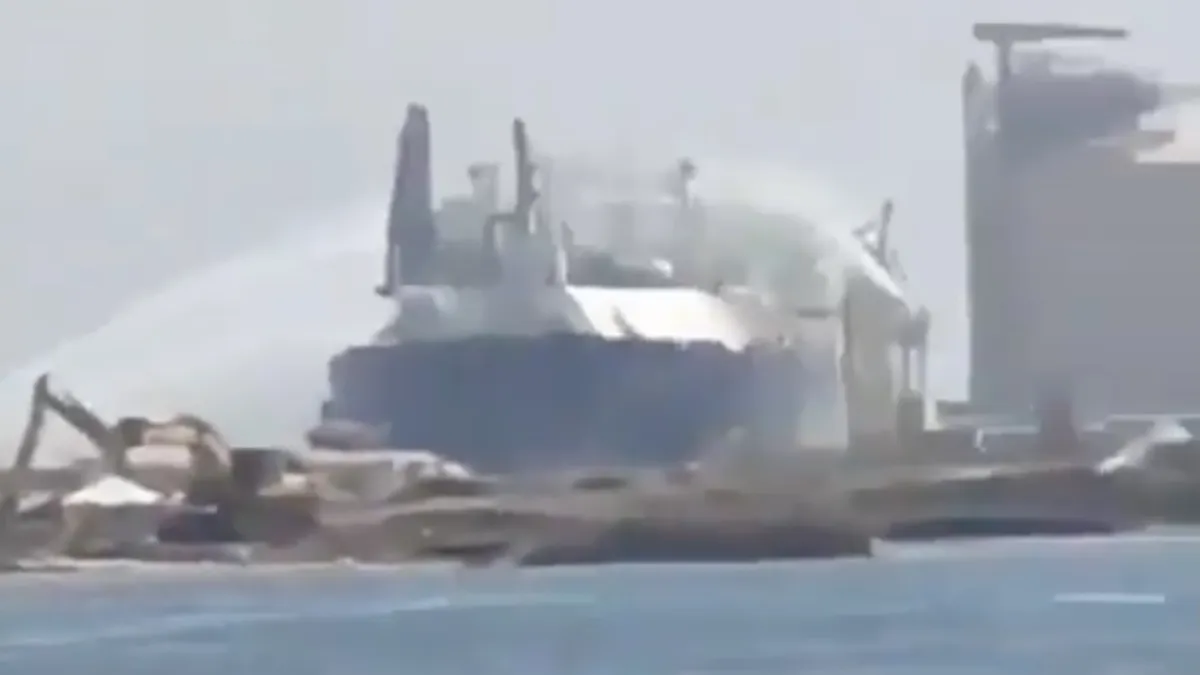
Iran Pressure Campaign Escalates Risks
Washington Should Deepen Maritime Security Cooperation With Egypt
The strike presents Washington with an opportunity to strengthen cooperation with one of its most important regional partners. Egypt possesses one of the Middle East’s largest navies, controls the Suez Canal, and occupies a strategic position connecting the Red Sea and the Mediterranean.
The United States should use this moment to press Egypt toward a more active maritime security posture, including greater Egyptian participation in multinational efforts to protect commercial shipping through the Red Sea and the Bab al-Mandeb strait.
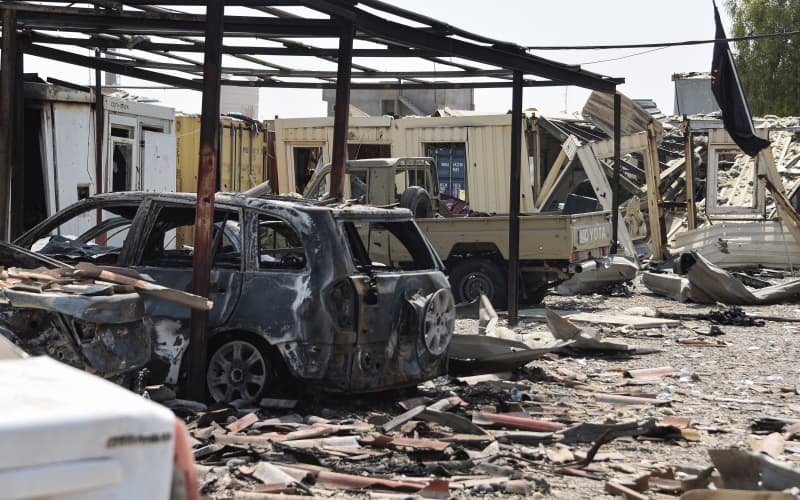
Deterring Iran Pressure Campaign Attacks
By taking these steps, Washington can strengthen deterrence, improve security along one of the world’s most vital maritime corridors, and increase the costs of Iran’s campaign to undermine regional commerce.