
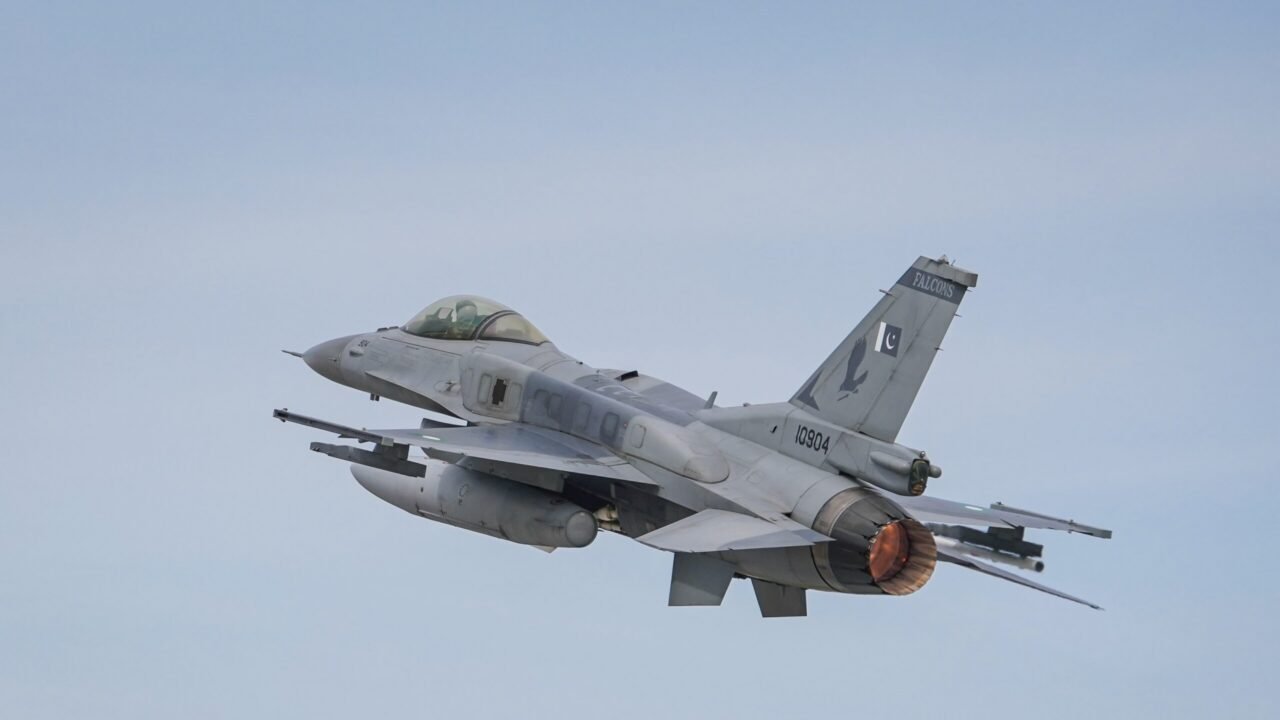
Turkey, Pakistan, and Qatar gained without firing shots as US power was rationed. Turkey dominates Syria, Pakistan brokers US-Iran talks, and Qatar won American security guarantees from mediation.
The Iran War Winners are not the states that fired the most shots but those that made themselves indispensable to American diplomacy. Turkey, Pakistan, and Qatar each converted geography, mediation, and timing into strategic gains while Washington rationed its power across the Middle East. Turkey leveraged Assad’s collapse to dominate Syria, displacing Iranian and Russian influence while training Damascus’s new army.
Pakistan filled a diplomatic vacuum, hosting the highest-level US-Iran contact since 1979 and joining the Mecca Joint Defense Agreement. Qatar transformed its role as Hamas mediator into American security guarantees and expanded its franchise to the Iran file. These Iran War Winners achieved their gains without directly fighting, but their victories are not necessarily permanent.
The lesson for Washington is that indispensability can be used, but it must be conditioned on concrete outcomes and balanced by alternative channels. Understanding how these three states emerged as victors is essential for any strategy that seeks to prevent any single broker from becoming irreplaceable.
Iran War Winners Redefine Victory
As the Iran War wages on, some of its emerging victors never fired a shot. Turkey, Pakistan, and Qatar. With the US rationing its power across the Middle East, these three made themselves indispensable to US diplomacy.
Since the April ceasefire, the debate over who’s winning the Iran War runs along a single axis. One camp contends the Islamic Republic won by merely surviving. On February 28, the campaign’s opening day, American and Israeli air attacks decapitated the Iranian leadership, killing Supreme Leader Ayatollah Ali Khamenei and much of the senior command. Yet, the government—regardless of Mojtaba Khamenei’s fate—reconstituted itself and remains standing. From this perspective, survival marks a substantial victory for the Islamic Republic and frames the United States, the other Gulf states, and Israel as the losers for failing to topple the regime.
The other camp treats survival as an accounting error, a theory of victory reduced to still being there when the bombing stops, and blames Washington for refusing to finish what it started. Strategic, irreversible victory has escaped Washington and Tehran alike. But both interpretations suffer from the same flaw: confining the war’s outcomes to the United States and the Islamic Republic.
Surviving a war and achieving an irreversible objective are different things. To date, Iran has achieved an essential process goal—survival—because Washington proved unwilling to pay the costs of toppling the Islamic Republic.
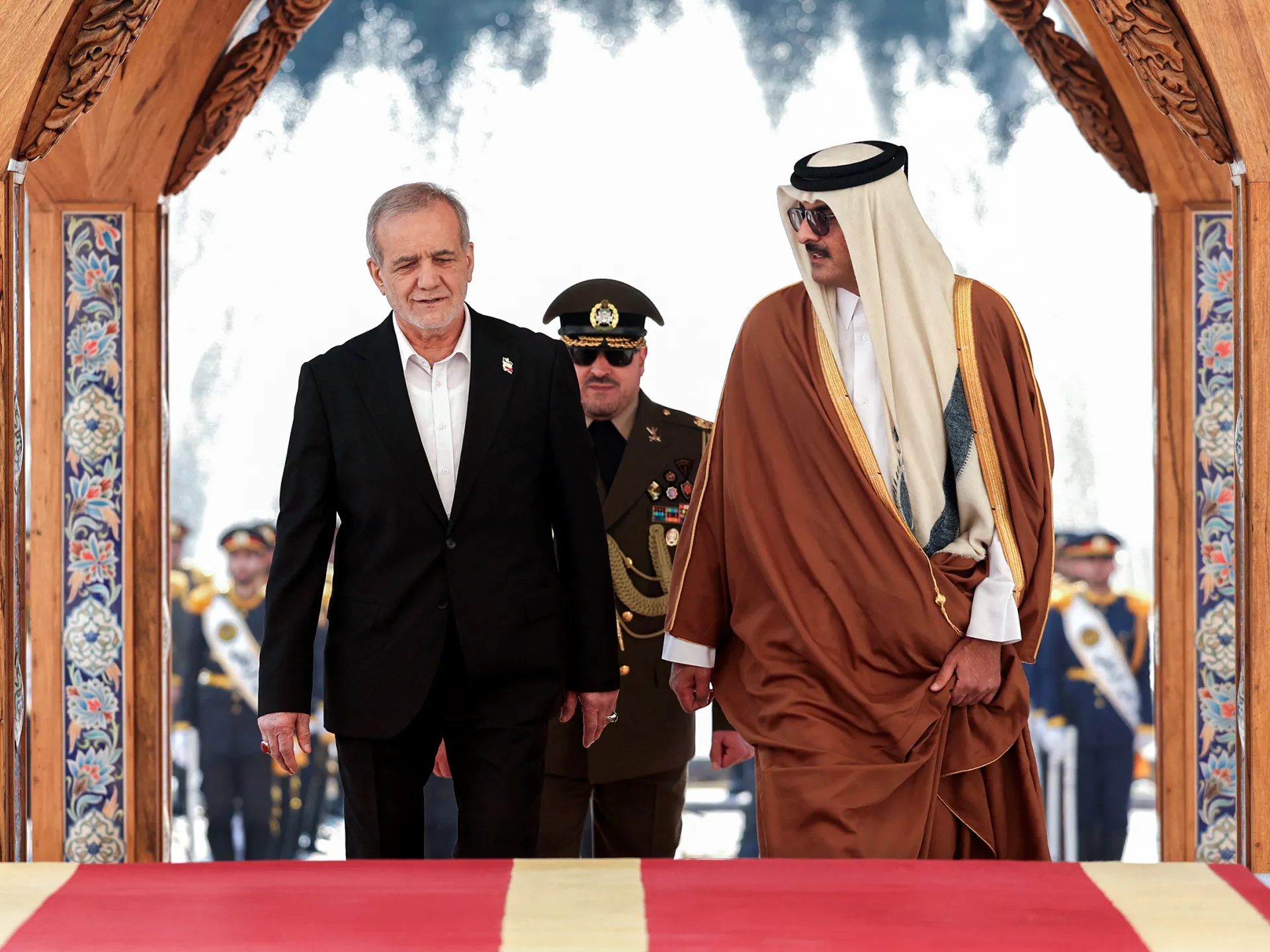
Israel Cemented as US Battlefield Partner
Israel may have achieved a victory by delivering a significant setback to the Iranian nuclear threat and cementing itself as the most integrated US battlefield partner of the 21st century. This contrasts with 1991, when Iraq fired 39 Scud missiles at the Jewish state, and the George HW Bush administration withheld the IFF codes Israel needed to enter coalition-controlled airspace without risking friendly fire. In 2026, American and Israeli forces fought in concert, transforming privileged access to US weapons into an operational alliance.
Turkey Gains Without Firing a Shot
Turkey’s gains began before the direct war against Iran and accelerated with it. Assad’s December 2024 collapse made Turkey, along with Israel, one of the principal beneficiaries of Iran’s regional decline, displacing both Tehran and Moscow in Syria and the South Caucasus. Rebel leader Ahmed al-Sharaa, whom Ankara sponsored and groomed, now governs Damascus as president. Turkish officers train Syria’s new army, Turkish firms rebuild Syria’s power grid, airport, and other civilian infrastructure, and Turkish advisers help reshape Syria’s state institutions.
The demise of Syria’s Kurds under the banner of the Syrian Democratic Forces (SDF) marks another big victory for Ankara. In January 2026, Syrian forces moved on the Kurdish-held districts of Aleppo, Arab tribal components defected, the front folded within days, and SDF commander Mazloum Abdi signed a 14-point integration agreement on terms far harsher than the March 2025 framework he had spent a year resisting. Washington simply declined to save the SDF. Tom Barrack, then-special envoy for Syria as well as ambassador to Turkey, announced that the organization’s role as the primary anti-ISIS force had expired. Ankara spent a decade seeking this outcome and obtained it without directly attacking the SDF.
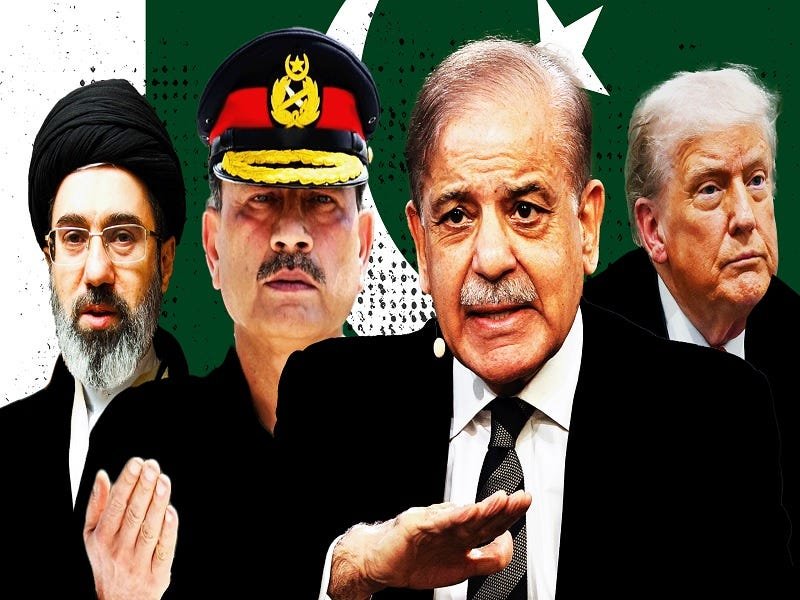
What Did Pakistan Actually Win
A generous reading of Pakistan’s role holds that, during the most dangerous Middle East crisis in recent memory, Islamabad accomplished what China, France, Germany, India, and the United Kingdom could not. With Trump favoring personal relationships over aging and financially burdensome parchment alliances, the emerging international system appears to reward states with initiative rather than past credentials. This view is correct, but only half the story. Pakistan helped broker a US-Iran memorandum of understanding, but that agreement collapsed within weeks of its signing.
Rather than brokering peace, Islamabad won a franchise. Field Marshal Asim Munir, Pakistan’s army chief, converted geography and a personal rapport with Trump into ownership of the diplomatic switchboard. Vice President JD Vance spent 20 hours across the table from Iranian negotiators in Islamabad, marking the highest-level direct US-Iran contact since 1979, all on Pakistani real estate. By June, Pakistani officials sat alongside Qatari negotiators at talks in Bürgenstock, Switzerland.
Pakistan filled a vacuum created by an administration that trusted no one else. Vacuums narrow, but Pakistan’s broader ascent has already produced something more durable. In August, Islamabad joined Ankara and Riyadh in the Mecca Joint Defense Agreement, whose collective-defense clause echoes NATO’s Article 5 security guarantee.
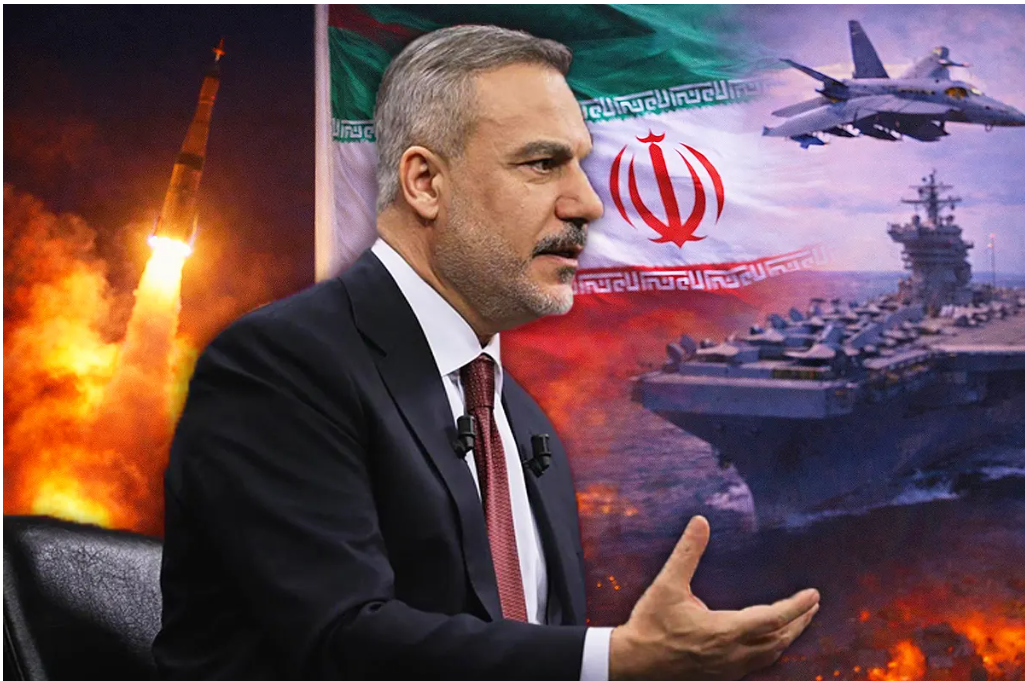
Qatar Turned Mediation Into Protection
Qatar took a different route. Beginning with the October 7 iteration of the war, Qatar made itself an indispensable mediator between Hamas and Israel. And, in September 2025, the Israeli air force targeted Hamas’ core leadership in Doha. A couple of weeks later, Israeli Prime Minister Benjamin Netanyahu apologized to Qatari Prime Minister Mohammed bin Abdulrahman al-Thani for violating Qatar’s sovereignty and promised that Israel would not strike inside Qatar again.
That same day, Trump issued Executive Order 14353 declaring that the United States would treat an armed attack on Qatar as a threat to US security. Doha converted its indispensability to Washington into American protection, then, as the Iran front opened up, expanded its mediation franchise from Gaza to Iran.
Can Iran War Winners Stay Indispensable
War almost always brings about unexpected outcomes. The Turkish, Pakistani, and Qatari victories are not alike and not necessarily permanent. The lesson for Washington is that it can work with Ankara, Islamabad, and Doha, when necessary. Still, it should condition diplomatic prestige, security guarantees, and military sales on concrete lasting outcomes. Further, Washington needs to cultivate alternative channels so that no one broker remains indispensable.