
Joint U.S.-Saudi airstrikes in Iraq killed over 20 militiamen and five IRGC advisers following 30 drone attacks on regional energy sites. Prime Minister Ali al-Zaidi faces intense diplomatic pressure as Tehran-backed proxies destabilize relations with neighboring Gulf states.
Persistent drone strikes against Gulf energy infrastructure have pushed Middle Eastern security to a critical turning point as regional powers take direct military action. The escalating Iraq militia threat has now triggered joint combat missions, marking a dramatic shift in how coalition forces counter cross-border violence. By launching direct strikes against paramilitary bases, allied forces aim to dismantle the growing Iraq militia threat while forcing Baghdad to take accountability for armed groups operating with impunity within its borders.
Iraq Militia Threat Sparks Strikes
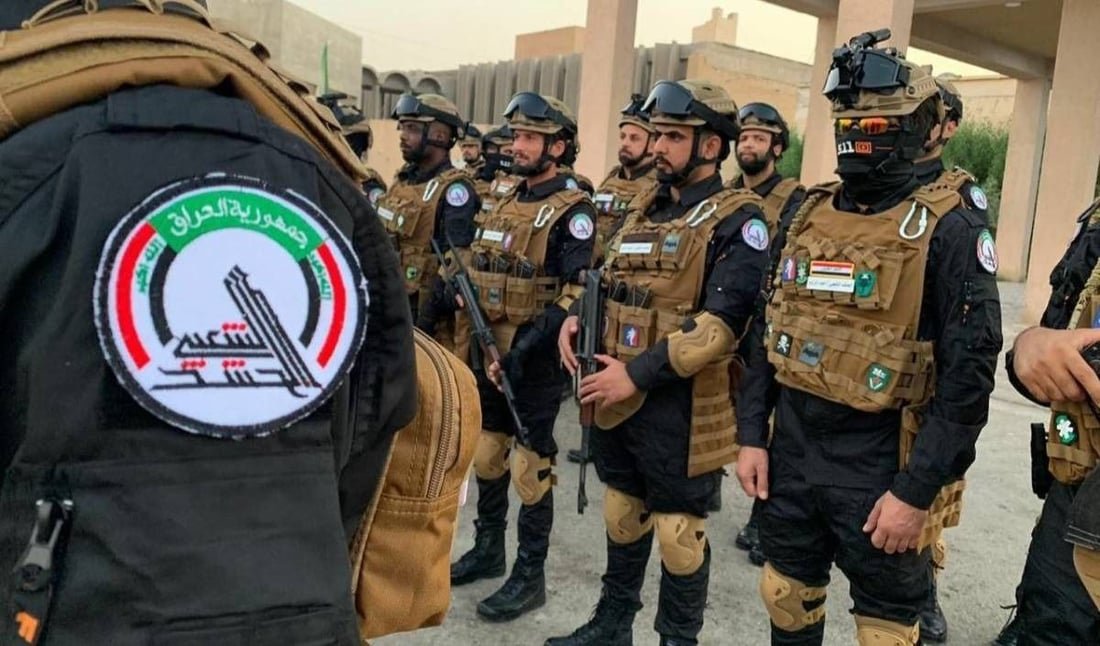
Baghdad’s failure to address drone attacks from Iran-backed Iraqi militias is forcing other countries to act. American and Saudi forces, in a first for the ongoing war with Iran, launched joint overnight airstrikes against Iran-backed militias in Iraq on July 28. The operation killed more than 20 militiamen alongside five advisers from Iran’s Islamic Revolutionary Guard Corps (IRGC).
U.S. Central Command (CENTCOM) described the operation as “a strong response to over 30 IRGC-directed aerial drone attacks in the last 72 hours,” referring to Iraqi militia attacks on U.S. forces and Saudi energy facilities. During this period, the Houthi militia in Yemen claimed an attack on Abqaiq — the world’s largest oil processing and stabilization facility — in Saudi Arabia’s Eastern Province. However, the Saudi statement attributed attacks on its energy facilities — without naming Abqaiq — to Iran-backed militias in Iraq, without mentioning the Houthis. Reuters reported on July 30 that the Houthis are operating in Iraq alongside Iraqi militias.
New Iraq Militia Threat Grows
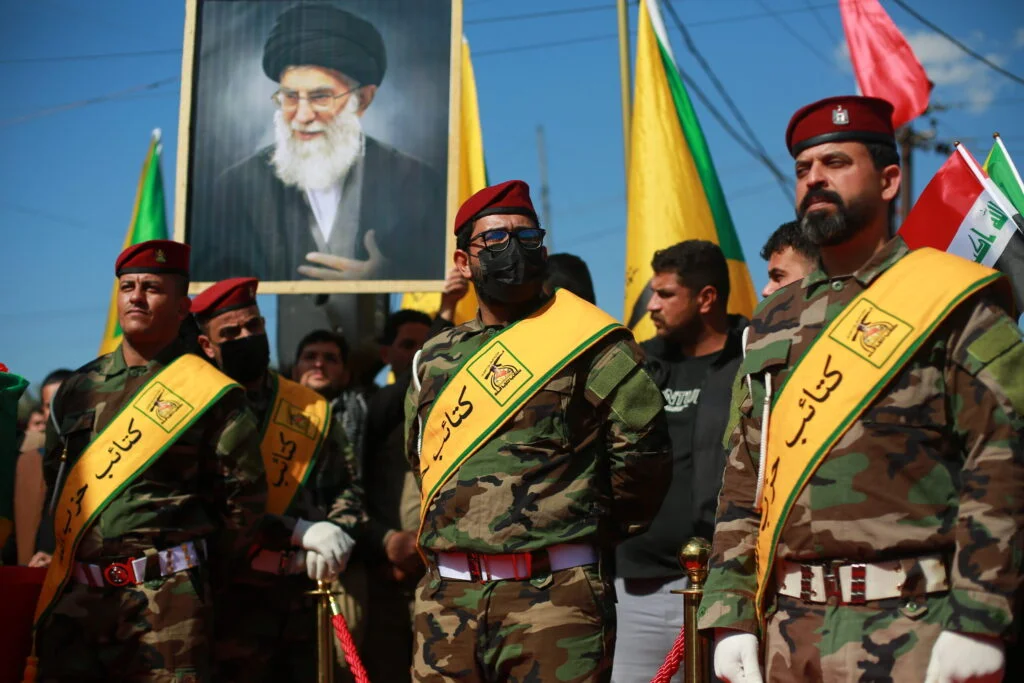
The strikes came less than two weeks after Iraq’s new prime minister, Ali al-Zaidi, visited Washington. Zaidi touted promises from Iran-backed militias to disarm, which would enable the U.S.-Iraq relationship to shift from a security focus to economic partnership. Yet Sabah al-Numan, Zaidi’s spokesman, issued a statement denouncing the U.S.-Saudi operation. He rejected “all acts of aggression” without identifying the perpetrators of attacks from Iraq. Despite Zaidi’s claims that militia promises to disarm constitute progress — statements that have not been backed up with action — Tehran’s proxies threaten Iraq’s internal stability and its relationships with neighbors and the United States.
Tackling The Iraq Militia Threat
Iraqi Militia Attacks During the Conflict
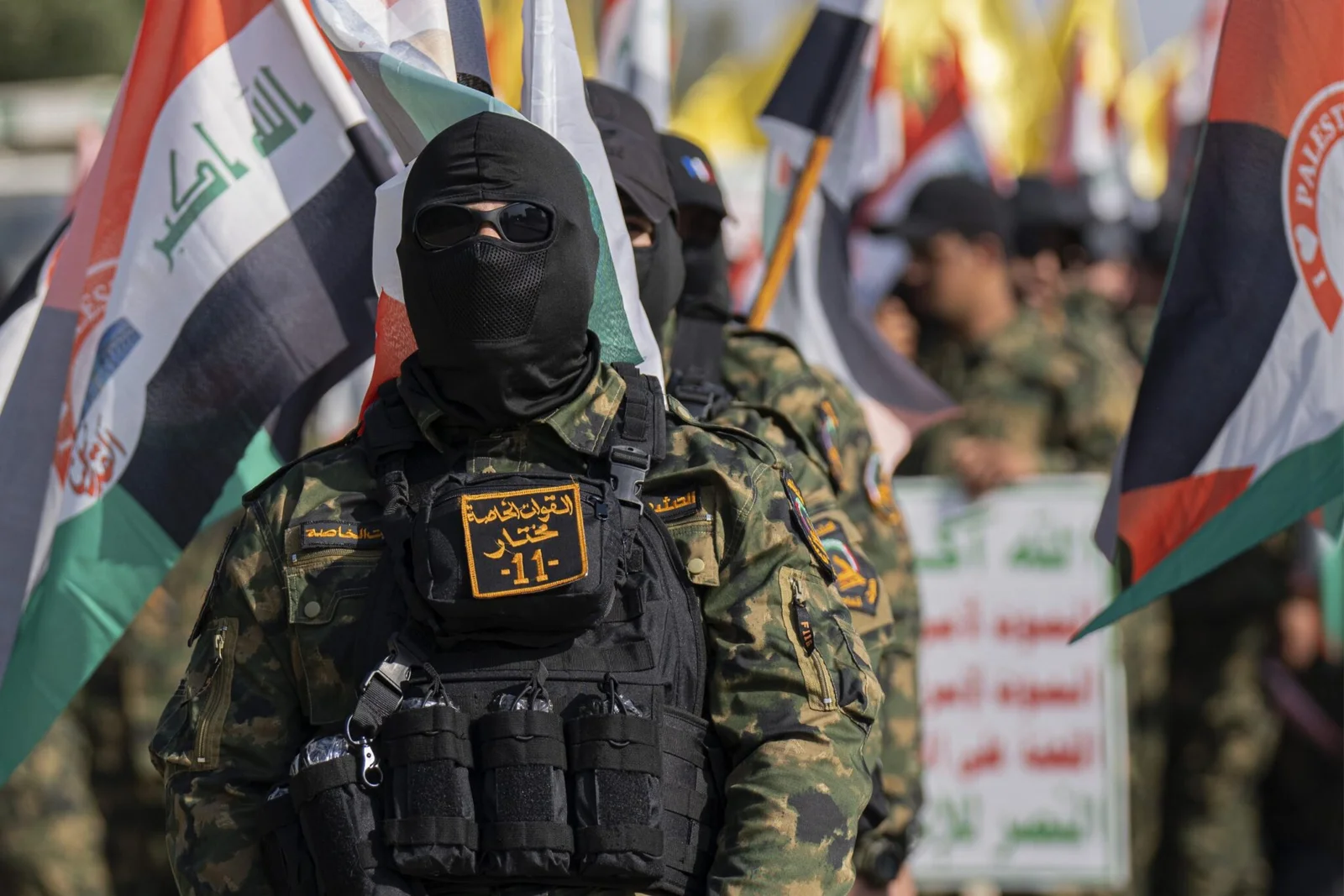
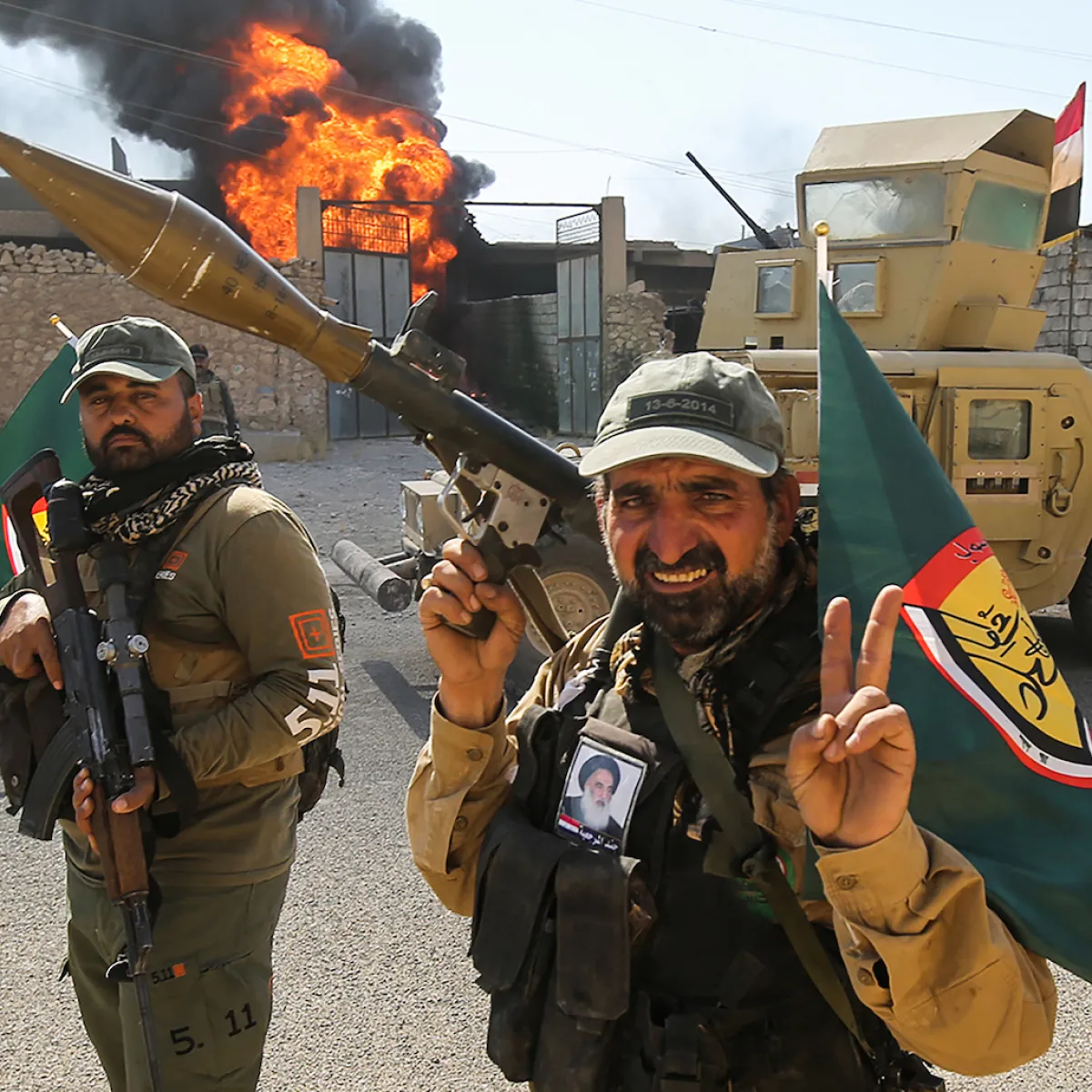
A Saudi assessment in late April determined that Iraqi militias conducted “up to half of the nearly 1,000 drone attacks on the kingdom.” The recent CENTCOM statement blamed Iran-backed militias in Iraq for over 600 attacks against U.S. forces and interests in the country between February and April.
In April, the United Arab Emirates summoned the Iraqi charge d’affaires to deliver a note of protest over attacks from Iran-backed militias, as did Bahrain. Likewise in April, tensions between Iraq and Kuwait escalated when protesters in southern Iraq attacked the Kuwaiti consulate over recent rocket attacks on southern Iraq. Despite weeks of Iran-backed militia attacks on Kuwait, an Iraqi official blamed the attacks on the emirate.
Iraq Militia Threat Strains Alliances
Iran’s Influence in Iraq Imperils Baghdad’s Relationships
Saudi Arabia is responding more vocally after suffering attacks from multiple directions by Iran and its regional stooges. During the initial round of fighting in the U.S.-Israel war with Iran, Riyadh reportedly struck Iran-backed militias in Iraq after weathering hundreds of drone attacks, doing so without fanfare. Now, the rupture between Iraq and its neighbors is growing. Zaidi was scheduled for his first official visit to Riyadh on July 28 but canceled the trip after the U.S.-Saudi airstrikes.
While the Iraqi government professes neutrality in the regional conflict, Iranian militias have backed the government in Baghdad into a corner. Tehran’s network in Iraq is centered on the Popular Mobilization Forces (PMF), an official Iraqi security institution composed largely of Iran-backed militias. While the prime minister, as commander-in-chief, is the head of the PMF, in reality, these groups answer to an Iranian chain of command. This positions the Iraqi government uncomfortably between its own forces and its partners — both regional and global.
Curbing Iraq Militia Threat Today
Washington should press Zaidi to demonstrate concrete progress on disarmament. The Trump administration should sanction the militias’ political and financial backers in Iraq if Baghdad fails to follow through. Washington has held back on penalizing Iraqi officials to give Zaidi room to reform.
Washington should also encourage Baghdad to repair relations with Iraq’s neighbors and seek greater partnership with Arab countries. One important area of cooperation is electricity. Iraq relies on gas imports from Iran to power its grid — despite Iran’s inability to meet its own needs during extreme weather and therefore cutting exports to Iraq. The United States provides Iraq with a sanctions waiver for these imports. Washington should support Baghdad’s shift toward energy independence and partnership with Gulf neighbors to deny Iran a revenue stream and provide more consistent electricity in Iraq.