
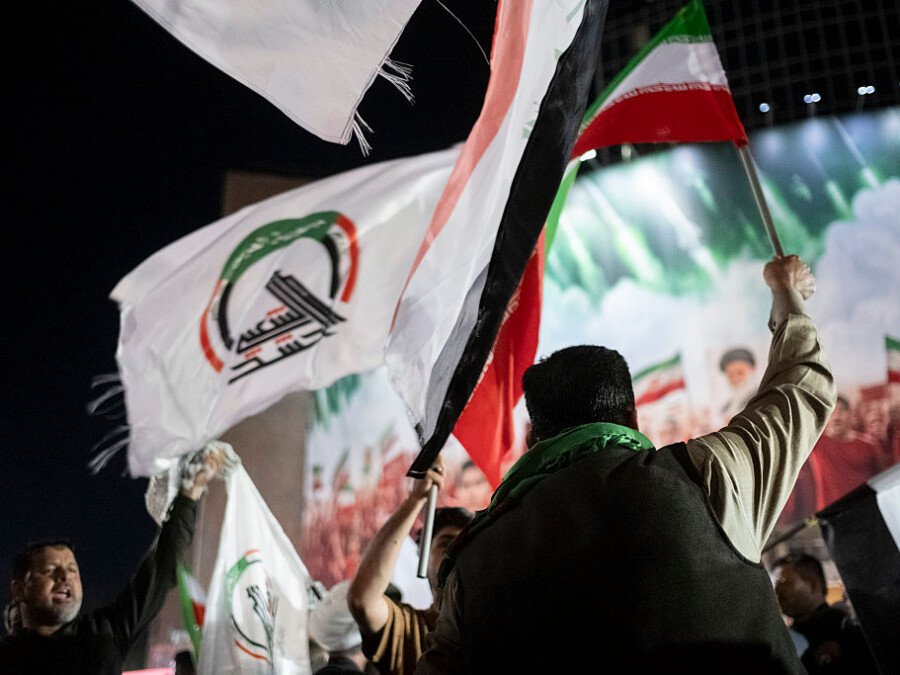
Iraq’s prime minister confronts Iran-backed militias after Abbas al-Yaqoubi’s brief arrest. IRGC and Iranian parliament visits show Tehran shielding arms. Militia demands include US withdrawal and Peshmerga disarmament, blocking the September 30 deadline.
The arrest and rapid release of Abbas Hussein al-Yaqoubi exposes the limits of Prime Minister Ali al-Zaidi’s authority as he tries to impose state control over Iran-backed armed factions. Iraq militias remain embedded in the Popular Mobilization Forces, giving Tehran a state-licensed channel to shield weapons and influence disarmament negotiations.
Zaidi’s September 30 deadline tests whether formal sovereignty can overcome parallel command structures. Senior Iranian officials have already traveled to Baghdad to direct the process, signaling that Tehran intends to preserve militia arms as pressure against Washington. This struggle is not only about security; it is about who controls Iraq’s political economy after any American drawdown.
For the United States, the central risk is that disarmament could simply convert militia coercion into cabinet-level power. Iraq militias that reject state authority are also demanding the departure of U.S. and Turkish forces and the weakening of the Peshmerga. Those conditions reveal how armed factions can impose veto power even during a weapons handover. The outcome will determine whether Baghdad governs through institutions or through the threat of armed factions.
Why Iraq Militias Defy Disarmament
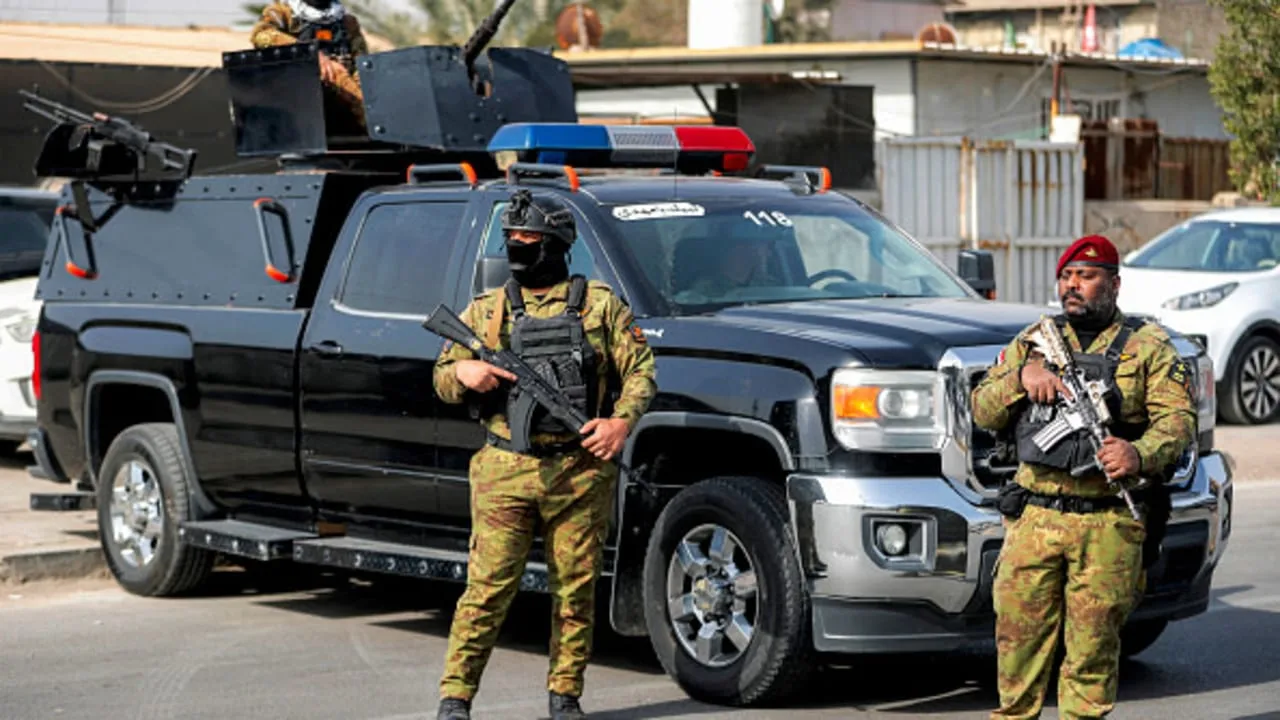
Iraq’s new prime minister, Ali al-Zaidi, appears to be trying to reign in the Iranian-backed militias that have spread terror and disunion in his country. But a recent arrest may point to the limits of his power. Iraq’s Counter-Terrorism Service detained Abbas Hussein al-Yaqoubi — an official in both a U.S.-designated terror group and the Popular Mobilization Forces (PMF), an Iraqi security institution dominated by Iran-backed terror groups — but released him within 24 hours.
The incident is the latest in a struggle between Tehran — with its militia partners — and Zaidi. Zaidi set a September 30 deadline for independent armed groups to hand over their weapons to the state, but Tehran and its partners in Iraq are seeking to control any disarmament process.
Senior Iranian Officials Visit Baghdad With Advice for Militias
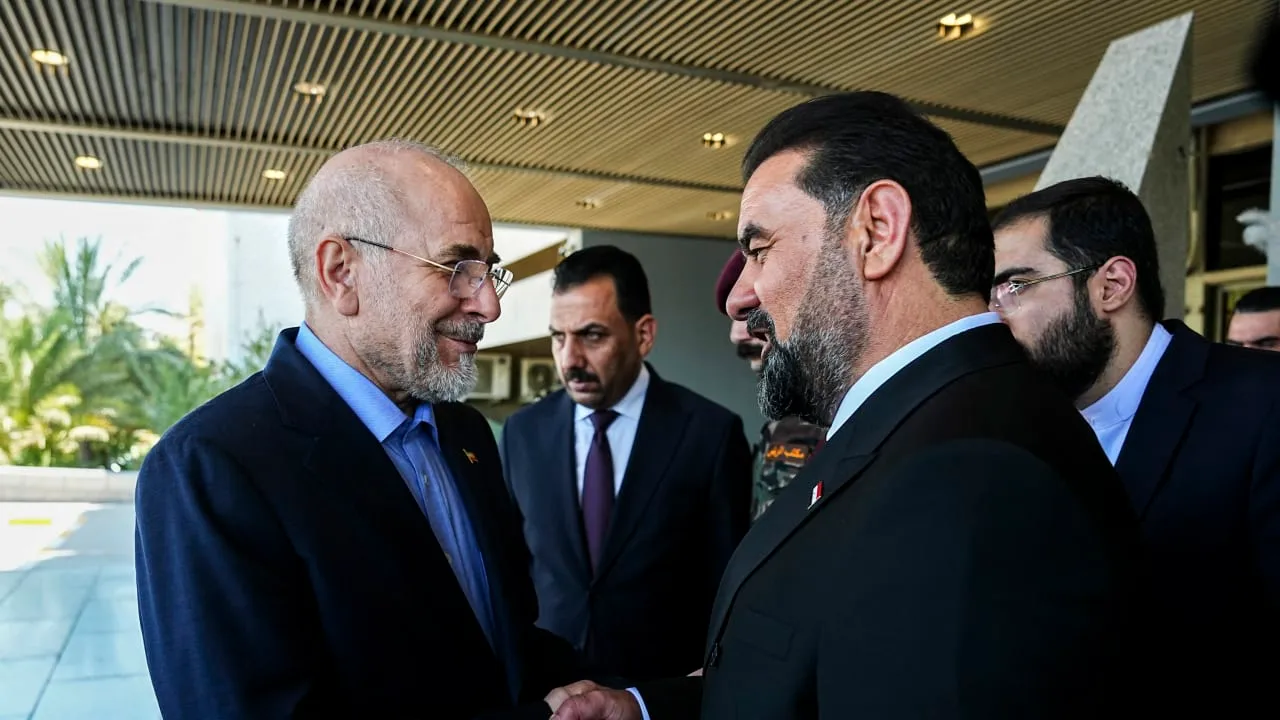
Islamic Revolutionary Guard Corps (IRGC)-Quds Force commander Esmail Qaani traveled to Baghdad to discuss disarmament with militia leaders and Shiite politicians on August 10. Reportedly, Qaani told militia leaders to hold onto their weapons as leverage with Washington while avoiding direct confrontation with Iraqi security forces. Several of the most active Iran-backed militias, including Yaqoubi’s Harakat Hezbollah al-Nujaba (HHN), have rejected calls to disarm, while three militias, including two of the six Iran-backed militias designated as terror groups by the United States, have agreed.
Ghalibaf Pushes Plans From Tehran
Iranian Parliament Speaker Mohammad Bagher Ghalibaf followed Qaani’s visit with his own trip to Baghdad on August 19. He is meeting with senior political leaders, including the coalition of Shiite parties that leads the government, the Coordination Framework. According to Asharq al-Awsat, Ghalibaf brought plans from Tehran to hide, move, or otherwise protect militia weapons until a political agreement that is satisfactory to Iran and the militias is reached.
Militia Demands Are Unlikely To Be Met
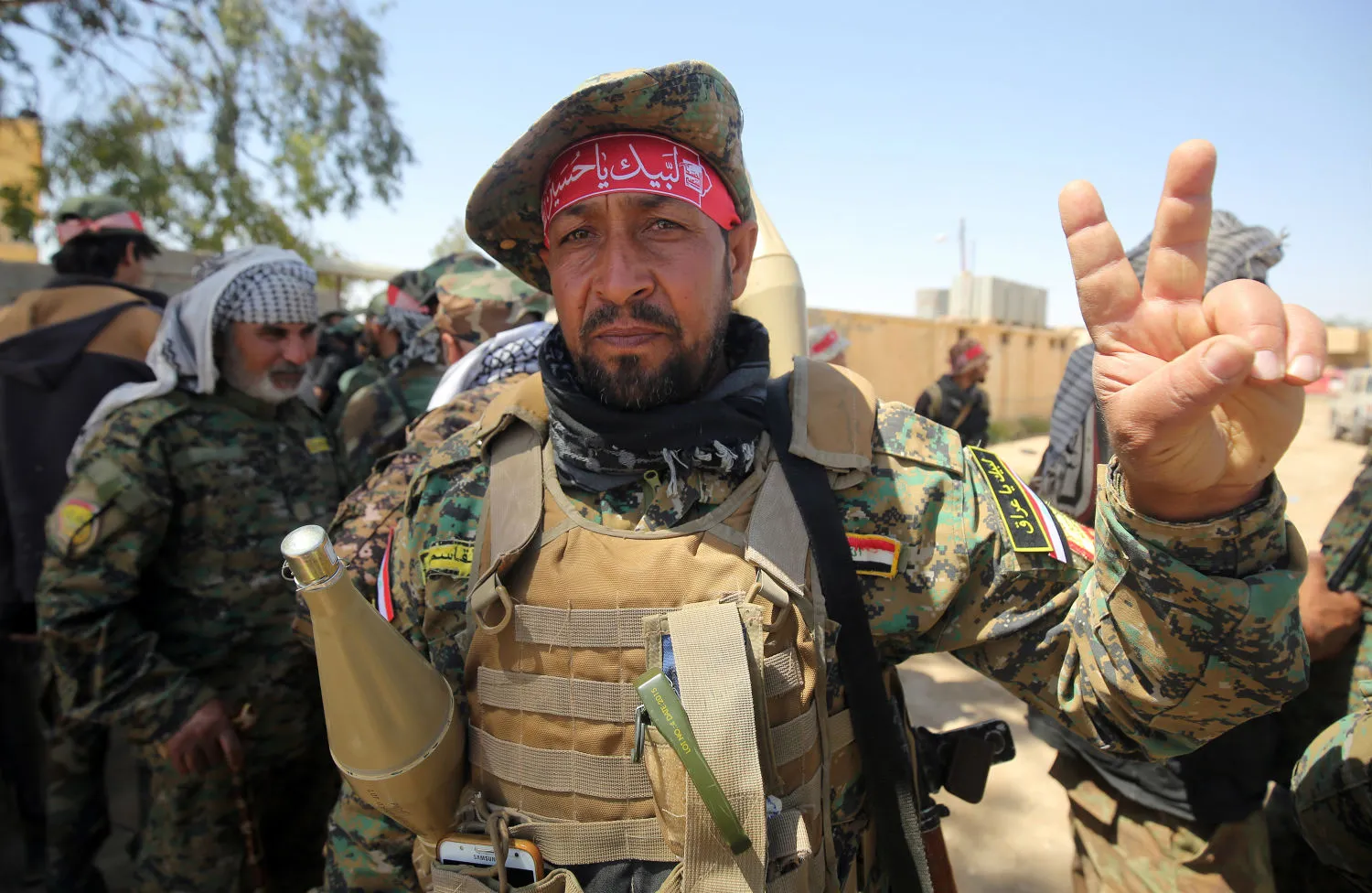
In Baghdad, the Coordination Framework formed a committee to negotiate with militias over weapons. Key to the committee’s work is Hadi al-Ameri, a member of the Coordination Framework and leader of the Badr Organization, who is trusted by the militias. Badr is Iran’s oldest proxy in Iraq and a major component of the PMF but has remained unsanctioned by the United States. Despite Ameri’s role as a negotiator, Badr has outlined three requirements, two of which are near impossible in a short time: the completion already scheduled American troop withdrawal; “the elimination of the strategic threats facing Iraq;” and “the complete rebuilding of the Iraqi armed forces.”
Other militias have also named additional requirements. Kataib Hezbollah’s demands include the departure of U.S. and Turkish forces, as well as the disarmament of the Kurdish Peshmerga, an important U.S. partner in the country and part of Iraq’s security apparatus.
Will Iraq Militias Ever Disarm?
Tehran is instructing its proxies to use their weapons as negotiating leverage Washington. The Trump administration should make clear to Baghdad that handing over weapons does not give these terror groups license to find new ways to exert their influence in Iraq’s government and economy. The prohibition of leaders from the U.S.-designated terror groups serving in the cabinet and senior positions should remain. Furthermore, failure to disarm will result in sanctions on additional militia leaders as well as their political and financial backers.
Washington Must Guard Against Militia Power
The Trump administration should also warn Zaidi against permitting efforts to strengthen the PMF, which will continue to be a state-licensed vehicle for militia influence, unless it undergoes substantial reform. Simultaneously, Baghdad should not allow American partners, such as the Peshmerga, to be weakened in any agreement.