
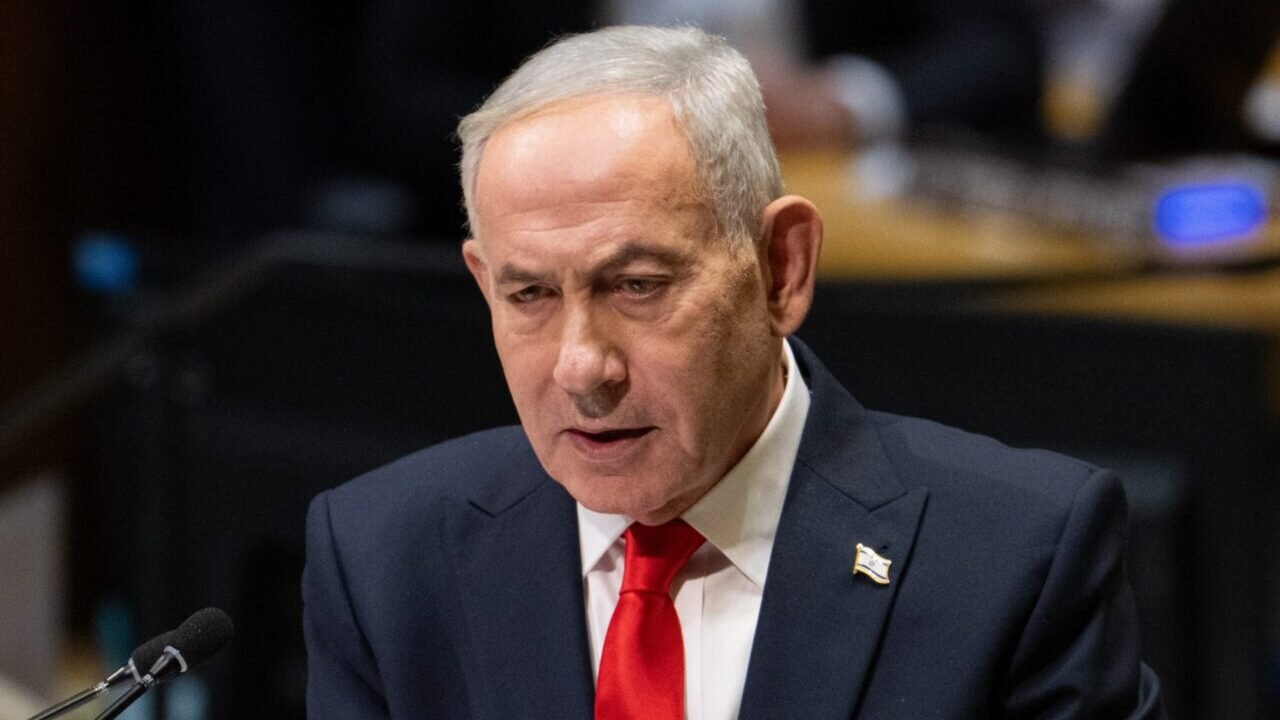
Israel’s October 27 vote produced a paradox. Netanyahu’s bloc finished first with 53 seats but cannot reach 61. Eisenkot’s opposition holds 48, and Arab parties won 19. Every coalition forces broken promises, and the outcome will shape US-Israel ties.
Israel Coalition Talks produce a paradox
Israel’s October 27 election produced a paradox: Benjamin Netanyahu’s camp finished first but cannot govern, while his opponents hold a majority they may be unable to use. Likud remains the largest party with 27 seats, and its bloc of nationalist and ultra-Orthodox allies totals 53, eight short of the 61 needed. The Zionist opposition led by former military chief Gadi Eisenkot holds 48. Arab parties won a record 19 seats, enough to tip the balance in theory, though not obviously in practice.
That arithmetic will define the coming weeks. Every plausible coalition forces someone to break a campaign promise. The question is not only who governs, but how durable, coherent and internationally credible the resulting government will be.
How the Next Israeli Government Is Likely to Form
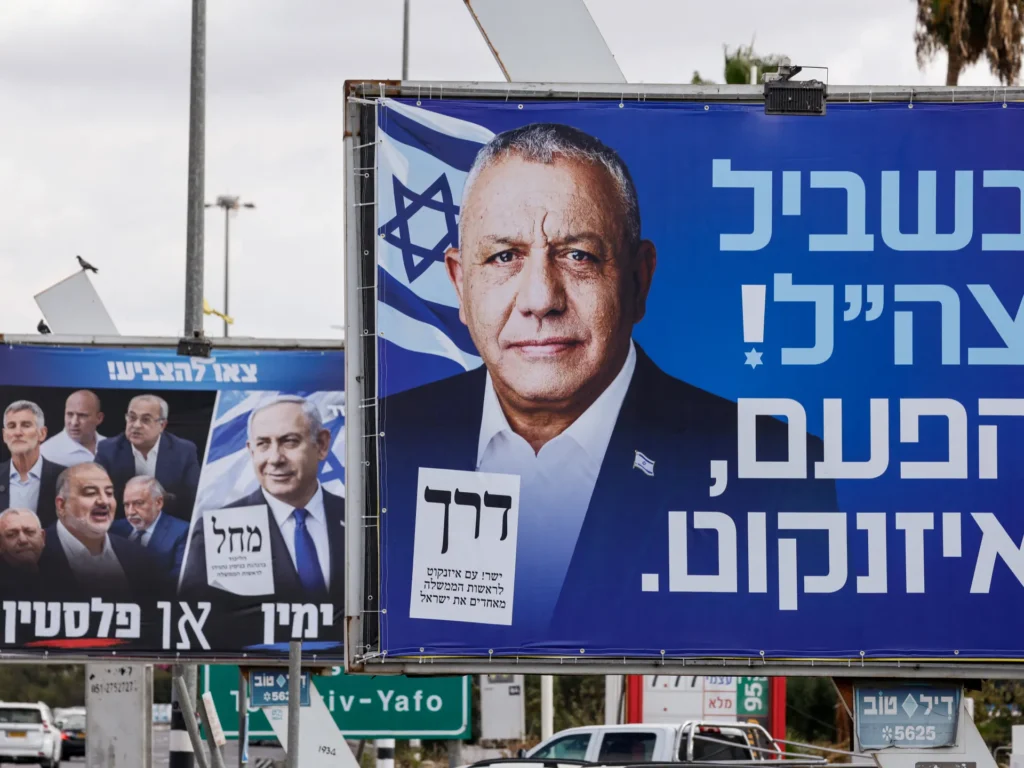
Once results are certified this week, President Isaac Herzog will consult party leaders and hand the mandate to the candidate with the best chance of success. That candidate will have 28 days to form a government, with a possible 14-day extension. Eisenkot is the frontrunner for the first mandate: Naftali Bennett’s party has endorsed him, and the Arab parties are set to recommend him too.
But recommendations do not make a coalition. Bennett and Avigdor Lieberman both ruled out governing with Arab parties, and Lieberman has repeated that since the vote. That leaves Eisenkot with three costly routes. He can seek outside Arab support without cabinet seats, a model his own partners may still reject. He can court the ultra-Orthodox parties, some of whose figures have signaled openness to talks, even though Eisenkot has vowed not to compromise on drafting Haredi men. Or he can pursue a unity arrangement with Likud, which he has refused while Netanyahu leads it.
Netanyahu’s strategy is defensive. His priority is to block his rivals by delegitimizing Jewish-Arab cooperation, alleging foreign interference in the Arab vote, and floating whether Likud should recognize the result at all. Time is on his side: if talks collapse, he stays on as caretaker until a new election early next year. His best offensive play is to lure a right-leaning opposition party back into his camp.
The base case is protracted bargaining, with a real risk of returning to the repeat-election cycle that produced five votes between 2019 and 2022. The political class knows how corrosive that was, which itself creates pressure for a deal.
What Happens If an Anti-Netanyahu Government Forms
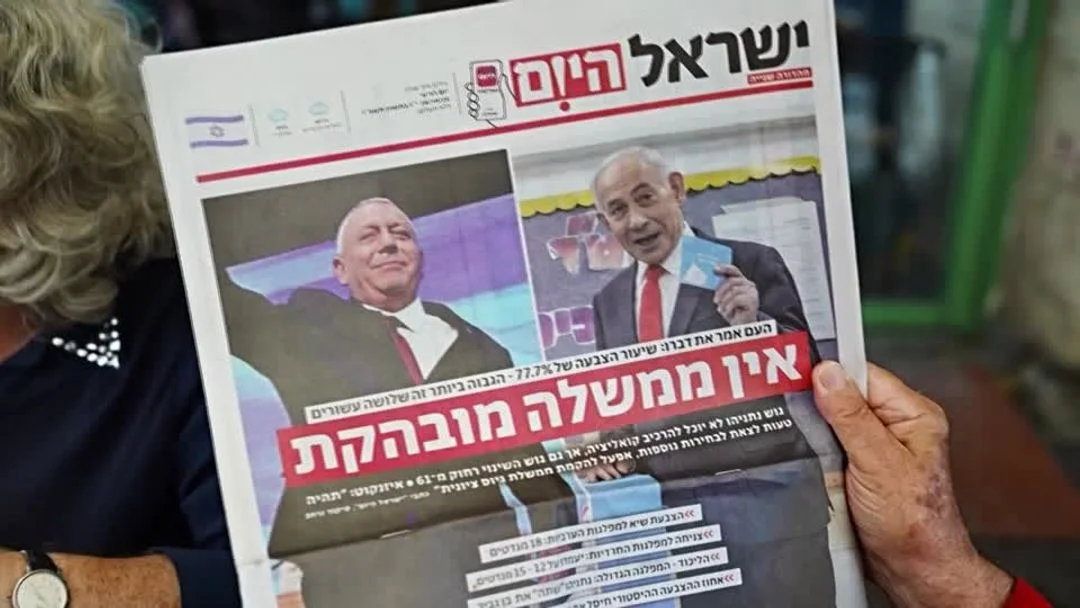
A government led by Eisenkot would be ideologically broad and structurally thin. It would stretch from Yair Golan’s left-leaning Democrats to Lieberman’s hawkish secular nationalists and Bennett’s right-wing voters. What unites them is accountability: a state commission of inquiry into the intelligence failures before October 7, 2023, an end to the judicial overhaul agenda, and broader military service. On those items, expect fast movement.
On security, the change would be more in method than in substance. Eisenkot is a career soldier who campaigned on unity, not concessions, and few in his bloc favor a Palestinian state in the near term. The difference would lie in how decisions are made: more weight for professional security advice, more openness to Arab and international partners on Gaza’s future, and less appetite for settlement expansion as state policy.
The vulnerabilities are obvious. If the government leans on Arab parties, even from outside, every security crisis becomes a loyalty test the opposition will exploit. If it leans on Haredi parties, it must dilute the draft reform that defines its mandate. The similar Bennett-Lapid patchwork of 2021 lasted about a year.
What Happens If Benjamin Netanyahu Holds On
A Netanyahu government built from these numbers would need defectors or an unexpected partner, and would be more fragile than the outgoing one. Its core parties—Likud, Itamar Ben-Gvir’s Otzma Yehudit, and the ultra-Orthodox parties—would each hold a veto. Ben-Gvir would push harder lines in the West Bank and Gaza. The Haredi parties would demand legal protection for draft exemptions while the army faces acute manpower shortages and public anger runs high.
The likely result is governance by crisis: policy hostage to the most extreme coalition partner, budgets held up by sectoral demands, and recurring threats to bolt. A contested mandate, shadowed by claims of a stolen election, would also deepen polarization and renew fights with the attorney general, the courts and the security services. Expect the battles over judicial authority and an October 7 inquiry to return in sharper form.
There is one twist. If Netanyahu survives by luring back a former ally from the opposition, that partner could dilute the far right and produce a more centrist government than the last one. That is the version he will pitch to wavering partners and to Washington.
What Israeli Coalition Intrigue Means for the United States
The United States has an unusual stake in this outcome, because President Donald Trump openly endorsed Netanyahu before the vote and later credited himself for his showing. The two leaders coordinated closely through the war with Iran and still speak regularly. A Netanyahu government would preserve that intimacy. But the endorsement carries risk either way. If Netanyahu loses, Trump will have backed the losing side in an ally’s election. If he wins narrowly with far-right partners, Washington inherits a coalition whose West Bank and Gaza policies could undercut its own regional goals, from Gaza stabilization to Saudi normalization.
An Eisenkot government would not mean a cooler alliance. Eisenkot has praised Trump while arguing that Israel has become too dependent on decisions made in the White House. Expect a premier who prefers quiet coordination through military channels, fewer public spats and more predictability, but also more willingness to say no. That could make the relationship healthier, if less personal. A government that steadies Israel’s institutions and passes a credible draft law would also be easier to defend in the US Congress, where support for Israel has grown more partisan.
The worst outcome for Washington is prolonged stalemate: a caretaker government with thin legitimacy for big decisions on Iran, Lebanon or Gaza, just when the United States needs an Israeli partner able to deliver.
Israel Coalition Talks decide more than office
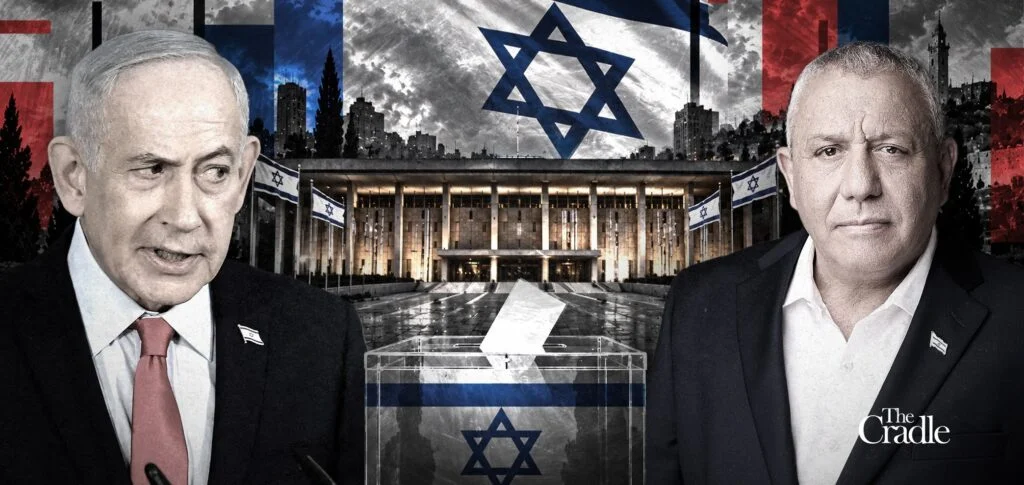
Three signals will show where this is heading first: whether Lieberman or Bennett softens on outside Arab support, which would hand Eisenkot a narrow majority; second, whether Shas breaks from Netanyahu in exchange for a draft compromise; third, whether Likud accepts the certified results or escalates its fraud claims.
The answers will decide more than who sits in the prime minister’s office. They will determine whether Israel emerges from years of war with a government able to make hard choices, and whether Washington gets a partner it can rely on.