
The Israel-Lebanon ceasefire and direct talks offer a rare diplomatic opening. Success requires interim frameworks, state capacity building, sequenced economic-security progress, and sustained US engagement—not overreach toward comprehensive peace prematurely .
The Lebanon Peace Process has reached a pivotal diplomatic opening following the April ceasefire. Success for the Lebanon Peace Process depends on translating high-level talks into a sustained, structured path toward security. Moving the Lebanon Peace Process forward requires addressing state capacity and humanitarian needs. Without disciplined follow-through, the Lebanon Peace Process risks slipping into renewed escalation.
How the Lebanon Peace Process Triggers 7 Critical Realities
Washington has pried open a rare diplomatic opening in Lebanon. The extension of the Israel-Lebanon ceasefire on April 16 and the launch of direct talks mark a potential shift away from unmanaged escalation toward a more deliberate and structured path to stability and, hopefully, a foundation for peace. That opening builds on earlier steps taken by Lebanon’s leadership, which, for the first time in decades, called for direct negotiations and took politically significant measures—from advocating the full disarmament of Hezbollah to advancing economic reforms aimed at stabilizing the state.
It now hinges on whether both Lebanon and Israel can translate this moment into a sustained process. Can this window be seized to build a real process, or will it be overtaken by the same dynamics that have driven repeated cycles of conflict?
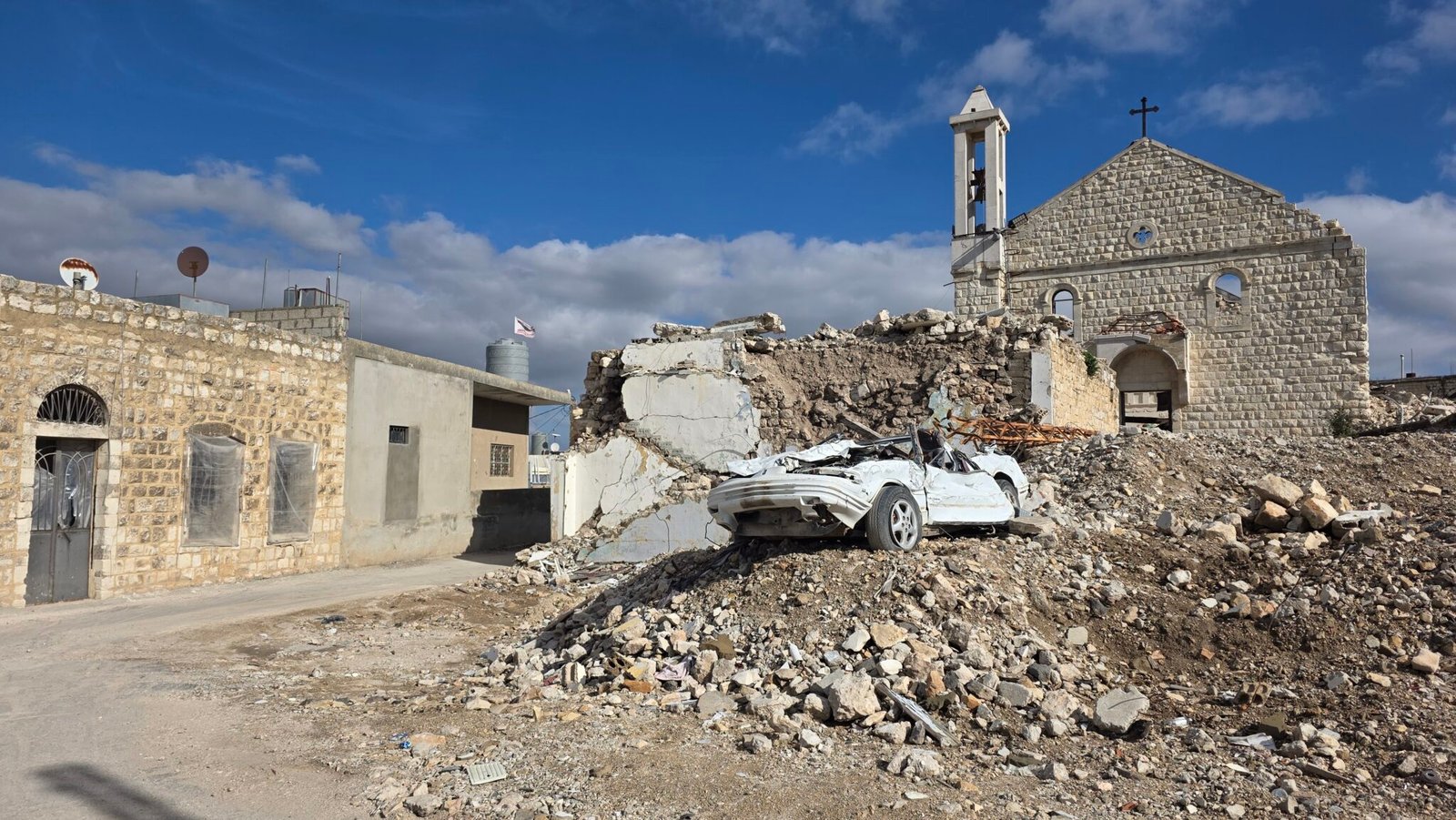
There is no shortage of caution. The ceasefire has not, to date, produced a halt to hostilities. Israeli operations continue unabated, Hezbollah has reconstituted itself and remains active and capable of undermining the process, and the humanitarian situation inside Lebanon is rapidly deteriorating.
Managed Expectations for the Lebanon Peace Process
The precariousness of the moment will shape what comes next—and expectations need to be managed.
The first mistake here would be overreach. A comprehensive “peace” settlement is not yet within reach, so framing success in those terms risks collapsing these talks before they gain traction. The immediate task becomes more basic: hold the ceasefire, prevent escalation, and build the minimum level of coordination needed to move forward.
The second mistake would be to reduce the problem to Hezbollah’s arms without addressing the conditions that sustain it. The debate over Hezbollah’s weapons often overlooks the central constraint that disarmament is not simply a technical objective, but a function of state capacity. Without parallel efforts to strengthen the Lebanese state and its army, attempts to force the issue are unlikely to hold.
Sequencing Stability in the Lebanon Peace Process
That is where sequencing matters. Security, economic stabilization, and political engagement cannot be treated as separate tracks. They have to move together. The erosion of Hezbollah’s social and economic role in parts of Lebanon creates both opportunities and risks. If recovery efforts lag, that space will be filled by the very forces the process is meant to constrain.
Then there is the third conceptual challenge: the absence of a defined end state. A full peace agreement may not be a near-term prospect given domestic sensitivities around normalization, but that does not mean the process should stay open-ended.
There is room for an intermediate step; something that signals a shift away from active conflict without forcing a final settlement, but leaving the door open to a final peace accord. A declaration of principles or an “end-of-conflict” framework could serve that purpose. While it may not resolve core disputes, it would establish direction, provide political cover for Lebanese leadership, and give Israel and the United States a basis for sustained engagement.
Historical Frameworks for the Lebanon Peace Process
This is not a novel approach. In past practice, interim arrangements have marked the end of hostilities and created a pathway forward, long before formal peace agreements were in place. The Egyptian and Jordanian tracks, for example, relied on interim frameworks that structured progress towards final peace settlements. Without such a framework, ceasefires risk becoming open-ended holding patterns that manage instability without resolving it.
None of this works without sustained US engagement. Washington remains the only actor capable of aligning the different pieces—restricting escalation, supporting Lebanese institutions, particularly the army, and sustaining the diplomatic track, a role that requires consistent pressure, coordination with partners, and a willingness to tie support to measurable progress.
President Donald Trump has used his office to signal high-level support and a determination to advance the talks. The next phase will require continued engagement to develop a sequenced strategy with clear deliverables to move the parties toward a durable outcome.
National Burdens within the Lebanon Peace Process
For Lebanon, the burden is different but no less critical. While the government need not resolve every structural problem at once, it must demonstrate intent. Visible steps to strengthen state authority, expand the role of the Lebanese Armed Forces, and implement even limited confidence-building measures—including steps that signal a credible path toward addressing Hezbollah’s weapons—would help sustain international support and reinforce credibility.
Israel has an equally important role to play. Continued military operations, especially in civilian areas, risk undercutting the very diplomacy intended to address its security concerns. Restraint will be essential to preserving the viability of negotiations and creating conditions for a more durable outcome.
In parallel, Israel should consider confidence-building measures that support the process, including clarifying that it has no permanent territorial ambitions in Lebanon and advancing steps such as prisoner exchanges and phased withdrawals.
Finally, the economic dimension cannot be treated as secondary. Lebanon is approaching a deeper crisis, with rising food insecurity and widespread displacement. Any IMF fast-track financing, as is being discussed, may provide short-term relief, but will not address reconstruction needs. Without early recovery efforts, the political track will struggle to hold.
Closing the Window on the Lebanon Peace Process
Washington has helped create this moment—and what follows will depend on whether it is sustained. The opening is narrow and will close quickly without disciplined follow-through by both Lebanon and Israel. Here, the alternative is familiar: renewed escalation, a weakened state, and a crisis that becomes harder to contain.
For Lebanon, the next phase will determine whether a battered country, whose leadership has taken politically difficult steps that could alter the course of the region, will find a partner in Israel to transform the moment into lasting progress or allow it to slip into another missed opportunity.