

The State Department approved a $5 billion Saudi sale with 5,000 bombs while preparing a $2.8 billion package of 40,000 more for Israel, straining stockpiles as Congress weighs resolutions and Houthi gains test the ceasefire.
Washington’s simultaneous approval of major weapons packages for Saudi Arabia and Israel has intensified scrutiny of American stockpiles already strained by years of conflict. US arms sales totaling nearly $8 billion will add five thousand 2,000-pound bombs for Riyadh and roughly forty thousand more for Israel, even as government watchdogs warn of dwindling inventories.
The US arms sales come amid growing bipartisan unease: thirty-six Democratic senators recently opposed a smaller transfer, and conservative commentators now question the scale of these deals. Congress has thirty days to review the Saudi package and fifteen for the Israeli agreement, with any senator able to force a vote. Israeli elections one month away give Prime Minister Benjamin Netanyahu a political incentive to showcase American support. Meanwhile, Houthi advances in Yemen may push establishment voices to argue that Riyadh needs Washington’s help, despite a Saudi-led campaign that killed nearly nine thousand civilians since 2015. A US ceasefire with the Houthis holds for now, but these transfers could test it.
Watchdogs Warn of Dwindling Stockpiles
As government watchdogs warn about dwindling U.S. stockpiles of major weapons systems, the Trump administration is moving ahead with billions of dollars in new arms sales to Saudi Arabia and Israel, adding further demand to U.S. weapons production lines.
Earlier this month, the State Department approved a $5 billion military sale to Saudi Arabia, including five thousand 2,000-pound bombs.
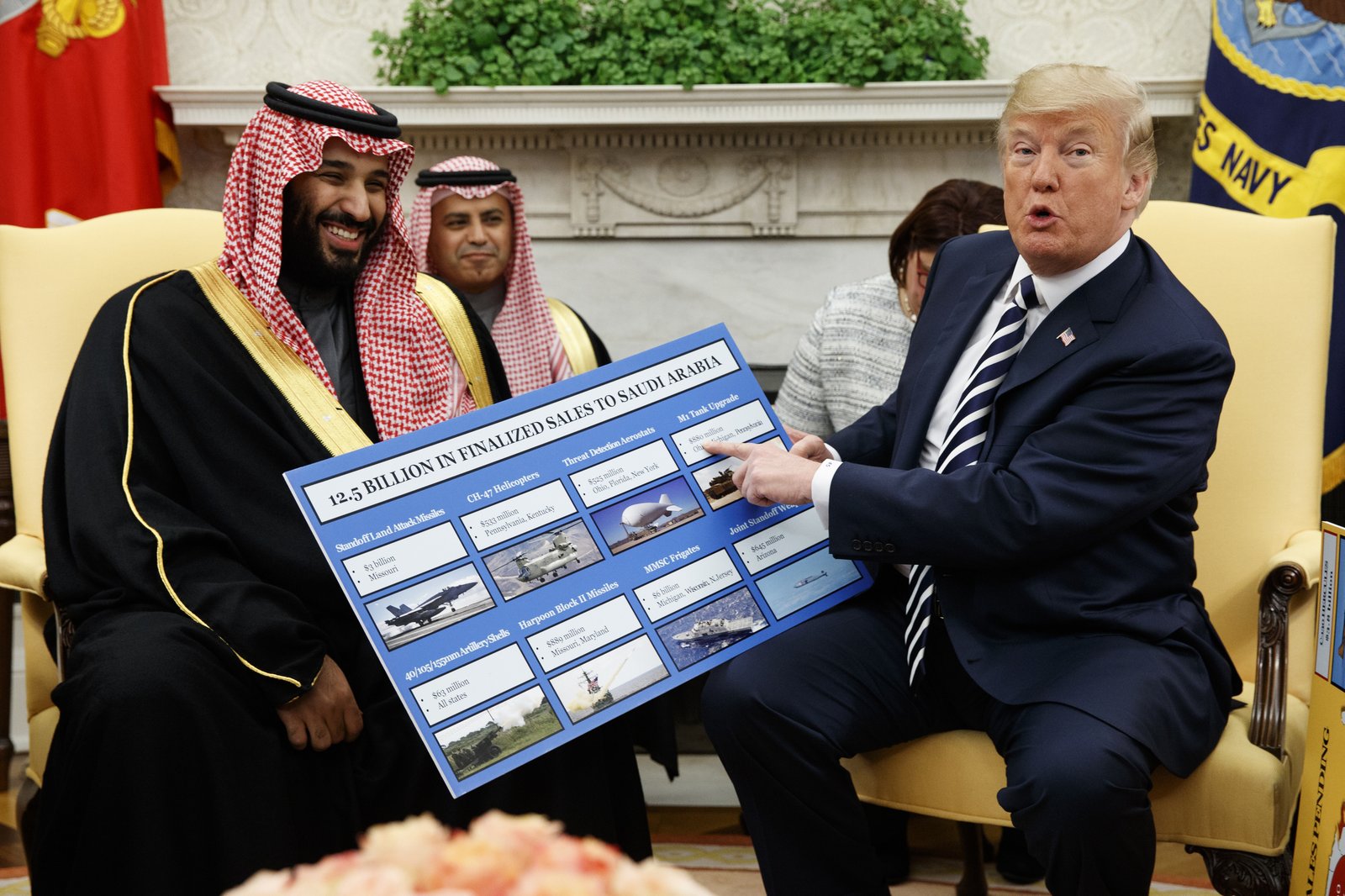
US arms sales to Israel Draw Fire
Then on Tuesday, the Washington Post’s John Hudson reported that the administration was also readying a $2.8 billion package of weapons for Israel, which will also reportedly include some 40,000 2,000-pound bombs, which can spread shrapnel in an area up to 400 yards. Experts have found Israel used such weapons repeatedly during their brutal campaign in Gaza, including for some of the worst attacks on Palestinian civilians.
“The size of the package eclipses previous sales of 2,000-pound munitions to Israel during the Biden administration and the Trump administration, including a controversial $2.04 billion sale in 2025 that bypassed the normal congressional review process,” according to the Post. The deal will also reportedly be funded using U.S. taxpayer dollars.
Congress Gets 30 Days to Review
Congress will have 30 days from the date of notification to review the Saudi sale, and, once the body is formally notified, 15 days to look over the Israel agreement. During that timeframe, any senator can force a vote on either deal via a joint resolution of disapproval.
“I would be surprised if there isn’t something introduced on both fronts,” a senior Democratic Senate staffer told RS.
The announced sale to Israel comes as U.S. weapons transfers to Israel have become increasingly contentious among congressional Democrats and overwhelmingly unpopular among the party’s voters.
Earlier this year, 36 Democratic senators backed a resolution aimed at blocking a $150 million sale of 1,000-pound bombs to Israel, a number that has steadily increased since the start of the Israeli war on Gaza in 2023.
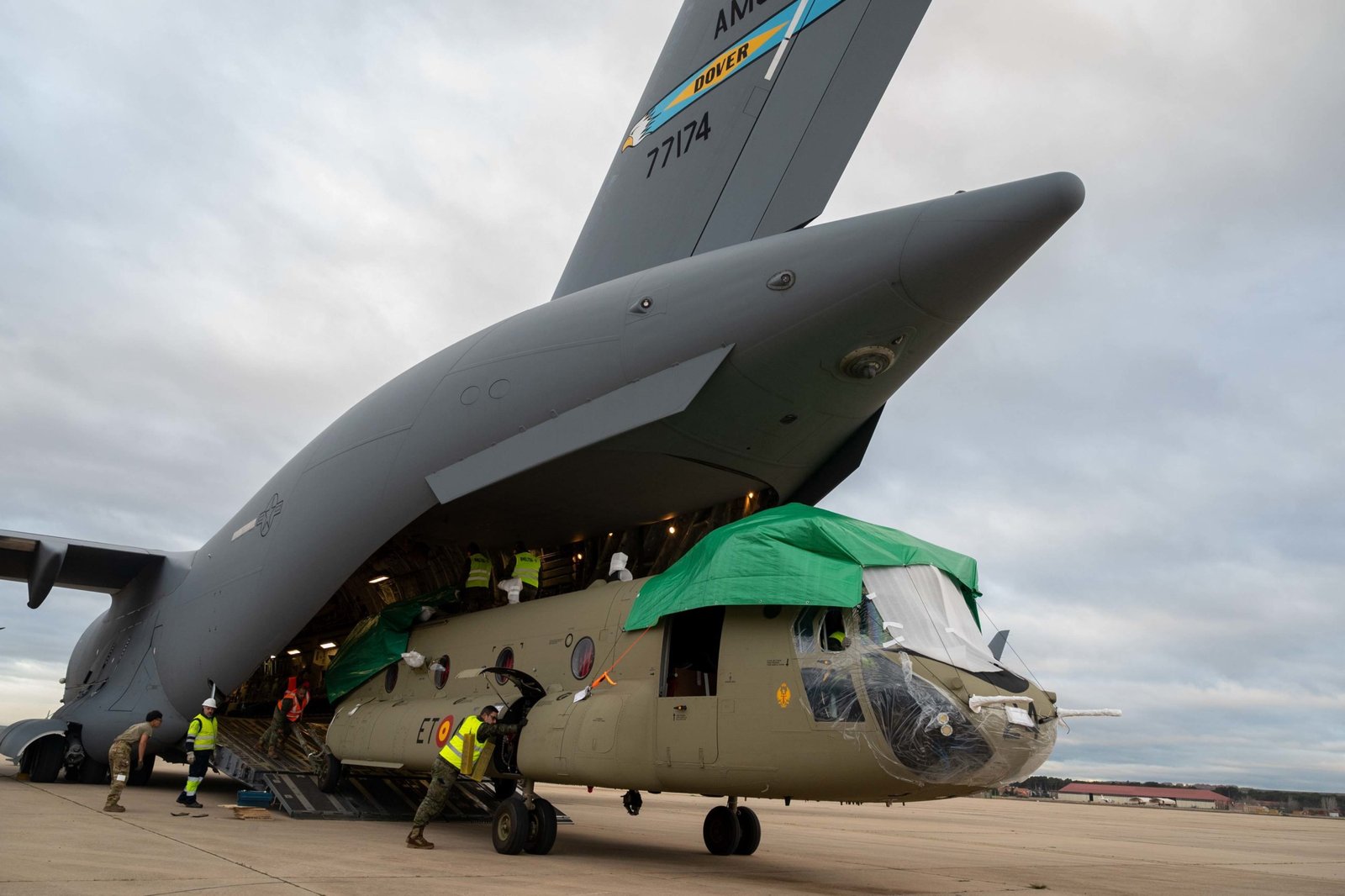
Can Bipartisan Anger Block the Deals?
There is evidence of growing bipartisan dissatisfaction with the U.S.-Israel relationship. Minutes before the Post report, right-wing commentator Tucker Carlson posted on X that “an informed federal official” had told him the administration was preparing to announce a massive arms deal, saying there was “no precedent” for the size of the transfer.
“The 40,000 new bombs the Trump administration is sending will be used to do the same in Lebanon [as they did in Gaza], and likely in other countries in the region,” Carlson wrote “If you wanted to extend the Iran war into the indefinite future, this is exactly what you’d do. “
But the Trump administration has shown little willingness to oppose Israel or rein in the country’s prime minister, Benjamin Netanyahu. And from the Israeli leader’s perspective, sources say, the timing of the announcement is logical.
“I think the timing makes a lot of sense when you consider that the elections in Israel are a month away,” the Senate staffer told RS. “What better scalp for Netanyahu to come show than ‘look at what I got the Americans to do, they gave us another almost $3 billion.’”
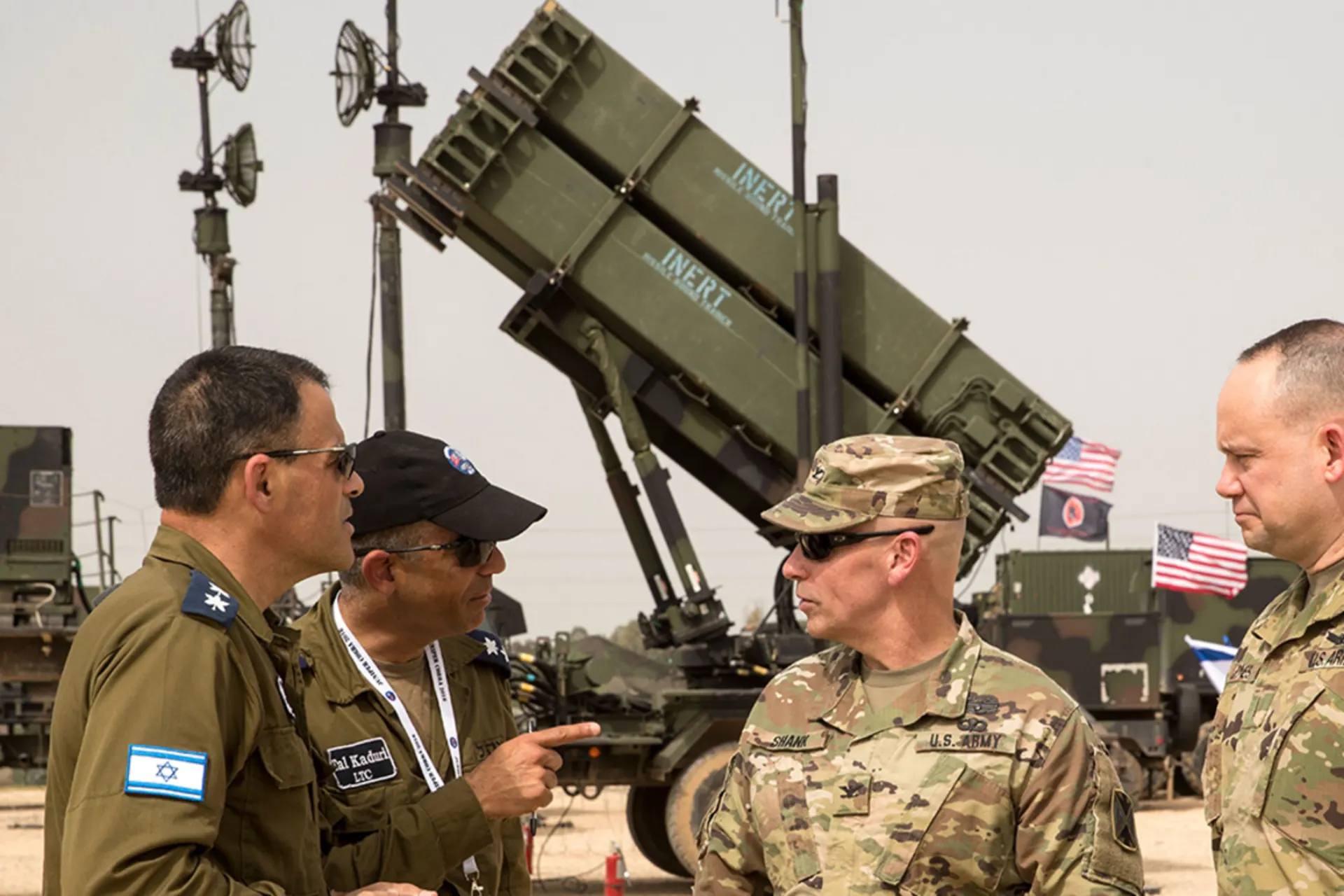
US arms sales Face Yemen Test
Scrutiny on the sale to Riyadh is also likely to increase given the recent acceleration of the conflict in Yemen and on the Red Sea. The Houthis, known formally as Ansar Allah, have made rapid gains across the country.
“More establishment folks might push back because of the Ansar Allah advancements and say that the Saudis need our help on this,” the Senate source said.
But the new campaign follows years of unsuccessful Saudi-led military intervention in Yemen. From 2015 until the two sides reached a truce, the Saudi-led, U.S.-backed coalition carried out more than 24,000 air attacks in Yemen, killing almost 9,000 civilians.
Washington has been in a ceasefire with the Houthis in May 2025 after a monthslong military campaign proved ineffective. Both sides have so far appeared to abide by the agreement even as the conflict has intensified, though a major new U.S. weapons package for Saudi Arabia that deepens Washington’s support for Riyadh’s renewed campaign could test that arrangement.