
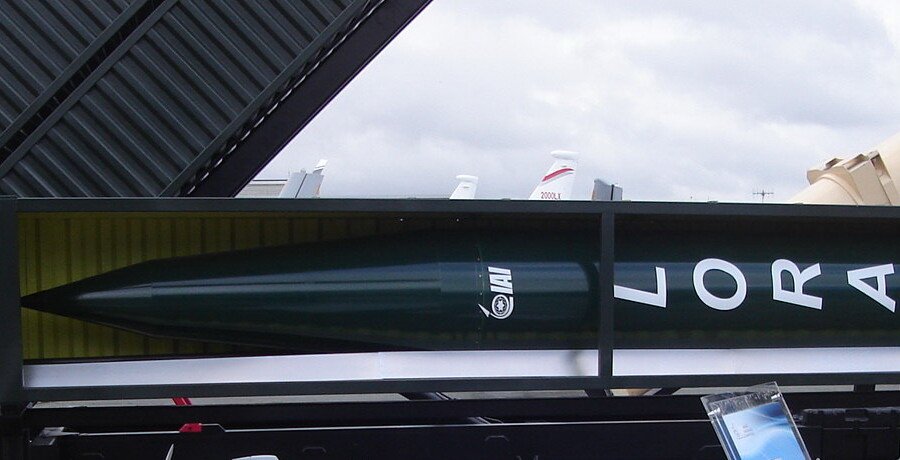
Germany tested an Israeli-made LORA missile while Israel received a German Dolphin II submarine. These parallel moves deepen naval cooperation amid Russian aggression in Europe and Iranian threats to Israel.
The Germany-Israel defense ties now center on naval power because both states face adversaries that demand credible long-range strike and deterrence capabilities. Germany’s successful test launch of an Israeli-made LORA ballistic missile from the F125 frigate Sachsen-Anhalt in the North Atlantic signals Berlin’s intent to project precision firepower far beyond its coastal waters. Simultaneously, Israel’s receipt of its third Dolphin II-class submarine, the INS Dragon, extends Jerusalem’s ability to operate undetected for longer periods and strike targets at strategic distance. These developments are not isolated procurements.
They reflect a deliberate alignment of German industrial strength with Israeli combat-proven technology, shaped by deteriorating security on both flanks of Europe. Russia’s hybrid campaign—including drone incursions and sabotage—has pushed Berlin to accelerate defense modernization. Israel, facing threats from Iran and its proxies, requires submarines capable of sustained operations near hostile shores. Yet the Germany-Israel defense ties also carry implications for Washington. As the United States reduces its military footprint in Europe, it increasingly needs allies who can independently deter shared adversaries. Naval power, with its mobility, survivability, and offensive reach, offers both nations a practical answer to the strategic problem of distance and vulnerability.
Why Germany-Israel Defense Ties Matter Now
Amid acts of Russian sabotage throughout Europe, NATO announced Wednesday that Germany completed a test launch of an Israeli-made ballistic missile in the North Atlantic. The test followed Tuesday’s transfer of a German-made submarine to Israel as the two countries continue increasing their defense ties.
The moves come as Washington continues to press Berlin and other European allies to “take primary responsibility for the defense of Europe” while dangerously reducing America’s military force posture on the continent. For Israel, increasing its ability to project naval power will bolster deterrence as it faces continued threats from Tehran.
Germany Tests a New Missile
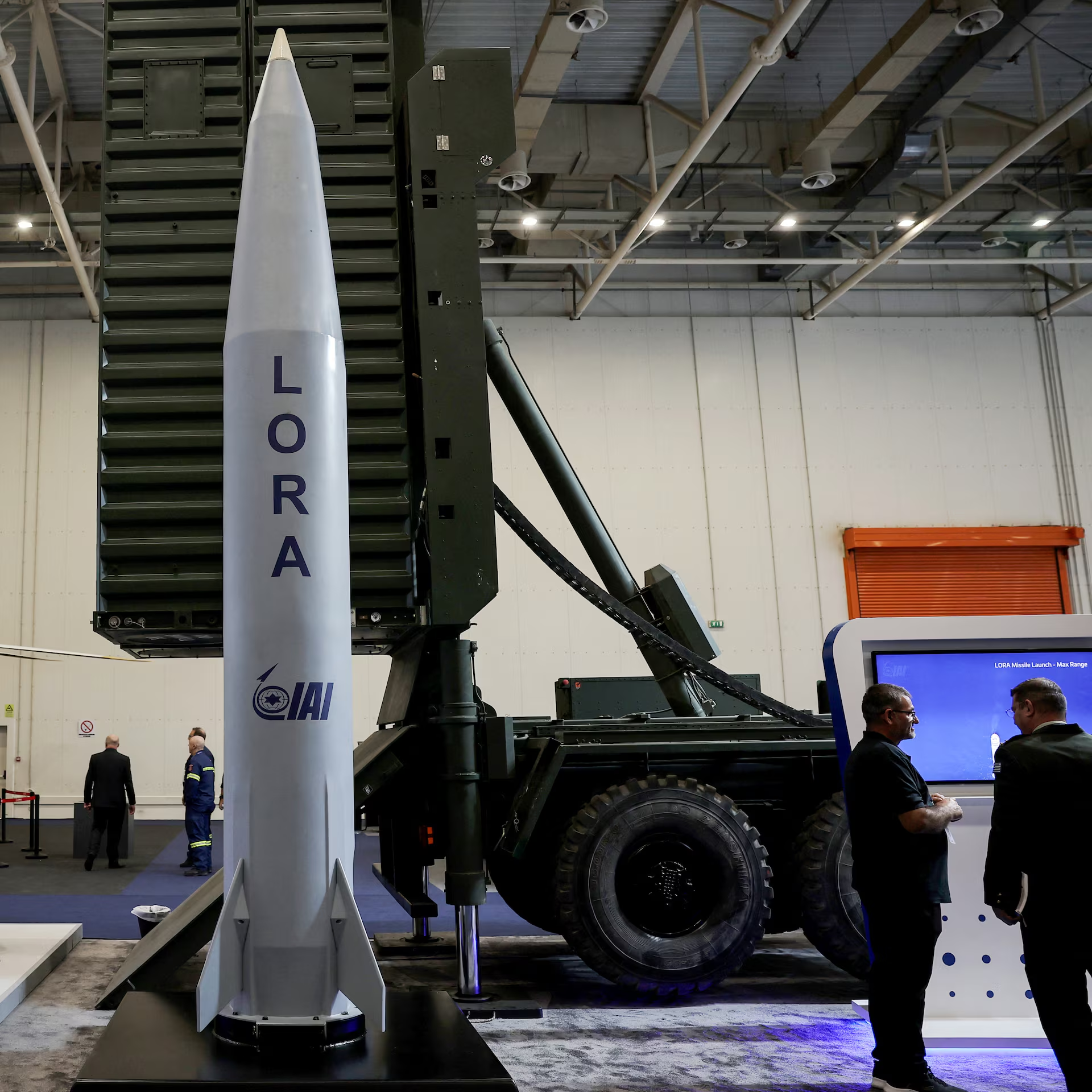
Germany’s test launch was of the Israeli-made Long-Range Artillery Weapon System (LORA), which is a precision-strike tactical ballistic missile launched from the ground or sea and is capable of engaging targets from 90 km to 430 km. The test reportedly involved two missiles being fired from the F125 frigate Sachsen-Anhalt. According to Bloomberg, German Vice-Admiral Jan Christian Kaack stated that the test “marks a new chapter in deterrence and defense readiness at sea” for Germany and its allies. German efforts to field greater long-range strike capabilities are part of Berlin’s larger defense revival, which has seen Berlin translate more of its economic power into increased defense spending and fielding combat capabilities.
What Makes the Dolphin II Special
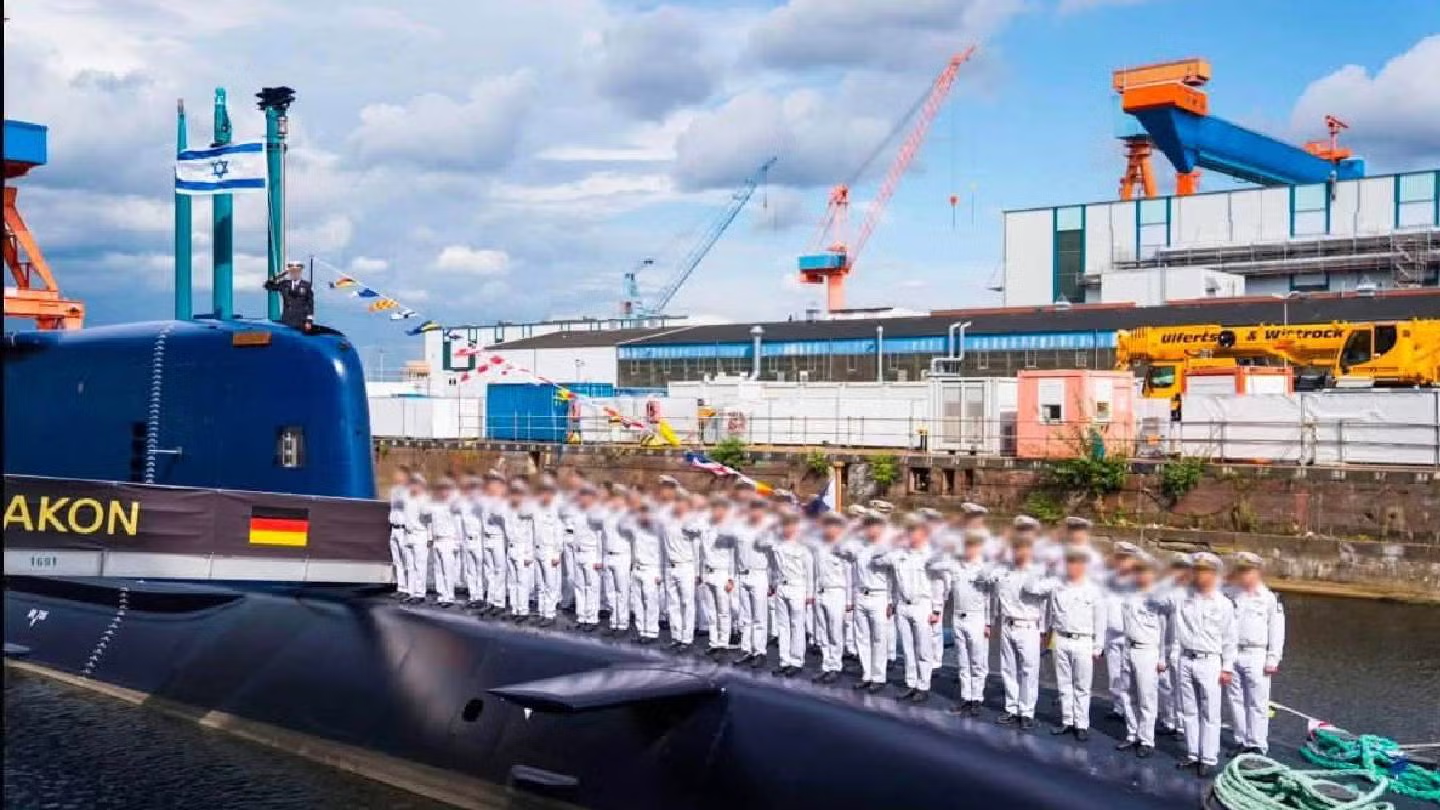
Meanwhile, Israel’s third German-made Dolphin II-class submarine departed Germany’s Kiel shipyard for Israel on September 1. The departure was accompanied by an unspecified “security operation” alongside German security forces according to the Israel Ministry of Defense (IMOD), possibly alluding to the LORA missile test.
Notable for its air-independent propulsion (AIP) system, which allows for significantly longer submersions, the Dolphin II can reportedly travel thousands of miles on the surface and hundreds of miles submerged. The submarine can launch cruise missiles and torpedoes. The IDF announcement noted that this would be Israel’s sixth submarine overall, and Israeli Naval Commander Maj. Gen. Eyal Harel stated that the INS Dragon will operate “far from home,” an apparent reference to potential operations near Iran.
Deals Deepen Despite New Threats
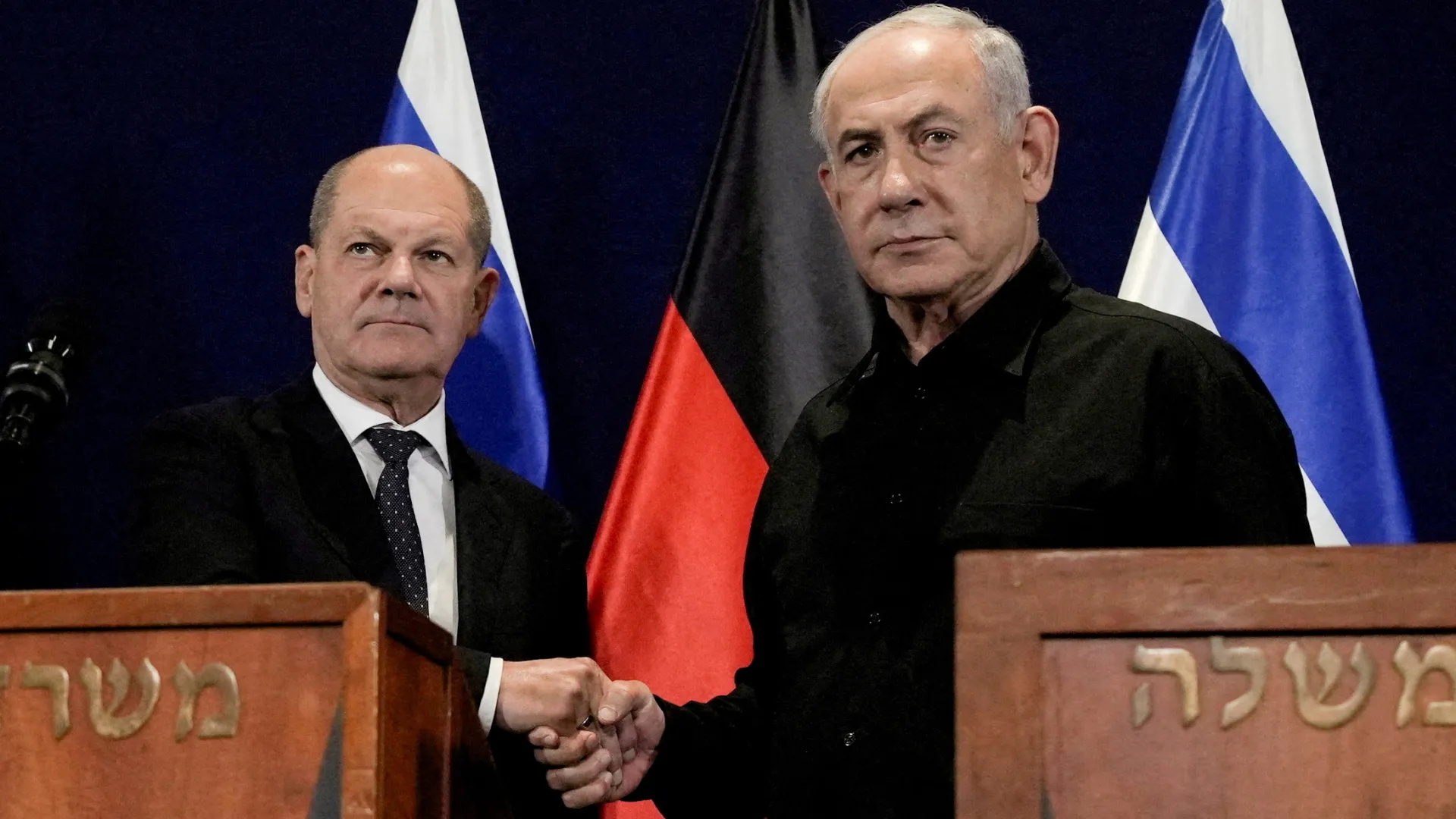
At the INS Dragon’s departure, IMOD Deputy Director General and Head of the Directorate of Operations Ze’ev Landau stated that the two countries were “entering a new chapter in cooperation.” The growing defense ties between Berlin and Jerusalem include the 2025 German purchase of the Israeli Arrow 3 ballistic missile interceptor in a $3.6 billion defense deal. Then, in February 2026, the German Army and Israeli Ground Forces signed their first cooperation agreement aimed at strengthening collaboration and knowledge sharing on doctrine, training, and professional development.
This deepening cooperation comes at a time of increased threats for both nations. Europe faces increasing Russian aggression, including a series of drone incursions along NATO’s eastern flank. Most recently, Berlin attributed an August 4 attempted drone attack on Leipzig airport to Moscow as part of the Kremlin’s larger hybrid and sabotage campaign against Europe. Meanwhile, Israel remains on high alert regarding threats from Iran, Lebanon, and Gaza.
Germany-Israel Defense Ties Need Support
China, Russia, Iran, and North Korea are pursuing increasing levels of cooperation, exacerbating threats to American interests, allies, and partners. This Axis of Aggressors demonstrates that America’s adversaries appreciate the value of partners. Washington should, too.
Countering the Axis of Aggressors
Ensuring that allies and partners such as Germany and Israel retain the ability to defend themselves against shared adversaries is essential to countering the Axis and protecting American interests. But these acquisitions are not enough. Washington should work with Berlin, Jerusalem, and other allies and partners to address acute munitions shortages while bolstering the U.S. defense industrial base and that of allies in Europe and elsewhere.
Likewise, Washington should encourage increased cooperation among its allies and partners by establishing a Frontiers of Freedom Forum to distribute combat-proven technology and lessons learned in American, Ukrainian, and Israeli combat operations to their military forces and to other partners, including South Korea, Japan, Taiwan, and NATO allies.