
Congress faces a ninety-day window to object to a US-Saudi nuclear agreement. Saudi reactor vulnerability remains unresolved amid regional attacks, limited missile defenses, and spent fuel risks that could trigger mass radiological release.
Saudi reactor vulnerability has been conspicuously absent from the debate over the proposed US-Saudi civilian nuclear cooperative agreement now before Congress. Energy Secretary Chris Wright asked lawmakers last Monday to approve the pact, triggering a ninety-day window after which reactor exports to Saudi Arabia could proceed unless Congress objects.
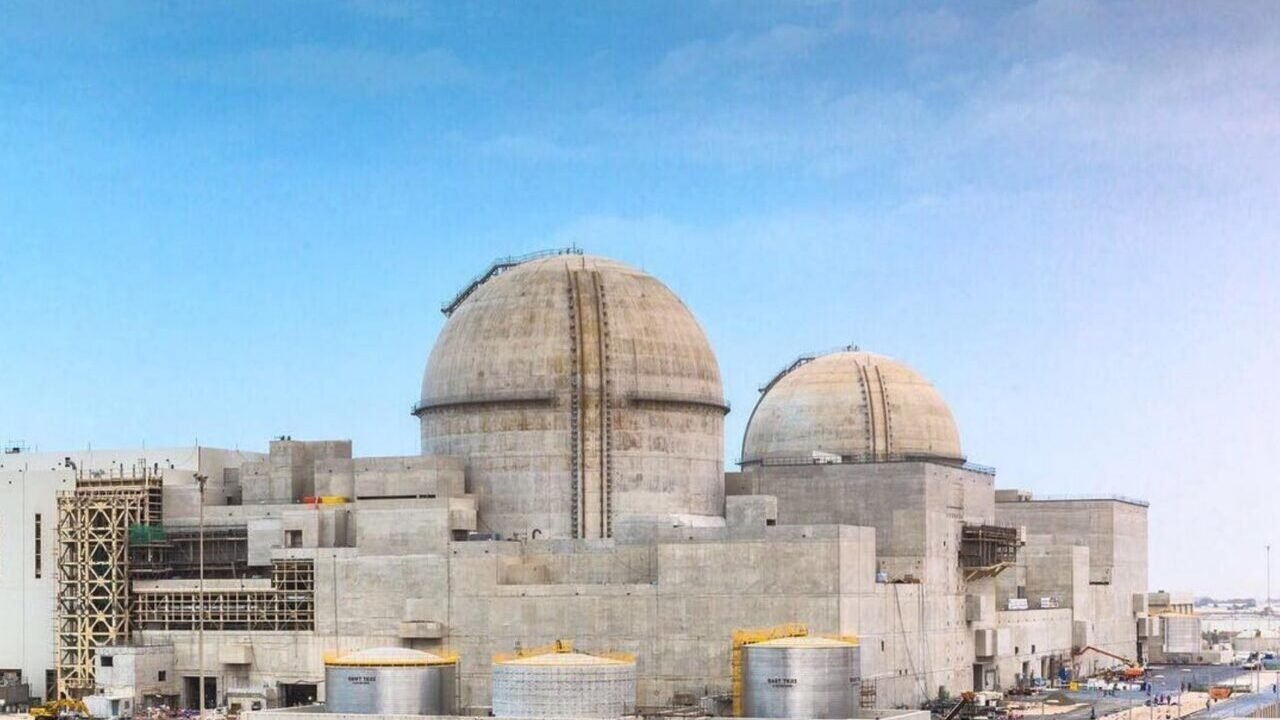
That timeline forces an urgent examination of whether nuclear infrastructure in a war zone can survive deliberate attack. The historical record offers little comfort. From 1980 to 2007, Israel, the United States, Iran, and Iraq struck reactor sites on at least thirteen separate occasions. Recent events deepen the concern: Iranian drones hit auxiliary diesel generators at the UAE’s Barakah plant in May 2026, and Iran claims US-Israeli forces attacked near Bushehr four times.
In this environment, the absence of serious attention to Saudi reactor vulnerability is striking. Saudi Arabia plans at least one plant, possibly sixteen, and insists on enriching uranium domestically. Yet passive defenses, hardened concrete, and active air defenses offer only partial protection against ballistic missiles. Congress must weigh whether Saudi reactor vulnerability can be mitigated before approving exports that could place millions at risk.
Saudi Reactor Vulnerability Demands Scrutiny
Last Monday, Energy Secretary Chris Wright asked Congress to approve a US-Saudi civilian nuclear cooperative agreement. The clock is ticking. Ninety days hence, the United States could be exporting reactors to the Kingdom unless Congress objects to the deal.
Why Russia Cut Bushehr Staff
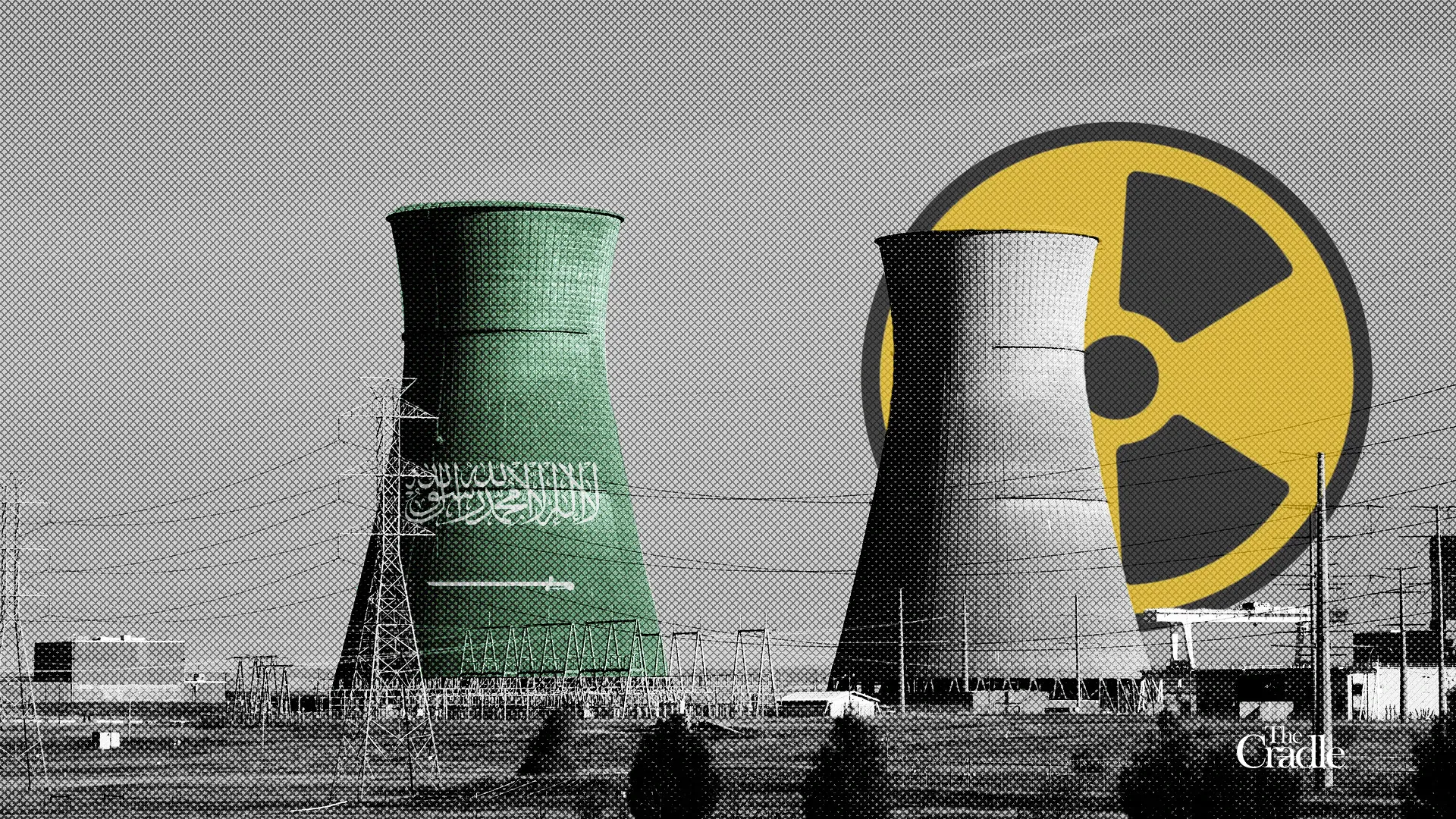
Before Congress approves such exports, though, it should examine why so few Russians are managing Iran’s current nuclear energy operations. Once the war began in late February, Russia removed nearly all of its 600 staff from the Bushehr nuclear power plant. Last month, Russia cautiously increased its staff numbers, but only to 42. Its wariness is not without cause.
Can Nuclear Plants Survive Assault
On May 17, 2026, Iranian drones struck auxiliary diesel generators at the United Arab Emirates’ Barakah nuclear power plant in Al Dhafra. Earlier, Iran claimed US-Israeli forces attacked in or near the Bushehr nuclear plant site four times.
These strikes follow a pattern. From 1980 to 2007, Israel, the United States, Iran, and Iraq attacked reactor sites on at least 13 separate occasions. This year and last, the United States and Israel attacked Iran’s nuclear fuel-making activities.
Saudi Plans Face Attack Risk
Given this history, Riyadh and Washington have to worry that nuclear facilities built in the Kingdom, which is now in a war zone, might also be hit. Saudi Arabia says it’s planning to build at least one nuclear power plant, and industry experts still hope the Kingdom might build up to 16, including several small modular reactors. Riyadh is also intent on enriching uranium on its soil.
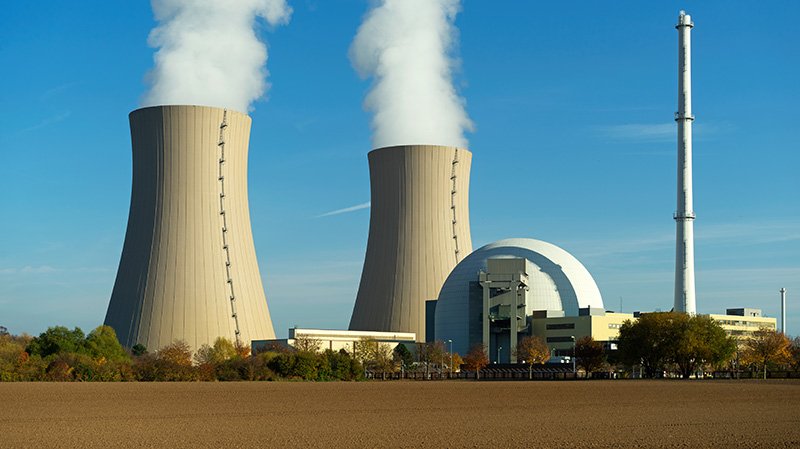
Yet, if history is any guide, all of these projects are potential military targets. Can they survive assault? It’s unclear. Certain portions of the plants could be passively defended against drone attacks, much as the United Arab Emirates recently protected its major oil storage tanks with bird caging or metal “cope cages.” Ukraine uses such caging to protect its large reactors against Russian drone attacks.
Defenses Have Clear Limits
Ukraine has also hardened portions of its electrical supply system, which is essential to provide a steady supply of electricity to keep its reactors’ cooling and safety systems running smoothly. This includes hardening key transformers and maintaining spare parts on hand to replace components that get hit. It has also created an electrical system repair corps to get Ukraine’s power systems back up and running in a reasonable amount of time.
Ukraine, Iran, and Belarus employ active air defenses to reduce air-breathing missile threats to their nuclear plants. But none of these defenses can be counted upon to protect against ballistic missile strikes.
Saudi Reactor Vulnerability Still Unresolved
In the case of Westinghouse’s AP-1000 reactor (which the Saudis may likely buy), the containment building and the reactor’s separate spent fuel storage facility are hardened to 6,000 pounds per square inch. This is hard, but the storage facility could and should be hardened with ultra-high performance concrete, which can resist pressures up to 40,000 pounds per square inch.
If the spent fuel storage building is hit and prompts a major radiological release, it could force the evacuation of hundreds of thousands or even millions of people. Such a catastrophe is conceivable: ballistic missiles with penetrating warheads can pierce concrete hardened to 30,000 pounds per square inch.
The US Research Council has also long recommended installing emergency spray water coolers within the storage pond buildings. This would prevent spent nuclear fuel fires that would otherwise occur if the storage pond is hit and consequently drained.
Congress Must Confront the Risks
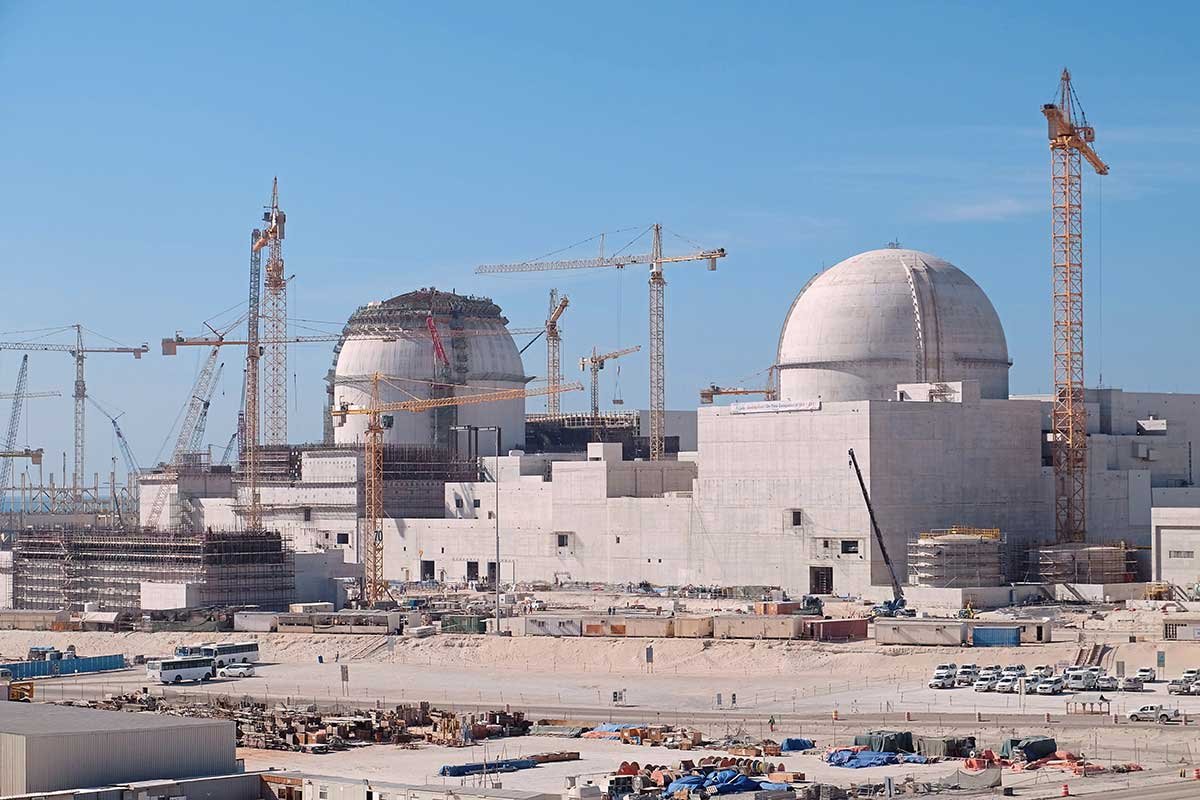
These are only some of the measures one might take to protect existing or planned nuclear power plants in Saudi Arabia. Ultimately, it is unclear if they will be enough to avoid the worst-case scenario—a major wartime radiological release.
So far, there has been little public discussion about how best to deal with these vulnerabilities. If the Kingdom weren’t so sun-, gas-, and oil-soaked or didn’t have as many geothermal prospects, building nuclear power would be imperative, even if it were risky. None of this, however, is the case, and Saudi nuclear plants also present obvious nuclear proliferation concerns.
Any serious review of the US-Saudi nuclear cooperative agreement would grapple with all of these issues. So far, our government hasn’t; Congress should.