
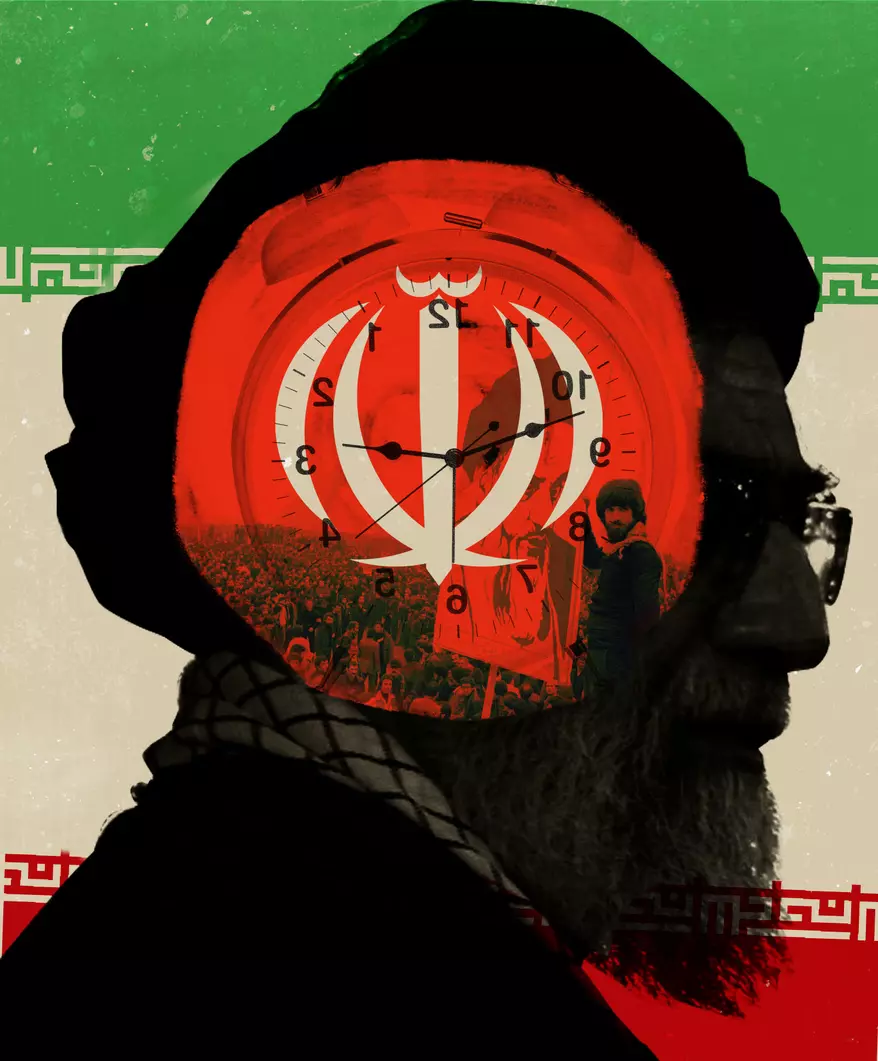
Iran hostage crisis defines the conflict
At a rally in Michigan last Saturday for Senate candidate Abdul El-Sayed, former President Barack Obama called the conflict with the Islamic Republic of Iran “an unnecessary war.”
He apparently dates hostilities as starting this year on Feb. 28, or, at the earliest, last June. He’s off by nearly 47 years.
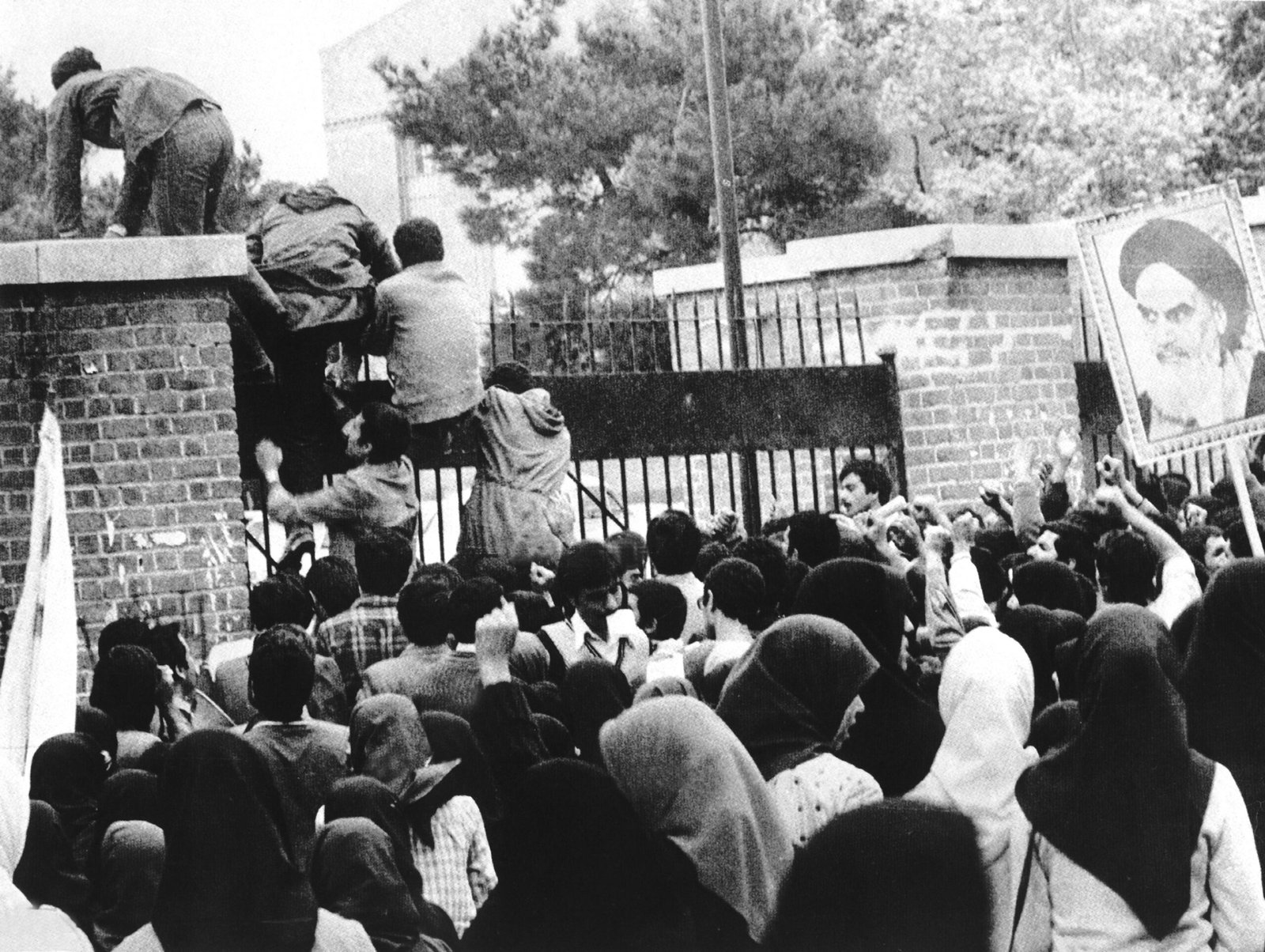
This war began on Nov. 4, 1979, when Islamic militants stormed the U.S. Embassy in Tehran and held 52 Americans hostage for 444 days.
Khamenei’s doctrine drove escalation
The leaders of the Islamic Republic of Iran made their war aims plain. Their 1979 constitution gives the army and the Islamic Revolutionary Guard Corps the “ideological mission of jihad in God’s way,” which it defines as “extending the sovereignty of God’s law throughout the world.”
Three years ago next week, then-Supreme Leader Ali Khamenei emphasized to his followers in a televised address: “When you chant ‘Death to America!’ it is not just a slogan – it is a policy.”
By June 2025, the regime was dangerously close to acquiring nuclear weapons – within six months with near certainty according to the Institute for Science and International Security. That’s when Israel and the U.S. struck the regime’s nuclear and missile sites and its war-industrial complex in what became known as the 12-Day War.
Strikes killed Khamenei in February
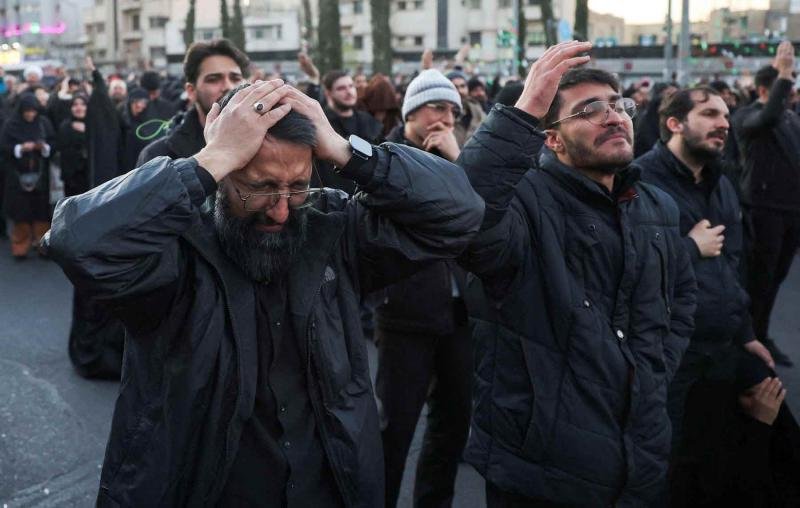
Despite the beating, Mr. Khamenei’s revolutionary ardor remained firm. On Feb. 28, the start of what became known as the 40-Day War, massive joint U.S.-Israeli strikes killed him at his compound in Tehran. The Institute reports that among the weapons-related sites hit was the Lavisan 2/Mojdeh complex the regime had begun rebuilding after the 12-Day War.
The day after Mr. Khamenei’s death, Mr. El-Sayed, the candidate Mr. Obama rallied for in Michigan, told campaign staff, according to leaked audio: “There are a lot of people in Dearborn who are sad today.”
Nearly eight months on, Mr. Obama asks: “How’s that war going?” The Institute believes the two rounds of strikes left Tehran facing a much more difficult path to obtaining a nuclear bomb: nine months, a year or even two, with success far less certain.
Tehran rebuilds while Washington debates
Nevertheless, those now ruling Iran have demonstrated no inclination to make peace – or even meaningful concessions. And satellite imagery from September and October, the Institute reports, shows the regime rapidly rebuilding a site at Parchin – linked to nuclear-weapons development and destroyed in March – and renewing activity at another site outside Tehran.
Iran’s current rulers have attacked U.S. military bases in the region, launched drone and missile strikes at their Arab neighbors, and escalated attacks on commercial shipping around the Strait of Hormuz to a record 28 this month, according to a Washington Institute tally.
They’re assisting the Houthi rebels in Yemen, who are determined to control the Bab al Mandab chokepoint and this month hit Riyadh’s airport with a missile, killing a dozen people, including at least one American.
Iran hostage crisis logic returns at sea
At present, the war is being fought mainly at sea and in energy markets. A U.S. naval blockade has choked the regime’s oil exports, and Treasury Secretary Scott Bessent says it now has negative cash flow. Americans are paying a price too: gasoline averages $4.29 a gallon, up from under $3 before the war, though down from this year’s peak and well below the 2022 record.
We don’t know when the war will end. Nor can we predict with assurance who will win it. On both questions, as they say, the enemy gets a vote.
And remember: Tehran is receiving military, economic, and diplomatic support from Moscow, Beijing, and Pyongyang.
这就引出我的主要观点:尽管这场斗争现在已很艰难,但如果特朗普总统决定任由威胁增长——把问题留给未来的白宫居住者来处理——情况会变得更加棘手。
奥巴马的JCPOA记录受到审视
这正是特朗普的前任在近半个世纪里所做的:以有限打击、制裁或协议来回应挑衅,即便据五角大楼称,受德黑兰支持的武装分子在伊拉克至少杀害了603名美军士兵。
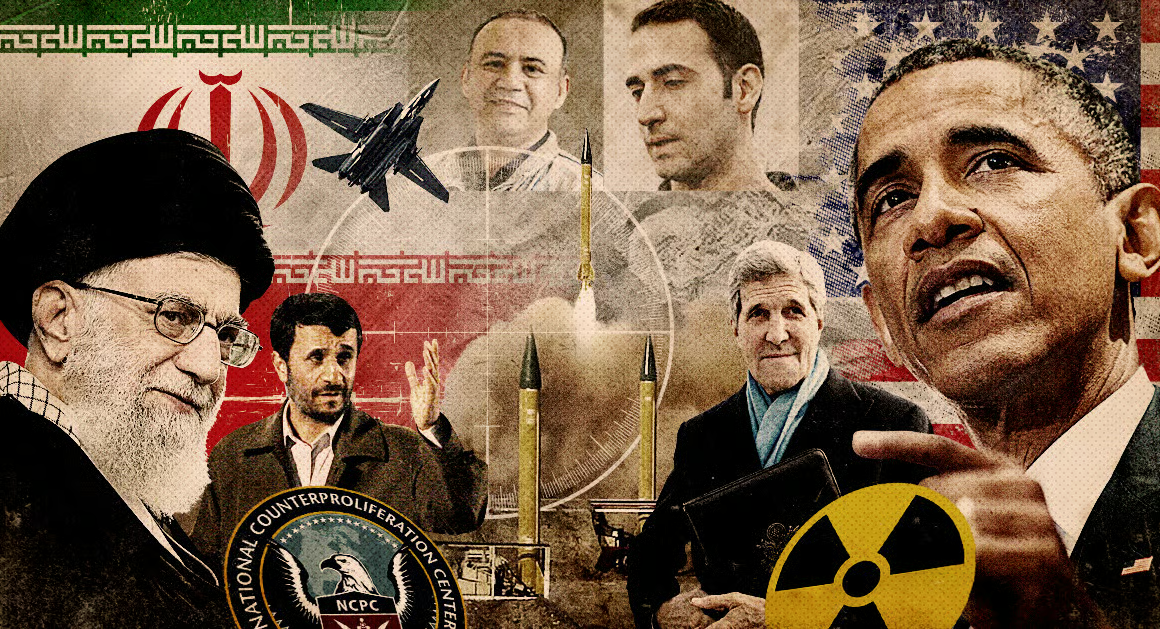
奥巴马说:“我不需要发射导弹。我选择了外交。”但他的外交以2015年《联合全面行动计划》(JCPOA)告终,该协议以减缓其核武器计划的承诺换取了哈梅内伊数十亿美元——这一承诺无法由被禁止进入军事场所的检查员完全核实。
关键限制将分阶段在2030年前“终止”,使得德黑兰在短时间内便能冲刺进入核武器俱乐部的行列——这一切都在规则之内。
根据JCPOA,德黑兰也可以建立工业规模的导弹与无人机军备——其规模超过了美方及其盟友依赖的那些单价数百万美元的拦截导弹所能摧毁的数量。该政权并未被阻止、甚至未被严肃劝阻去向其在黎巴嫩、伊拉克、叙利亚、也门和其他国家的恐怖代理人分配资金和武器。
核保护伞将改变海湾局势
奥巴马说伊朗“现在对霍尔木兹海峡拥有否决权。”正如近期袭击所示,它确实可以扰乱该处航运。但那只是预演,而非最坏情况。一个拥有导弹与无人机战略保护伞的核武装伊斯兰共和国,可能将该水道一劳永逸地变成它的私人湖泊。
届时,难道那些富含石油的逊尼派阿拉伯海湾国家不必与美国切断关系,向德黑兰低头吗?
奥巴马称这场战争是非必要的。其他人称之为“选择之战”。但替代方案将会是之后的一场“必要之战”——一场我们背水一战的战争。
来自德黑兰的威胁一直如同癌症。选择不作为只会让这一威胁转移和扩散,使未来政府采取最终治疗变得更加困难、痛苦和昂贵——甚至可能根本无法实现。