
Shi’a Power Sharing Under Strain
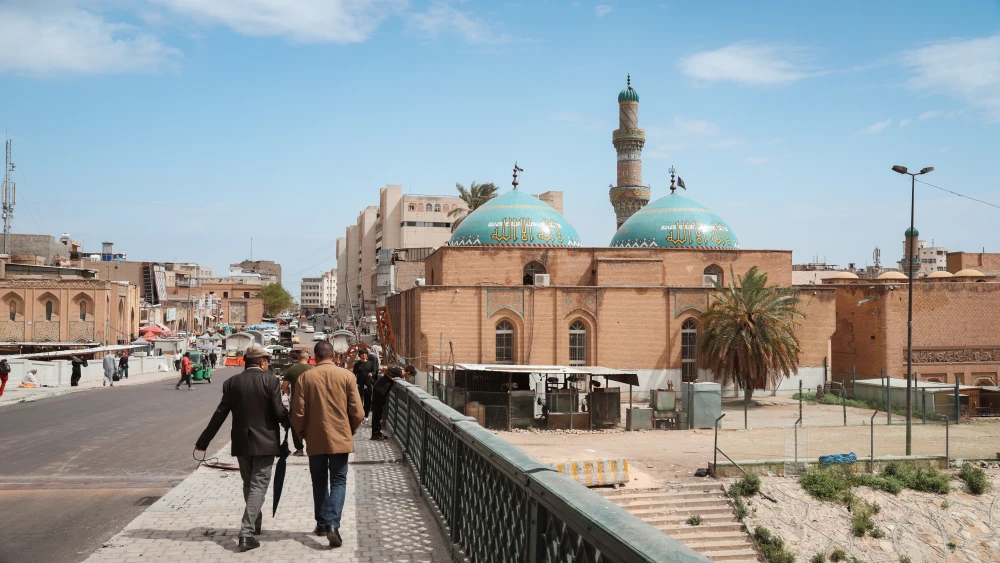
On October 20, 2026, Israeli Prime Minister Benjamin Netanyahu said he had discussed removing Iran’s regime with President Donald Trump. What might happen if Iran’s Islamic Republic collapses? Certainly, real regime change in Tehran could trigger an Iraqi crisis if militias, cleric Muqtada al-Sadr, and the religious establishment in the Shi‘i shrine city Najaf converge to preserve Shi‘a control of government or support a separatist southern entity.
There are warning signs. On March 4, 2025, Hussein Mounis of the Kata’ib Hezbollah-linked Hoquq bloc proposed independence for nine Shiite-majority provinces if Shi‘a lost power in Baghdad. As former Prime Minister Nouri al-Maliki has noted, that partition would leave oil wealth in Shi‘i hands. Their remarks revived a 2005 proposal for a southern Shi‘i region, albeit though constitutional federalism rather than secession.
Under conventions entrenched after the 2003 U.S. invasion, Shi‘a hold the premiership, a Sunni Arab serves as speaker, and Kurds take the presidency, although the constitution mandates no such allocation. The 2006 Iraq Study Group reported that Grand Ayatollah Ali al-Sistani encouraged Shi‘i political unity within Iraq.
Najaf, Sadr and Militia Power
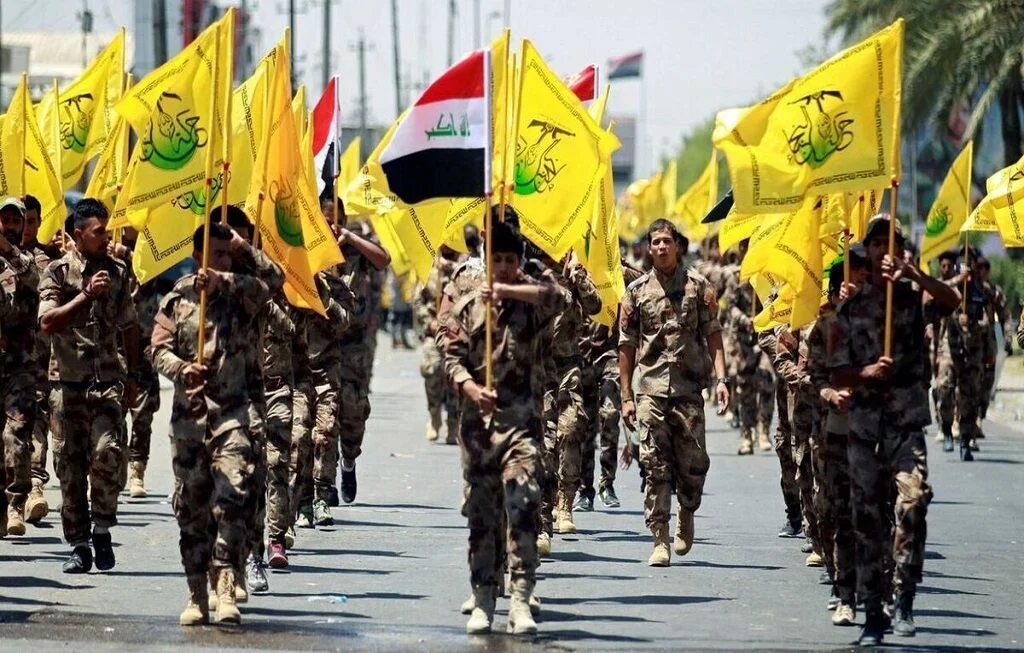
In 2014, the Islamic State’s conquest of much of northwestern Iraq prompted Sistani to issue a fatwa mobilizing Shi‘a, Sadr to form the Peace Brigades, and intervention by Iran-backed factions. Their motives differed, but they jointly confronted a threat to Baghdad and the Shi‘i shrine cities.
The 2019 protest movement posed a different challenge. The clerical establishment pressed Prime Minister Adil Abdul Mahdi to resign after Sistani’s representative warned that political dominance could pass to other communities. Sadr-linked “Blue Hats” attacked protesters; witnesses attributed seven deaths in Najaf in February 2020 to Sadr-linked gunmen, according to United Nations reporting. Militias also used lethal force. Badr Corps leader Hadi al-Amiri praised factions for confronting what he called the “October sedition” and preserving the political order, without admitting killings. The government fell, but Shi‘i control of the premiership survived.
伊斯兰共和国通过伊斯兰革命卫队对政治派别和商业网络的支持维持了这一秩序。德黑兰政权崩溃不会抹去伊拉克权力结构:纳杰夫仍将保有宗教影响力,萨德尔仍将指挥追随者,而伊朗支持的民兵仍将掌握武器、数亿美元资金和制度性杠杆。对失去总理职位的担忧可能促使对手之间进行合作。
伊拉克分裂讨论重提旧方案
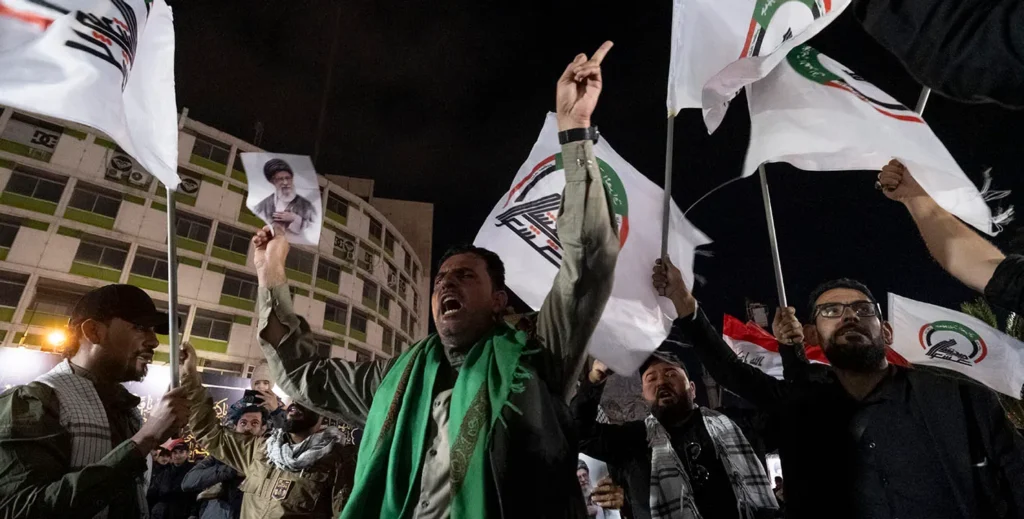
另一种选择是收缩到南部地区,该地区拥有油田、港口、出入境口岸以及圣陵城市纳杰夫和卡尔巴拉。对所有这些收入的控制可以在没有德黑兰的情况下支持民兵自治。
伊朗政权的崩溃也可能导致中国支持一个在伊拉克南部由民兵主导的实体以保护其利益,特别是在北京需要替代与伊朗的伙伴关系时。中国在伊拉克油田的利益可能为确保替代性影响来源并保证油料供应不间断提供经济动机。中国的支持可以提供经济和政治 backing,增强南部地区的生存能力,并将伊拉克潜在的分裂变为华盛顿与北京之间的竞争场域。
对于海湾阿拉伯君主国来说,一个武装的南部飞地可能类似胡塞武装在波斯湾北岸造成的挑战。
华盛顿的裁军时间表延后
这一可能性暴露了美方特使Tom Barrack和国务卿Marco Rubio所采取方法的战略盲点。华盛顿同意将把民兵武器纳入国家控制的最后期限延长至2027年6月30日,倾向于通过谈判和逐步整合来实现。但这一谅解并未为拒绝国务院框架并在伊朗崩溃后追求南方自治的派别提供明确的应对方案。
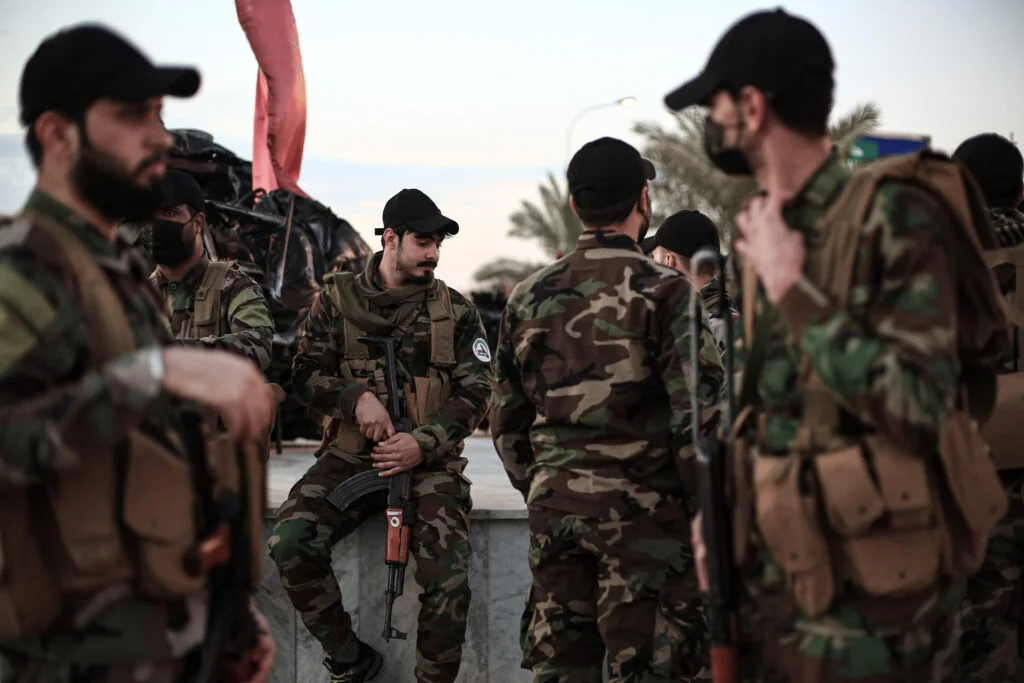
这些组织将其武器视为政治和军事生存的保障。10月21日,Harakat al-Nujaba拒绝解除武装并参与政治进程。先前的分裂分子声明表明,如果巴格达的权力平衡发生变化,一些派别在考虑领土替代方案。
这一延长期也给予各派整合财务网络、巩固政治立足点并重新部署的时间。与民兵有关联的人士在其组织仍保有独立武装能力的同时,担任政府高级职务。在尚未实现真正解除武装之前,华盛顿有将其合法化的风险。
因此,伊拉克总理Ali al-Zaidi面临的不仅是解除武装的挑战。将战斗人员整合进国家机构并不能消除独立的指挥链、融资或忠诚度。防止领土碎片化需要保护油田设施和省级机构 免遭武装夺取。
伊朗政权倒台后伊拉克可能分裂
伊朗政权的倒台可能为伊拉克提供一个机会,以拆除民兵权力并超越自2003年以来遗留的教派惯例。但拖延可能促使民兵克服对立并重启南部地区项目,以保护其武器和政治主导地位。核心争夺将迅速变为:伊拉克能否在伊朗危机将解除武装转变为围绕国家边界的斗争之前,建立国家权威。