
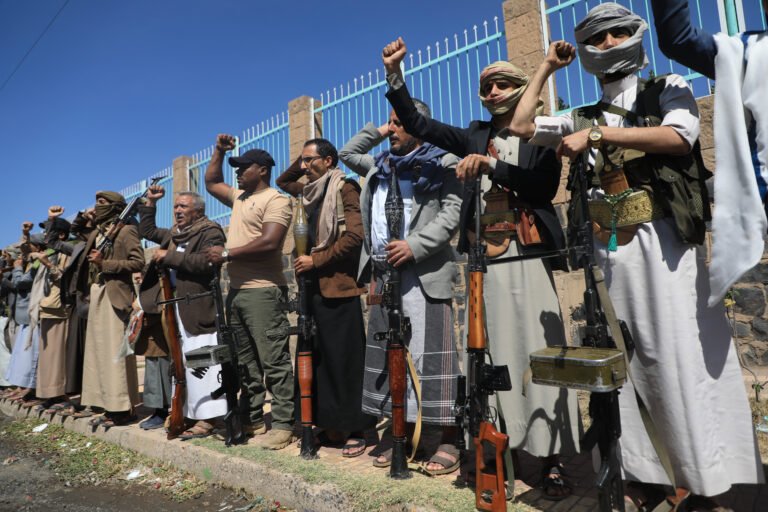
Saudi Houthi Conflict Tests Vision 2030
It might be tempting to see recent Houthi attacks on Saudi Arabia as just another round of escalation, but Saudi Arabia had made a conscious choice to de-escalate with the Houthis by normalizing relations with Iran in the 2023 Beijing agreement. Tehran may have pushed to restrain the Houthis, and their attacks on the kingdom had paused until recently. So why have the Houthis chosen to escalate now, and what do they hope to accomplish by bringing the confrontation directly to Saudi soil?
Tehran benefits from the Houthis’ disruption of the Bab el-Mandeb, but the broader strategy is becoming clearer. Both Tehran and the Houthis, part of the “axis of resistance,” now talk about it openly in their media, and the restraint that the Beijing agreement once imposed on Houthi attacks against Saudi Arabia is gone. Through the Houthis, the axis could create a new balance of power on the Arabian Peninsula that the region is not prepared for. Getting there takes time, and patience is something the Houthis have plenty of.
They are working on two clocks. In the short term, they seek to escalate to get a deal on their terms, after acquiring wins and additional positions in Yemen. But any deal would simply be a steppingstone to a bigger objective that Riyadh might not be taking seriously, because the real prize is Saudi Arabia itself.
The Houthi worldview treats the Saudi state as an illegitimate custodian of Islam’s holy sites, and it sees Saudi territory as something to be contested, sooner or later. Houthi leader Abdul Malik al-Houthi has accused the “Saudi regime” of turning the “pilgrimage into a nightmare of obstacles” and of failing to respect “the sanctity of the Islamic nation.” When the Houthis warned airlines to avoid Saudi airspace, they exempted the skies over Mecca and Medina.
The Houthis are openly expressing support for any revolutionary action against Saudi Crown Prince Mohammed bin Salman inside Saudi Arabia, an unusual thing to state so publicly. Houthi official Mohammed al-Bukhaiti told Iran’s Mehr News the Houthis would back a popular revolt, the Sahwa opposition, or even Saudi royals willing to replace the crown prince. The Houthis are likely making a parity play, backing Saudi Arabia’s opposition so that Riyadh drops its support for the Yemeni government as it did in 2022.
Expanding Battlefronts to Paralyze Strategic Focus
class=”ds-markdown-paragraph”>对胡塞武装而言,其全部的威胁投射本质上是不对称的,军事进攻与防御之间的界限并不清晰。胡塞武装倾向于扩大冲突的范围,以致其对手无法将力量集中在单一战线。例如,2022年1月,当巨人旅将其逐出沙布瓦时,胡塞武装袭击了阿布扎比。胡塞武装开辟的每一个新战线都迫使对手多防守一个地方。2022年3月,胡塞武装击中吉达的一处阿美设施,几周后沙特同意了一项由联合国斡旋的停火。胡塞武装想要领土,但他们也希望成为决定下一场战斗在何处以及如何进行的人。
例如,2022年1月当巨人旅将其逐出沙布瓦时,胡塞武装袭击了阿布扎比。胡塞武装开辟的每一个新战线都迫使对手多防守一个地方。2022年3月,胡塞武装击中吉达的一处阿美设施,几周后沙特同意了一项由联合国斡旋的停火。胡塞武装想要领土,但他们也希望成为决定下一场战斗在何处以及如何进行的人。
开辟战线以瘫痪沙特防御
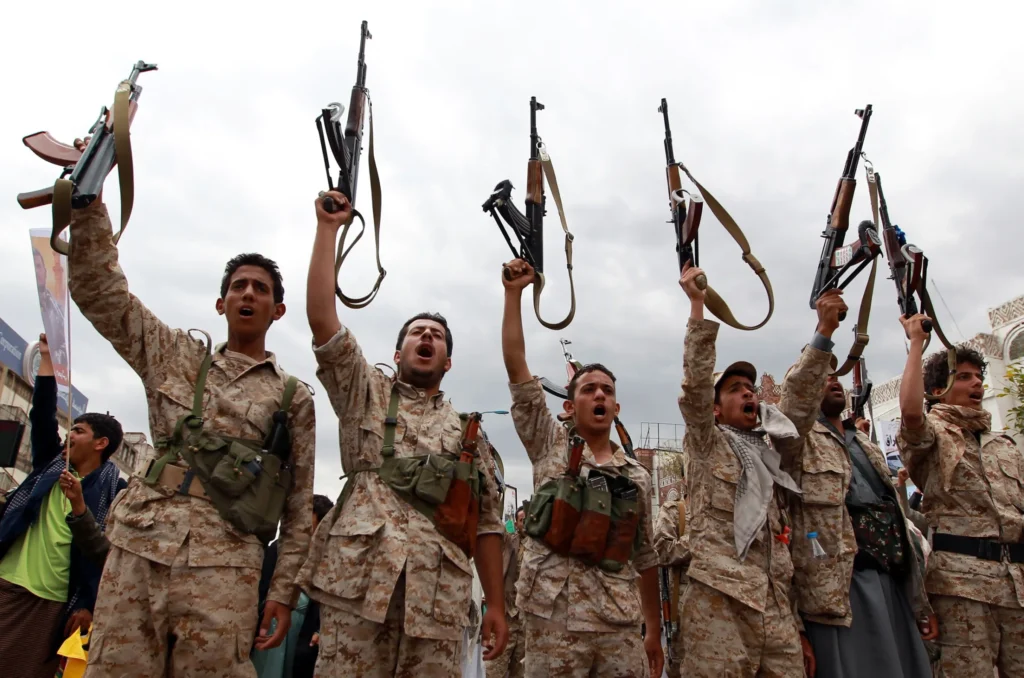
胡塞武装攻击沙特以制造压力。当沙特支持的也门部队在西海岸活动时,胡塞武装可以在沙国内部威胁沙特商业航空,这完全改变了利雅得的权衡。沙特领导层现在必须同时权衡也门境内的前线协调、首都的安全以及国际航空公司的信心。
塔伊兹和西海岸是胡塞开辟多条战线策略的一个很好的例子。尽管塔伊兹位于高山,海岸地形平坦,但两者在战略上相互关联。西塔伊兹的山地俯瞰着沿海平原以及通往莫卡和曼德海峡的道路,因此谁掌握制高点,谁就能保护或威胁海岸。
沙特支持的也门政府军沿海推进,以扭转胡塞武装的攻势并减轻对塔伊兹的压力。胡塞武装已在 al-Safiya 切断通往亚丁的主路并占领了 al-Turbah,该地连接着该市通往亚丁的补给线。塔伊兹有超过五十万人口,胡塞武装已包围该市并将其封锁,包括阻断人道援助。这就是胡塞武装为何针对沙特基础设施并拉伸王国防御的原因——他们希望沙特阿拉伯守卫自己的机场,而不是支持政府的推进以打破塔伊兹的围困。
压力测试与遏制外部安全保障
胡塞武装继续试探利雅得的红线,尽管这并不新鲜,但这一次他们是在《麦加联合防御协定》框架内进行试探,该协定涉及沙特阿拉伯、巴基斯坦和土耳其。三国于10月5日启动该协定以落实集体防御承诺,并同意在沙特境内部署部队。
然而,该协定未能发挥威慑作用——五天后胡塞武装袭击了利雅得机场。胡塞武装试图表明他们的打击能力能够造成实质性损害,以此来威慑沙特的合作伙伴。巴基斯坦和土耳其在经济和政治上都重视与王国的关系,但他们可能不认为胡塞问题是自己的问题,且双方都不愿被拖入也门的战斗。截至目前,他们部署在沙特境内的部队主要发挥的是支援作用,而实际作战的是也门部队,由南方巨人旅(Southern Giants Brigades)和国家盾军(National Shield Forces)代表。
机场成为“愿景2030”的压力点
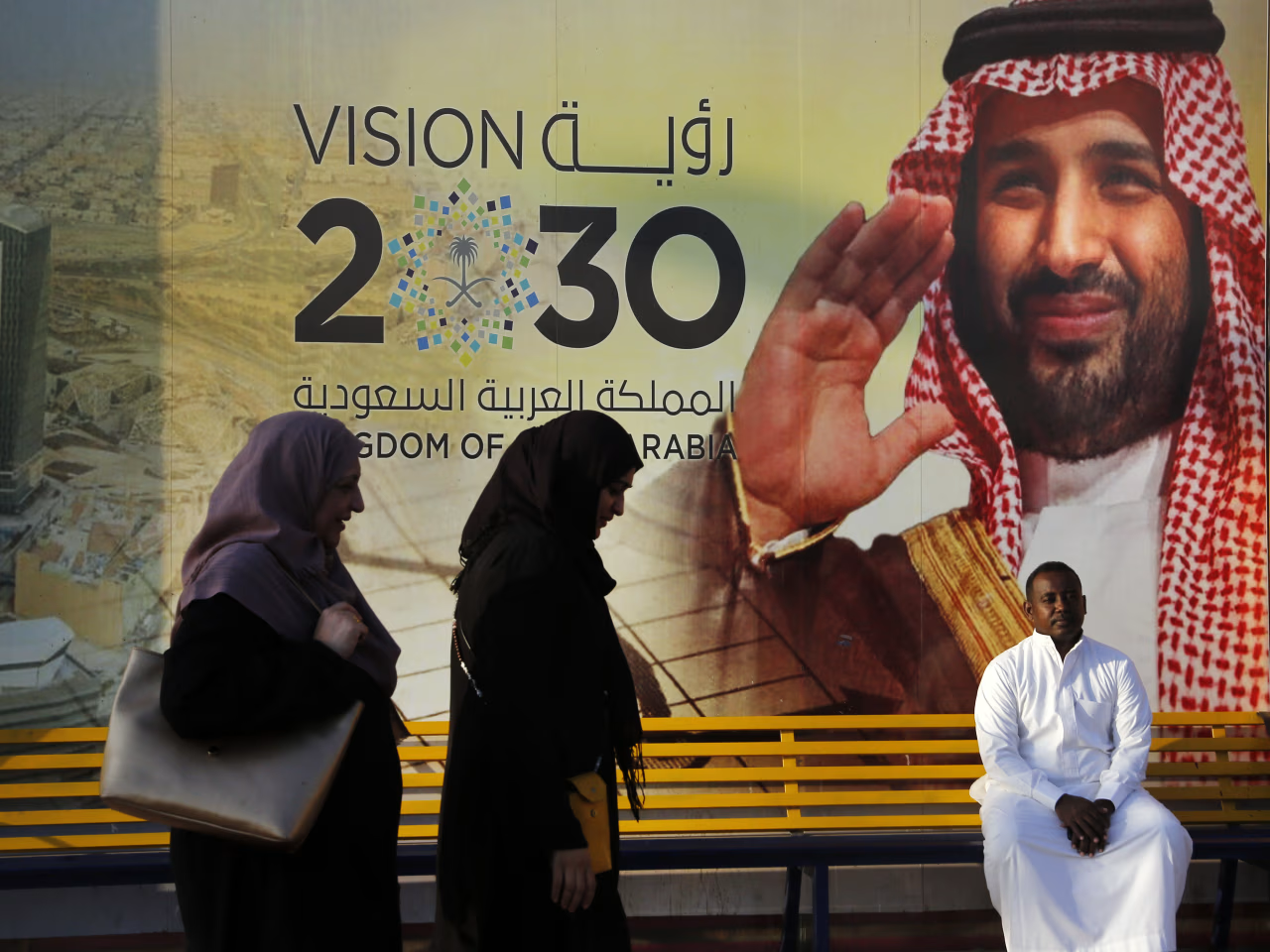
与此同时,穆罕默德·本·萨勒曼仍致力于沙特愿景2030,而胡塞武装正清楚地了解王国的脆弱之处。王储正将沙特定位为投资和旅游的中心,并将国家的未来与愿景2030捆绑起来,胡塞武装认识到这需要稳定和投资者信心。哈立德国王国际机场正处于这一战略的核心。因此胡塞武装攻击了该机场并迫使其关闭。通过将伤亡和对前往麦加的穆斯林朝圣者的威胁作为武器,他们直接放大了削弱外界对王国信心的能力。
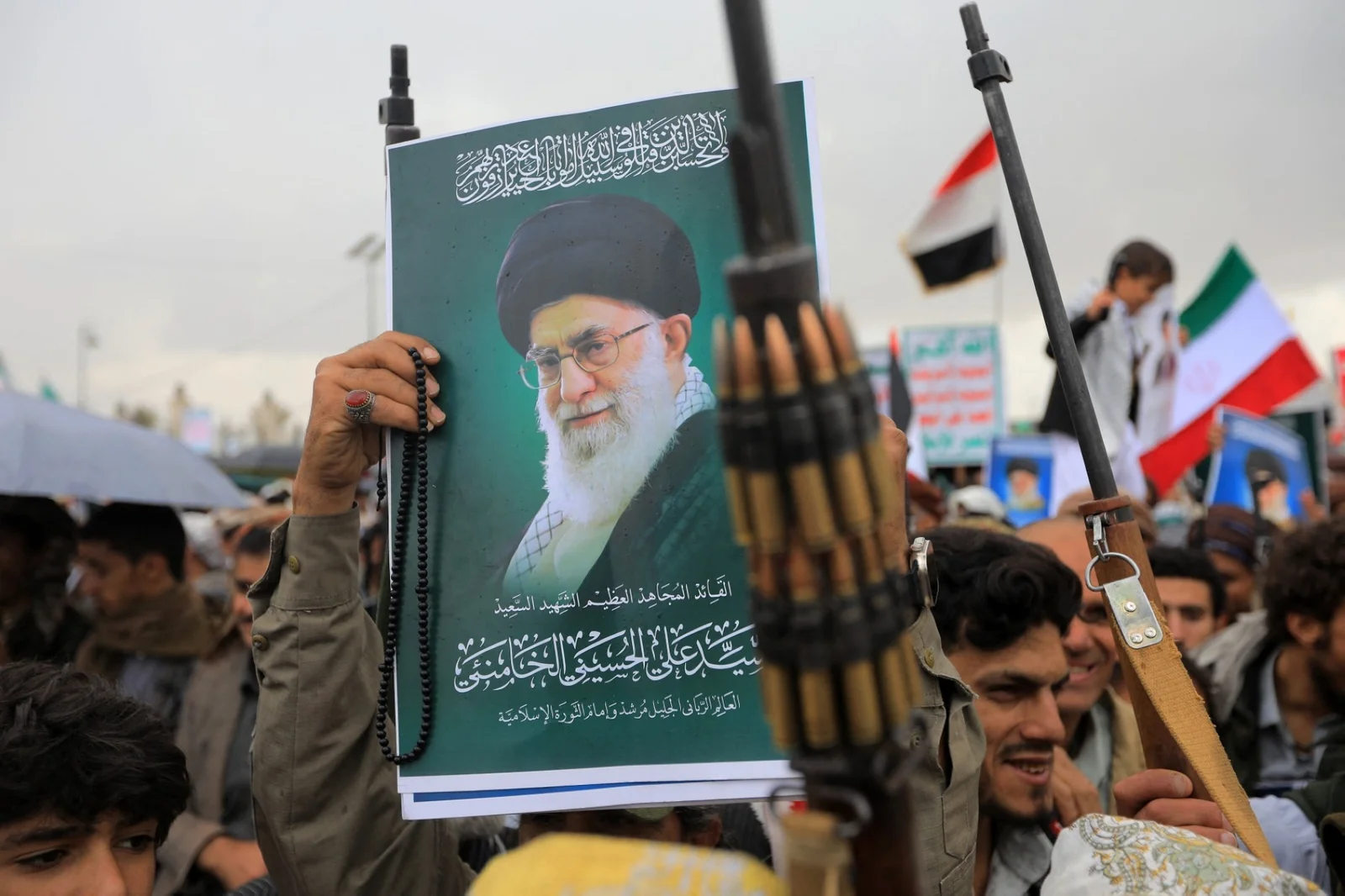
在核心上,这是一次意识形态的冲突。沙特阿拉伯推动的是现代化和全球化的未来,而胡塞则致力于可被描述为1979愿景的道路,即大阿亚图拉鲁霍拉·霍梅尼的愿景,在那里意识形态差异转化为永久革命。胡塞已经将宗派不满和也门的文化孤立作为其运动的组织原则。作为一个通过对儿童灌输思想并军事化社会而生存的极权民兵组织,胡塞除了冲突别无他途。
伊朗通过胡塞来对沙特发动这一冲突,同时保持看似脆弱但可主张的可否认性。因此,尽管伊朗在政治上保持不介入并假装在军事上也不介入,沙特仍感到压力。鉴于当前战场动态,胡塞几乎无所顾忌,他们获得了媒体关注,并有机会看起来几乎和伊朗一样强大和危险。
Iran Mirrors Pressure Across Chokepoints
德黑兰也以同样方式回应压力。当华盛顿在8月24日发起“Operation Economic Outcast”以将伊朗与全球经济隔离时,伊朗最高国家安全委员会秘书Mohsen Rezaei将军警告称,“如果经济战持续,不会有一滴石油被出口。”10天后,胡塞在也门西海岸发动进攻,不久便夺取了Bab el-Mandeb——因此在霍尔木兹海峡已被压缩的情况下,第二个咽喉要道落入抵抗轴手中。
航空领域也遵循同样的模式。华盛顿给予航空公司直到9月23日停止为Mahan Air和Iran Air提供服务,土耳其、阿曼和阿拉伯联合酋长国停止了伊朗航空公司的航班。最高领袖顾问Mohammad Mokhber回应称,“要么该地区的航班对所有人开放,要么对所有人都不开放。”两周后,胡塞开始打击沙特机场并警告国际航空公司不要进入沙特空域。胡塞称之为“机场换机场”方程,德黑兰则称之为“航班对所有人或对无人”。无论哪种说法,如果伊朗的飞机不能飞,胡塞就会确保沙特的飞机也不能飞。
The Limits of a Deal
The Houthi attacks on Riyadh’s airport should not come as a surprise, because the Houthis have been targeting Saudi airports for years, and Tehran has been hitting Gulf infrastructure since February 28. When the United States and Israel launched their air campaign on Iran, Tehran responded by attacking its Gulf neighbors with missiles and drones, killing 18 people in the first week, 10 of them civilians.
In early March, Iran hit fuel tanks at Kuwait’s international airport, damaged a desalination plant in Bahrain, and struck the UAE port of Fujairah. When President Donald J. Trump threatened Iran’s power plants later that month, Parliamentary Speaker Mohammad-Bagher Qalibaf threatened to “irreversibly destroy” infrastructure across the region. In July, Iran struck Kuwait’s power and desalination plants on two consecutive days, knocking some of them offline.
It is understandable that policymakers call for de-escalation, but this fundamentally misunderstands the drivers behind the current escalation and the end goals dictating it: an Iranian-backed Houthi territorial conquest in which escalation is used to force negotiations, rearm, and regroup. This dynamic of escalating with territorial conquest to compel the other side to call for de-escalation pairs nicely with the Houthis’ tactics for rearming and recruiting. They thrive on building internal alliances, providing security and benefits to their loyalists, and weakening their opposition. The six Saada wars from 2004-10 taught them that, as long as they remain uncompromising, their less authoritarian, more bureaucratically minded adversaries will eventually back off.
Meanwhile, Iranian Foreign Minister Abbas Araghchi already called his counterpart in Riyadh, Faisal bin Farhan, after the King Khalid airport was attacked, having sought to broker a deal, likely one that reopens Sanaa’s airport. If Saudi Arabia gives in now and accepts a deal with the Houthis arranged by Tehran that reopens Sanaa’s airport on Houthi terms, it would hand Iran a direct air link to the Houthis, the very thing Riyadh struck the runway in July to prevent, and reward a movement that wants to destroy Vision 2030 with its own vision of 1979.
class=”ds-markdown-paragraph”> 沙特阿拉伯将面临一个扩张性的伊朗代理常驻其门口——一个觊觎两座圣寺并对其声称为也门领土的吉赞和纳季兰虎视眈眈的力量。
对沙特阿拉伯在某些方面同样危险的是,若在如此规模的打击后作出妥协,会向该地区传达勒索有效的信号。那将使也门人被困在一个神职警察国家之下,该政权以其能向外输出多少混乱来衡量自身的成功。
国际社会在2018年致命性地低估了胡塞武装的影响范围、目标和意图,允许其巩固对荷台达的控制,而今日红海的威胁根源于那次误判后最终促成的2018年联合国斡旋的《斯德哥尔摩协议》。该协议使沙特阿拉伯、阿联酋和也门政府在荷台达港边缘止步,胡塞武装正是从该港投射其力量。随后2022年的停火又给了他们重建的时间,他们利用这段时间袭击了政府的石油终端。
利雅得在其军事策略上面临真实压力,但似乎也认识到与胡塞和解从未带来任何好处。10月13日,联军打击了胡塞在萨那的阵地,现在的问题是利雅得是否愿意在胡塞为其在最近的反攻中支持也门政府而进行惩罚时进一步推进。如果利雅得现在退缩,也门人将是首先为此付出代价的群体。
也门人也知道与胡塞结盟的人会遭遇什么。胡塞与前总统阿里·阿卜杜拉·萨利赫的联盟提供了最清晰的教训——萨利赫的部队曾在2004年杀害该运动的创始人。2017年12月萨利赫宣布愿意与沙特开启新篇章的瞬间,胡塞人在数日内将其杀害。胡塞的交易只在他们需要时才存在,一旦他们觉得无利可图,就会转而对付与之达成协议的人。