
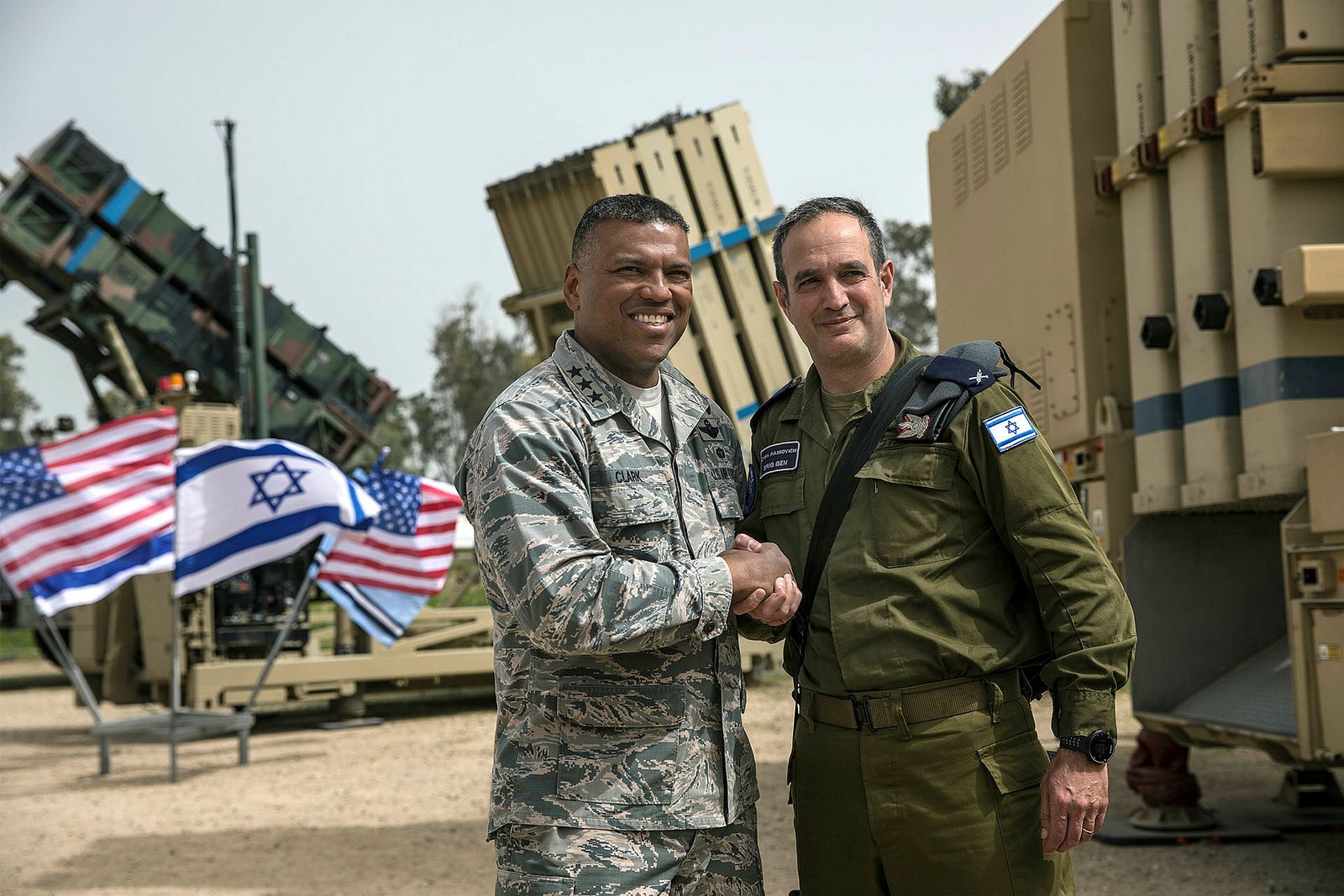
The USMC adopts Israeli interceptor technology to fix air defense gaps exposed by Iran.This shift bypasses Army dependency, enabling expeditionary mid-range kill chains. Domestic production with RTX ensures resilience, while other services should emulate this rapid, nontraditional acquisition model.
The U.S. Marine Corps is strategically bypassing traditional Army-dependent air defense by fast-tracking Israeli interceptor technology, a direct response to Iran’s multi-layered drone and missile barrages. This Israeli interceptor technology shift empowers expeditionary forces with independent mid-range kill chains, forcing a doctrinal reassessment across all military branches about how to counter saturation attacks without relying on finite PATRIOT assets.
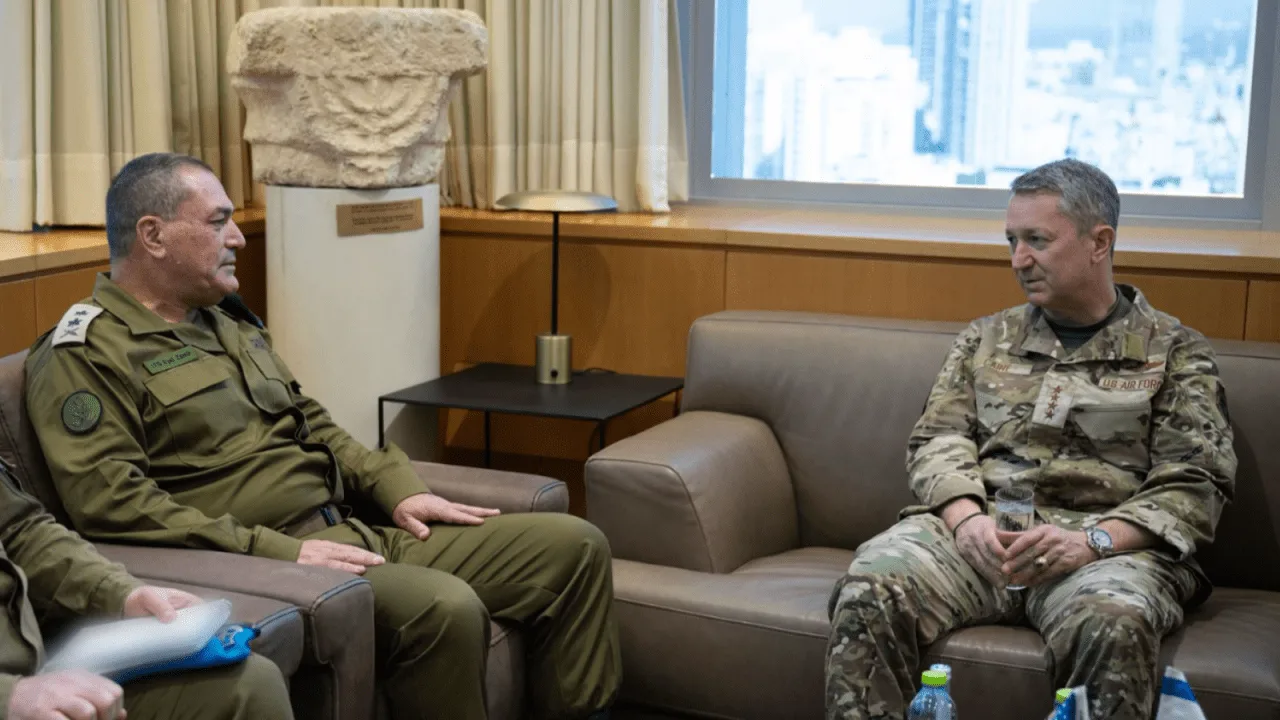
Israeli interceptor technology leap
The conflict with Iran revealed that the U.S. has substantial air and missile defense vulnerabilities, especially against drones. Thankfully, the U.S. Marine Corps (USMC) is making progress to address some of those weaknesses by procuring Israeli air defense technology.
Israeli manufacturer Rafael announced on May 4 the first delivery of Medium-Range Intercept Capability (MRIC) SkyHunter interceptors to the USMC, which has long relied on the U.S. Army for air defenses.This delivery marks a positive step for Washington and Jerusalem, as both race to fill gaps in their air defenses. Even if conflict with Iran does not resume, the delivery marks a capability expansion for the Marines, which America’s other military services should emulate.
The MRIC program is an effort to better counter cruise missiles and other manned and unmanned aerial threats. MRIC utilizes the American variant of Iron Dome’s Tamir interceptor, called SkyHunter. In 2023, the USMC planned for three batteries, initially solicited nearly 2,000 interceptors, as well as 44 launchers which would be integrated with Iron Dome Missile Firing Unit Launch Control Electronics, according to the solicitation. The Marines stated the systems would be deployed to defend “permanently and operationally fixed sites,” providing Marine Expeditionary Forces a medium-range air defense intercept capability.
The Iron Dome system was designed to intercept rockets, artillery, mortars, and eventually evolved to defend against some drones. By 2020, it proved able to intercept cruise missiles, and during conflicts with Iran, it showed limited capability against ballistic missiles. Iron Dome manufacturer Rafael partnered with the American firm RTX to form R2S, which manufactures Tamir interceptors in Camden, Arkansas, and plans to produce the SkyHunter variant.

Acquiring Israeli interceptor technology
The Marines have also been working on other air defense systems. Their efforts, through the Ground Based Air Defense (GBAD) program, have focused on countering small unmanned air systems (SUAS), fixed and rotary-wing aircraft, and cruise missiles. Notably, MRIC is the primary mid-tier defense system while the others, such as the Marine Air Defense Integrated System (MADIS), are designed to counter shorter range threats.
Similarly, the Army has been working to field short-range air defense equipment systems like the Avenger. Their efforts are primarily focused on the maneuver short-range air defense system (M-SHORAD) and the Indirect Fire Protection Capability (IFPC) which uses the AIM-9X Sidewinder. The Army also maintains the National Advanced Surface-to-Air Missile System (NASAMS), which employs the AIM-120 Advanced Medium-Range Air-to-Air Missile (AMRAAM) and AIM-9 Sidewinder missile.
Operation Epic Fury demonstrated the need for the U.S. to field greater air defense capabilities and capacity. On May 6, The Washington Post reported Iranian drone and missile strikes had damaged, destroyed, or otherwise degraded over 200 U.S. military structures or equipment since the operation began. Iran attempted to overwhelm American and Israeli air defense systems by combining ballistic missiles, cruise missiles, and drones. The operation also highlighted the finite magazine depth as the U.S. military expended significant numbers of interceptors.
Recently, the Marines have been fielding new capabilities in response to improving adversary threats and the shifting character of warfare. Prior to the MRIC program being established, for years, the Marines had outsourced air and missile defense to the Army, which owns and operates America’s primary land-based systems, such as the PATRIOT and Terminal High Altitude Area Defense (THAAD) systems. However, the Army’s air defense readiness has been strained with its units struggling to meet demand. This has reignited discussions concerning overreliance on the Army by the joint force.
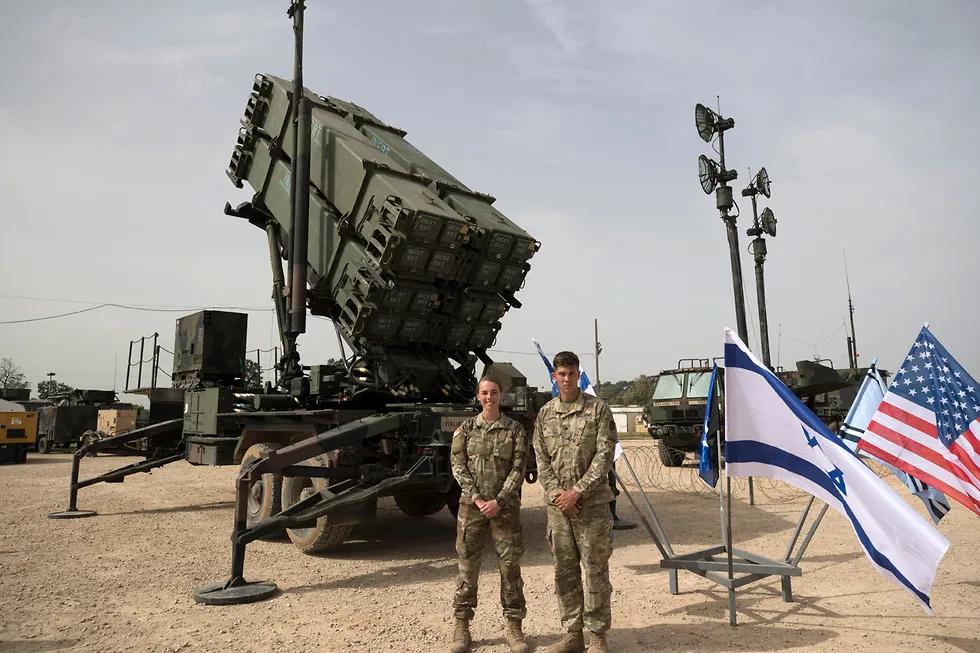
Fielding Israeli interceptor technology
MRIC provides an expeditionary capability that the Marines have not had since the legacy “Homing All the Way Killer” (HAWK) system of the 1990’s and moves to address the “new geopolitical reality.” Specifically, the need to detect, track, identify, and defeat manned and unmanned aerial threats as well as cruise missiles so that they may properly support the Navy amidst an environment likely saturated with those threats.
Utilizing the R2S joint venture to leverage American based production is a win-win for both countries. These facilities provide additional manufacturing capacity and help ensure continued production should an Israeli factory be damaged, as was the case when an Iranian strike reportedly destroyed an Israeli defense manufacturing facility on April 4. For Americans, domestic production facilities create and sustain manufacturing jobs, stimulate the economy, and strengthen the defense industrial base.
The Trump administration’s Fiscal Year 2027 defense budget proposal calls for 1.5 trillion to maintain and strengthenU.S.militaryreadiness.Therequestincludes67.9 billion for missile defense in addition to $20.6 billion for counter-unmanned systems but turning that investment into fielded capabilities will take years.
The expansion of USMC air and missile defense capabilities is a good start, but the urgency cannot be overstated. America’s adversaries are working together in new and novel ways; making a worse security situation for it and its partners. The other U.S. military services should look for nontraditional acquisition methods for needed capabilities that effectively address vulnerabilities that the Axis of Aggressors – Russia, China, Iran, and North Korea – could exploit.