
President Trump denies electoral pressure shapes his Iran strategy, but the Iran clock reveals a dangerous paradox. Public dismissal of political timelines invites Tehran to wait while his own base erodes, making midterm trends decisive.
While President Trump insists domestic politics does not drive his Iran strategy, the electoral clock is ticking louder than he admits. The Iran clock dynamic creates a dangerous paradox: his public denial of political pressure may invite Tehran to wait him out, yet his base is already eroding. Understanding this Iran clock tension is essential to predicting both foreign policy and the midterms.
Iran clock ticks for Trump first
President Donald Trump raised eyebrows on Wednesday when he told a cabinet meeting that “I don’t care about the midterms,” rejecting the idea that Iranian leaders could use his electoral vulnerabilities to out-wait him at the negotiating table. That statement may or may not be true. But whatever role the midterm elections play in Trump’s Iran thinking, Iran is likely to play an outsized role in November.
Trump’s claim that he is operating above domestic politics when deciding his Iran policy was not new. In recent weeks, he has repeatedly dismissed claims that he is operating on a political clock and insisted that “time is on our side.” Earlier this month he told reporters that when it comes to Iran, “I don’t think about Americans’ financial situation. I don’t think about anybody.”
These claims may be sincere. Good reasons exist to extend the ceasefire with Iran rather than renew hostilities. The president’s refusal to talk about affordability, the issue that is top of mind for most voters, adds credence to the argument that the midterms, where he is not on ballot, are not driving his thinking.
Ignoring the Iran clock risks
By the same token, Trump can hardly admit to worrying about the midterms. Presidents are expected to say that domestic politics plays no role in their decision-making on foreign policy, even as everyone else speculates that it does. That disconnect once prompted Tony Lake, Bill Clinton’s national security advisor, to draw a parallel to prudish Victorian attitudes about sex: “Nobody talks about it but it’s on everybody’s mind.”
Trump has an additional reason to insist that politics stops at the water’s edge. He is locked in a war of wills with Tehran. Operation Epic Fury has failed to produce the quick victory that came with the capture of Venezuelan leader Nicolás Maduro. Admitting that he is on an electoral clock will only encourage Tehran to dig in.
Voters watch the Iran clock
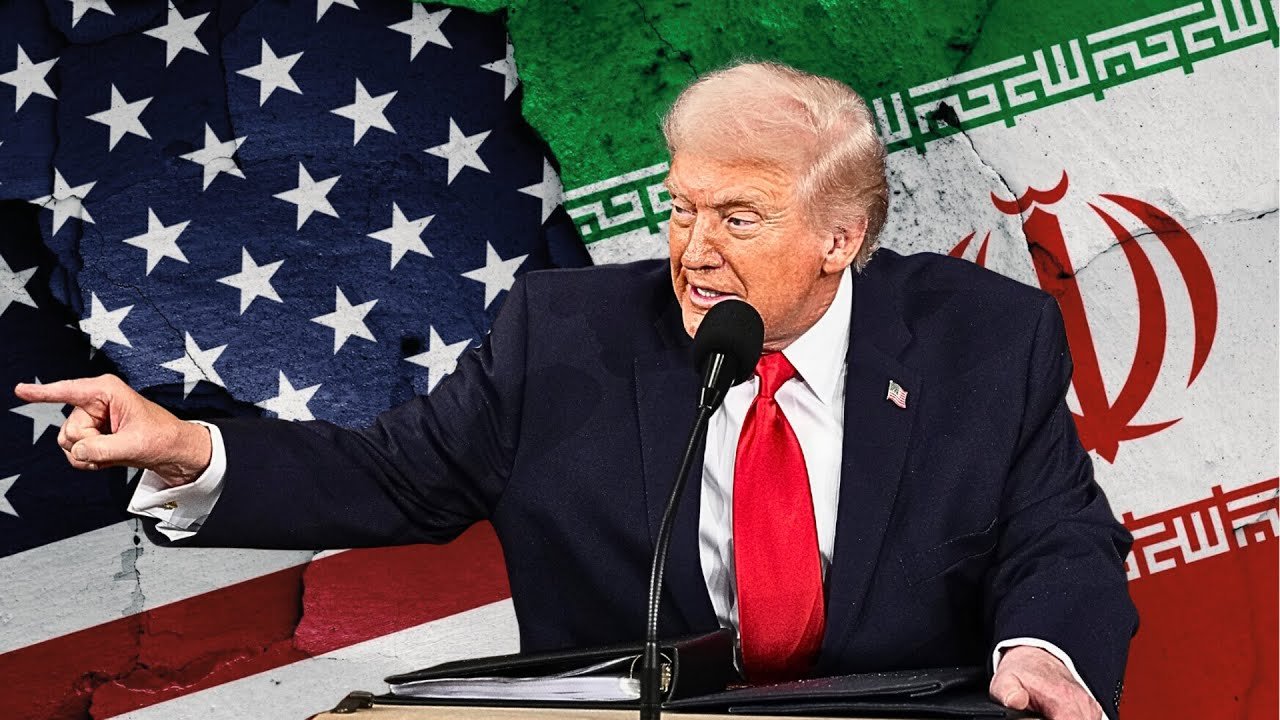
While Trump dismisses the impact of Iran on his thinking, the conflict is likely to loom large in November’s elections. The House midterms function as referenda on incumbent presidents, and they seldom pass the test. Since the modern two-party system arose in the 1860s, the president’s party has gained seats in the House only four times in forty-one chances. In the last five midterm elections, the president’s party has lost thirty-one seats on average. The Republicans now hold just a five-seat lead.
Operation Epic Fury has hurt Trump politically, making it harder for Republicans to buck historical trends. His overall approval rating was upside down by 13.4 percentage points when the first bombs fell on Iran, with national poll averages showing that 42 percent of Americans gave him the thumbs up and 55.4 percent the thumbs down. His approval rating is now underwater by 19.4 points, with 38.5 percent approving and 57.9 percent disapproving his leadership.
The numbers on the generic congressional ballot, an indicator for which party has momentum, also signal bad news for Republicans. Democrats held a 5.5-point lead over Republicans in an average of national polls at the end of February. The gap is now 7.1 points.
Iran clock accelerates base erosion
Much of the recent erosion in Trump’s support has come from self-identified Independents, but he is also losing support from his political base. The most recent CBS News poll found that 54 percent of white voters without a college degree, the core of Trump’s MAGA constituency, now give a thumbs down to his job performance. That number was 32 percent in February.
Trump is seeing similar erosion in two constituencies that helped propel him to victory in 2024: Latinos and young men. The CBS News poll found that two out of three Latino voters now disapprove of his job performance. The most recent New York Times/Siena College poll found that his approval rating among young men has fallen by roughly ten points in the past few months.
The turn away from Trump by some supporters likely reflects the impact of the Iran war on the U.S. economy more than the war itself. Trump’s winning message in 2024 was that he could tame inflation and improve the financial situation of average Americans. With gas prices spiking and inflation rising, the polls make clear that most Americans do not think Trump is delivering on his pledge.
Trump was upside down by eighteen points on his handling of the economy in an average of national polls at the end of February. He is now underwater by nearly thirty points. His numbers on handling inflation are even worse—he was down 28 points at the end of February and is now down 41 points.
Even a quick Iran clock cannot save
Even a quick end to the Iran war on terms favorable to the United States may not undo the political damage Republicans have suffered over the past two months. Few voters cast their ballots based on foreign policy. That holds true even when presidents can point to major successes, as President George H.W. Bush discovered in his failed reelection bid after winning the Gulf War.
Meanwhile, even with a quick settlement to the conflict, it could take weeks, if not months, for gas prices to fall back to pre-war levels. The ripple effects of the price spikes for oil, gas, and fertilizer may take even longer to work their way through the economy. Democrats will flood the airwaves with ads about how Trump has hurt their wallets and pocketbooks. After all, that was the message he used against Democrats in 2024.
Trump has dismissed concerns about his eroding political base by noting that candidates he has endorsed in recent Republican primary elections have won. But the defeat of Texas Senator John Cornyn and Kentucky Representative Thomas Massie this week only shows that Trump continues to have a hold over core MAGA supporters. General elections bring a very different set of voters to the polls than primary elections do.
Trump’s success in persuading red state legislatures to redraw congressional districts gives Republicans breathing space they did not have when 2026 started. But if Democratic voters are more energized to vote and marginal Trump voters are more inclined to stay home or switch parties, the Republicans’ mid-decade redistricting effort could turn into a “dummymander” by making once-reliable Republican seats vulnerable to upsets.
Trump insists that he is not on the clock when it comes to Iran. But he and his fellow Republicans are when it comes to the midterms. Voting starts in some states in just over three months. At this moment, the political trends are running against the Republicans.