
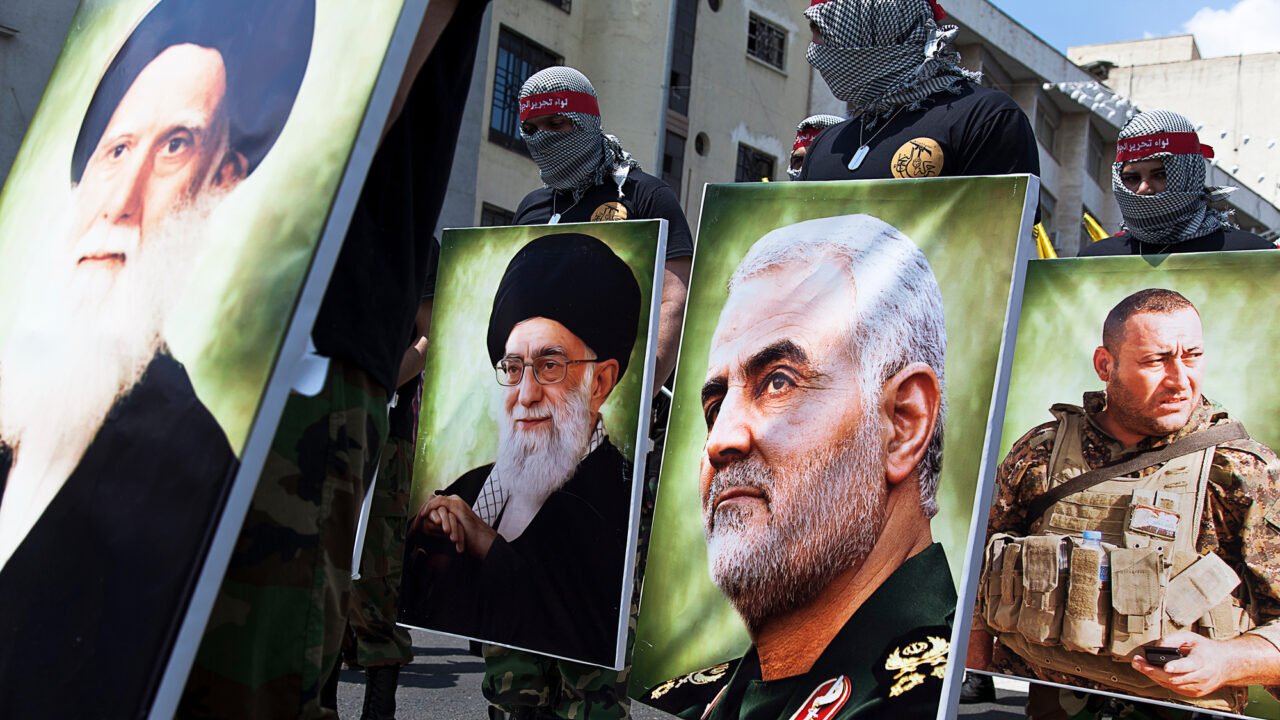
Highly sophisticated analysis of Iran’s proxy architecture following the 2026 conflict, evaluating structural resilience, local actor autonomy, and decentralized networks across Lebanon, Gaza, Iraq, and Yemen as the regional security ecosystem undergoes a permanent shift.
The severe containment of Tehran’s network has created a vacuum where regional strategy must shift to survival, altering how the Axis of Resistance maneuvers. This systemic friction forces a profound reassessment of asymmetric power, proving that while conventional strikes degrade immediate command frameworks, the underlying structural durability ensures the Axis of Resistance adapts rather than dissolves.
Axis of Resistance: Strategic Structural Resilience
The Iran War has dealt the most severe blow in decades to what Tehran calls its “Axis of Resistance”—the loose network of state and non-state actors spanning Lebanon, Iraq, Yemen, Gaza, and beyond. The US-Israeli strikes on senior Iranian leadership, the degradation of command-and-control structures, and the attrition suffered by key partners such as Hamas and Hezbollah at the hands of Israel have raised a central question for policymakers and analysts: is this the beginning of the end of Iran’s proxy-based regional strategy, or merely another phase in its evolution?
The most likely future of the regional grouping is neither a simple collapse nor an inevitable resurgence. The axis has been weakened structurally, but not fatally. Its ability to rebound will depend on several interlocking dynamics: organizational resilience within its constituent groups, Iran’s capacity to reconstitute leadership and supply networks, and the shifting political environments in Lebanon, Iraq, Yemen, and the Palestinian Territories.
From its inception, the Axis of Resistance was designed not as a formal alliance but as a flexible network. Anchored by Iran’s Islamic Revolutionary Guard Corps (IRGC), it links groups such as Hezbollah in Lebanon, Shia militias in Iraq, the Houthis in Yemen, and—more unevenly—Hamas in Gaza into what Tehran views as a forward defense architecture against the United States and Israel.
This structure has historically been optimized for resilience. Because it is not a centralized military coalition, the axis can absorb shocks unevenly. Losses in one theater do not necessarily translate into collapse elsewhere. That logic remains intact even after the 2026 war. While Iran itself has been directly targeted in an unprecedented campaign aimed at regime disruption, its regional partners retain varying degrees of autonomy, local legitimacy, and operational capability.
Iran’s strategy has always relied on redundancy. Multiple militias, overlapping supply routes, and diffuse command relationships were intended to ensure continuity under pressure. The current crisis is testing that design but not invalidating it. Hamas’s inclusion in this system—historically intermittent and shaped by ideological as well as nationalist considerations—adds both depth and complexity to the grouping.
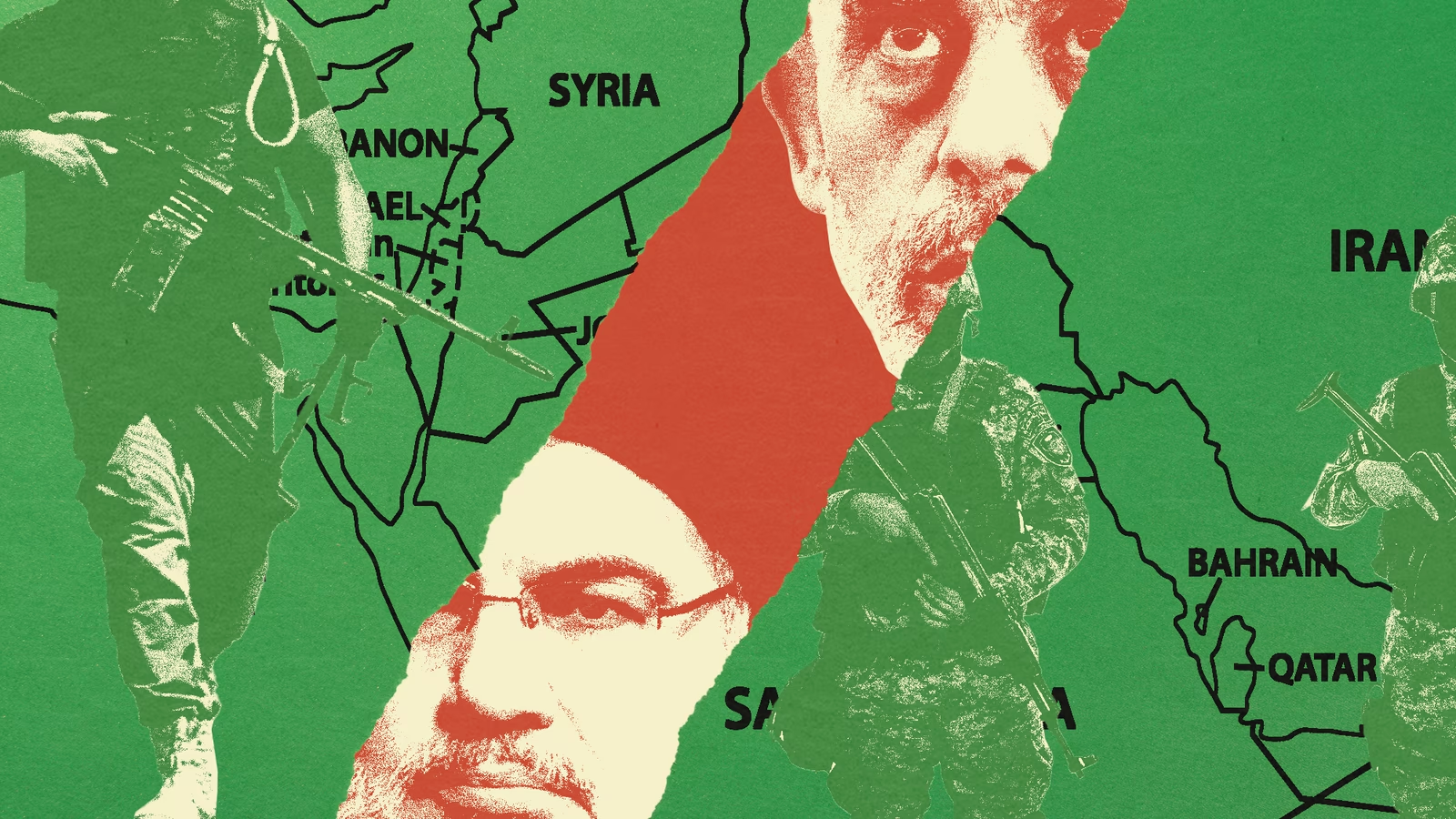
Understanding Localized Legitimacy Amid Axis of Resistance Fragmentation
Among all axis actors, Hezbollah remains the most capable—and the most closely tied to Iran. Long regarded as the “crown jewel” of Tehran’s proxy network, it has suffered significant losses since 2023, including leadership decapitation, territorial losses, and mounting domestic criticism within Lebanon. However, Israel’s devastation and occupation of Shia-majority south Lebanon and the impotence of the Lebanese state in the face of gross violations of its territorial integrity are turning the tide once again in favor of Hezbollah, which is increasingly seen by the affected population as the only organization capable of providing some degree of security and relief to it.
Furthermore, Hezbollah has retained the ability to rearm and continue operations even after sustained Israeli strikes. Its refusal to disarm underscores a key reality: organizational survival does not require battlefield dominance. As long as Hezbollah maintains a core military capability and political foothold, it remains a viable node in the axis.
That said, Hezbollah’s trajectory points toward constraint rather than expansion. Hezbollah is likely to rebound tactically—restoring some capabilities—but to retrench strategically, focusing on survival within Lebanon rather than on regional projection into Syria and elsewhere.
Hamas occupies a distinctive position within the axis. Unlike Hezbollah, it is a Sunni Islamist movement with its own ideological lineage and political priorities rooted in Palestinian nationalism. Its relationship with Iran has therefore been more pragmatic than doctrinal, marked by periods of both tension and cooperation.
The Israeli invasion, devastation, and de facto ethnic cleansing of Gaza since 2023 have inflicted severe damage on Hamas’s military infrastructure, leadership cadre, and governance capacity. Yet, as with other non-state actors embedded in dense urban environments and sustained by local networks, complete eradication has proven elusive. Hamas has demonstrated an ability to regenerate leadership, adapt tactics, and maintain a degree of operational continuity even under extreme pressure.
In the context of the 2026 Iran war, Hamas’s role is less about coordinated regional warfare and more about symbolic and strategic anchoring. The Palestinian issue remains central to the axis’s ideological narrative. It also provides the axis with common ground with popular Arab sentiment across sectarian divides. Even if Hamas is not tightly integrated into operational planning, its continued existence reinforces the legitimacy of the broader “resistance” framework in the eyes of Arabs and Muslims worldwide.
However, Hamas’s future trajectory is likely to be determined by its immediate priorities, which are local: survival in Gaza, reconstruction, and navigating complex relations with regional actors such as Egypt and Qatar. While it will continue to accept Iranian support where available, it is unlikely to subordinate its decision-making to Tehran. Thus, even if Hamas rebounds organizationally—reconstituting networks and regaining some operational capacity—its integration into a cohesive axis strategy will remain limited.
Decentralization Realities Challenging the Axis of Resistance
Iranian-backed Iraqi militias, particularly those affiliated with the Popular Mobilization Forces (PMF), have demonstrated continued capacity to conduct drone and rocket attacks during the war. However, their cohesion is eroding. Iran appears to be granting greater autonomy to field commanders in Iraq, effectively decentralizing control. While this may enhance short-term operational flexibility, it also weakens Tehran’s ability to coordinate strategy and increases the likelihood of factionalism.
Compounding this problem is Iraq’s volatile political environment. Internal divisions, public backlash against militia activity, and pressure from external actors are constraining the space in which these groups operate.
The result is a paradox. Iraqi militias may remain active and even intensify attacks in the near term, but their integration into a coherent axis strategy is diminishing. Over time, they may evolve into semi-autonomous actors pursuing local agendas under the loose banner of “resistance,” rather than disciplined instruments of Iranian policy.
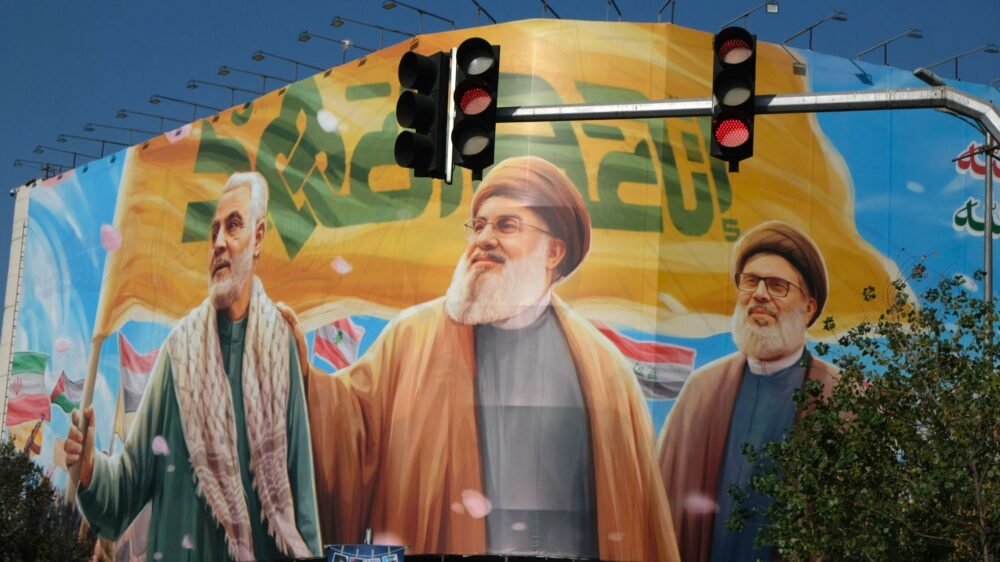
Axis of Resistance Forward Strategy Constraints
The Houthis in Yemen occupy a different position within the axis. Their relationship with Iran, while significant, has historically been less institutionalized than that of Hezbollah or even Hamas.
During the 2026 conflict, the Houthis have been notably cautious. Despite possessing the capability to disrupt regional shipping and launch long-range strikes, they have refrained from full-scale entry into the war due to domestic priorities and fear of retaliation. This posture is in striking contrast to their stance in 2023–24, when, in response to the Israeli invasion of Gaza, the Houthis blocked the Bab-el-Mandeb Strait, effectively halting traffic through the Red Sea.
Their current strategic calculus is driven less by ideological alignment with Tehran than by local considerations—territorial control, governance, economic survival, and domestic legitimacy.
Reconstituting Network Capabilities Inside the Axis of Resistance Paradigm
Ultimately, the axis’s prospects hinge on Iran itself. The 2026 war represents an unprecedented attempt to disrupt the Iranian regime’s leadership and military and economic infrastructure. If Tehran fails to reconstitute its command structures and supply chains, the entire network will suffer. Moreover, the ideological commitment that underpins the axis remains intact. Shared narratives of resistance to Western and Israeli domination continue to bind these actors together.
The most likely outcome is not the restoration of the pre-war axis, but its transformation. The network is evolving from a relatively coordinated system into a looser conglomeration of actors—linked but not tightly bound.
Consequently, the Axis of Resistance may not rebound in its previous form, but neither will it vanish. Instead, it is likely to survive as a more diffuse, less coordinated network of actors bound by a shared ideology of resistance to American and Israeli domination, but increasingly driven by local imperatives. In other words, the axis is likely to bend and adapt but not break entirely, as was expected by the initiators of the war against Iran. Its influence on the politics of the Middle East may diminish, but will not disappear.