
A rigorous analysis examining how democratic public opinion and economic domestic costs shape military sustainability, emphasizing Washington’s strategic need to align foreign intervention objectives with home front narrative management.
“If I’ve lost Cronkite, I’ve lost Middle America,” President Lyndon Johnson said after CBS News anchor Walter Cronkite told viewers in 1968 that America’s war in Vietnam would end in “stalemate” and urged negotiations to conclude it.
When it comes to war-making, democracies suffer a serious disadvantage compared to autocracies: they must account for public opinion, as disgruntled voters can exact retribution against their leaders at the ballot box in the next election.
Home Front Dilemma Alters Opinions
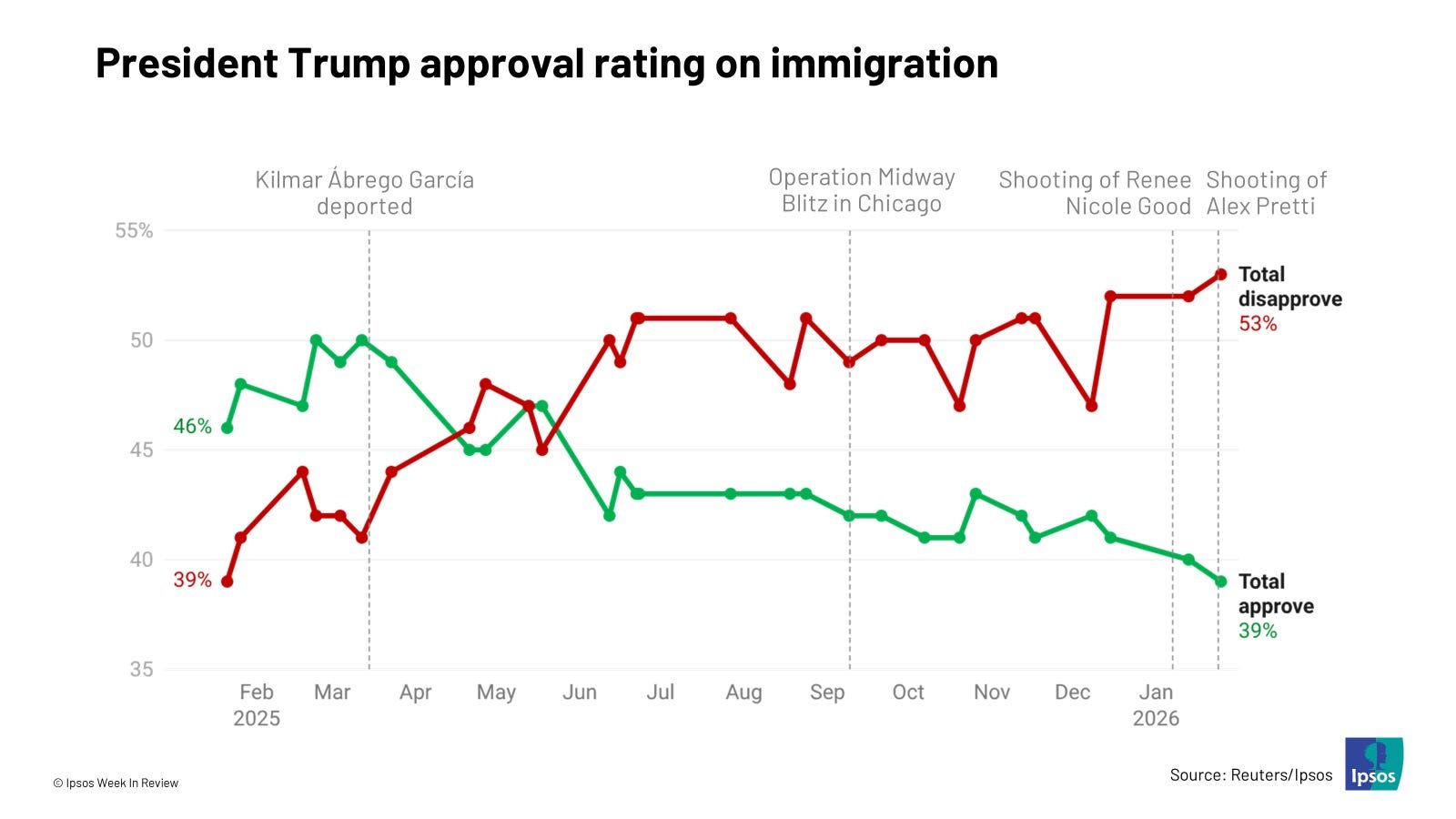
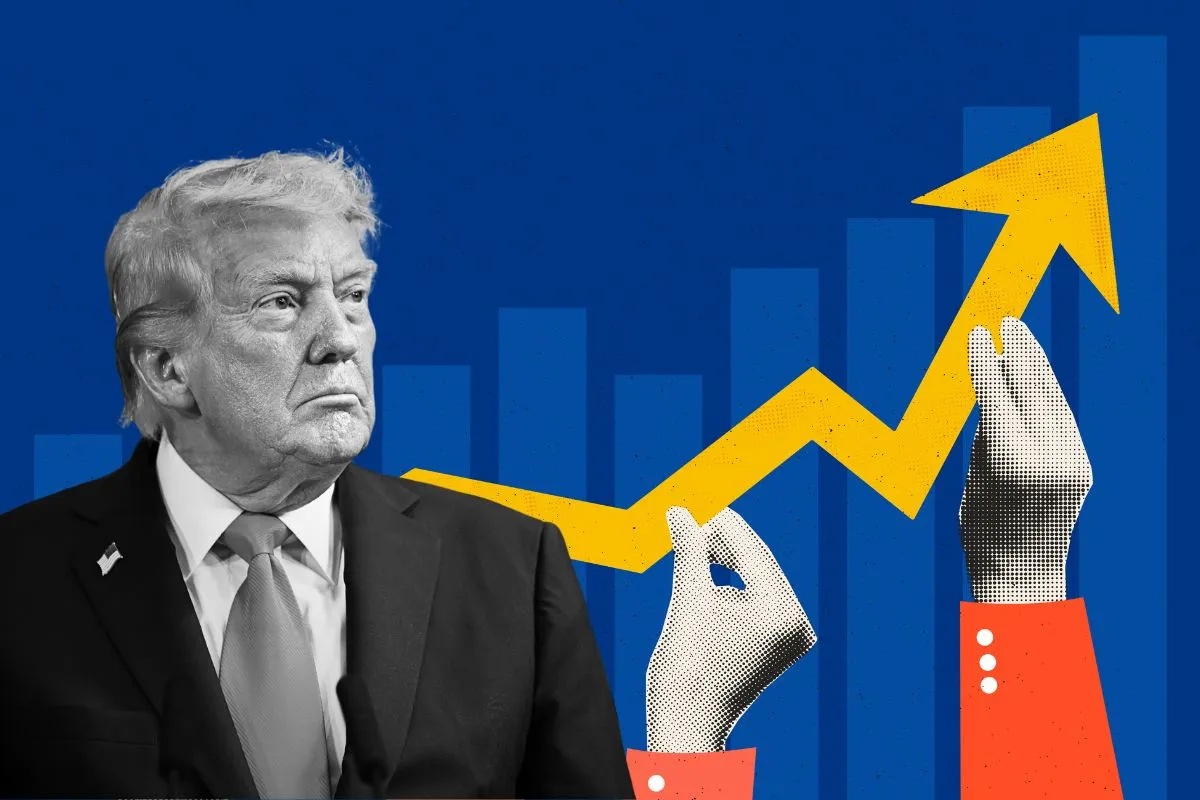
Meanwhile, the longer the war and the greater the impact on the home front (whether in deaths to US forces or damage to the economy), the likelier that Americans will sour on it—as President Harry Truman learned in the Korean War, President Johnson learned in the Vietnam War, and President George W. Bush learned in the Iraq War. President Donald Trump is now learning the same thing as he seeks an end to America’s increasingly unpopular war in Iran, at a time when the war is imposing rising costs on US consumers and congressional elections are growing nearer.
The lesson is clear: both Trump and his successors would be wise to factor in the home front more strategically before the next US military action abroad. Autocracies, of course, face no comparable challenges (though they always run the risk of a public revolt that topples them). President Vladimir Putin took Russia to war with Ukraine, while Iran’s radical regime wages war (directly or through its terrorist proxies) with Israel and other regional powers, all without fearing retribution at the ballot box.
Navigating This Home Front Dilemma
Nevertheless, history shows that Washington can bear this democratic burden while achieving its war aims. President George HW Bush set and achieved his limited objective of ousting Iraq from Kuwait in 1991 while attracting and maintaining high levels of public support. President Bill Clinton did likewise in the Balkans—ending ethnic cleansing by spearheading NATO action while retaining general public backing.
To be sure, Trump has also faced the challenge of selling a war based on a future threat (an America-hating Iran with nuclear weapons) rather than an immediate challenge to US interests. And, lest we forget, US military action against Iran has severely reduced the threat that Tehran could have presented in the coming years by turning much of its nuclear infrastructure into rubble while mostly eliminating its navy and destroying many of its missiles, launchers, and weapons facilities. But since launching the war in late February, Trump has done himself no favors when it comes to public backing. Sinking support helps illustrate what happens when Washington doesn’t align war strategy with domestic reality.
For starters, because Americans generally favor peace over war, presidents who hope to nurture support need to explain why they’re using force in the first place. In one sense, the opportunity for Trump was there. Presidents of both parties had previously vowed to prevent Iran from developing nuclear weapons, so Trump could have explained that he was merely carrying out a longstanding bipartisan policy as Tehran was inching closer to nuclear weaponry.
Escalating Economic Home Front Dilemma
Instead, he’s needlessly denounced the Iran-related actions of his Democratic predecessors and complicated matters further by enunciating numerous, sometimes contradictory, goals for the war—from urging Iranians to overthrow their regime to expecting them to live with its new leadership, and from vowing to force Tehran to eliminate its nuclear program in its entirety to suspending the war and then offering to negotiate limits on Iran’s nuclear pursuits.
Home Front Dilemma Triggers Inflation
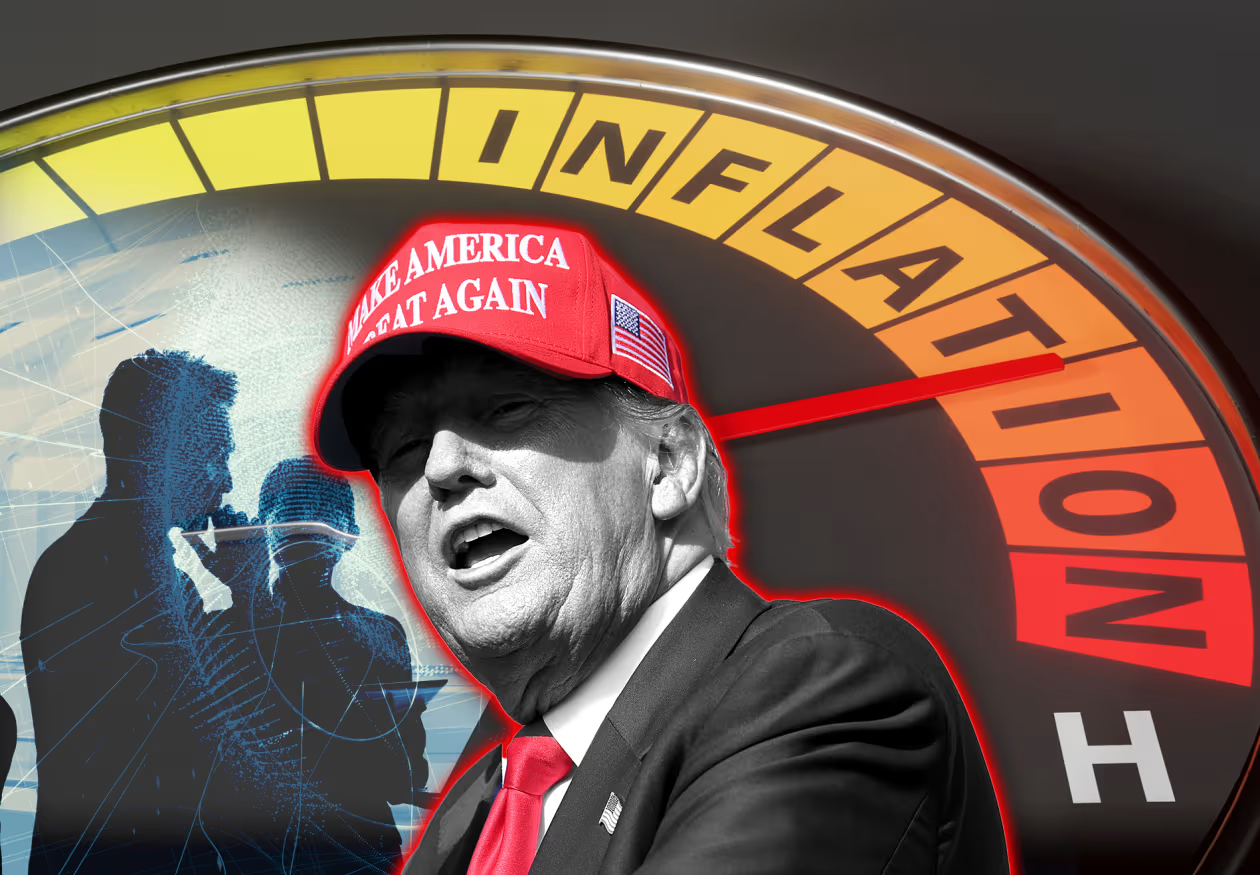
Not surprisingly, the war has imposed serious economic costs on Americans, including soaring energy prices that have triggered higher inflation and higher borrowing costs, and sent consumer confidence to record lows in April. Rather than explain why the war is worth this price, however, Trump has said he’s not much worried about it, doesn’t think the costs are high, and is focused solely on his war goals.
“I don’t think about Americans’ financial situation,” he said in mid-May when asked how much their financial situation is motivating him to cut a deal with Iran. Of rising gas prices, he said a week later, “This is peanuts. And I appreciate everybody putting up with it for a little while…But I don’t even think about that.” In the fall of 1937, then-President Franklin Delano Roosevelt flew to Chicago to deliver his “Quarantine Speech,” hoping to educate Americans about the mounting dangers to US national security from the rise of expansionist powers in Europe and Asia.
Leaders Confronting Home Front Dilemma
After his speech prompted a fierce backlash from a public that remained largely isolationist before Pearl Harbor, FDR turned to speechwriter Sam Rosenman and lamented, “It’s a terrible thing to look over your shoulder when you are trying to lead and to find no one there.”
Even for challenges far from home, no US president can escape the burden of domestic opinion. Presidents need to embrace the challenge, clearly make their case for action, and shape their war strategy to nurture and retain support from the all-important home front.