
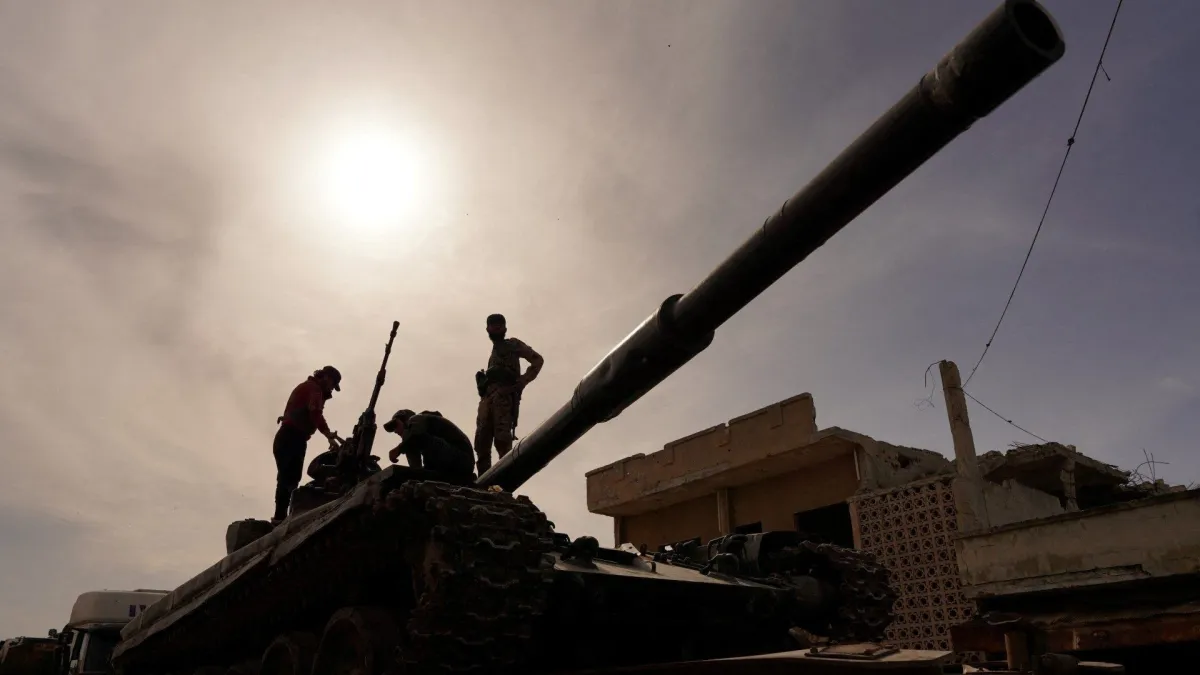
Trump injects Syria’s Sharaa into the Hezbollah debate, shifting pressure from Tehran to Beirut and Damascus. This strategic gamble tests Syrian reliability post-war, forces Lebanon to confront armed militias, and raises urgent questions about who truly controls Lebanese security decisions.
By injecting Syria’s Sharaa into the Hezbollah dilemma, Trump shifts regional pressure calculus away from Tehran alone. This strategic gamble forces Beirut to confront its armed wing problem while testing Damascus’s post-war reliability. Syria’s Sharaa now holds an unexpected lever over Lebanon’s future security architecture.
Syria’s Sharaa opens door
U.S. President Donald Trump has fueled speculation over a possible Syrian role in the Hezbollah file after linking Lebanon and Syria during a television interview and suggesting that Syrian President Ahmed al-Sharaa would be willing to help resolve the conflict in Lebanon.
Speaking to NBC News, Trump said he would like to see “a more precise attack on Hezbollah,” adding that Sharaa “would want to help” reach an agreement regarding the conflict in Lebanon.
Trump did not elaborate on what such assistance might entail—whether it would involve tightening control over the Syrian-Lebanese border and cutting off smuggling routes or playing a broader political role in pressuring Hezbollah. His remarks came after months of U.S. signals linking the Lebanese and Syrian files amid growing pressure to ensure that arms remain exclusively under the authority of the Lebanese state and to prevent Hezbollah from rebuilding its military capabilities.
Last July, U.S. presidential envoy Tom Barrack warned that Lebanon could face an “existential threat” if the state failed to address Hezbollah’s weapons. In remarks to The National, he said: “If Lebanon does not act, it will become part of Bilad al-Sham again.”
In December, Barrack again spoke of the need to bring Syria and Lebanon together, describing the two countries as representing “a magnificent civilization.”
In March, Reuters cited five informed sources as saying that the United States had encouraged Syria to consider deploying forces to eastern Lebanon to assist in disarming Hezbollah. Damascus, however, reportedly hesitated, fearing it could be drawn into a regional conflict and inflame sectarian tensions.
Barrack later denied the reports, calling claims that Washington had urged Syria to send troops into Lebanon “false and inaccurate.”
Wael Alwan, executive director of Jusoor Center for Studies, told Alhurra that earlier reports had exaggerated the nature of Syria’s expected role but argued that Trump’s remarks demonstrated that discussion of a role for Damascus “is not merely a rumor.”
Concerns over Syria’s Sharaa
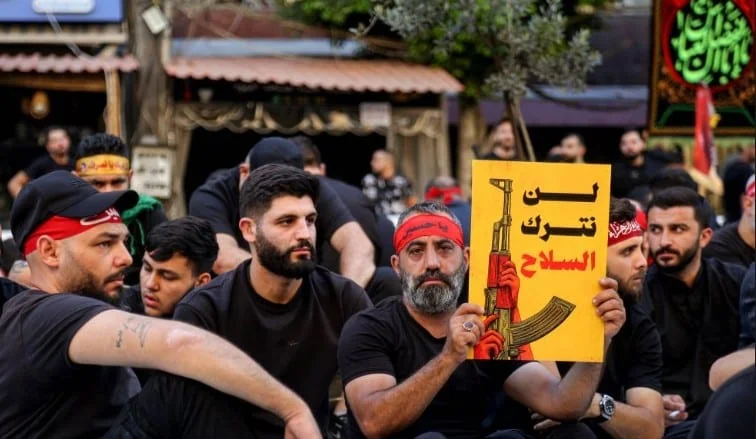
Over recent months, political and media circles in Lebanon and Syria have circulated analyses suggesting that the Syrian army could pressure Hezbollah from the east while Israel continues military operations in southern Lebanon.
The scenario remained largely speculative. However, Syrian military movements near the Lebanese border in March revived such theories after reports emerged of reinforcements being dispatched to border regions and the deployment of short-range rocket launchers.
Syrian authorities said at the time that the measures were intended to combat smuggling and strengthen border security, not to prepare for military operations inside Lebanon.
Trump’s remarks have nevertheless brought those scenarios back into focus.
Alwan believes Trump’s comments most likely referred to a Syrian role in supporting the Lebanese government in maintaining security and stability while preventing Syrian territory from being used as a transit route for non-state armed groups, including Hezbollah.
He added that Damascus would only engage on Hezbollah-related issues through Lebanese state institutions and at the request of the Lebanese government, rather than acting independently or under external direction.
A heavy Syria’s Sharaa
For decades, relations between Syria and Lebanon were shaped by direct Syrian tutelage and extensive political and security influence under the Assad regime. That period continues to weigh heavily on Lebanese political discourse despite Syria’s transformation in recent years.
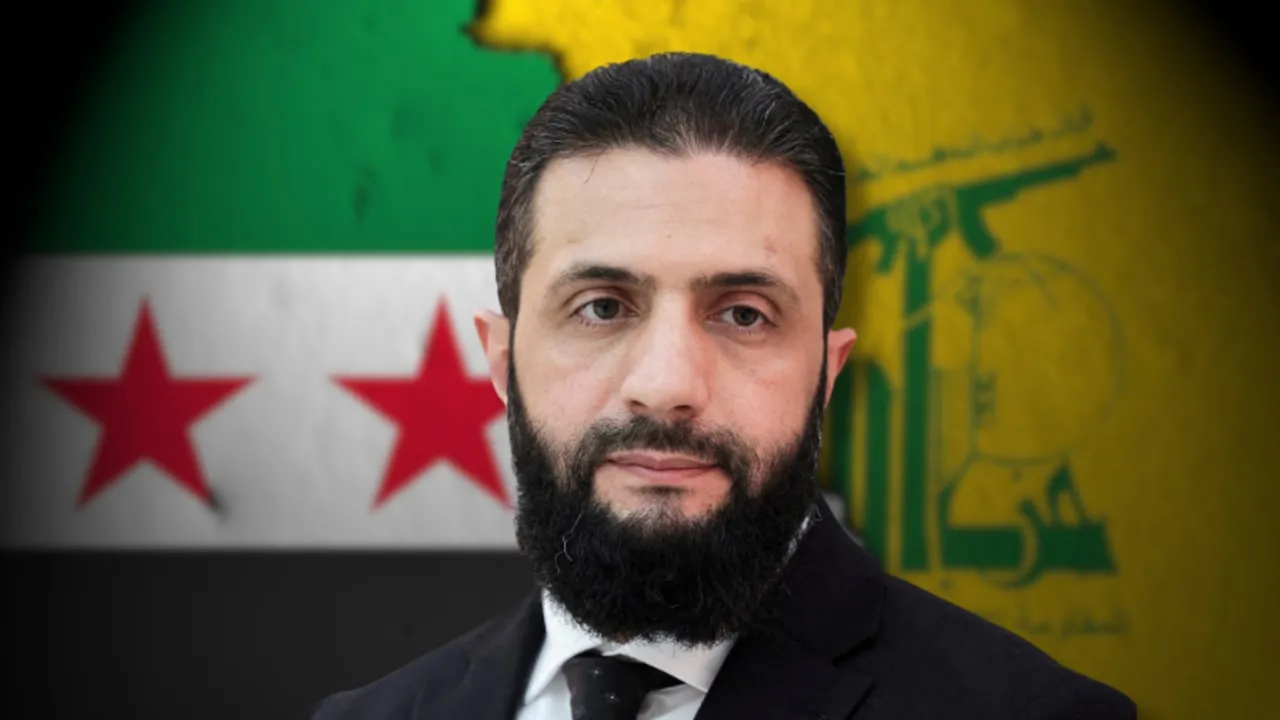
Since taking office, Sharaa has sought to project a framework of official cooperation with Beirut. In August 2025, he said Syria could have retaliated against Hezbollah “for what they did in Syria over the past 14 years” but chose not to pursue that course. Last March, he voiced support for Lebanese President Joseph Aoun’s efforts to ensure that weapons remain solely in the hands of the Lebanese state.
In May, Lebanese Prime Minister Nawaf Salam visited Damascus and met with Sharaa, stating afterward that Lebanon would not allow its territory to be used to harm Syria. President Aoun also confirmed ongoing coordination between the two countries’ military and security institutions.
Those messages, however, have not dispelled Lebanese concerns about Syria reasserting influence over internal Lebanese affairs. Those concerns have been reinforced by Sharaa’s silence regarding Trump’s comments and his refusal to clarify what role, if any, Damascus would be willing to assume.
Syria’s Sharaa tests limits
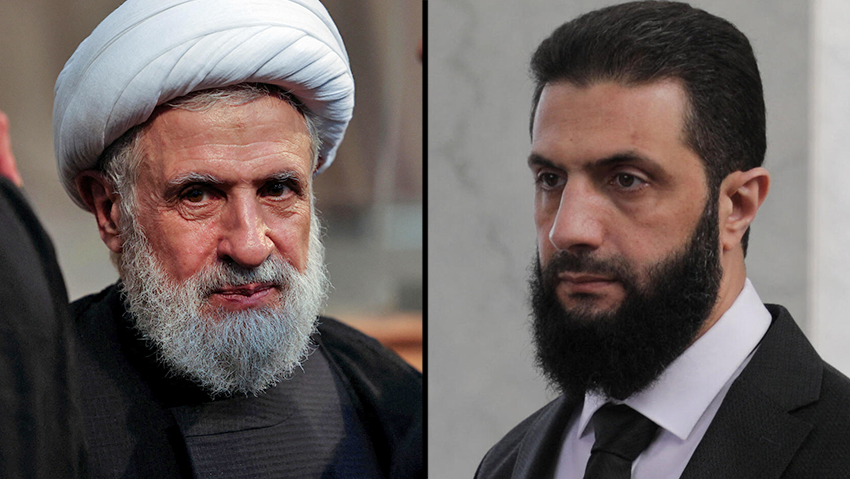
Military strategist Issmat Al-Absi believes Trump’s remarks were intended primarily to increase pressure on Hezbollah by suggesting the group could face additional fronts if the crisis continues, particularly amid the ongoing Iran-Israel confrontation.
Nawar Shaaban, a researcher at the Arab Center for Contemporary Syria Studies, sees no evidence in Trump’s comments of any operational agreement between Washington and Damascus regarding Hezbollah. He told Alhurra that the remarks appeared more like “a political message” or a test of Syria’s willingness to engage.
Shaaban said repeated discussion of a Syrian role reflects a broader U.S. effort to integrate Damascus into regional security arrangements, particularly regarding border control, disrupting smuggling networks, and monitoring Hezbollah’s movements.
Al-Absi argued that the issue is not merely Syria’s capability, but the cost involved. The Syrian government, he said, remains focused on rebuilding state institutions and consolidating internal stability after years of war and division. Any direct confrontation with Hezbollah would therefore carry significant security, political, and economic risks.
According to Al-Absi, Damascus also has incentives to improve ties with Washington, including longstanding hostility toward Hezbollah over its role in the Syrian war, accusations that Hezbollah-linked cells have sought to undermine stability, and Syria’s desire to strengthen international relations, advance reconstruction efforts, and emerge from diplomatic isolation.
Shaaban believes the most realistic Syrian role would remain confined to Syrian territory through tighter border controls, dismantling smuggling networks, and preventing Syria from serving as a corridor for weapons transfers. He noted that Syrian authorities have announced several arms seizures and the dismantling of Hezbollah-linked cells in recent months.
Any role extending beyond Syria’s borders, he said, would require political cover from Beirut, significant military and intelligence capabilities, and a willingness to confront potential retaliation from Hezbollah and Iran—conditions that “do not appear to exist at present.”
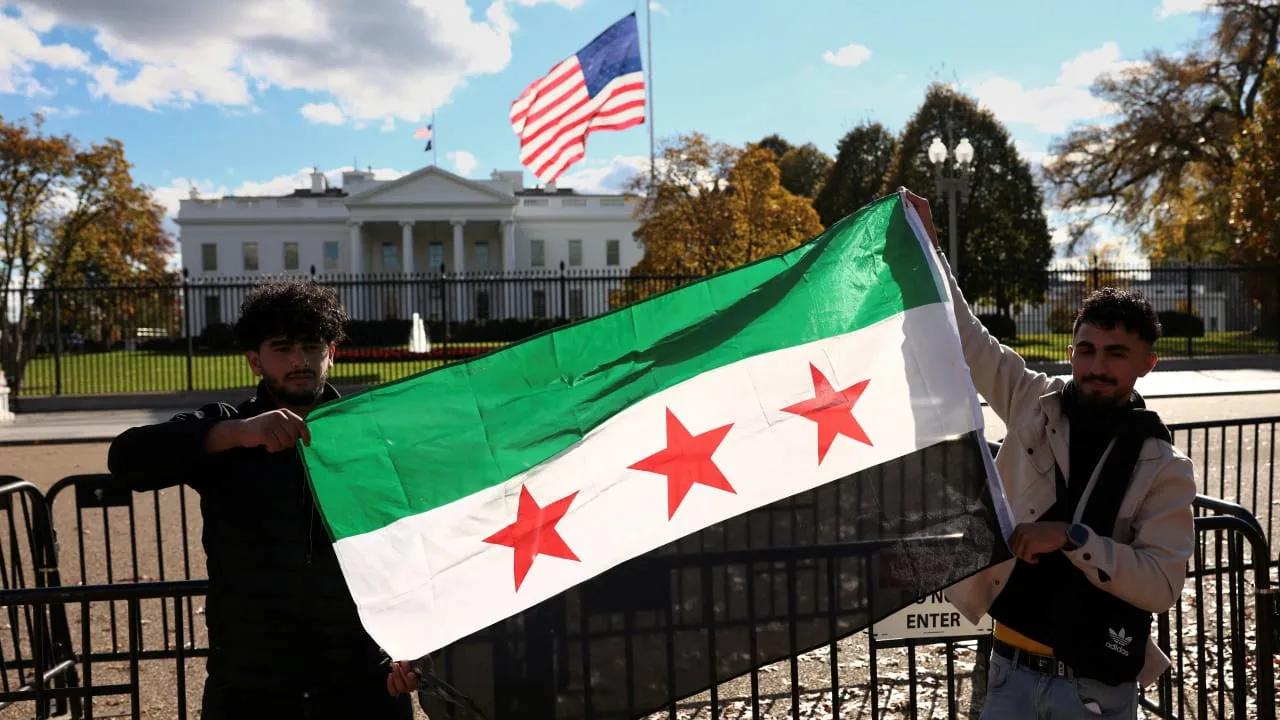
Revisiting Syria’s Sharaa role
Within Lebanon, the prospect of direct Syrian intervention appears broadly unacceptable.
Lebanese lawmaker Nazih Matta told Alhurra: “We want the Lebanese state to fulfill its responsibilities and for the Lebanese army to assume its full duties so that there is no need for any external party to intervene on Lebanese territory.”
He argued that resolving Hezbollah’s weapons issue must remain the responsibility of the Lebanese state, adding that if Hezbollah complies with the constitution, hands over its weapons, and allows the Lebanese army to exercise authority across the country’s territory, “even Israel would have no reason to intervene.”
Lebanese MP Salim Sayegh said the issue could be addressed through political negotiations or by implementing existing laws and international resolutions.
Speaking to Alhurra, Sayegh said potential alternatives could include a multinational force, a division of security responsibilities among Israel, Syria, and the Lebanese state, or a United Nations Security Council resolution under Chapter VII authorizing the use of force under international supervision.
Sayegh warned that any Syrian intervention would provide Hezbollah with an additional justification for retaining its weapons and reinforce perceptions that the Lebanese state is incapable of managing its sovereign affairs. He added that he does not believe Syrians are eager to return to “Lebanon’s shifting sands.”
Alwan said Damascus is approaching the Lebanese file cautiously because it seeks to avoid becoming entangled in a process that could threaten its internal stability or trigger new political and social crises, particularly given the historical memory shared by Syrians and Lebanese regarding previous phases of bilateral relations.
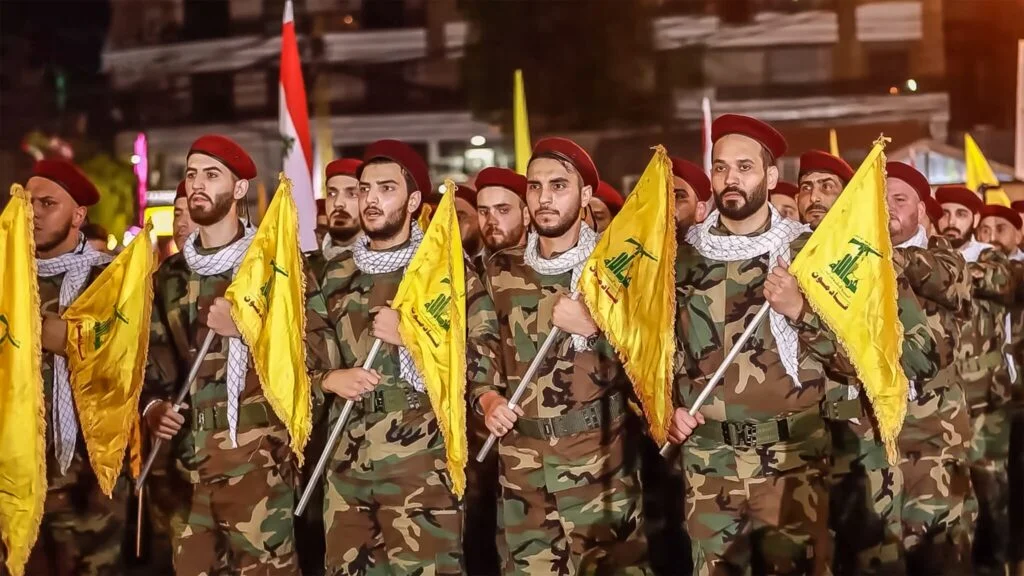
Al-Absi likewise believes any Syrian intervention against Hezbollah would confront two contradictory realities: widespread Lebanese frustration with Hezbollah’s arsenal and deep historical sensitivities toward any renewed Syrian role inside Lebanon. He therefore considers direct intervention unlikely as Damascus focuses on improving relations with its neighbors.
Shaaban argued that Syria has no clear strategic interest in direct involvement inside Lebanon, since such a move could be interpreted as alignment with Israel, trigger serious security repercussions, embarrass the Lebanese state, and weaken its institutions.
Between Trump’s remarks and Damascus’ strategic calculations, experts say the scope for any Syrian role appears far narrower than the headlines generated by the U.S. president’s comments. The most likely scenario remains enhanced border security and anti-smuggling efforts rather than military intervention inside Lebanon or direct confrontation with Hezbollah.
Yet merely introducing Syria into the debate over Hezbollah’s weapons raises a broader question that continues to haunt Lebanon: who ultimately controls the country’s security decisions?