
Ethiopia faces escalating confrontation in Tigray and growing tensions with Eritrea over Red Sea port access. Encouraging formal ties with Hargeisa offers Addis Ababa secure maritime trade corridors while neutralizing regional proxy threats near vital Gulf shipping lanes.
Navigating escalating military tensions across the Horn of Africa demands immediate strategy shifts from Western allies. Direct Somaliland Recognition gives Addis Ababa secure Red Sea trade access without seizing disputed coastal territory from neighboring nations. Securing this maritime access defuses immediate conflict triggers between Ethiopian armed forces and Eritrean border defense units. Strategic American backing for Somaliland Recognition establishes a stabilizing counterweight against rival global influence in critical Bab-el-Mandeb shipping lanes.
Somaliland Recognition Halts War
The Horn of Africa risks a new war amid an intense power struggle between the Ethiopian federal government and the separatist Tigray People’s Liberation Front (TPLF) in the Tigray Region. As Ethiopia renews its push for Red Sea access, clashes with the TPLF risk expanding into a broader confrontation with Eritrea. Further conflict in the Horn of Africa would be a strategic disaster for the West, cementing the influence of regional powers in an already sensitive maritime corridor.
Revisiting Ethiopian recognition of Somaliland could address Ethiopia’s Red Sea insecurity and reduce the spread of violence. Decisive action is needed from Washington, however, to encourage this dormant solution in the face of local opposition.
Unrest in Tigray has intensified as the federal government and the Tigray People’s Liberation Front compete to secure control of the region. Tigray, Ethiopia’s northernmost state bordering Eritrea, was the epicenter of a brutal war between 2020 and 2022: the 2022 Pretoria Agreement aimed to end the conflict, yet disagreements over power-sharing persisted.
By May 2026, the TPLF reinstated the pre-war Tigray regional council—a move that deepened the rift with the central government under Prime Minister Abiy Ahmed. Recent reports have emerged of forced civilian recruitment by the TPLF-aligned Tigray Defense Force, as fears of renewed fighting rise.
Why Somaliland Recognition Matters
This ongoing crisis has provoked renewed hostilities between Ethiopia and Eritrea. Despite a brief alliance against the TPLF in the Tigray War, relations are once again strained. Addis Ababa has accused Asmara of backing the TPLF, a cooperation that is indeed likely to materialize should civil war break out.
Underpinning accusations of collusion lies a deeper source of tension—the Red Sea. The secession of Eritrea in 1993 left Ethiopia landlocked, a loss that continues to sour Ethiopia’s politics, both domestically and diplomatically. Abiy Ahmed’s increasingly urgent calls for access to the coastline have fueled Eritrea’s fears that the Port of Assab could become a target of Ethiopia’s maritime ambitions, causing further friction.
Revived fighting in the region not only risks large-scale humanitarian crises, but further threatens counterterrorism efforts against groups such as Al-Shabaab, consequences that the West cannot afford.
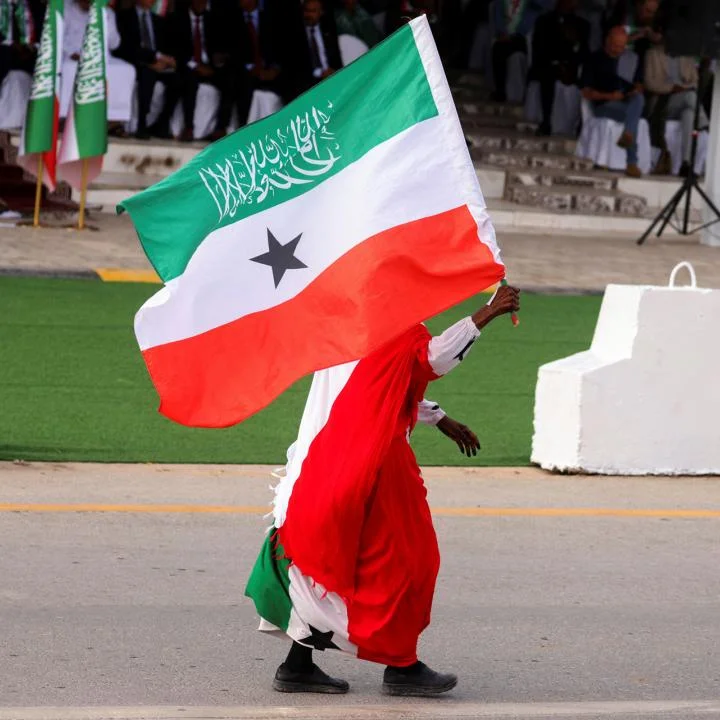
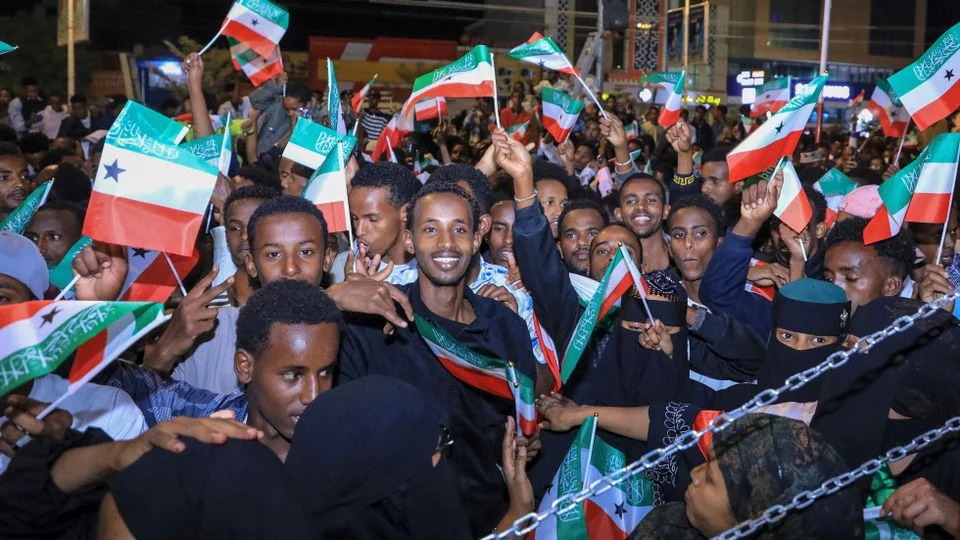
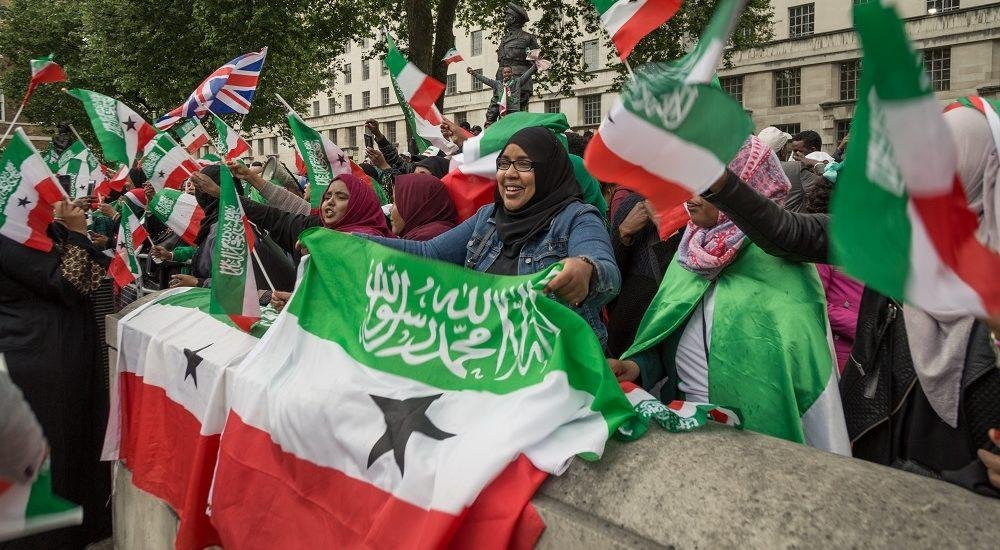
While conditions for conflict are ever-present, and maritime security perceived as existential, war is not inevitable. Somaliland declared independence from Somalia in 1991, yet has only been formally recognized by one UN member state—Israel. The country has operated as a de facto state for over three decades, with its own currency, airport and democratic institutions.
Diplomacy Demands Somaliland Recognition
Signed on January 1, 2024, a memorandum of understanding reportedly envisaged granting Ethiopia access to around 20 kilometers (12 miles) of Somaliland coast in exchange for formal recognition. Although bilateral ties between Ethiopia and Somaliland remain warm, no meaningful steps have been taken to implement the MoU’s proposals. Following strong opposition from Somalia, the Turkish-brokered Ankara Declaration effectively sidelined Ethiopian recognition of Somaliland.
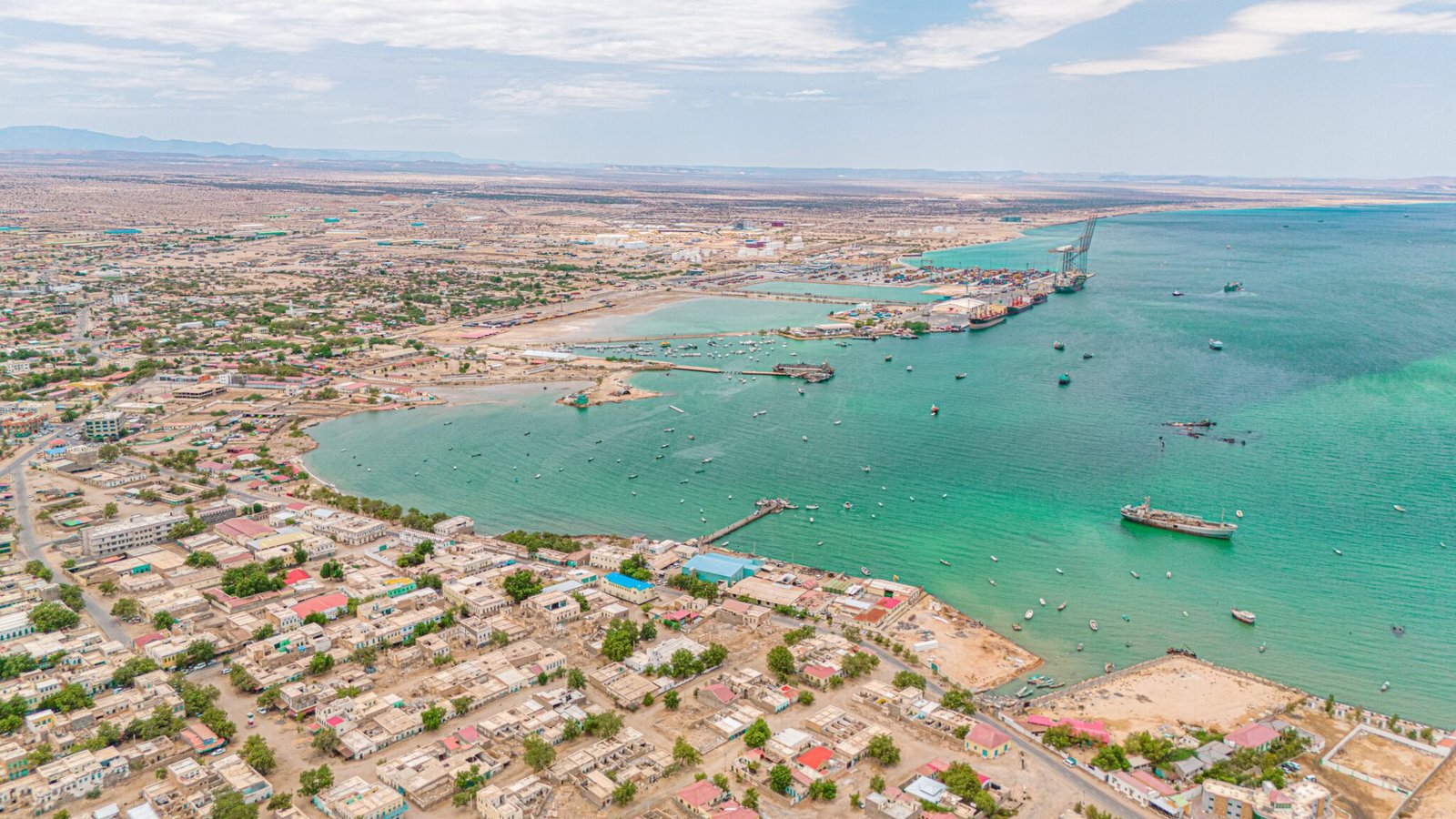
Currently, Ethiopia relies on Djibouti for around 95 percent of its import and export traffic, an expensive dependence. While the MoU promised Ethiopia access to Somaliland coast for a naval base, strengthened relations could also expand Ethiopia’s commercial access to Somaliland’s Port of Berbera. Development of the Berbera Corridor has made this an attractive alternative to reliance on Djibouti.
Washington should quietly encourage Ethiopian recognition of Somaliland. The UAE, the UK, and Ethiopia all hold stakes in the Port of Berbera; Somaliland serves as a promising partner for the West, particularly as China’s strong presence in Djibouti may expand into Ethiopia. In fostering dialogue between Ethiopia and Somaliland, the United States would be making an early investment in relations with Somaliland. This move could see long-term economic and strategic gains. Targeted US diplomacy is necessary to secure both Washington’s strategic influence in the region and demonstrate initiative in maintaining regional stability.
With careful diplomatic facilitation, an Ethiopia-Somaliland deal could contribute to de-escalation with Eritrea. Currently, Addis Ababa’s search for the Red Sea coast is the overarching driver of tensions between the two states. Secured military and commercial access to Somaliland’s ports could encourage more restrained rhetoric towards Eritrea from Abiy, and ease Asmara’s concerns about Ethiopia’s territorial encroachment. This could address Eritrea’s motivation to back insurgent forces in Ethiopia.
Somaliland Recognition Limits Conflict
Prevention in Tigray is not as clear-cut; the region’s unrest is a complex domestic issue, and not one that can be solved through Red Sea access alone.
What Somaliland recognition could provide is conflict containment. With lessened fears of Addis Ababa’s expansionism, Eritrea’s incentives to leverage Tigray instability against Ethiopia could be minimized. An absence of Eritrean backing may limit the scale of fighting in Tigray and help mitigate the risk of conflict spillover. Given that allegations of TPLF-Eritrean alliance may serve as a future pretext for an Ethiopian coastline grab, Somaliland maritime access could keep turmoil within Ethiopian borders.
Although recognition may appear symbolic, the consequences are anything but. Recognition is risky and faces significant barriers from local powers. Mogadishu has previously voiced anxieties around Ethiopia’s recognition of Somaliland, and threatened to expel Ethiopian troops from Somalia following the MoU’s signing in 2024.
Turkey, a growing influence in the region, has routinely advocated for Somali interests—not least because Somalia hosts Turkey’s largest overseas military base, Camp TURKSOM. A warning against Somaliland recognition accompanied Erdogan’s February visit to Addis Ababa. As Ankara seeks to consolidate power in the region, reinforcing a hardline approach toward Somaliland is a core tactic for solidifying its influence.
How Somaliland Recognition Wins
Egypt similarly condemned any recognition of Somaliland, and continues to strengthen relations with Somalia and Eritrea in the midst of Nile hostilities with Ethiopia. Both Turkey and Egypt claim to be making attempts to steer Ethiopia toward alternative forms of coastal access. Yet years of negotiations and little progress have led Abiy to make increasingly bold demands.
A counterbalance to Turkish and Egyptian influence in the region is necessary to cultivate stronger Ethiopian-Somaliland relations. The United States, however, continues to uphold a “One Somalia policy,” with a recent State Department Report on Somaliland stating, “The United States recognizes the sovereignty and territorial integrity of the Federal Republic of Somalia, which includes the region of Somaliland.” Rumors of lifting US sanctions on Eritrea may further dissuade Ethiopia from considering the Somaliland coast as an option for Red Sea access.
Currently, a major barrier to recognition is Ethiopia’s fears of regional and international backlash. Although recognition of Somaliland remains the least violent solution to Ethiopia’s Red Sea dilemma, the current political climate will not permit this diplomatic step. Israeli President Isaac Herzog’s visit to Ethiopia signals Israeli leadership in encouraging formal recognition, yet Israeli support alone is not enough. Washington must take a firmer approach to the Horn of Africa to create the conditions for regional stability in a joint effort with the UAE and Israel. As the region becomes a theater for proxies, it is no longer feasible to ignore the need for Western shuttle diplomacy.
The Horn of Africa stands at a dangerous crossroads. Ethiopia is struggling domestically, with renewed fighting in the north, millions in Tigray barred from voting in the June election, and food insecurity exacerbated by the Iran War. Abiy is increasingly wielding Red Sea rhetoric to consolidate legitimacy, rhetoric that may ultimately translate to force. Without decisive US involvement, diplomacy is increasingly likely to give way to confrontation, closing one of the few peaceful avenues to resolving Ethiopia’s Red Sea dilemma.