
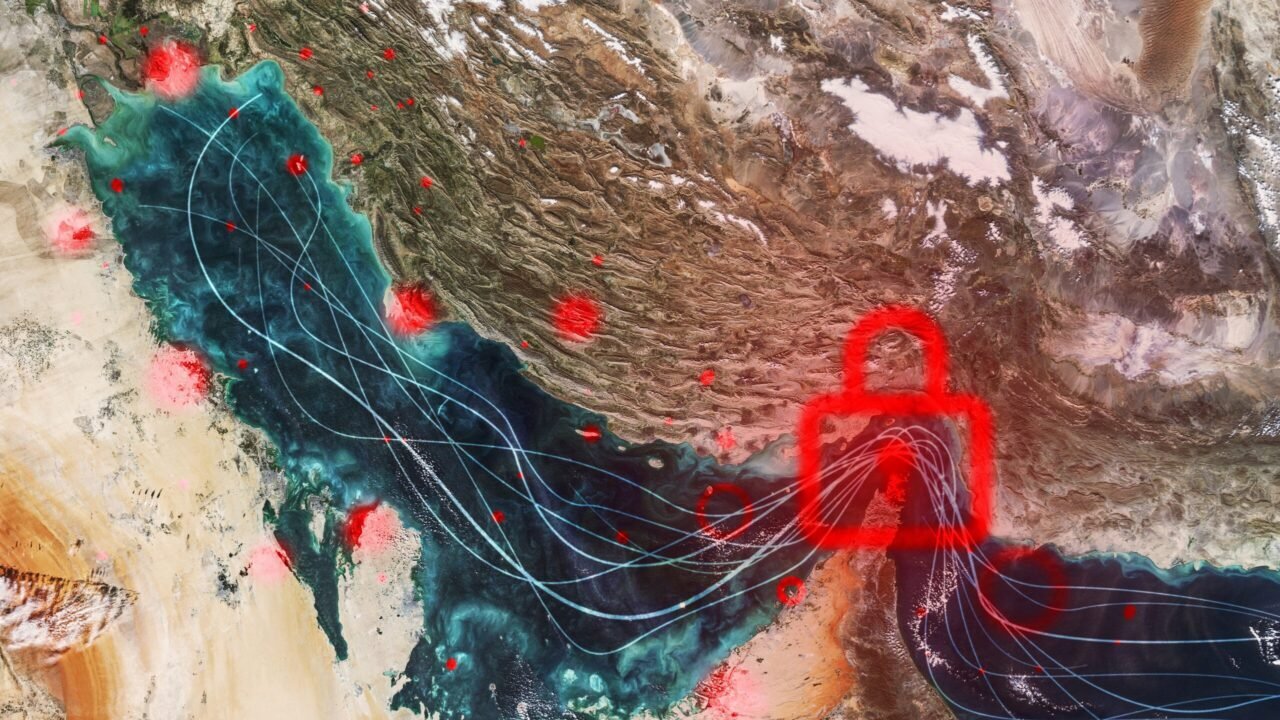
This strategic analysis evaluates the limits of unilateral coercion in US-Iran diplomacy, proposing a shift toward calibrated economic statecraft, graduated sanctions relief, and mutual capital investments to resolve the regional nuclear impasse.
Global nonproliferation efforts and regional security deadlocks demand an immediate shift from blunt military coercion to sophisticated economic statecraft. Unilateral pressure campaigns consistently fail to achieve compliance when detached from structural market incentives. To dissolve deep-seated adversarial impasses, the orchestration of a multi-tiered framework utilizing innovative economic statecraft offers a viable, high-leverage path to sustainable stabilization.
Economic Statecraft Maximizes Diplomatic Leverage
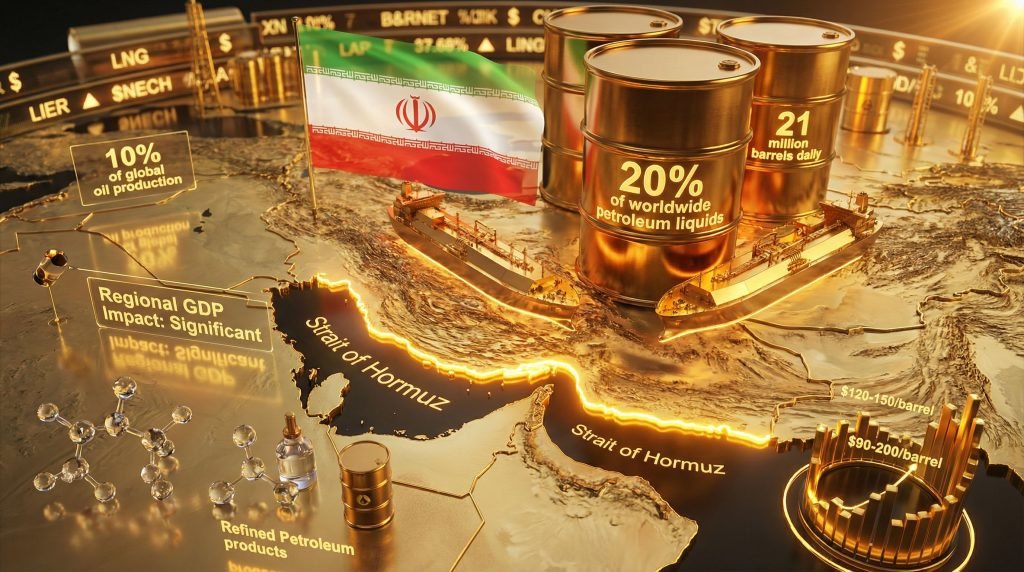
With US-Iran talks to open the Strait of Hormuz and limit the latter’s nuclear program still unresolved, and the ceasefire now breaking down into exchanges of bombs and missiles, the United States needs a more flexible diplomatic strategy. Relying primarily on coercive means and threats of military force has not worked so far and will only prolong the crisis. Inducements are also needed to reach an agreement. Sanctions relief and a post-war investment fund could be key to ending the conflict.
US Secretary of State Marco Rubio recently testified to the Senate Foreign Relations Committee that sanctions relief is being considered in negotiations with Iran. Sanctions relief would not be offered “up front,” he said, and not only in exchange for opening the strait but also in return for concessions on the nuclear program. The secretary’s statement is a positive sign that diplomacy is moving forward, but a more calibrated approach and broader forms of economic statecraft are also needed. Sanctions relief can provide effective bargaining leverage to gain reciprocal concessions, as case studies illustrate.
Deploying Economic Statecraft Effectively
In the negotiations leading to the 2015 Iran deal, the offer to lift sanctions was decisive in gaining Iranian acceptance. The United States, European states, and the UN Security Council simultaneously lifted sanctions in exchange for Iran’s agreement to turn over 98 percent of its nuclear material, shut down most of its enrichment capacity, and halt plutonium production, among other concessions.
Libya’s decisions in the 1990s and early 2000s to end its support for terrorism and give up weapons of mass destruction were in response to the removal of US and UN Security Council sanctions in exchange for policy compliance. For Libyan officials, the desire to modernize the economy and attract Western investment was a primary motivation for accepting US demands.
Prioritizing Robust Economic Statecraft
The history of nonproliferation teaches that nations can be persuaded to give up nuclear weapons programs if political leaders believe this is in their national interest. Positive inducements can influence that calculus and are more effective than an overreliance on coercive measures.
To date, Washington has relied primarily on “maximum pressure” sanctions that have been gradually intensified since 2018. These sanctions have created significant economic damage and social hardship in Iran, but they have not forced the regime to submit to US demands. On the contrary, the severity of sanctions may have contributed to the hardening of Tehran’s attitude toward Washington.
Economic Statecraft Facilitates De-escalation
Easing these pressures could help to create conditions for more effective negotiations. Scholars have identified menus of graduated sanctions relief for this purpose. The process could begin with modest initial actions, such as granting exemptions and relaxing certain measures, and lead through additional steps to the suspension and formal lifting of sanctions. Each move toward easing sanctions would be linked to reciprocal concessions by the targeted regime.
In the case of Iran, with multiple US sanctions in place against hundreds of designated individuals and entities, there are many opportunities for graduated sanctions relief. The United States could begin easing measures on certain entities in return for specific Iranian gestures to reduce tensions.
Harnessing Economic Statecraft Strategically
Much of the discussion of sanctions relief has focused on the release of frozen assets, which are financial instruments owned by Iran and held by banks in multiple countries. Iranian leaders have demanded the release of $12 billion in assets held in Qatar as a precondition for talks. That’s not a realistic stance, but it indicates Tehran’s desire to regain those assets. It suggests that guarantees of asset release as part of the bargaining process could be an effective inducement to secure Iranian compliance.
Another significant economic benefit for Iran, the United States, and other countries would be the creation of a post-war investment fund. In discussions during February over a possible new nuclear deal, Tehran raised the option of a “commercial bonanza.” If an agreement is signed, as proposed by officials, the United States would have the chance to participate in a future civil nuclear program in Iran, as well as pursue joint interests in oil and gas, investments in mining, and even the purchase of civilian aircraft.
Recent language in the emerging draft memorandum of agreement between Iran and the United States mentions a possible $300 billion investment fund, though nothing is confirmed yet. US envoys Steve Witkoff and Jared Kushner previously raised a variant of this idea in proposing investment in potential real estate projects in Iran. A post-war investment fund could be included in the final deal with Iran as an inducement to agreement and as a basis for beginning to build commercial relationships between the two countries.
A greater emphasis on economic statecraft will help to broaden the US policy toolbox beyond punitive measures by adding methods of persuasion. It introduces market-based mechanisms that can provide positive motivations for both sides to take steps toward ending the conflict.