
The collapse of the Iran ceasefire proves military force cannot secure long-term stability. Data from Egypt shows that US-backed private equity can double taxpayer funds, support seventy thousand jobs, and strengthen vital alliances despite severe local currency devaluations.
Washington faces a stark reality as military options in the region yield diminishing returns. The breakdown of regional ceasefires proves that guns alone cannot buy long-term stability. To counter rising threats, the United States must deploy a new economic development strategy focused on commercial investment rather than foreign aid. Embracing this economic development approach transforms local private markets into strategic alliances that protect Western interests while generating actual financial returns.
Economic Development Recalibrates Strategic Focus
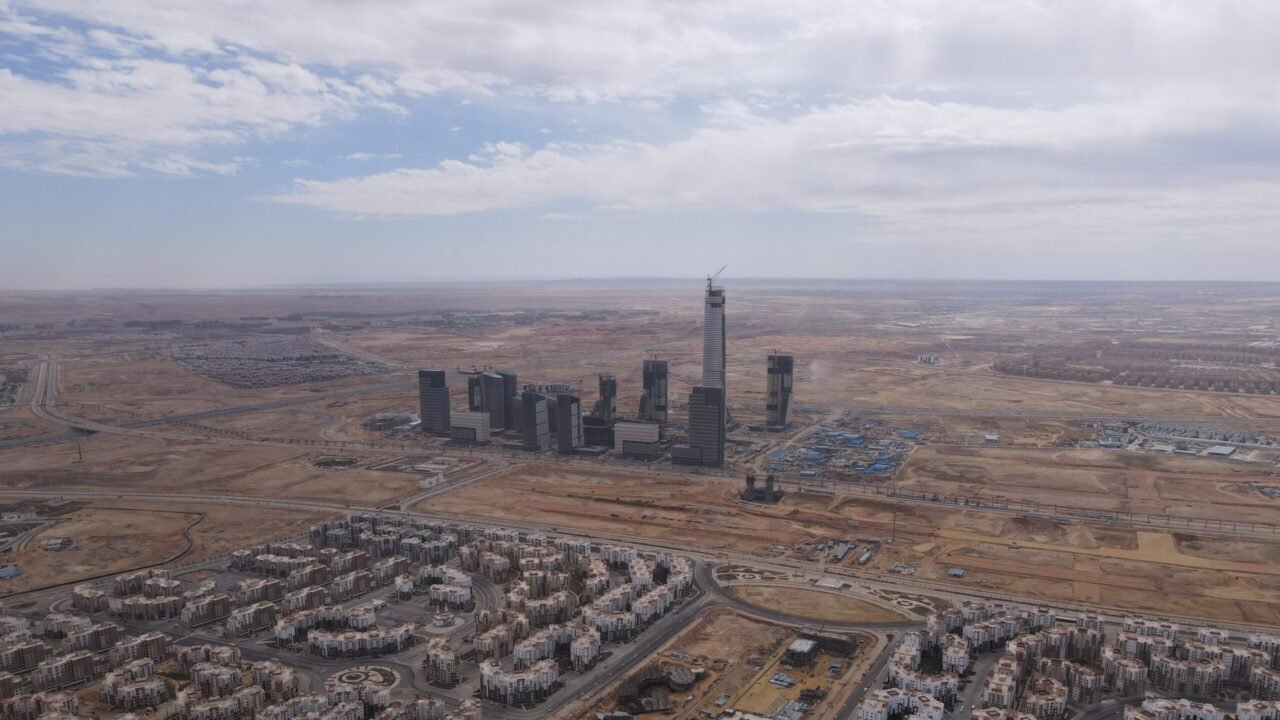
As the ceasefire with Iran collapses, one thing is clear—America needs a new playbook for the Middle East. After a nearly four-month conflict destabilized the region and roiled global energy markets, Washington has once again run headlong into a familiar reality: military power can secure short-term gains, but it cannot, by itself, deliver lasting strategic success. The question is what comes next. One answer may be found in a quiet American success story in Egypt—rooted not in intervention but in investment.
Authorized by Congress to support Egypt’s private sector after the 2011 revolution destabilized one of Washington’s key regional security partners, the Egyptian-American Enterprise Fund (EAEF) has become an unexpected success. Despite two revolutions, multiple macroeconomic shocks, and nearly being terminated during USAID’s closure, this US government-backed investment vehicle has done something unheard of in foreign aid: it has nearly doubled the American taxpayer’s money. And it’s done so in a country where the local currency has lost more than 80 percent of its value since 2016.
How? By relying on Egyptian talent.
Why Economic Development Secures Alliances
After 2011, Egypt’s economy was in crisis. Foreign investment had fled, tourism was collapsing, and anti-American sentiment was on the rise. To navigate a fluid environment, we made an important early decision: we would not parachute in Americans to help us invest. Instead, we would rely on Egyptians to be our partners.
In 2014, we began working with Lorax Capital Partners, a first-time private equity firm that helped define our early investment strategy. In 2015, Lorax helped us make our first investment in Fawry, Egypt’s largest digital payments platform. Today, Fawry provides electronic payment services to 55 million Egyptians, almost half the country. On a financial basis, Fawry has generated over $93 million in proceeds for the American taxpayer—nearly five times our original investment—with EAEF still retaining a stake in the company.
Another investment in one of Egypt’s largest consumer finance platforms has provided credit to hundreds of thousands of Egyptians who lack access to basic financial services. Together, these companies have generated over $150 million in proceeds for the American taxpayer and reflect a strategy to invest in growing companies that could reach millions while thriving amid volatility.
Scaling Global Economic Development
But this is only a small sample of EAEF’s track record.
Today, EAEF is one of the largest US-backed investors in Egypt. It works with seven first-time Egyptian fund managers, supports nearly 70,000 Egyptian jobs, and has assets with an estimated market value exceeding $500 million—almost double the $300 million in congressional funding it has received.
The lesson isn’t just that enterprise funds can earn a profit. It is that fostering private sector development in strategically important countries can advance US interests and generate returns for taxpayers. And if this model could succeed in Egypt despite repeated devaluations and regional instability, it can be replicated in other countries.
Economic Development Protects Future Markets
The administration has already taken notice. Its FY 2027 budget and new supplemental request seek broad authority from Congress to create new enterprise funds. Done right, this could give Washington a powerful tool for commercial diplomacy. Done poorly, it risks turning a proven investment model into another politicized aid program.
Success starts with strong management. Enterprise funds should have independent boards of directors composed of investment professionals from the United States and the host country with the expertise to protect taxpayer money and maximize returns. Just as important, enterprise funds should rely on local partners. On-the-ground investment professionals are critical to navigating emerging markets and effectively deploying taxpayer capital.
Private equity also helps align incentives. By linking compensation to investment performance, fund managers are rewarded for identifying promising companies and helping them grow. This results in stronger businesses, better returns, and can deepen commercial ties between local investors and the United States.
How Economic Development Yields Profit
Guardrails are also critical. Strict conflict-of-interest provisions and reporting requirements that keep Congress informed can help safeguard taxpayer funds without undermining the flexibility of the enterprise fund model. Enterprise funds work because they can support US foreign policy while moving with the speed and discipline of the private sector.
At a time when many are questioning the costs of US military power, enterprise funds offer an investment-driven model to expand America’s playbook in the Middle East. These private sector-led funds can advance US strategic interests by building durable partnerships around shared economic interests while also turning a profit. Managed well, enterprise funds can become a core pillar of US foreign policy in the Middle East and beyond.
That’s soft power that pays.