
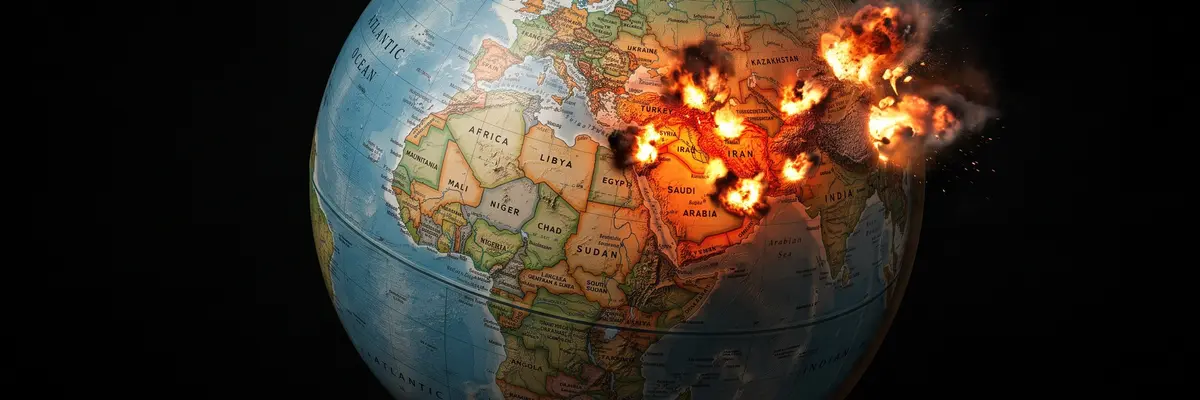
The U.S.-Iran war has triggered a collapse of Middle East sovereignty, spreading cross-border strikes from Iraq to Egypt and merging conflicts, as Westphalian norms dissolve into regional disorder.
The accelerating fragmentation of political order has exposed a profound crisis in Middle East sovereignty, as states that once projected authority over their territories now see their borders routinely violated by missiles, drones, and foreign ground forces.
This erosion of Middle East sovereignty, far from being an unintended byproduct of the U.S.-Iran war, functions as the conflict’s core mechanism, enabling horizontal escalation that draws in ever more states. Iranian strikes on Saudi Arabia and the UAE, retaliatory attacks in Kuwait and Bahrain, and the spread of violence to Egypt’s Mediterranean coast illustrate how rapidly the collapse of sovereign norms becomes a regional contagion.
The phenomenon echoes the Thirty Years War, where a tangle of religious and political rivalries shattered the Holy Roman Empire’s sovereign framework. In today’s Middle East, the breakdown permits overlapping wars—the U.S.-Iran conflict merging with the Russian war in Ukraine via a Caspian Sea strike—and turns mediators like Oman into targets. The path to order requires not a hegemon but a genuine embrace of sovereign equality, yet the current trajectory suggests that exhaustion, not principle, may force a halt to the dissolution of state authority.
Middle East Sovereignty Fuels Horizontal Escalation
Those who anticipated that a U.S. war against Iran would risk igniting a region-wide conflagration are looking prescient.
The latest metastasis of the conflict has included airstrikes by both the United States and Saudi Arabia in Iraq, against Iraqi militias seen as allied with Iran. The Houthi regime in Yemen, as a direct outgrowth of the U.S.-Iran war, has renewed attacks on shipping in the Red Sea. This has led to new fighting between the Houthis and Saudi Arabia, which is preparing a possible new offensive in Yemen and is attempting to draw in dozens of other countries on its side of this fray.
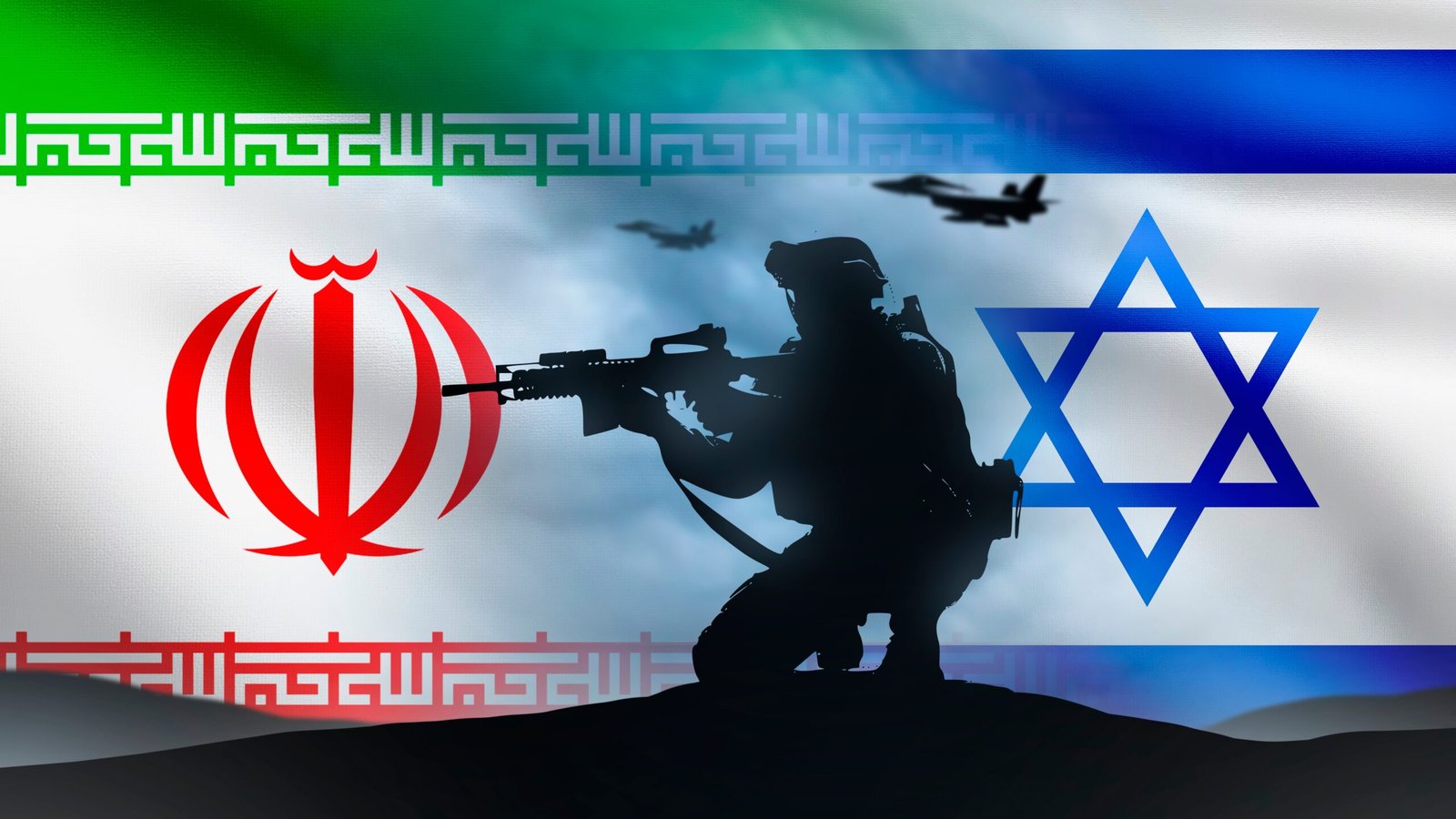
The Iranian strategy of responding to the U.S. and Israeli aggression through horizontal escalation has drawn in still more countries. Iranian strikes against Saudi Arabia and the UAE have led to Saudi and Emirati attacks in Iran. Other Iranian retaliatory strikes have occurred in Kuwait, Bahrain, Qatar, and Jordan, scene of the most recent American casualties.
Can Middle East Sovereignty Merge Distant Wars?
Violence spread last week to Egypt’s Mediterranean port of Damietta, where a drone of unknown origin caused fires on two vessels. Some suggest Iranian allies may have been responsible, but Iran, which has good relations with Egypt, denies any connection and suggests it may have been an Israeli false flag attack.
The violence related to the war in Iran is spreading far enough to start overlapping the Russian war against Ukraine, with a Ukrainian strike against a Russia-bound Iranian vessel in the Caspian Sea. A merging of the wars in Iran and Ukraine would appeal to at least one Middle Eastern state: Israel.
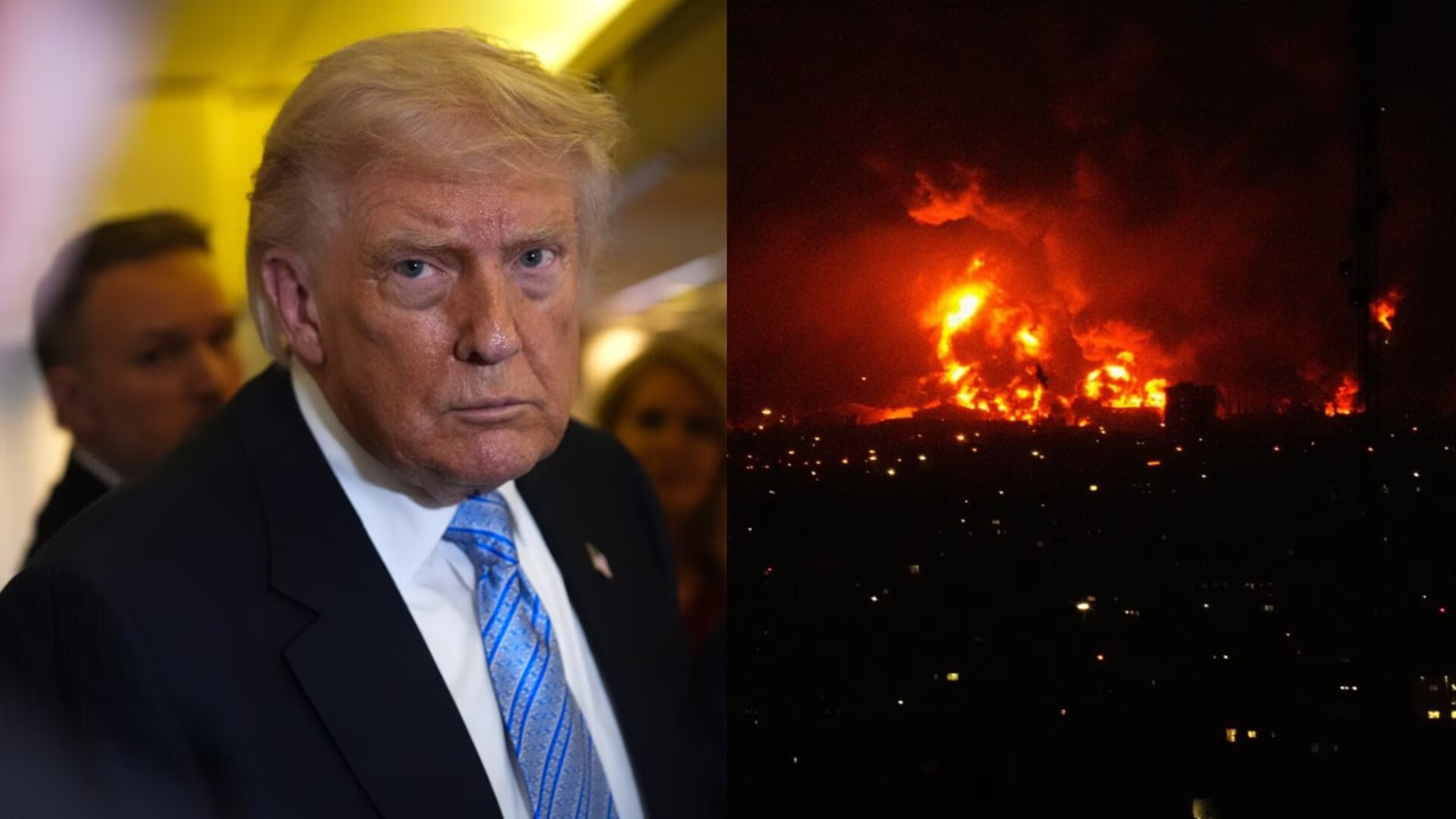
In addition to the actual spreading of violence, there is the threat of still more. President Donald Trump has at various times threatened not only to escalate attacks against civilian infrastructure in Iran but even to attack Oman, which has been one of the mediators trying to de-escalate the violence.
Old Conflicts Undermine Middle East Sovereignty
Violence related to the current war with Iran builds on lines of conflict that existed prior to the war. The United States already was using Iraqi territory—where, of course, it had waged an earlier major war of aggression—to do battle with Iran when it used a missile strike at the Baghdad airport in 2020 to kill Iranian military commander and political figure Qassem Soleimani. Iran retaliated with a missile attack on a base in Iraq housing U.S. troops.
Yemeni-Saudi fighting today was preceded years ago by a devastating Saudi air war against Yemen and extensive interference by both the Saudis and Emiratis in Yemen to promote an alternative to the Houthis. A later disagreement between those two Gulf Arab allies—with the UAE supporting a secessionist movement in southern Yemen—has taken a violent form on Yemeni territory.
The Houthis’ interference with Red Sea shipping reprises their earlier use of this tactic in response to the inhumane Israeli operations in the Gaza Strip. Other examples of extensive region-wide Israeli violence include past and present attacks in Lebanon and occupation of Lebanese territory, a prolonged air war against Syria, expanding occupation of Syrian territory, aerial attacks on the territories of Iraq and Qatar, and clandestine assassination operations in Iran, Jordan, and elsewhere.
Iraq’s Flagrant Middle East Sovereignty Violation
The Middle East has come to look like—to borrow a phrase from the seventeenth century political philosopher Thomas Hobbes—a war of all against all. The region is not unique in this regard; some parts of central and eastern Africa have exhibited comparable pervasive and contagious violence. But the Middle East currently stands out, especially in ways relevant to U.S. policy. Life in some of the hardest hit parts of the region, including but not limited to the Gaza Strip, is—to use another phrase from Hobbes—nasty, brutish, and short.
Iraqi Prime Minister Ali al-Zaidi, who presents himself as a friend of the United States and just last month met with President Trump at the White House, stated that the recent U.S. and Saudi attacks on militia targets in Iraq were a “flagrant violation of sovereignty.” A breakdown of the concept of national sovereignty characterizes the region-wide picture of attacks on, or occupation of, other nations’ territories.
Respect for the sovereignty of nation states is a bedrock principle of order in the current international system. The United Nations charter explicitly incorporates the “principle of the sovereign equality of all its members” and obligates members to “refrain in their international relations from the threat or use of force against the territorial integrity or political independence of any state.”
The only recognized justifiable exception to noninterference in the affairs of other states is the Responsibility to Protect, which involves intervention to forestall genocide or other severe offenses against human rights. But cross-border violence in the Middle East today is not protecting human rights and, in many cases, constitutes an offense against human rights.
Why Westphalia Defines Middle East Sovereignty
The concept of sovereignty of nation states is usually traced to the Peace of Westphalia of 1648. It thus was originally a European concept, but today non-Europeans place at least as much emphasis on it. China especially stresses the importance of non-interference in the affairs of other states, a theme that has resonance in most of the Global South.
The Peace of Westphalia ended the Thirty Years War in central Europe, which in its complexity, persistence, and number of belligerents resembled in many ways the contemporary Middle East. Each situation had a religious dimension, which in seventeenth century Europe was a contest between Catholics and Protestants. In the contemporary Middle East, there is animosity between Shia and Sunni and, insofar as Israel is concerned, Jewish nationalism. Each situation involved rivalries among lesser actors in the area in which warfare was waged as well as intervention by larger powers, which in the Thirty Years War mostly meant France and Sweden.

The fact that the Thirty Years War ended with a comprehensive peace settlement that incorporated an enduring principle of international order might give rise to optimism when thinking about the current disorder in the Middle East. But there is at least as much ground for pessimism, as well as cautionary lessons.
The Thirty Years War and Middle East Sovereignty
The Thirty Years War took a terrible toll. It ended not with kumbaya but instead with sheer exhaustion. It is not the kind of experience to be wished on any region, however hopeful one might be that exhaustion will lead to peace.
Intervention by major powers did not help and only made things worse by prolonging the warfare and the suffering. This was true of France’s intervention midway through the Thirty Years War. It is true as well of some of the U.S. military interventions in the Middle East, including the current one.
Hobbes’s thinking was influenced primarily by civil war in his native England but probably also by the mayhem on the European continent. His most famous work, Leviathan, was published three years after the Thirty Years War. His solution for establishing order within a single nation was an all-powerful sovereign who ruled with the implied consent of a social contract. The corresponding solution among a group of nations would be a hegemon strong enough to impose international order.
Middle East Sovereignty Rejects Hegemonic Solutions
The Thirty Years War and Westphalia, however, showed that this was not a viable solution. The obvious would-be hegemon in that situation was the Habsburg monarch in Vienna, who as emperor of the Holy Roman Empire, was supposed to have some order-enforcing authority over the portions of Europe where the war was fought. But the extent of that authority was itself an issue, in addition to the religious divisions, among the duchies and principalities that waged the war. The peace settlement affirmed the monarch’s sovereign power over the lands he ruled directly but weakened his role as emperor.
One lesson for contemporary U.S. policy on the Middle East is that hegemony — by the United States or anyone else, and even assuming it could be achieved — does not provide a way out of the current disorder.
Another lesson, consistent with the principle of nation-state sovereignty, is that victory by one ideological or religious camp over another is also not a way out of disorder. A modicum of peace in the Middle East will be achieved only when the kind of mutual respect and forbearance enshrined in the U.N. charter is widely observed, regardless of the inevitable continuing differences in the politics, ideologies, and religious faiths among states in the region.