
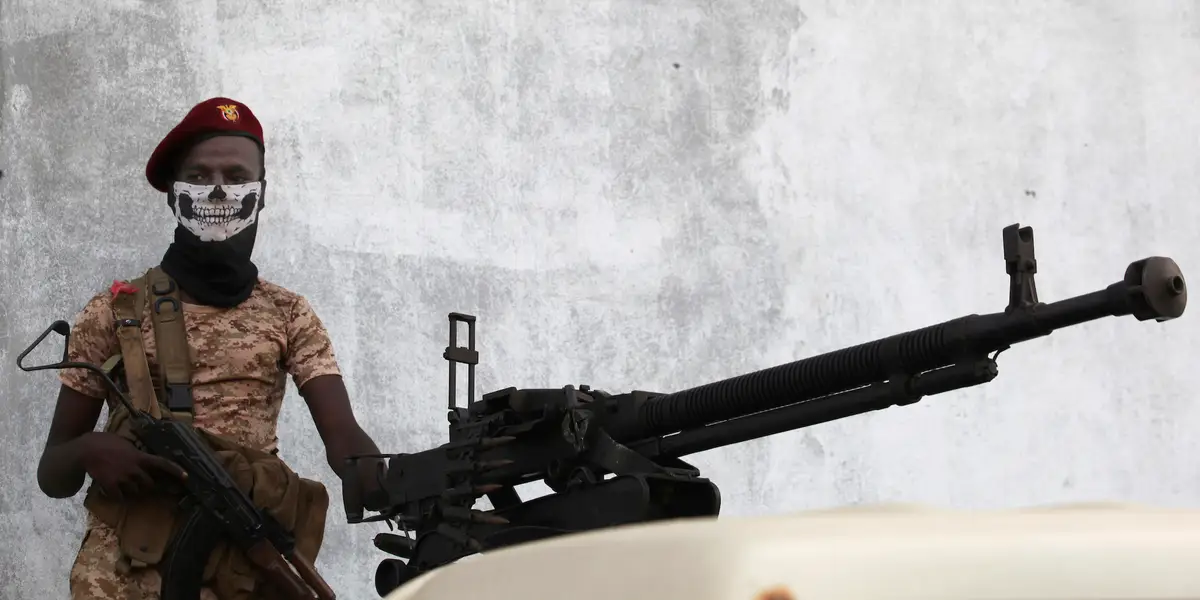
The ceasefire that suspended Yemen’s civil war since 2022 is collapsing as Houthi forces escalate attacks on government-held Marib, Hadramawt, and the port of Mocha, killing dozens. Saudi Arabia weighs military and diplomatic responses while the U.S. considers sanctions and interdiction.
The ceasefire that paused active combat in Yemen since 2022 is rapidly unraveling, thrusting the Yemen Civil War back into the regional spotlight. Houthi forces, emboldened by Iran’s broader confrontation with the United States, have launched a series of escalatory strikes on government-held positions and critical infrastructure, threatening to reignite a devastating conflict.
The Houthi maritime blockade of Saudi Arabia, declared on July 20, marked a deliberate expansion of hostilities beyond Yemen’s borders, yet the most immediate consequences are being felt inside the country. From August 6 onward, coordinated attacks targeted Marib’s oil-rich governorate, eastern Hadramawt, and the vital port of Mocha, killing dozens and wounding many more. The internationally recognized government, already struggling to maintain territorial control, faces a sophisticated adversary receiving consistent Iranian support.
The current offensive aims to shatter the static front lines established by the 2022 UN-brokered truce, raising the specter of a full-scale Yemen Civil War relapse. Saudi Arabia, the government’s primary backer, now confronts a dual dilemma: protecting its own territory from Houthi missile and drone strikes while deciding whether to commit forces to a renewed ground war. The kingdom’s hesitation leaves Yemeni counter-Houthi units dangerously exposed. Without decisive external intervention, the Houthi advance could redraw the conflict map, endanger Red Sea shipping lanes, and plunge millions of Yemenis back into active war.
Escalation Triggers a Dangerous New Phase
When the Houthis in Yemen entered the conflict between the United States and Iran on July 20 by announcing a maritime blockade of Saudi Arabia, it spelled danger in the Red Sea. Now, it appears Yemenis themselves may pay the highest price for the Houthis’ renewed violence.
The Iran-backed Houthis escalated their attacks on military and civilian targets across Yemen beginning on August 6. The group has since expanded its attacks, including a campaign against Mocha, the major government-controlled port on Yemen’s southern Red Sea coast. These attacks have reportedly left dozens of civilians and soldiers dead and more injured — the Houthis claim hundreds, but the internationally recognized government of Yemen has not shared an official number.
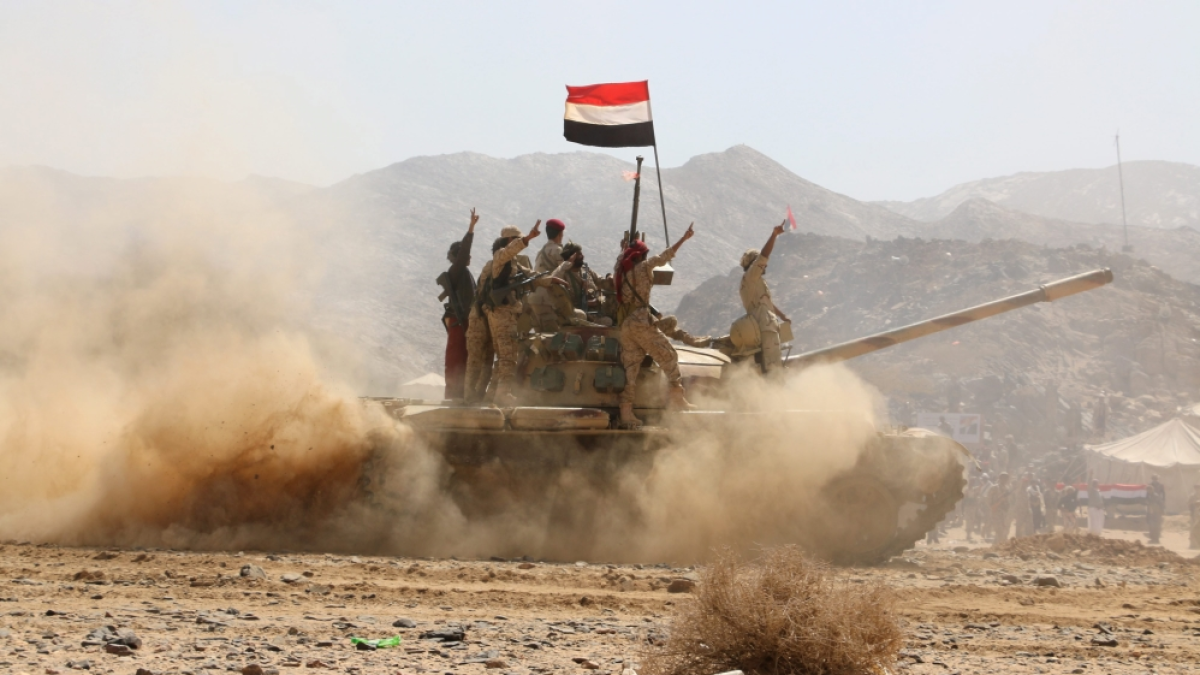
Will the Yemen Civil War Reignite?
The country’s conflict lines have remained largely static since a UN-brokered agreement in 2022 ended the civil war sparked by the Houthi seizure of Sanaa, Yemen’s capital, in 2014. Now, the group is escalating domestic attacks, hoping to expand its hold in the country. But Yemeni forces cannot counter the Houthis without the support of the Saudis, who have not committed to joining the fighting.
Houthis Attack Key Government Positions
The attacks on August 6 focused on government forces in Marib, a key frontline governorate in central Yemen with oil reserves and infrastructure, and Hadramawt, an eastern governorate where some Saudi-backed Yemeni forces are deployed. The ongoing Houthi attacks on Mocha have targeted military, civilian, and port infrastructure, according to Yemen’s Ministry of Defense. Mocha is the headquarters of the government-aligned National Resistance Forces, who are central to countering the Houthis on Yemen’s west coast and have intercepted major weapons-smuggling efforts.
Propaganda Frames Saudi Arabia as Enemy
Despite attacking Yemeni government and government-aligned forces, Houthi military media has characterized their attacks as “targeting Saudi enemy mobilizations.” Houthi propaganda portrays Riyadh’s measures to isolate and counter the terror group as oppressing Yemenis, thus casting the Houthis as national heroes for confronting the kingdom. In reality, Saudi Arabia supports the internationally recognized government of Yemen and acts at its request against the Houthis.
Riyadh Explores Military and Diplomatic Options in Yemen
In late July, Yemeni sources reported that Saudi Arabia was preparing for a possible military operation following Houthi attacks on Saudi infrastructure and vessels. Riyadh announced a 13-country maritime coalition to protect shipping in the Red Sea on July 30 and signed a mutual defense treaty with Pakistan and Turkey on August 7. It is uncertain how those two strategic partners will respond to Houthi attacks on Saudi Arabia.
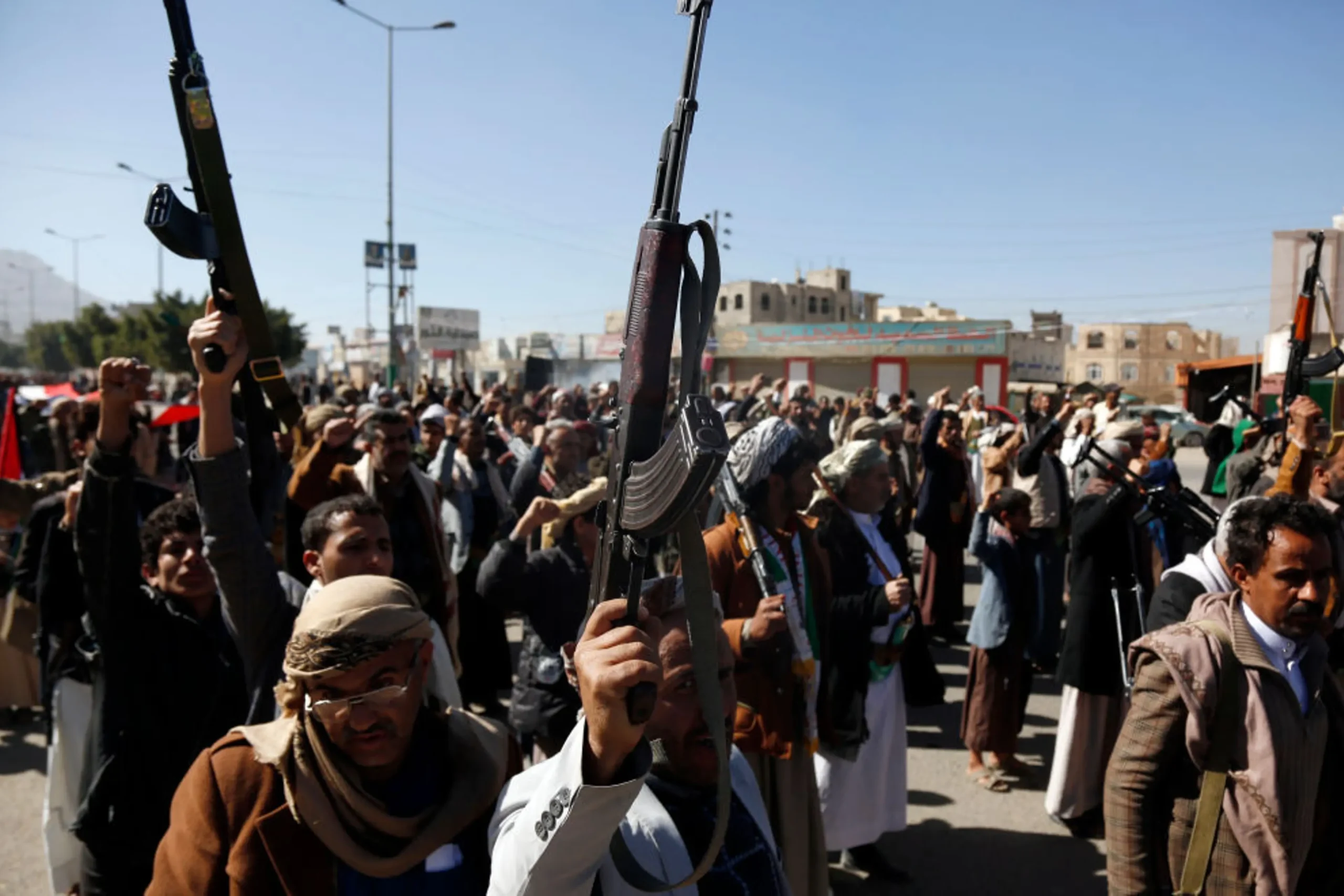
Yemen Civil War End Through Talks?
Simultaneously, Riyadh is pursuing a negotiated solution with Omani mediators to end both the escalation in Yemen and Houthi attacks on Saudi Arabia. The Houthis have been pressuring Saudi Arabia to pay reparations for damage allegedly caused by the Saudi-led coalition during the civil war, including lost income, and public-sector salaries. While a negotiated agreement would not remove the threat on Saudi Arabia’s southern border, it may quiet that front amid attacks on the kingdom from Yemen as well as Iran’s proxies in Iraq. Likewise, quiet from the Houthis would protect vital energy flows through the Red Sea.
Preventing Houthi Resupply Is Crucial
To support Yemeni and Saudi responses to Houthi escalation, Washington should take further steps to contain and isolate the Houthis.
In coordination with regional partners through multilateral maritime security organizations like the Combined Maritime Forces (CMF), the United States can prioritize the interdiction of weapons traveling to the Houthis. The Trump administration should also support Saudi efforts to prevent Iran and its Houthi proxy from normalizing direct flights between them, which would open air supply routes.
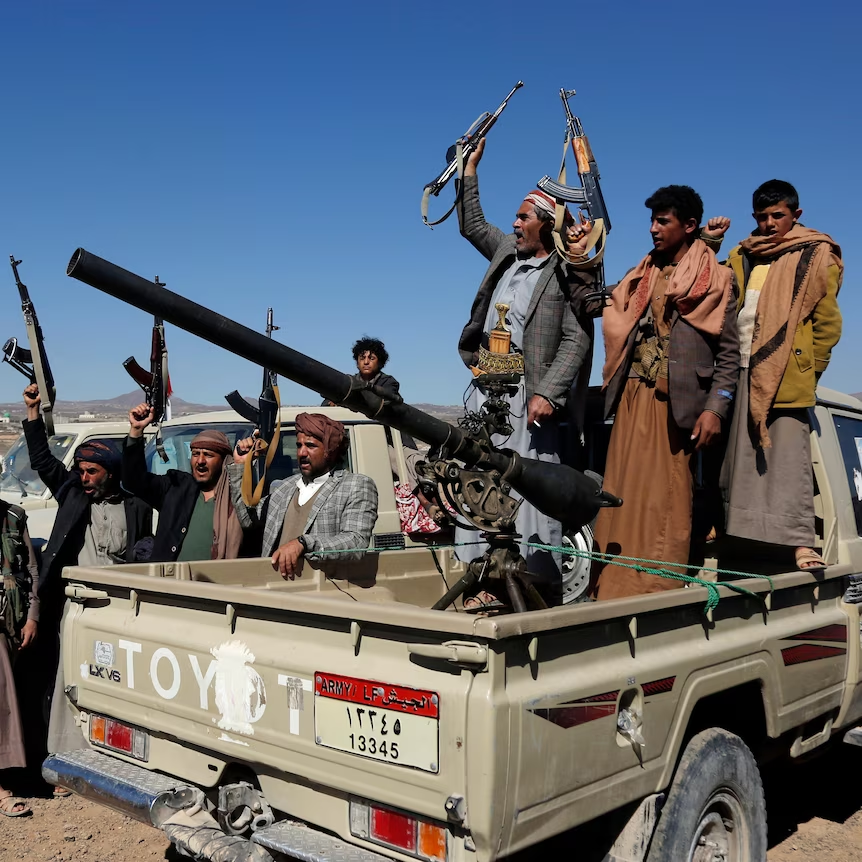
Washington should interrupt Houthi financial lifelines. The Trump administration should pressure Oman to expel the group’s leaders from Muscat, from which the Houthis can access the global financial system. Treasury should also identify and sanction additional Houthi crypto wallets, an increasingly important element of Houthi financing.
At the same time, the Trump administration should also remind Riyadh that any agreements that involve the transfer of funds to the Houthis would be in violation of U.S. sanctions.