
Iranian embassy accounts on X use memes, humor, and composed defiance to challenge US and Israeli wartime narratives while omitting civilian suffering, building relatability and projecting resilience without showing weakness.
Iran Embassy Memes have become a deliberate instrument of wartime narrative control, not an accidental byproduct of digital culture. Across X, Iranian missions translate state messaging into vernacular formats that attract global audiences through humor and cultural fluency. The accounts construct a persona that is composed, self-aware, and almost entertained by American escalation.
This aesthetic of unbothered defiance allows Tehran to contest Washington’s interpretation of events without relying on images of civilian suffering. In fact, such images are largely absent from embassy feeds, because they would invite pity rather than admiration.
The strategic omission reinforces a claim to resilience and strategic agency. Audiences may therefore accept Iran’s political framing after forming an affective bond with content that feels familiar and authentic. The contrast with American and Israeli digital output is stark: neither produces material with comparable cultural resonance. Iran Embassy Memes consequently reshape global wartime narratives by making state propaganda appear participatory, ironic, and culturally attuned to ordinary viewers. That performance matters because trust in online political messaging often begins with perceived authenticity.
How Embassies Step Beyond Protocol
At key moments in history, embassies have stepped beyond their conventional diplomatic functions to serve the wider interests of their states. They have gathered intelligence, sheltered opposition figures, supported revolutionary movements, and even helped facilitate coups. The United States offers perhaps the best-known examples, particularly in its use of diplomatic missions as cover for CIA operations, including the 1953 overthrow of Mohammad Mossadegh in Iran and its involvement with the military officers who removed Ngo Dinh Diem in South Vietnam in 1963. Other embassies have also assumed similarly unconventional roles, from the British Legation sheltering constitutionalist protesters in Iran in 1906 to the Swedish Embassy protecting political dissidents after the 1973 coup in Chile.
In post-2003 Iraq, Iran also blurred the line between diplomacy and political influence, cultivating political allies and supporting armed groups. Hassan Kazemi-Qomi, Tehran’s ambassador from 2006 to 2010, was identified as a member of the IRGC’s Quds Force, which armed and trained Iraqi militias, even as he served as Iran’s official interlocutor with Iraqi and U.S. officials.

Iran Embassy Memes Reshape Digital War
Today, Iranian embassies are once again moving beyond their traditional boundaries, though in a very different form. This time, Iran is using its embassies’ accounts on X to wage a digital narrative war through memes, political commentary, and news dissemination to cultivate an image of the regime as humorous, relatable, and composedly defiant.
The Politics of Relatability
Iranian embassy accounts have become an incredibly important channel for projecting Tehran’s wartime narrative, challenging American and Israeli accounts of events and making it more difficult for Washington to build an uncontested international consensus against Iran. Many of these accounts also engage in political “shitposting,” using provocative and irreverent content to drive engagement and expand their follower base. Such content can shift public opinion while simultaneously pushing Iran’s past human rights abuses further into the background. At the same time, Iran’s image is increasingly framed through the language of anti-Zionism and anti-imperialism, allowing it to present itself as a nation that resists Western domination and Israeli expansionism.
Why Relatability Powers Online Persuasion
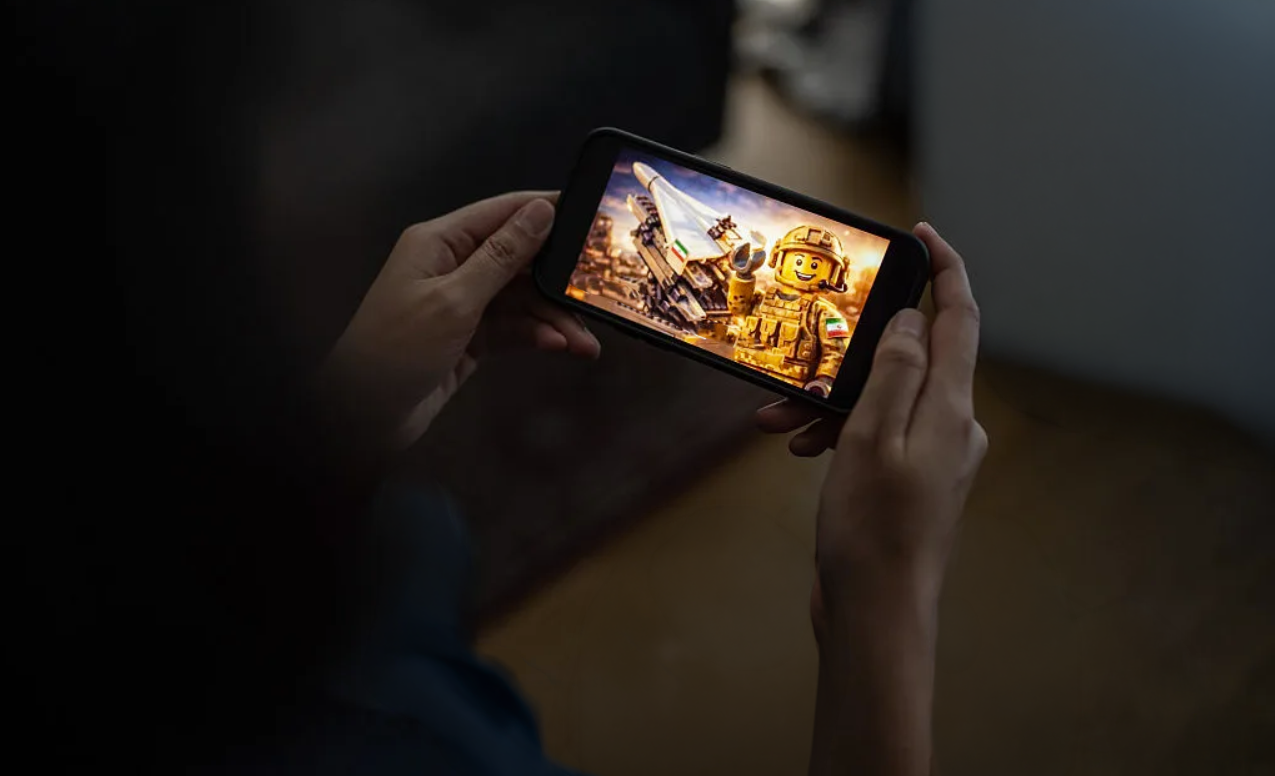
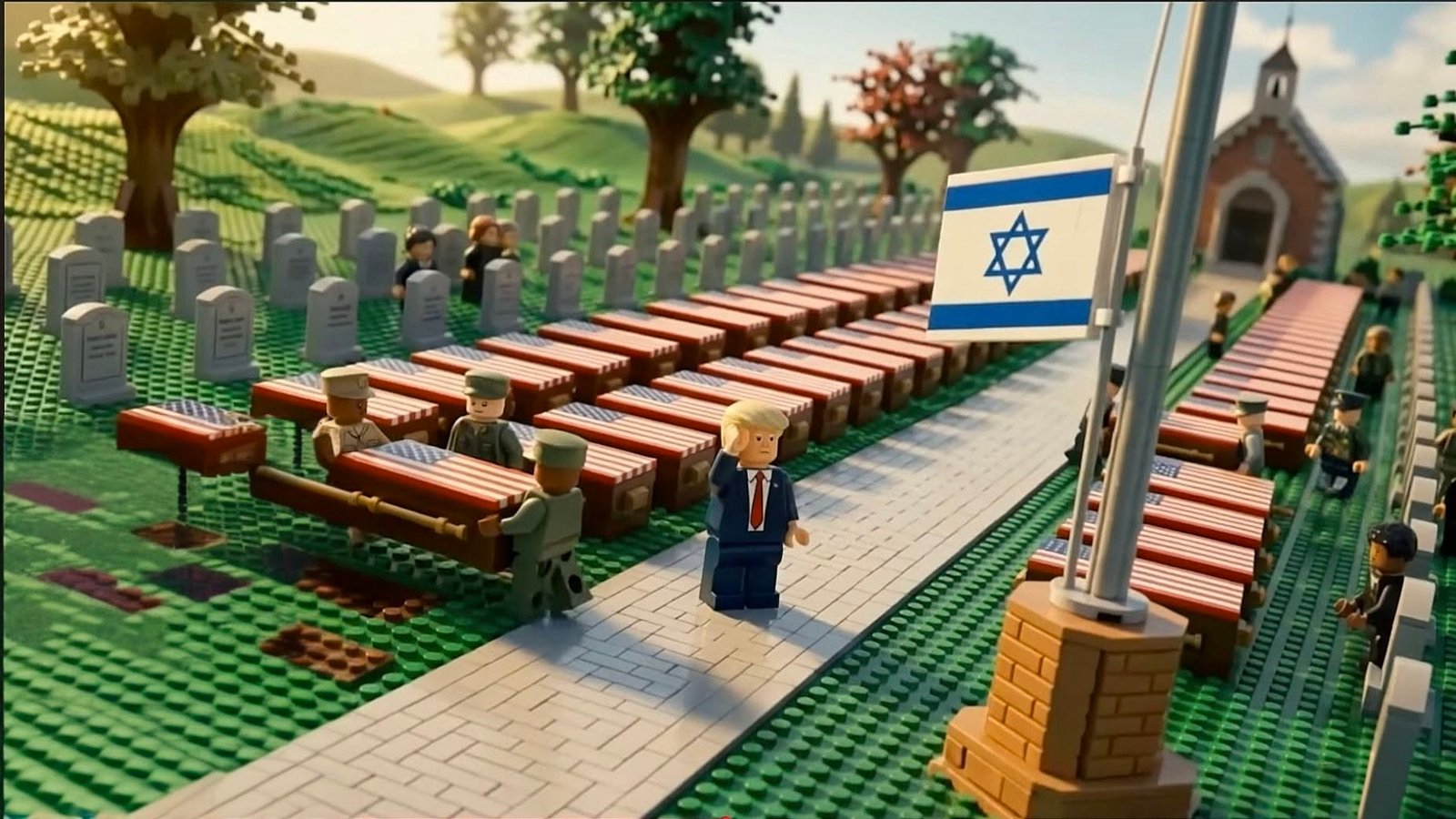
Equally crucial is the way Iran presents itself as humorous and relatable. Iranian embassy accounts regularly draw on memes, popular culture, and online humor in ways that suggest they understand the language and sensibilities of their target audiences. A popular example of this is Iran’s recurring use of Lego videos and cartoons depicting Iranian figures as valiant protagonists and American and Israeli figures as struggling antagonists.
In addition, Iranian embassies engage quickly with major global events such as the World Cup, tying them into broader narratives of U.S. moral decline. Such content undoubtedly drives engagement, but its significance goes much further. It makes Iran appear more authentic, familiar, and culturally attuned to the ordinary viewer. This matters because authenticity is one of the foundations upon which political trust is built.
Humorous and relatable content therefore serves a purpose beyond simply reinforcing Iran’s political messaging. It helps gradually build an “affective bond” between Iran and its audiences. Iran is presented as witty, self-aware, and not entirely different from the people consuming its content. Once that sense of relatability has been established, audiences may become more willing to engage with Iran’s broader interpretation of the war.
By speaking in a language familiar to online audiences, Iran can therefore appear more approachable and culturally familiar than the United States and Israel, potentially making audiences more receptive to its broader political messaging. Iranian embassies’ success is further amplified by the conspicuous failure of the Trump administration and Israel to compete in the same digital arena, with neither producing content that achieves comparable levels of cultural resonance, humor, or positive audience engagement.

The Power of Unbothered Defiance
Just as significant to Iran’s digital strategy is its effort to project an image of unbothered defiance in the face of relentless American attacks. This image-building is central to the narrative war because it presents Iran as retaining control of events rather than merely reacting to them. It allows Iran to shape public perceptions of who is winning, who is losing, and which side still possesses the confidence, agency, and initiative to dictate the course of the conflict.
Iranian embassy accounts systematically cultivate this image. They joke with U.S. President Donald Trump about when the next round of strikes might take place and respond to his threats by claiming that they have “lost the keys” to the Strait of Hormuz. They also routinely describe Iranian retaliation in language designed to sound confident rather than defensive.
The Iranian embassy in Ghana, for example, warned the United States: “Try us again. Next time, Hormuz shuts completely. And you will have no one to blame but yourselves. So don’t wake what you can’t put back to sleep!” Such posts do more than communicate a threat. Their tone presents Iran as comfortable with escalation, confident in its ability to retaliate, and almost amused by American attempts to intimidate it.
Composure Becomes Evidence of Power
This is what makes unbothered defiance so politically potent. It presents Iran as militarily capable and psychologically unshaken. The humor, casual language, and apparent nonchalance create the impression that American and Israeli attacks have failed to frighten, destabilize, or humiliate the country. Iran is portrayed instead as calmly absorbing pressure while retaining the freedom to decide how and when to respond. In this way, composure itself becomes evidence of power and strategic leverage.
What Iran Leaves Out
No less important to the construction of unbothered defiance is what Iranian embassies choose not to post. Their accounts rarely circulate graphic images of injured Iranians, vivid portrayals of helpless grieving families, or civilians suffering from the effects of the attacks, even though thousands of civilians have reportedly been killed and tens of thousands more injured. This absence is striking because images of civilian suffering have often played a central role in shaping global discourse around other conflicts, most notably the genocide in Gaza.
In the Palestinian case, the circulation of gruesome images of death, injury, displacement, and destruction has generated international sympathy and exposed the scale of Israeli violence. Palestinians and their supporters have mounted a decentralized effort to make this suffering visible across a diverse media landscape precisely because they occupy a position of extreme military weakness and rely heavily on global public pressure to constrain Israel.
Iran, however, occupies a markedly different position, one that lends itself to a more centralized media strategy. Given its size, regional influence, and capacity to retaliate, it cannot afford to construct its public image around vulnerability or the need for external support. Doing so would risk reinforcing Trump’s claim that Iran will be “defeated very soon,” while undermining the image of composure and resilience that its embassies and aligned media outlets have worked to establish.
Iran Embassy Memes Project Composure
Iran appears to calculate that it gains little from the world’s pity. To maintain international support, win the narrative war, and frustrate Trump and Israel, it must suppress or marginalize imagery that presents the country as broken, desperate, or overwhelmed. Rather than asking audiences to sympathize with Iran’s suffering, its embassy accounts invite them to admire its resilience. The projection of unbothered defiance is therefore a deliberate strategy to shape international perceptions of Iran as confident and capable of withstanding sustained pressure.
Iran’s embassy accounts are ultimately doing more than narrating the war. They are shaping how global audiences perceive Iran during the conflict. By adapting official state messaging to the language and culture of online audiences, these accounts make Iran’s wartime narrative feel more familiar and relatable while challenging portrayals of Iranian weakness. This resonance ultimately helps Iran build rapport and trust with its online audience while also cultivating admiration for its perceived composed defiance.