
Russia’s base transfers in Syria reveal forced contraction caused by Ukraine war losses. Moscow is pulling forces from multiple regions, weakening its global military presence. The West should increase pressure by arming Ukraine and enforcing sanctions.
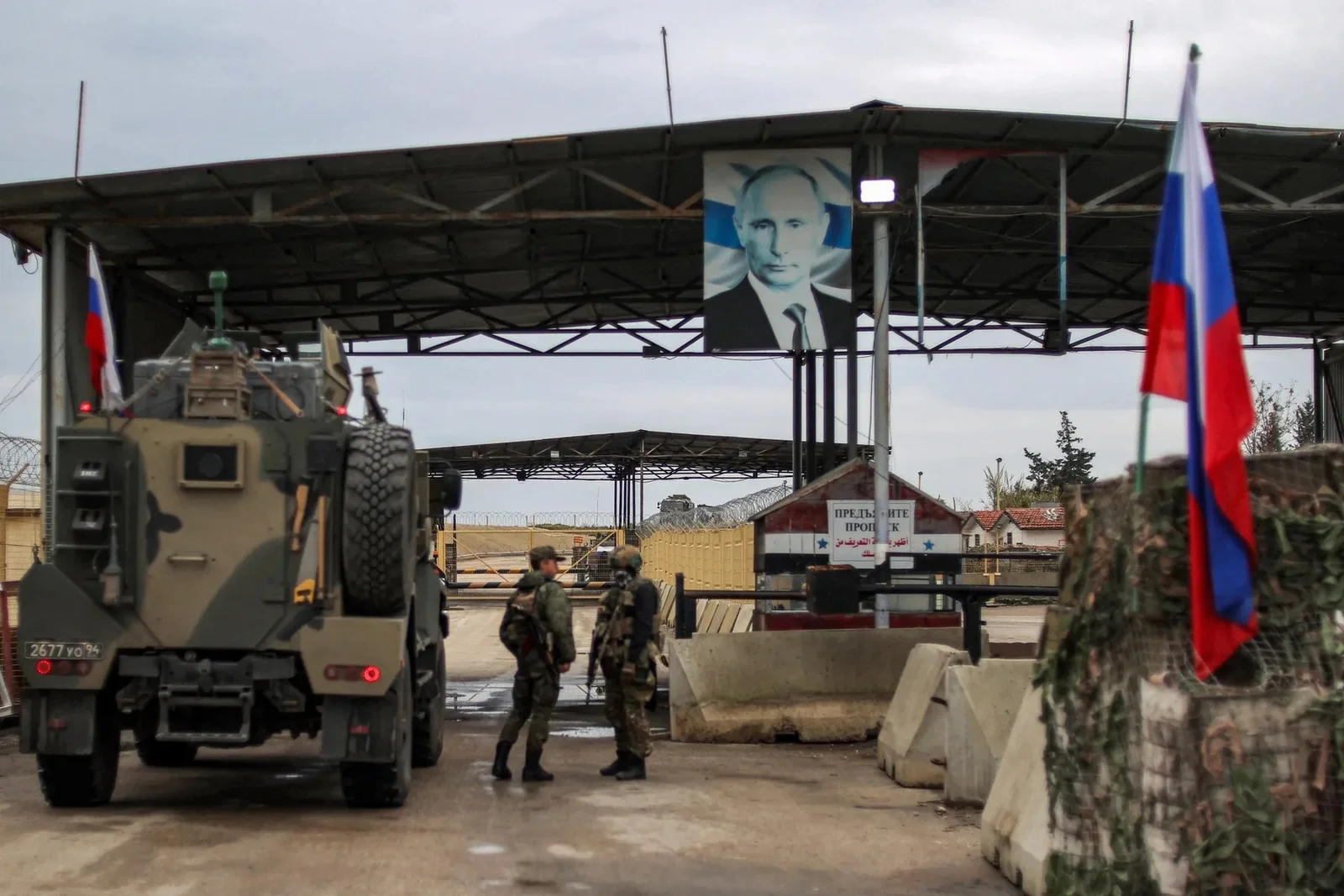
Russian Retreat from Syria has accelerated, and the strategic implications extend far beyond the Mediterranean coast. On August 9, Moscow signed an agreement transferring its naval base at Tartus and air base at Khmeimim to Syrian control, retaining only a limited presence for joint training centers. This is not a routine base reorganization.
It is a forced contraction driven by catastrophic losses in Ukraine, where more than a million Russian casualties and the destruction of over 30 percent of the Black Sea fleet have compelled the Kremlin to pull assets homeward. The Syrian basing deal therefore exposes the widening gap between Moscow’s global ambitions and its dwindling military capacity.
The Russian Retreat from Syria, Tajikistan, Armenia, and Georgia tells a singular story: Russia can no longer sustain expeditionary power projection while fighting a grinding war of attrition in Ukraine. For Washington and its European allies, this moment demands strategic clarity. Russia’s weakness is not an argument for reducing pressure. It is precisely the argument for increasing it. Arming Ukraine more aggressively, maintaining sanctions, and enforcing energy tariffs will deepen Moscow’s dilemma. The retreat from Syria is evidence that sustained Western support works.
Russian Retreat From Syria Begins
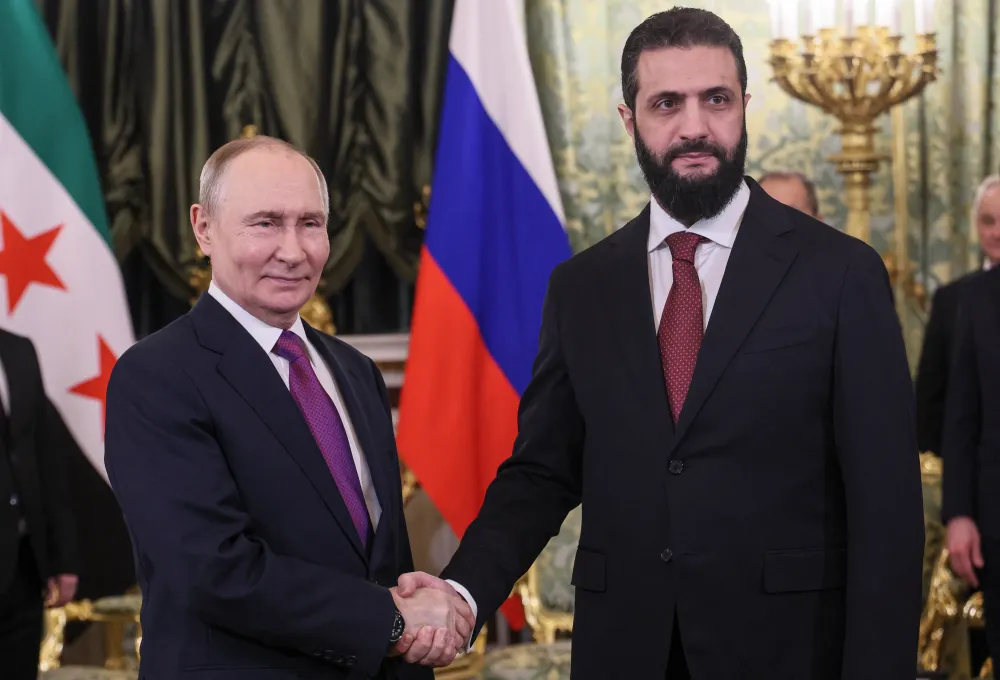
On August 9, Russia and Syria signed a deal that hands Syria two Russian military bases: Tartus, a naval base, and Khmeimem, an air base. Both installations are located on Syria’s Mediterranean coast. Some form of Russian military presence will remain to host “joint training and qualification centers.” On August 26, Russian President Vladimir Putin held a phone call with his Syrian counterpart, President Ahmed al-Sharaa, with both reiterating their commitment to the basing agreement. While this deal signals deepening diplomatic ties between the two countries, it also reveals Russia’s weakness abroad.
Why Moscow Still Clings to Damascus
Ties between Russia and Syria date back to the Cold War, when shared opposition to the West drew the Soviet Union and Baathist Syria together. Despite the collapse of the USSR, Syria remained close with Russia. Dictator Bashar al-Assad relied on Russian support to maintain his grip on power during the Syrian Civil War, and the decline in Russian support following the war in Ukraine played a role in Assad’s eventual loss of power.
Nevertheless, Russia wants to maintain its influence in Post-Assad Syria, and Damascus is willing to go along. For one thing, the new Syrian government’s control over much of its territory is tenuous. Despite massive declines over the past five years, Russia remains one of the world’s largest arms exporters, and Damascus is still happy to buy from Moscow. Furthermore, war-torn Syria is desperate for energy, another sector of the Russian economy that still holds appeal despite a recent pummeling. Therefore, Russia and Syria both have something to gain from maintaining a friendly relationship.
What the Basing Deal Really Means
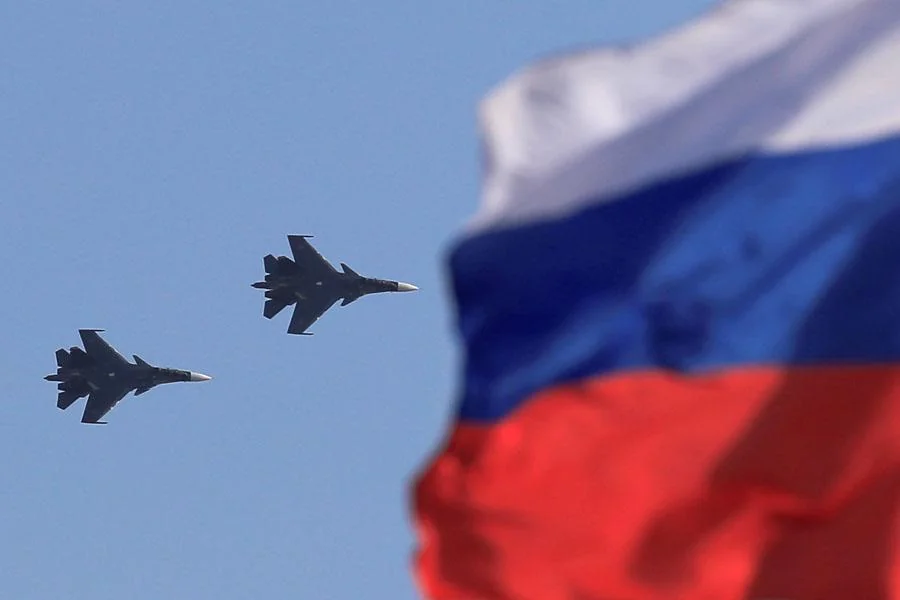
Syria has framed the basing deal as a “reorganizing of the Russian presence in Syria.” Yet, it isn’t hard to figure out what’s really going on. Russia’s losses on the battlefield are well documented, with more than a million casualties suffered in a military operation that has lasted longer than Russia’s time in World War II. The sea has been particularly unkind to the Russians, with the Ukrainians claiming to have sunk over 30 percent of the Russian Black Sea fleet. Additionally, Russia’s ability to supply occupied Crimea is also coming into question as Ukraine targets transport ships. With these mounting losses, Russia needs its naval assets closer to home.
Moscow Pulls Forces From Multiple Fronts
Syria isn’t the only place from which Russia is relocating its forces; the Kremlin is also moving forces from bases in Tajikistan, Armenia, and Georgia. The desperate need for men at the front lines in Ukraine has lowered Russia’s ability to be a player in other hot zones. The civil war in Mali, for example, is one area where Russia cannot flex the muscle it would like to. Supported by Russian forces, Mali’s military junta is struggling in its war with Al Qaeda-aligned rebels.
Why Russian Retreat Demands Western Response
So how should the United States respond to all of this? For starters, the Trump administration’s shift in favor of Ukraine needs to continue. Russia’s advances in Ukraine have slowed to a trickle, thanks in large part to weapons provided by the United States and Europe. With no end in sight, the West should continue arming Ukraine. As long as Vladimir Putin wants to keep fighting, the war will continue. Therefore, pressure on Russia to end the fighting needs to continue. The Lindsey Graham-crafted sanctions bill Congress recently passed will impose tariffs on countries that import Russian energy and put greater pressure on an already strained Russian economy.
With the stalemate grinding on in Ukraine, Russia’s status as a superpower becomes more dubious. While it will continue to have a presence in places like Syria, for now it must focus the bulk of its resources closer to home. To ensure its own dominance and weaken a global adversary, the West must continue supporting Ukraine in its fight.