
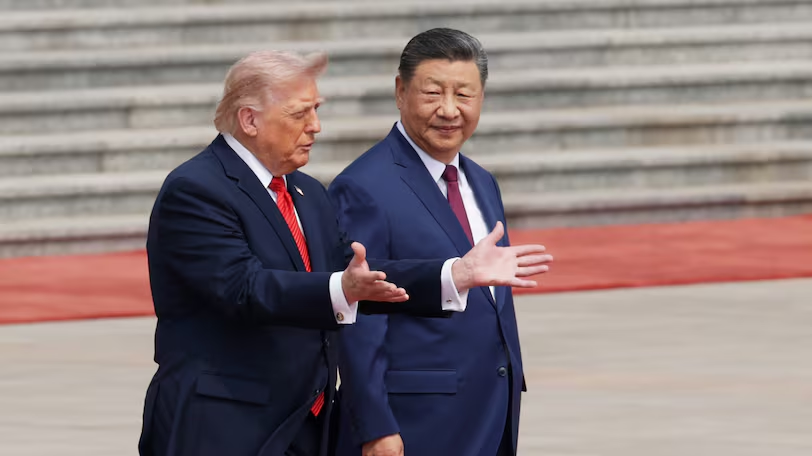
American pressure tactics against Tehran have hit a wall because unilateral sanctions and military strikes cannot compel total compliance. Sustainable resolution requires Washington to build a multilateral alliance involving key power Beijing.
The strategic confrontation between Washington and Tehran highlights the structural boundaries of unilateral coercion in contemporary grand strategy. Despite applying maximum economic sanctions and targeted military strikes, American foreign policy faces a structural Iran Deadlock that hard power alone cannot resolve. Tehran views Western demands regarding nuclear enrichment, regional proxy networks, and ballistic missile development as existential threats to regime survival rather than negotiable diplomatic items.
Consequently, coercion yields tactical friction rather than fundamental compliance. Unilateral pressure campaigns fail because they operate on the false assumption that severe economic disruption will force immediate capitulation. Instead, regional instability deepens while state apparatuses adapt through evasion networks and alternative trade alliances. Resolving the present Iran Deadlock requires shifting from isolated punitive measures toward a broader international coalition strategy. Washington must engage major external powers, particularly China, to alter Tehran’s strategic calculations effectively. Without multilateral coordination that addresses systemic economic ties, coercive diplomacy will continue to produce persistent stalemate rather than permanent security solutions.
Breaking Down the Current Iran Deadlock
By now, it should be obvious that US policy towards Iran has hit a wall.
The US cannot destroy all of the Iranian regime’s nuclear programme by force, bomb it into submission or defeat it economically.
The administration of President Donald Trump wants Americans to believe otherwise: Iran’s nuclear sites have been “obliterated”, its military power shattered and its economy crushed.
Why Sanctions Fail to Collapse Tehran
Mr Trump himself believes the US is winning its conflict with Iran which has “very little country left right now”.
But the reality is more complex: Iran’s nuclear programme has only been delayed. Its conventional forces have been badly weakened, but they still pose a serious threat. And while US sanctions have seriously damaged Iran’s economy, they are unlikely to bring down a regime that has spent decades learning how to evade them or reduce their effects.
Why Existential Demands Guarantee Resistance
To be clear, Mr Trump’s approach of pressuring and weakening Iran before negotiations is perfectly logical. No one wants their opponent to enter talks with leverage and confidence.
The problem is that Tehran sees this as an existential fight. Washington is asking Iran to stop disrupting the Strait of Hormuz, abandon its nuclear programme, limit its military capabilities and sever ties with militias and terrorist groups across the region. For the regime, those demands – while legitimate in the eyes of law-abiding nations – are not concessions; they are political suicide.
Can a Temporary Deal Fix Anything?
But the danger here is to conclude that the only way out of this deadlock is to accept the limits of US pressure and try to negotiate a slightly better deal than the vague, deeply flawed framework agreement the two countries reached months ago.
If Mr Trump does that, it may stop the fighting, restore commercial traffic and freedom of navigation, and calm global markets – but only temporarily. It will not end Iran’s nuclear programme or eliminate any of the threats the regime poses to international security. A deal that barely changes the status quo would simply postpone the problem and embolden the Iranians.
Tehran would gladly strike another deal with Washington if it ensured the regime’s survival. But it has no interest in changing its expansionist foreign policy or oppressive domestic policy.
Escaping the Fatal Unilateral Iran Deadlock
The lesson, then, is not that Washington should lower its ambitions and accept yet another imperfect deal that preserves the regime while leaving the deeper dangers unresolved. It is that the US, despite its unparalleled military power and political influence, must finally recognise that it cannot solve this problem alone. That is the real lesson of this quagmire – a lesson Washington failed to heed in Iraq, where it acted largely on its own, tried to do everything itself and ended up breaking far more than it fixed.
Some of Washington’s Arab partners are alarmed because the US appears to be repeating the same mistake: acting without meaningful consultation or a common strategy. They are trapped in a conflict they did not seek and are now targets of Iranian missiles and drones.
Applying Cold War Lessons to Modern Strategy
The Cold War was won collectively. The US was indispensable, but it still needed its allies to exploit the Soviet Union’s weaknesses and hasten its collapse. It could not have succeeded without Britain, France, West Germany, Italy, Japan and others.
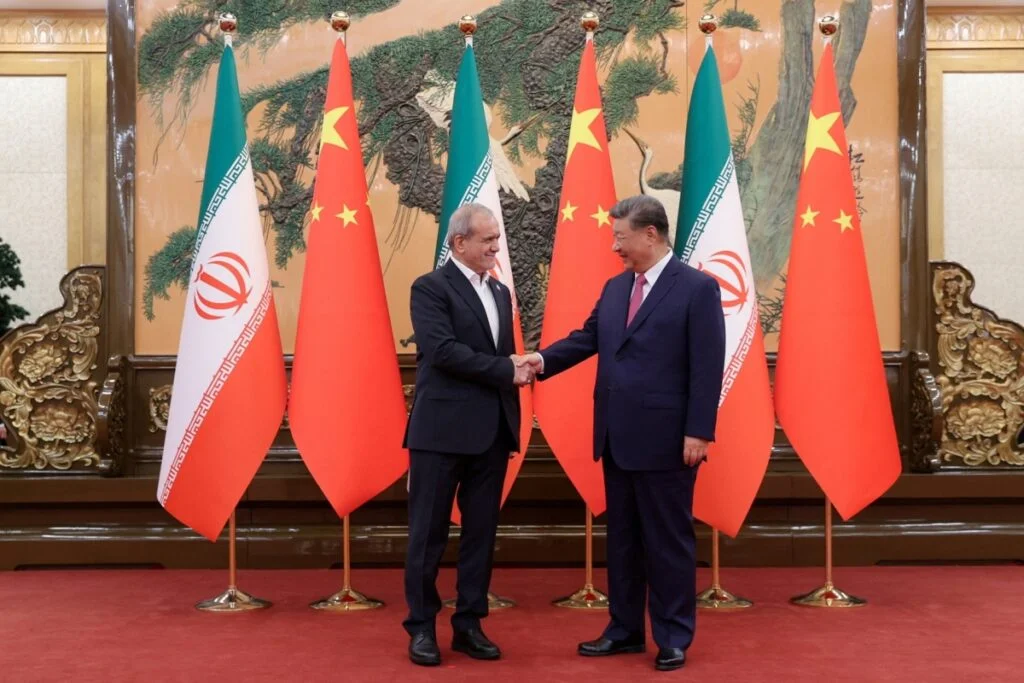
Iran is not the Soviet Union, of course, but the logic of collective pressure still applies. Tehran would be far weaker without China’s economic lifeline and, to a lesser extent, Russia’s weapons and intelligence support.
Engage Beijing to Force Real Concessions
Washington’s real negotiations, then, should be with Beijing. European allies can help if the US is serious about diplomacy that serves a shared interest. But China is the key actor to incentivise. If Beijing cuts off support for Tehran, the latter will have little choice but to make meaningful concessions.
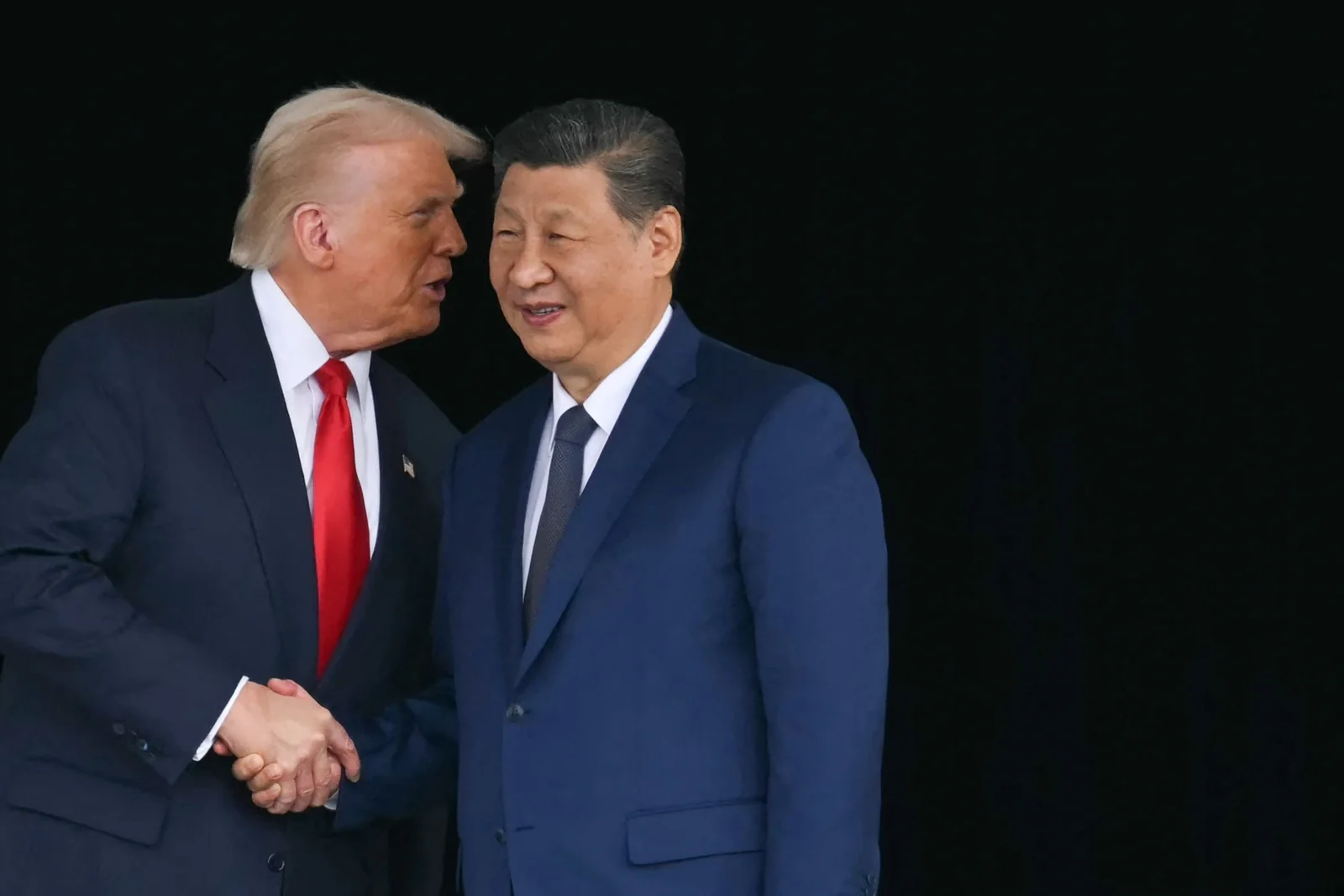
The question, then, is at what price will Beijing co-operate? Is the Iran issue a high enough priority for Washington to entertain a possibly steep Chinese price?
There’s only one way to find out. Mr Trump should call President Xi Jinping, but not before he creates a united front with international friends and allies. It’s about time Washington treats the Iran problem not as a bilateral contest with Tehran but as a global problem that affects everyone.