
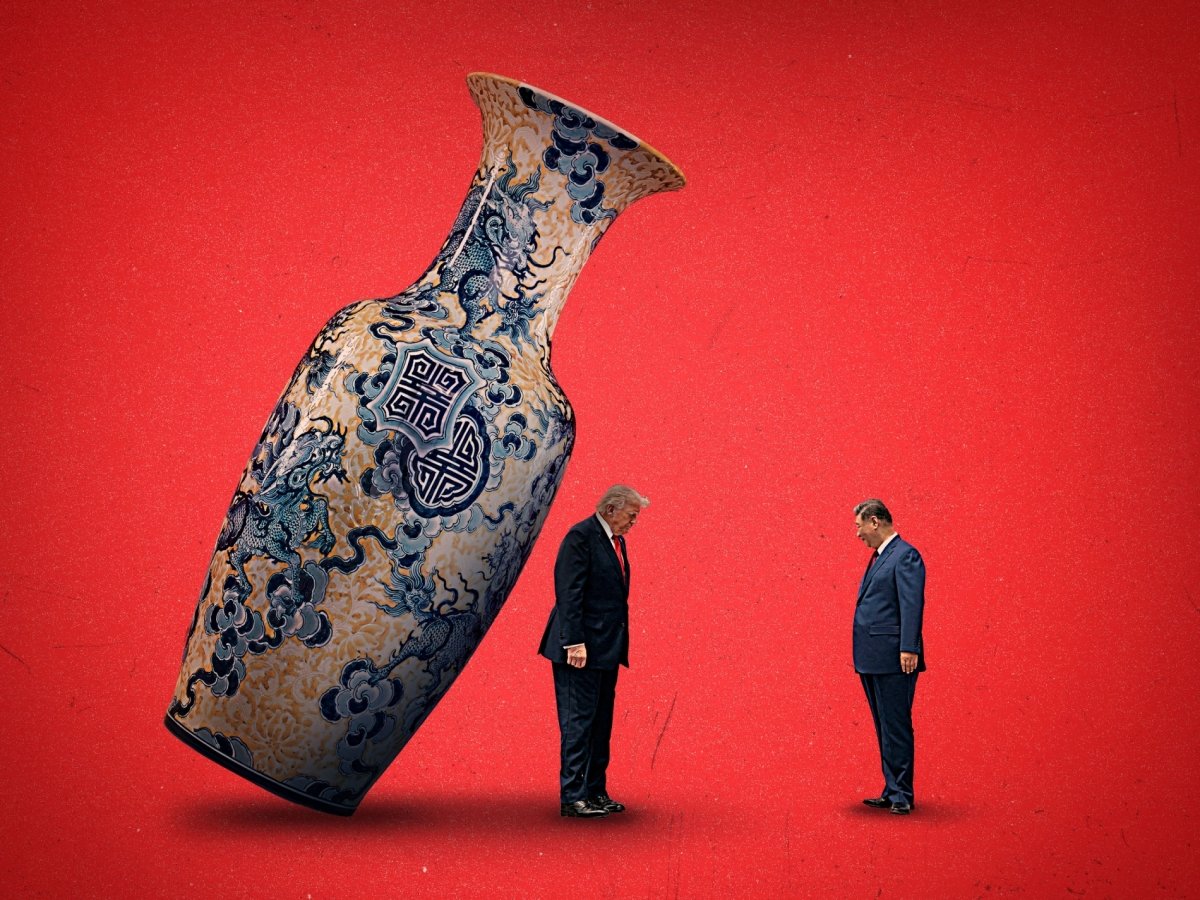
American sanctions against Tehran face structural limits as Beijing maintains oil purchases and cross-border banking mechanisms. Fearing rare earth retaliation and economic destabilization, Washington hesitates to penalize major Chinese financial institutions directly.
The strategic intersection of unilateral financial sanctions and international trade networks creates severe operational limits for American foreign policy in the Middle East. While Washington seeks to isolate Tehran through punitive measures, the broad architecture of the China-Iran lifeline provides the Iranian state with critical financial insulation and uninterrupted energy market access. Through alternative payment platforms, shadow fleet logistics, and bilateral clearing mechanisms, Beijing effectively neutralizes US enforcement actions without entering into direct military confrontation.
Washington remains acutely constrained by its own structural vulnerabilities, specifically its dependence on Chinese rare earth processing and a desire to preserve bilateral economic stability ahead of high-level presidential summits. Consequently, targeting this China-Iran lifeline risks triggering retaliatory economic counter-measures, including supply chain disruptions and legal blocking mechanisms, that could destabilize global financial markets. By prioritizing domestic manufacturing security and avoiding another full-scale trade war, American strategy inadvertently allows Tehran to sustain its domestic economy and withstand prolonged external pressure, demonstrating the structural limits of secondary sanctions against intertwined major economies.
Sanctions fail against the China-Iran lifeline
There is a fatal flaw in the Trump administration’s recently announced “economic D-Day” against Iran. US Treasury Secretary Scott Bessent declared that the new US sanctions and pressure campaign was designed to “sever every economic lifeline that sustains the tyrannical regime” in Iran. But Iran’s single greatest lifeline, China, went unnamed.
China has long been the largest buyer of Iranian oil, with some estimates claiming that about 90% of Iran’s oil is shipped there through a network of “shadow fleets.” China also offers access to the Cross-Border Interbank Payment System (CIPS), which facilitates bank transfers outside the US dollar system, and through which volumes have gone up from 680bn renminbi (RMB) per day to 790bn RMB since the Iran war was launched. Thus, if the US actually wanted to seriously harm Iran economically, it would have to go after China.
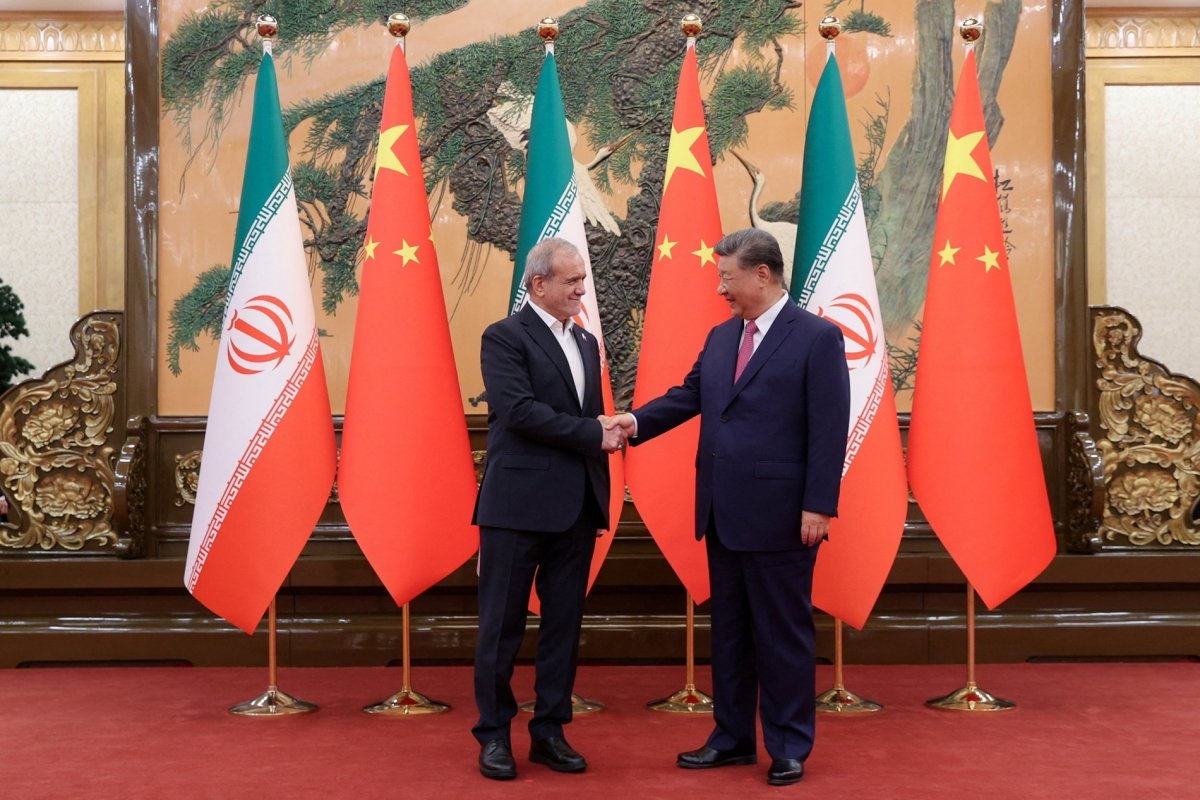
Why Washington hesitates to target Beijing
And yet, Beijing is hardly quivering in its boots. When the secretary was asked repeatedly at a press conference if “Operation Economic Outcast” would target Beijing, he demurred, without mentioning China directly: “No one is above the reach of US sanctions.” And when pressed on why the Treasury Department is issuing a threat rather than just imposing the sanctions, Bessent simply said, “Why would I want to blow up the global financial system?”
Judging by the lacklustre Chinese response, Beijing does not seem too concerned by the new US steps. China’s foreign ministry spokesperson condemned the announcement as “illegal” but went little further. One Chinese analyst writing on the China Internet Information Centre, a State Council news outlet, described Bessent’s announcement as an “act of helplessness” that has more to do with addressing American frustration at home than with pressuring Iran. One private Chinese media outlet also pointed out how vague and slow-moving the new US sanctions are.
Legal mechanisms shield Chinese oil buyers
Nevertheless, China has already said publicly that it would retaliate if the US goes after its companies, and Chinese leader Xi Jinping knows it has the power to do so. So do at least some people in the Trump administration.
Beijing has recently armed itself with a legal framework for retaliation. In May, China invoked its new policy of “blocking rules” for the first time in response to US sanctions against several of its biggest independent oil refineries. These rules effectively prohibit companies inside or outside China from complying with US sanctions on Iran. So far, China has chosen not to enforce this rule, but it continues to signal to the United States that it is ready to do so if needed.
Will rare earth bans deter enforcement
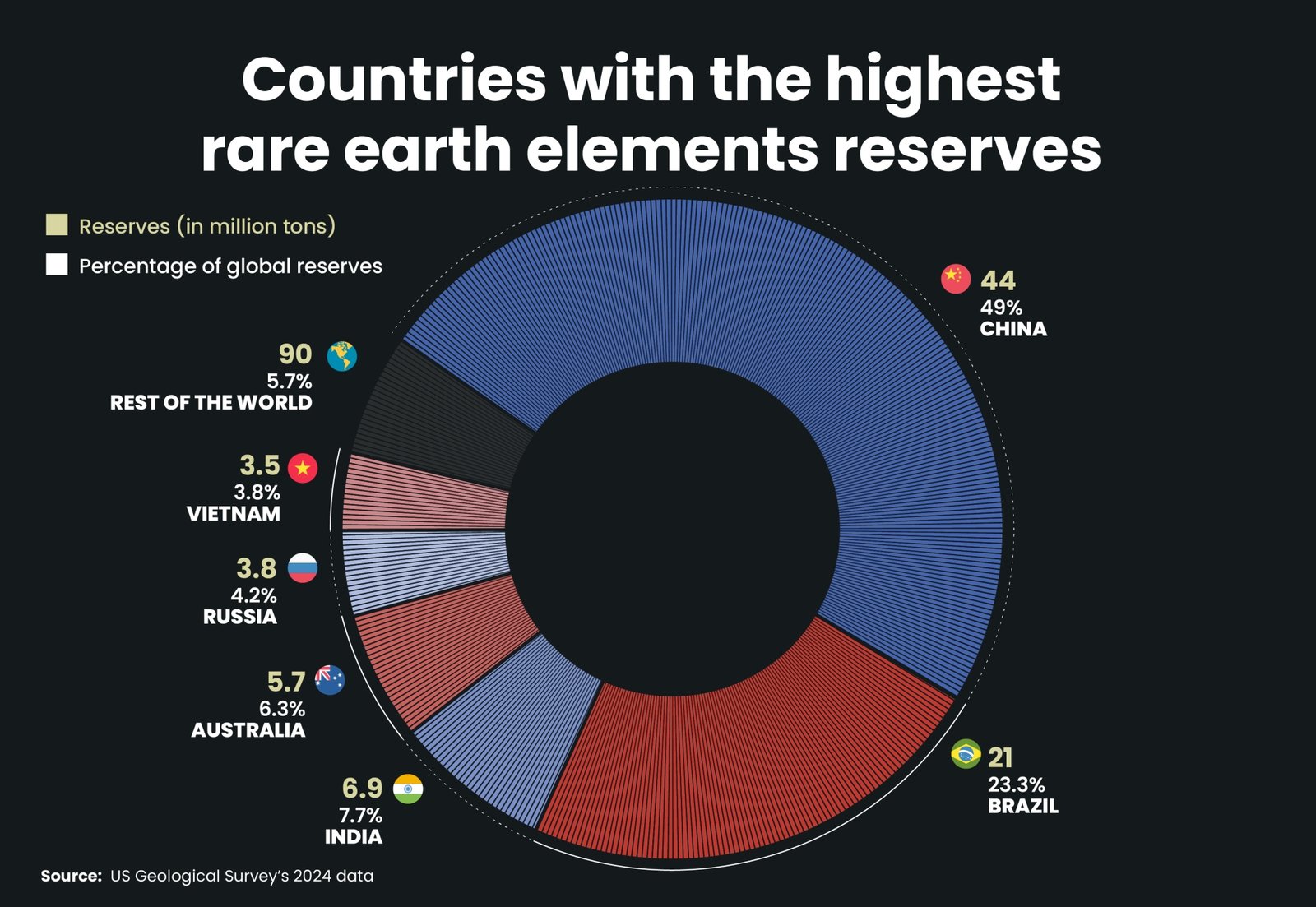
Most importantly, China knows it has an ace up its sleeve. Beyond its ability to take simple retaliatory measures, Beijing can also escalate its competition with Washington. Among its most powerful tools is a ban on the export of rare earths, which China knows that it can impose again. Freezing exports of rare earths to the US last year brought some sectors of US manufacturing to a standstill, particularly in the defence sector, and forced a rapid climbdown by Trump on Chinese tariffs.
The US has made grand statements about developing alternative supply chains here but has struggled to reduce its overall reliance on China. It is competing with decades of Chinese investments in those refining capabilities, but it also quite willingly offshored many of these refining processes because they are so polluting.
Beijing calls Washington financial bluff
Furthermore, China is clearly willing to call Washington’s bluff. The US has already sanctioned one of China’s largest independent refineries, as well as 40 shipping firms, and this latest package targets 60 smaller intermediaries. But the US has not yet gone after the more significant Chinese banks that support these refineries or tried to dismantle the intricate system whereby China funnels funds to Iran. In Beijing’s view, nothing in the recent US announcement signals a serious desire to escalate the sanctions regime.
Protecting summit stability and the China-Iran lifeline
That suits China perfectly. Xi needs economic stability to continue reforming China’s economy, which has struggled since the impact of covid-19 and the collapse of the property bubble, away from reliance on exports and toward greater domestic demand. That requires a stable relationship with the US. Accordingly, Beijing is also seeking to keep the planned September summit in the US between Trump and Xi on track.
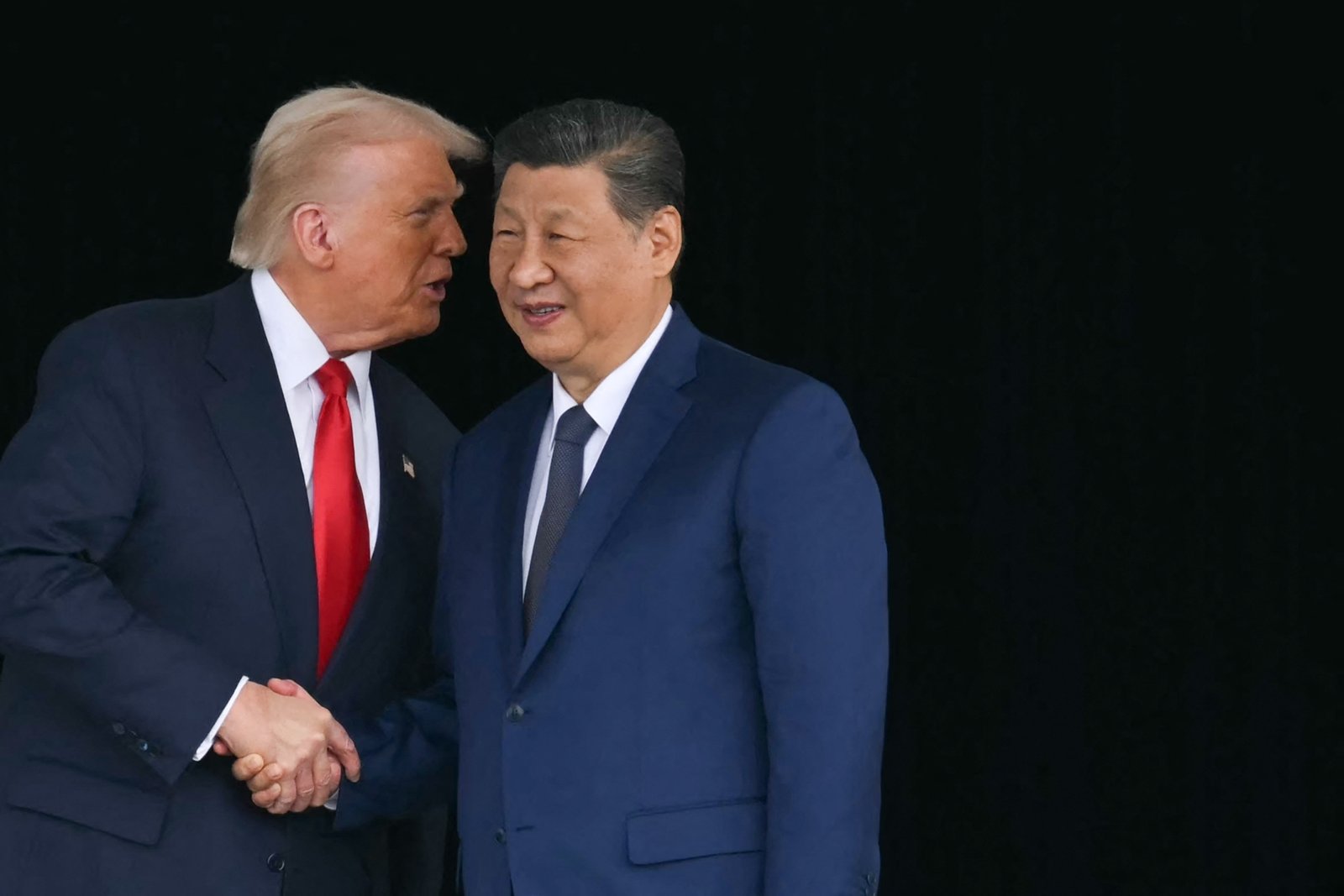
China would only interpret meaningful US sanctions as a pretext for opening new lines of attack in their trade war. No matter how Washington frames it, Beijing sees Iran as a distraction from its fraught bilateral relations with the US—and, ultimately, neither China nor the United States appears willing to reignite the trade war or escalate tensions.
Tehran gains space from economic hesitation
This dynamic may ultimately benefit Iran. If the US is unwilling or unable to bring to bear serious, concerted economic pressure on Iran’s chief economic lifeline, it will have to hope that its continued blockade of Iranian ports and military pressure is enough—despite decades of Iranian resilience to this kind of pressure. The US seems to recognise that squeezing Iran depends on squeezing China. But so long as the Trump administration would rather avoid another trade war and another rare earths embargo, that squeeze will remain at best a half-hearted one.