
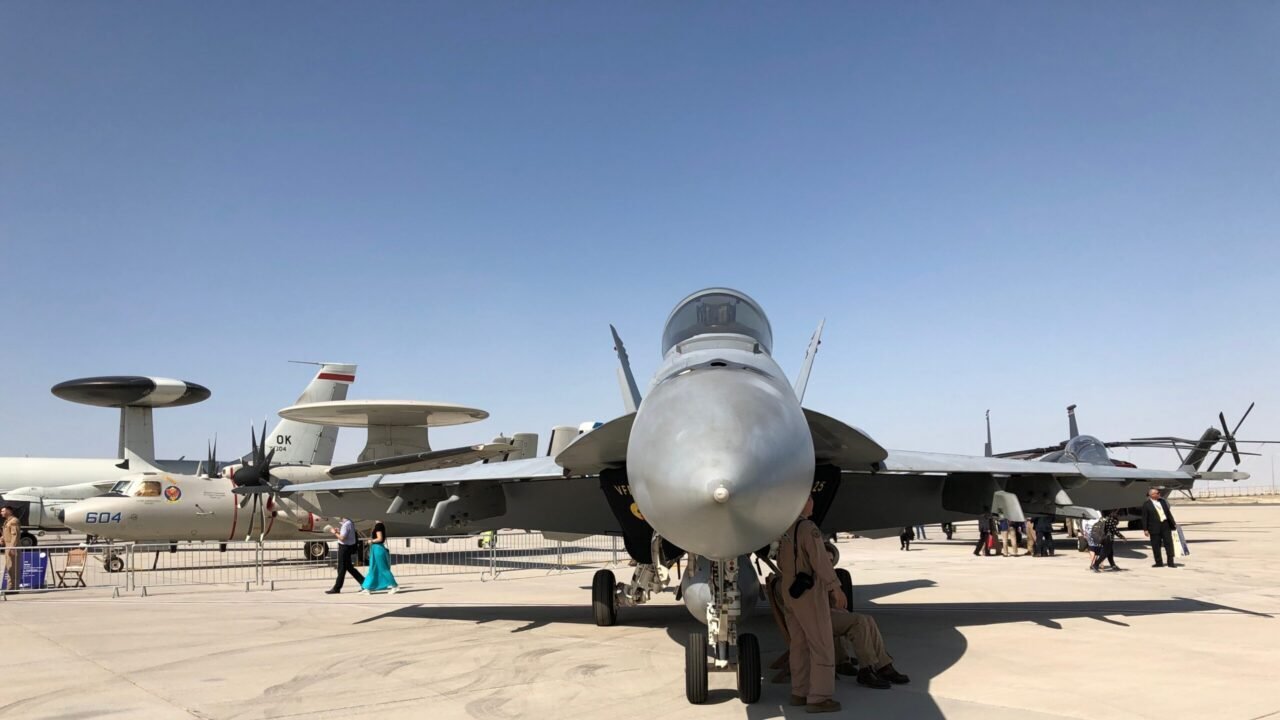
Houthi seizure of Bab el-Mandeb with Iranian aid challenges US-led freedom of navigation, spikes oil prices, forces costly rerouting, and demands a robust coalition to restore maritime credibility.
Houthis Open a Second Maritime Front
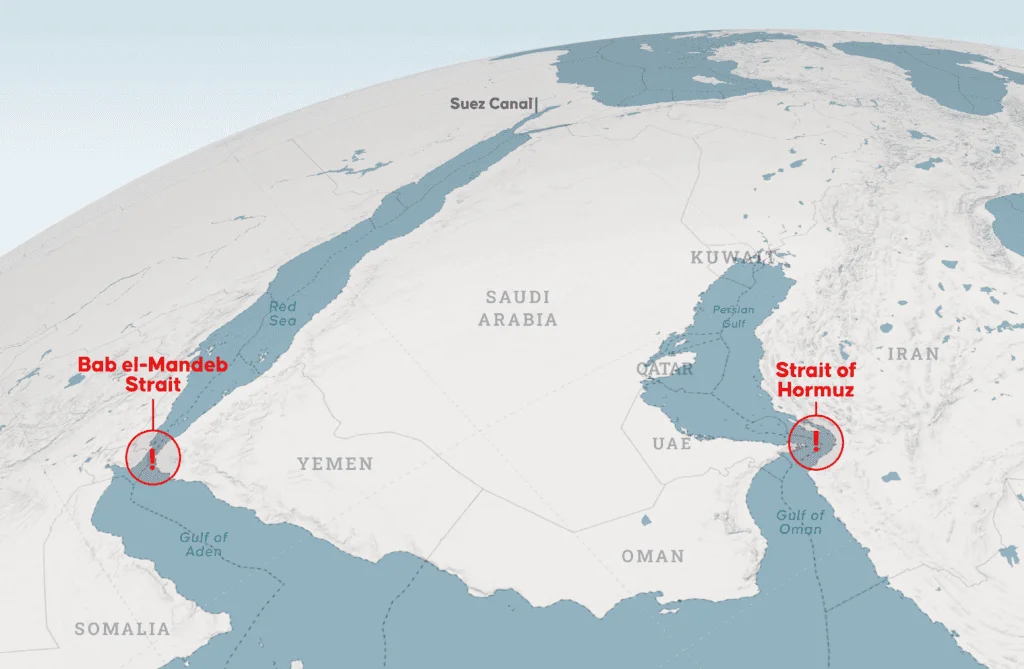
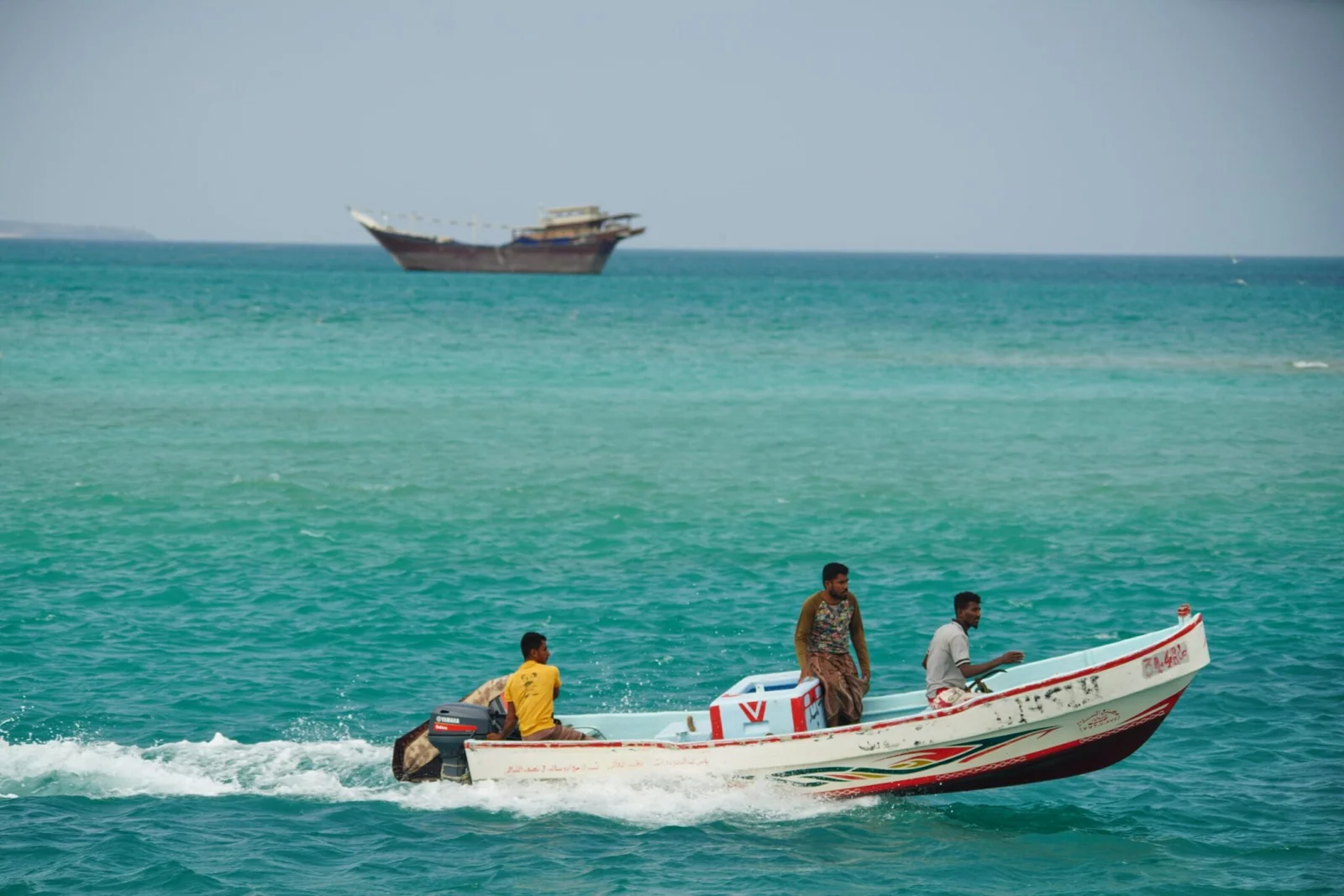
The war for the world’s key maritime chokepoints now has a second front. Reportedly with Iranian assistance, Houthi forces staged a 48-hour offensive on September 10-11, seizing further stretches of Red Sea coastline and the Hanish and Perim islands. When the dust settled, the Iranian axis had gained effective control over another vital maritime chokepoint—the Bab el-Mandeb Strait, through which 25 percent of global container traffic passes in peacetime—without a clear US response as yet.
Yet more is at stake than Yemen’s internal dynamics, regional tensions, or global energy prices. The Iranian regime’s ongoing efforts to hold hostage the Strait of Hormuz, and the Houthis’ seizure of the Bab el-Mandeb Strait, are fundamental challenges to the global freedom of navigation that the United States has upheld for over two centuries.
Freedom of Navigation Under Siege
In 1785, then-ambassador to France Thomas Jefferson argued that forceful US action is necessary “if we wish our commerce to be free.” That is why, as president, he dispatched the US Navy against the Barbary pirates in modern Libya.
Since that war, upholding freedom of navigation has been a core US strategic pillar. The 2025 US National Security Strategy (NSS), like its predecessors, noted the continued American objective of “preserving freedom of navigation in all crucial sea lanes.” Ever since presidential administrations began issuing the strategy document in 1987, 16 of the 20 total NSS papers have reaffirmed this principle. Threats to international waterways have been one of the most common causes of US military action in recent decades, including against Libya in 1981 and 1986; Iran in 1988; and the Houthis themselves in 2025.
Economic Shock Hits Global Markets
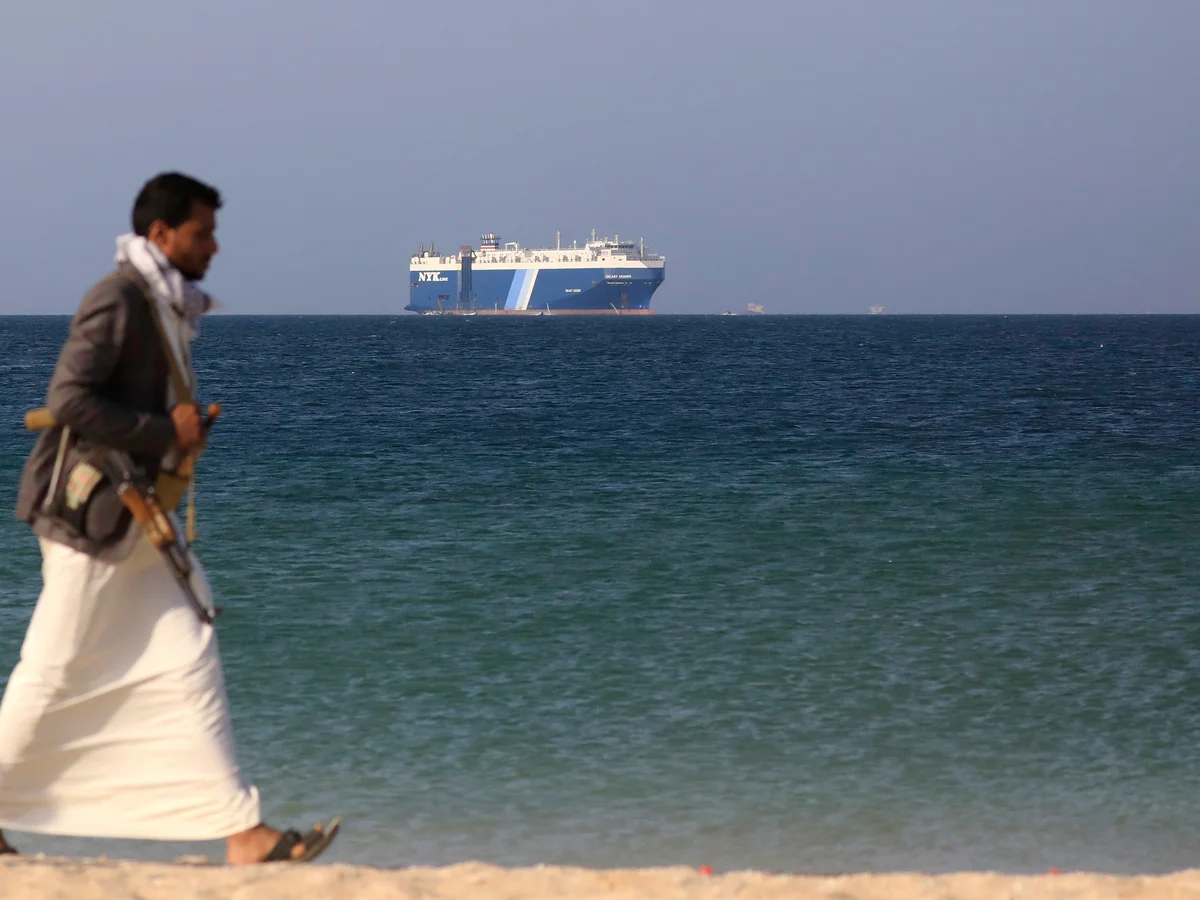
The Houthi threat to global shipping expanded dramatically overnight, threatening the credibility of that US maritime security commitment. The Houthis no longer need drones or missiles, which they used in hundreds of attacks on ships between 2023 and 2025, to threaten Red Sea shipping credibly. Given the Houthi forces’ footholds along the narrow Bab el-Mandeb chokepoint, protecting shipping will be even harder, since the group can now attack with closer-range weaponry such as artillery, rockets, and heavy machine guns. Economic impacts were immediate, as crude prices spiked above $100 per barrel.
Cascading Threats Beyond the Red Sea
The implications of the Houthis’ newfound effective control of the Bab el-Mandeb Strait stretch far beyond the Middle East. The Iranian-led “Axis of Resistance” is now cementing its grip on two of the world’s five most-trafficked energy trade chokepoints. Importantly, those two nearby chokepoints sit along critical intercontinental energy sea routes. Threats to the Bab el-Mandeb Strait force ships to reroute around Africa. For a container ship on an Asia-Europe route, this diversion would add 10–12 days to the voyage, and an estimated $1 million in fuel costs per round trip.
Will Other Chokepoints Fall Next?
Moreover, left unchecked, this development could have cascading effects globally. Middle East chokepoints could be the first dominoes to fall as hostile actors test America’s open-seas commitment elsewhere. Days after the recent Houthi offensive, Chinese vessels were seen at the Bering Strait chokepoint linking the Arctic and Pacific oceans—where China and Russia have held joint drills and patrols. In addition, Russia’s ongoing Black Sea aggression underscores its threat to the nearby Danish and Turkish Straits chokepoints, and the South China Sea’s eight key chokepoints remain vulnerable to Chinese coercion.
Can Freedom of Navigation Survive?
While the United States is reportedly pursuing diplomacy with the Houthis, past diplomatic efforts did not deter the Houthis, and are even less likely to succeed now given the Houthis’ newly expanded territory. Houthi forces violated the 2018 Stockholm Agreement requiring their withdrawal from Hodeidah, which is still a key Houthi operations hub. Saudi-backed Yemeni forces reportedly recaptured the port of Mokha on October 5, which the Houthis had seized earlier this month.
US-Led Coalition Offers Best Path
The soundest approach is a US-led coalition that protects global shipping and removes the Houthi threat. The United States has an unparalleled coalition-building ability, and dozens of US partners—chiefly hydrocarbon exporters in the Middle East and importers in Europe and Asia—have strong interests in securing the two chokepoints. France recently sent troops, air defenses, and radars to protect Saudi Arabia from Houthi aggression, and the British government has agreed to conduct air-to-air refueling of Saudi jets. In a May summit, 40 nations signaled a desire to protect shipping, without detailing how.
A robust US-led multilateral force would boost America’s credibility as a reliable security guarantor for its partners. Conversely, Washington staying on the sidelines would erode the confidence of friendly Arab countries, primarily an uneasy Saudi Arabia, the main target of Houthi attacks. It would also further embolden Iran and its proxies.
The United States has a narrow window to restore the credibility of its freedom-of-navigation commitment. Fortunately, its partners can help. Strength comes from numbers and concrete displays of US leadership.