
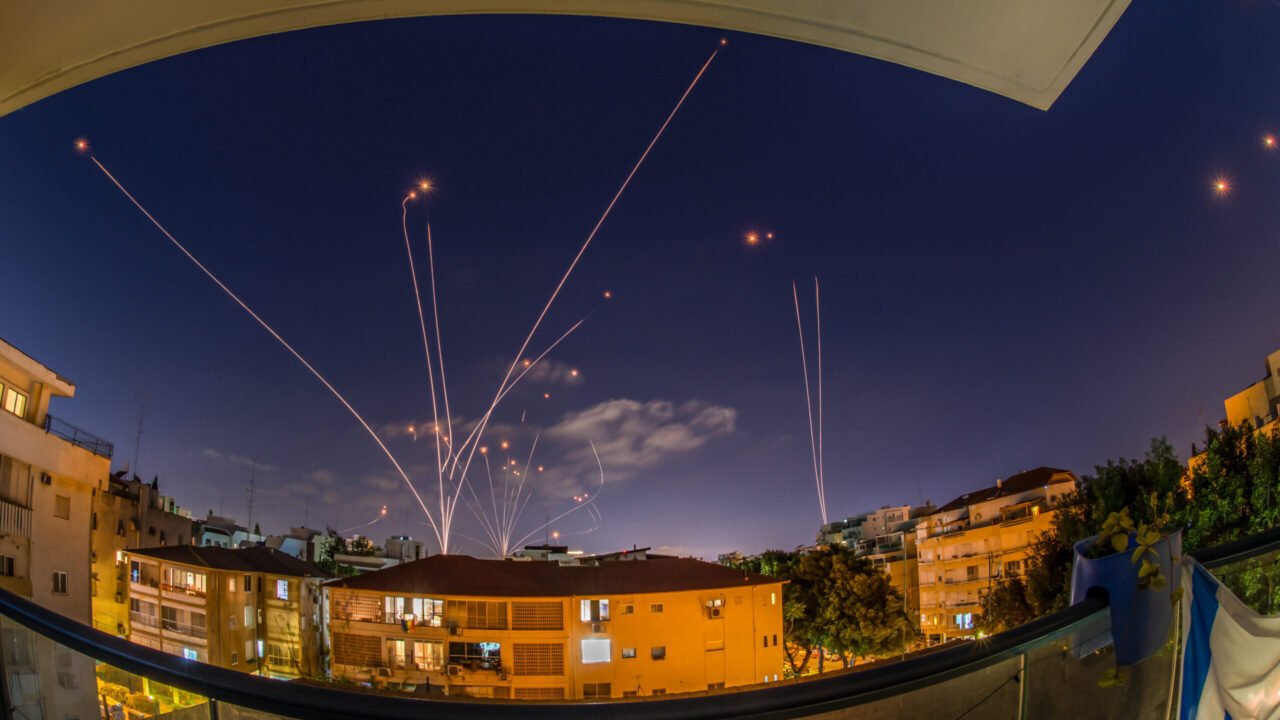
Countries copying Israel’s Iron Dome risk importing hardware without the iterative wartime adaptation that made it effective, as drone swarms, cheap cruise missiles, and massed attacks strain interceptors and demand layered architectures evolving faster than any single system can deliver alone.
Dome Projects Spread Across Three Continents
Israel’s air defense system is attracting interest and imitation worldwide. In early October, the United Kingdom’s main opposition party, the Conservatives, pledged to invest $13 billion in a new air defense system dubbed “Britannia Shield.” This has sparked debate over what a multi-layered system, similar to Israel’s famous “Iron Dome,” means for British air defense. Numerous other countries are also debating adopting similar defense systems, often with a spin on the original name. These include the United States’ proposed “Golden Dome,” Turkey’s “Steel Dome,” Italy’s “Michelangelo Dome,” and Greece’s “Achilles Shield.”
Although the Iron Dome is the lower tier of Israel’s multi-layered air defense system, defense commentators sometimes mistakenly use it to refer to Israel’s air defense as a whole. Israel developed Iron Dome to confront short-range threats that it faced from its neighbors and works in concert with other layers of air defenses. Nonetheless, Israel offers critical, practical lessons on emerging air threats and how to counter them.
Iron Dome Imitators Risk Copying Without Adapting
The war in Ukraine has also shown the tactical opportunities and dangers of drones and loitering munitions. Russian drone threats have emerged in Germany and across Eastern Europe. The exponential growth of unmanned aerial systems and loitering munitions, which combine drone and cruise-missile features, means traditional air-defense approaches are no longer sufficient.
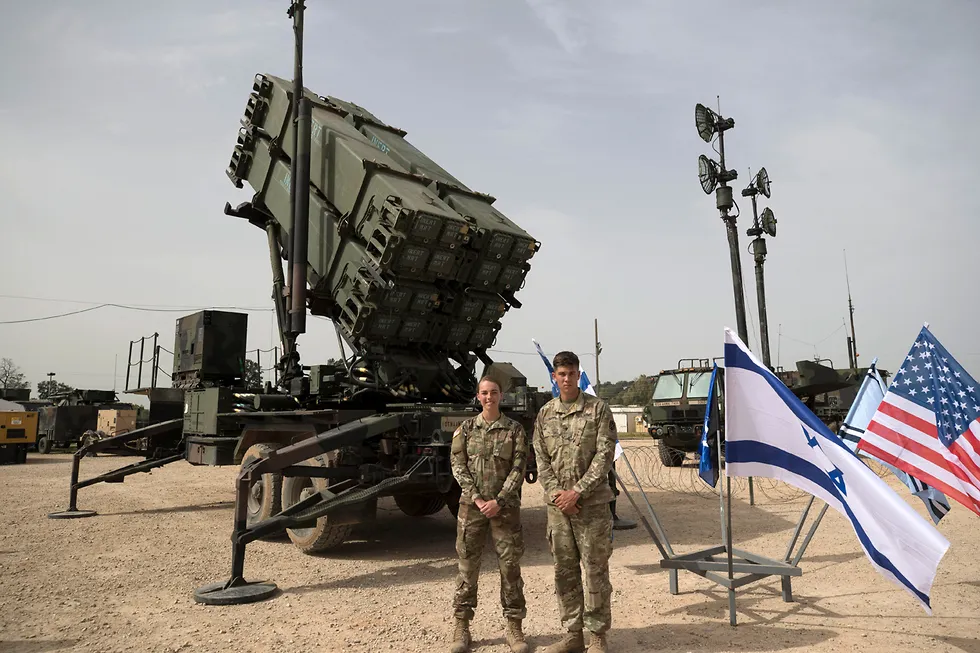
Israel has cooperated with the United States for five decades to develop intermediate- and long-range air defenses. The Arrow system was initially designed to confront ballistic missiles, such as the Iraqi Scuds Israel encountered during the 1991 Gulf War. Arrow complemented systems such as the Patriot missile system. Israel and the United States began developing David’s Sling, a medium-range interceptor, in the early 2000s. Arrow has been in operational use since 2017, and especially since 2023.
What Made Israel’s System Work
Iron Dome was developed in response to the 2006 Lebanon War, when Hezbollah fired large barrages of rockets into northern Israel. While Israel had faced rocket attacks dating back to the late 1970s, the scale of the threat from Hezbollah and Hamas spurred the creation of a unique short-range system. Iron Dome achieved its first interception in 2011 and has maintained impressive results over the years, with reported interception rates of around 90 percent against threats it engages.
Israel’s multi-layered approach to air defense was not fully tested against the range of threats it was designed to confront until the war that began with the Hamas attack on Israel on October 7, 2023. Prior to that attack, the main threat Israel faced was from Hamas rockets in Gaza. Although some of these rockets were long-range, Iron Dome handled most of those threatening populated areas.
Israel used the David’s Sling and Arrow systems relatively little until 2023 and 2024. The interception of massive salvoes of Iranian ballistic missiles and drones in 2024 illustrated that Israel’s systems worked as expected. Israel didn’t succeed alone. Decades of cooperation with the United States made this possible. In addition, Israel enjoyed support from US Central Command and other partners in Europe and the region during the Iranian attacks in 2024. Subsequent conflicts with Iran in June 2025 and beginning in February 2026 have enabled Israel to adjust and update its air defenses.
Ukraine Reveals the Scale of Drone Attacks
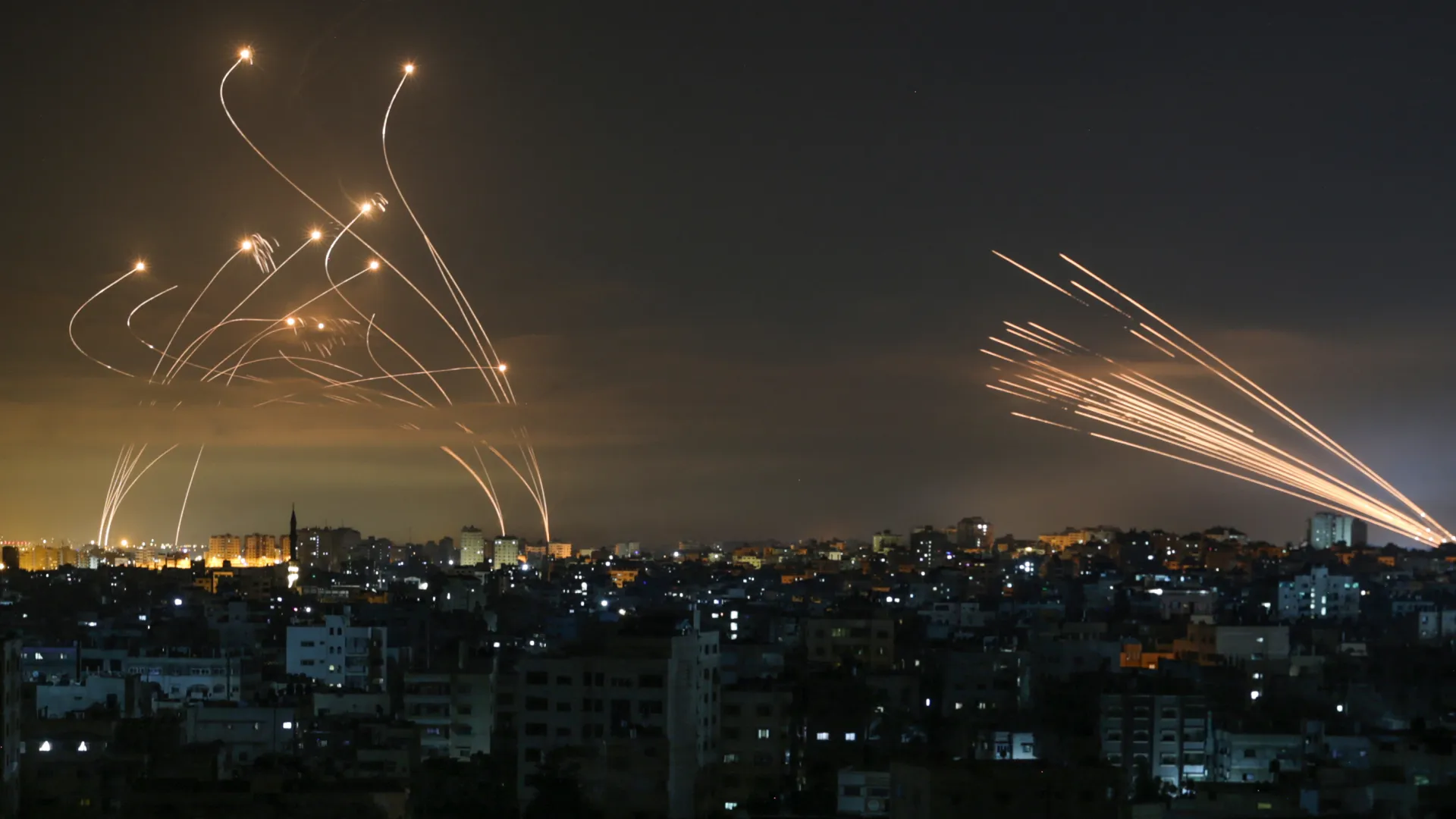
As countries look to Israel for an air defense “dome” concept, they are also looking at Ukraine’s success against Russian drone and missile attacks. Ukraine has used a variety of systems to confront these threats and has shown impressive results despite facing many challenges. Ukraine has also shown that it can develop its defense industrial base under wartime pressure, rolling out mass quantities of drones for increasingly deep strikes within Russia.
Iran supplies the Shahed-136 drone model to Russia, and Russia has used thousands of these drones to wreak havoc in Ukraine. Many air defense systems designed to deal with aircraft and missile threats have been pressed into service against emerging drone and loitering munition threats in recent years. This is not only the case in Ukraine, but also across the Middle East. Saudi Arabia, for instance, is dealing with missile and drone threats from the Iranian-backed Houthis in Yemen.
Why Architecture Matters More Than Inventory
This has been a wake-up call for many companies that manufacture air defense systems. They now understand that threats are evolving quickly and growing exponentially. Daily drone attacks in the Ukraine War have numbered in the hundreds and thousands per day. The high number of attacks has raised concerns about a shortage of traditional interceptors, such as Patriots and THAAD.
This realization has shifted air defense strategy and fueled a desire to procure large numbers of systems. It has also prompted countries to look to Israel and Ukraine as examples of what the future holds. Discussions about acquiring a “dome” defense have become increasingly common in many countries.
The first question for many countries going forward is where to invest in buying or developing the right types of air defenses.
The second question is how to knit them all together in a multi-layered approach. This means the UK discussion about investing in a new protective “dome” should focus on what such a system of systems will look like.

Maginot Line Offers a Cautionary Tale
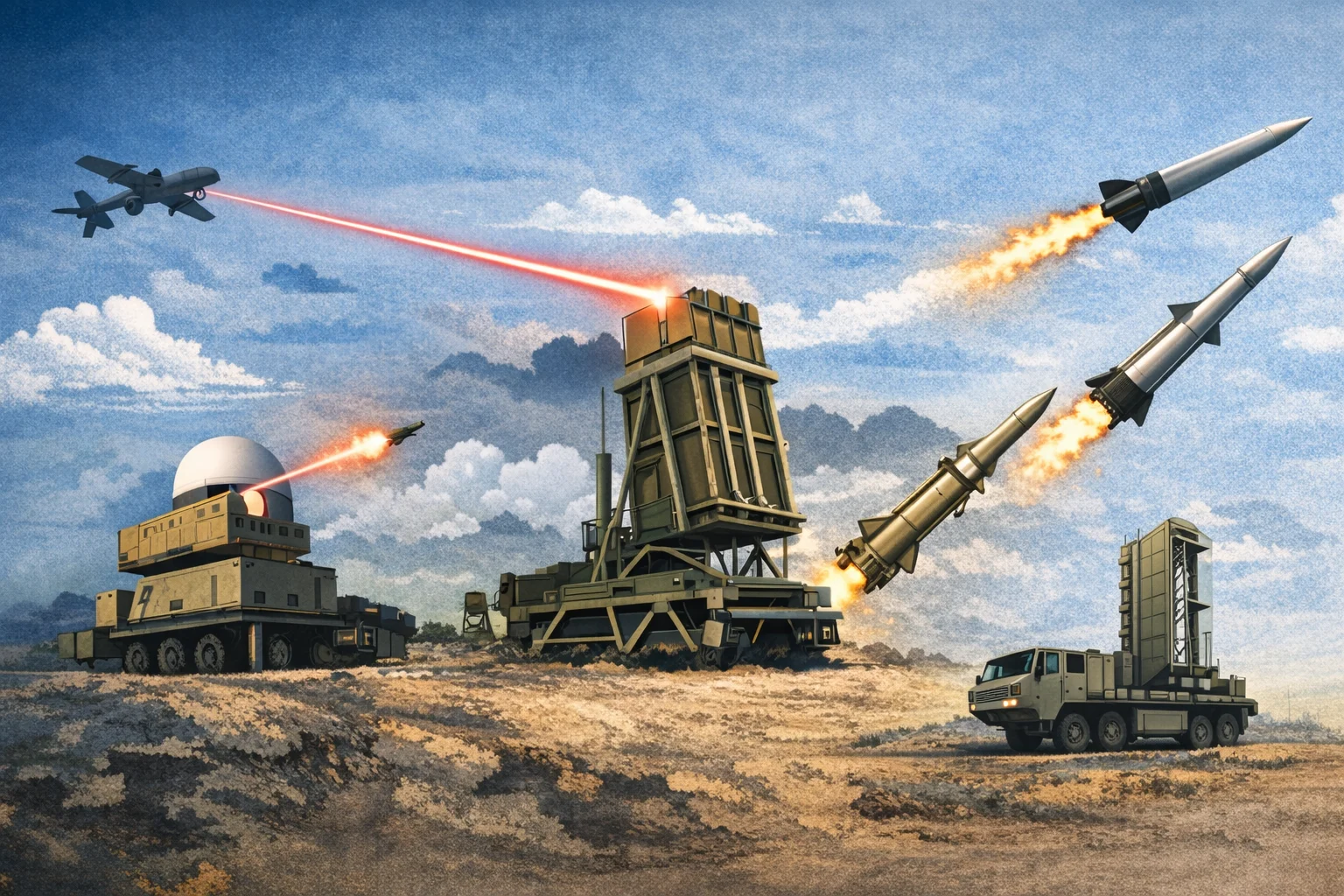
Israel understands this. It has continuously adapted and upgraded the Iron Dome and other systems to counter new threats, including developing laser systems that complement existing defenses against shorter-range targets. When first-person view (FPV) drone threats emerged from Lebanon, Israel moved to address the problem.
The rise of lasers, microwave weapons, and various counter-drone systems shows how multi-layered air defenses are evolving daily. These technologies combine jamming, electro-optical systems, and interceptor drones designed to shoot down or ram incoming threats. Several of these new systems were on display at the AUSA defense show in Washington in mid-October.
European efforts to adapt air defenses to this changing reality are critical. The key challenge is designing an architecture that absorbs Israel’s and Ukraine’s lessons while preparing for what comes next. Historically, some countries have failed by planning to “fight the last war” rather than the next one. France built the Maginot Line under the assumptions that had guided World War I, and it proved ineffective against Germany’s 1940 invasion. Similarly, large battleships built around earlier naval doctrines played a diminished role in World War II due to the expanded role of air power.
Iron Dome Imitators Must Learn to Evolve
What does this tell us about multi-layered air defenses and learning from Israel and Ukraine to develop various “domes” for other countries? A critical task is preparing for how the battlefield will evolve in the next decades. Existing air defenses such as Patriot or Arrow took decades to develop. The rapid evolution of one-way attack drones, drone swarms, and the exponential increase in cheap drones makes it hard to predict what comes next.
This means preparing for long-range drone strikes, as well as short-range drone operations launched from within a country. Drones could be smuggled in through shipping containers or similar means and then launched near their targets, as happened with Ukraine’s Operation Spiderweb. Countries must also prepare for confronting growing numbers of loitering munitions and cheap cruise missiles that arrive from different directions.
As the volume of deployed munitions grows, expensive, gold-plated systems focused on ballistic missiles will need to become more cost-effective. Countries building their own dome approaches must address this operational bottleneck as soon as possible. The discussion in the UK and other countries is relevant and requires a serious approach.