
Gulf Economies Face Historic Shock
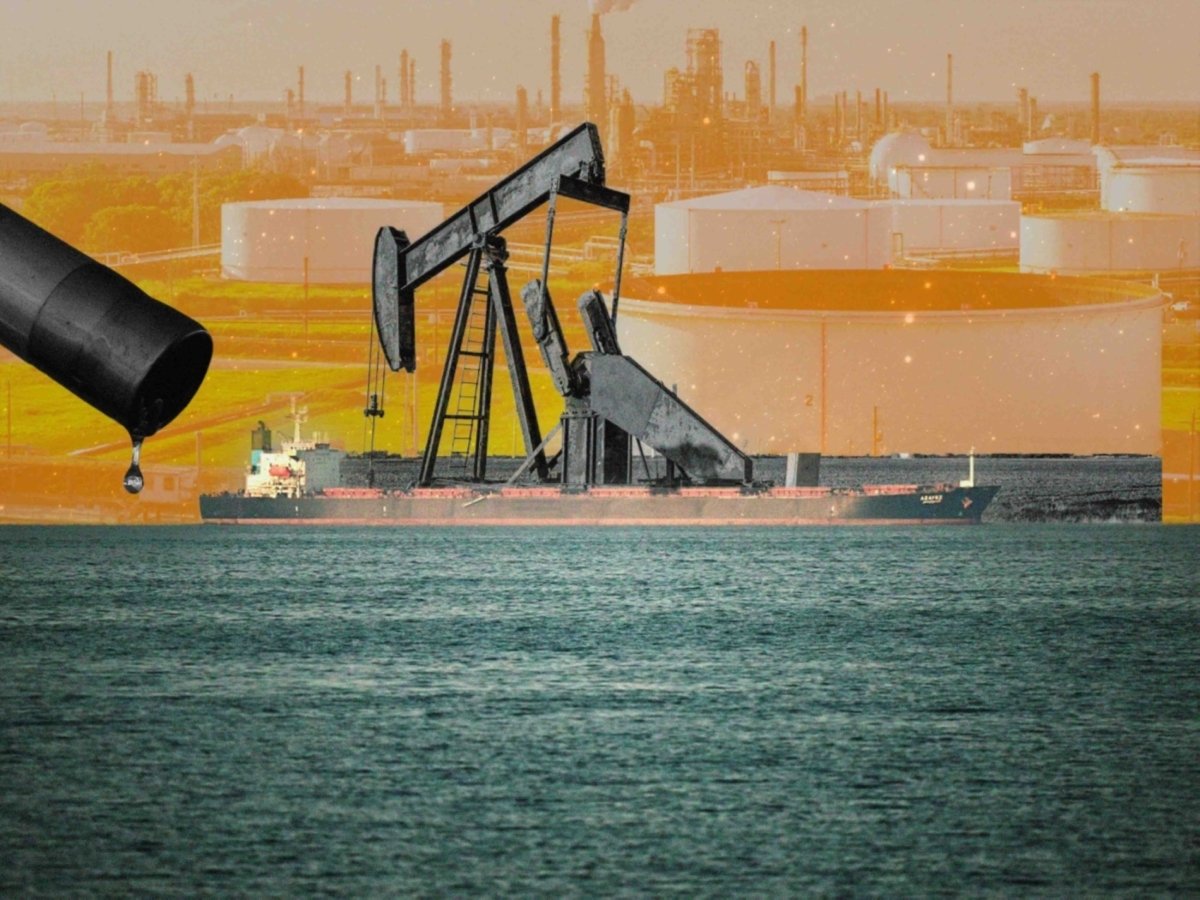
The US-Israeli war with Iran and the related closure of the Strait of Hormuz to shipping since March has disrupted energy supplies and international trade, dealing a heavy economic blow across the Middle East, North Africa, and Central Asia, not least to oil and gas exporters in the Gulf.
The closure of the vital shipping lane meant energy exporters could not ship their oil and gas, while energy importers faced much higher fuel costs, some of which came from shipping. With no export outlet, Gulf oil production plunged from 26 million barrels per day (bpd) to 16 million. The repercussions go well beyond the energy industry, affecting tourism, aviation, and logistics. It has eroded investor confidence and added to inflationary pressures.
After 3.3% growth in 2025, the World Bank now forecasts a 2.1% contraction for the economies of the Middle East, North Africa, Afghanistan, and Pakistan in 2026, while the combined economies of the Gulf Cooperation Council (GCC) are projected to contract by 4.3% this year. Others differ slightly in their assessment. In its October forecasts, the International Monetary Fund (IMF) projected a regional contraction of 0.3%, though discrepancies can stem from differences in geographical coverage.
Gulf impact
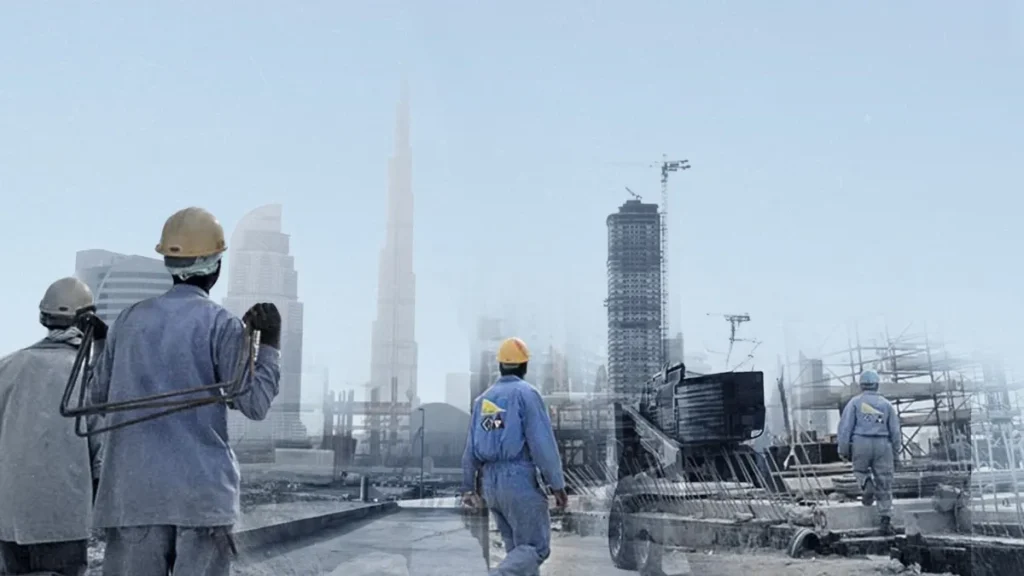
With maritime trade routes disrupted, alternative export corridors through the Red Sea and the Gulf of Oman have helped cushion the impact, particularly for Saudi Arabia and the United Arab Emirates, but these Plan-B routes only partially compensated for the economic damage inflicted by the Hormuz closure. The IMF projects that the Saudi economy—the largest in the GCC—will contract by 3.3% in 2026 but rebound 7.9% in 2027.
class=”ds-markdown-paragraph”>اعداد منتشرشده توسط وزارت دارایی سعودی نشان میدهد که درآمدهای نفتی در سال 2024 برابر با $201.8bn بوده و در فصل دوم 2026 درآمدها $90.3bn بوده در برابر هزینههای $99.5bn، که بر اساس گزارش عملکرد بودجه وزارت، کسری بودجهای بیش از $9bn باقی گذاشته است، و همین گزارش کل درآمدهای نیمه اول 2026 را حدود $160bn دانسته است. تولید اوپک+ در سپتامبر 2026 نسبت به آگوست 903,000 bpd افزایش یافته، با رهبری عربستان سعودی و عراق، بنا بر گزارش ماهانه این سازمان، که نشان میدهد ممکن است یک گوشه برطرف شده باشد.
در ردهبندی منتشرشده توسط پلتفرم مالی Argaam در اکتبر 2026، IMF عراق، کویت، قطر و بحرین را از جمله کشورهایی شناسایی کرد که شدیدترین متاثرشدنها از اختلالات در تولید و حملونقل انرژی را تجربه کردهاند. انتظار میرود هر چهار کشور در 2026 بیش از 10% کوچک شوند، و در صورت بازگشت تولید، صادرات و لجستیک به حالت عادی، در 2027 بهبود یابند. صندوق پیشبینی میکند اقتصاد کویت 16.7%، عراق 16%، قطر 15.6% و بحرین 11.3% کوچک شوند.
تاثیر شمال آفریقا
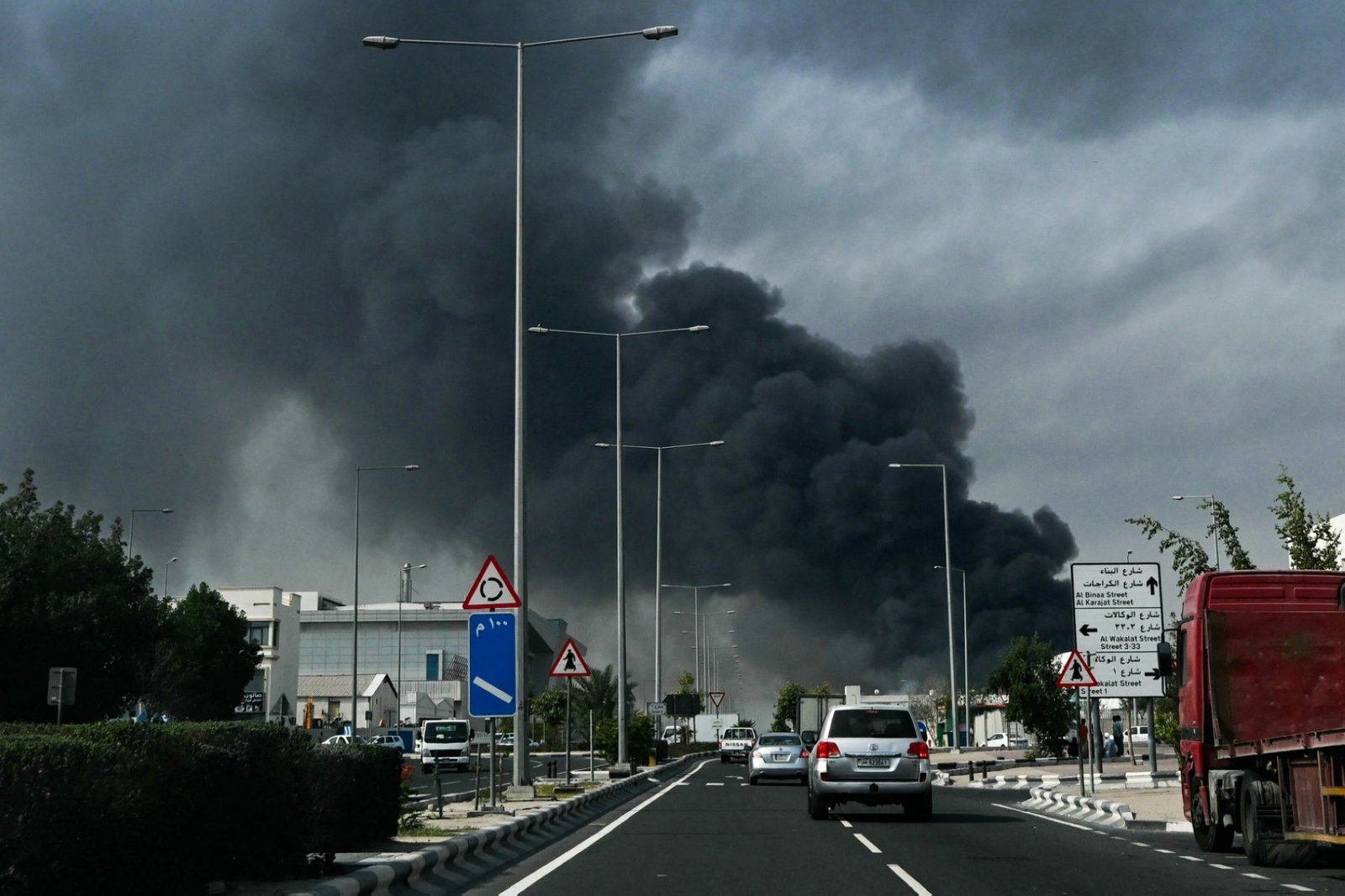
در شمال آفریقا، افزایش قبوض واردات انرژی باعث نگرانی شده است، اما مصر و مراکش با درآمدهای ارز خارجی از گردشگری و حوالهها ضربه را تعدیل کردهاند. مجموع درآمد از این دو منبع در هشت ماه نخست 2026 به $66bn رسید که به آنها کمک کرد تا فشار بر تراز پرداختها را تحمل کنند.
مراکش دارای پایه صادراتی متنوع شامل وسایل نقلیه، قطعات هواپیما، فسفات و محصولات کشاورزی و غذایی است. مانند مصر، همچنین صنعت گردشگری پررونقی دارد. در افق اقتصادی جهان، IMF رشد مراکش را در 2026 برابر با 4.5% پیشبینی میکند اما انتظار دارد کسری حساب جاری این کشور به 4.9% از GDP گسترش یابد، زیرا هزینههای واردات بر امور مالی خارجی آن سنگینی میکند. پیشبینی میشود تورم در 2026 اندک و برابر با 0.9% باقی بماند (که در 2025 برابر با 0.8% بود).
<p
Egypt received $46bn in foreign currency inflows in the first eight months of 2026, including $33.9bn in remittances from Egyptians working abroad and $12bn in tourism revenue. This bolstered its foreign exchange resources and eased pressure on its current account, just as disruptions to Red Sea shipping and rising energy import costs had been causing Cairo brows to furrow.
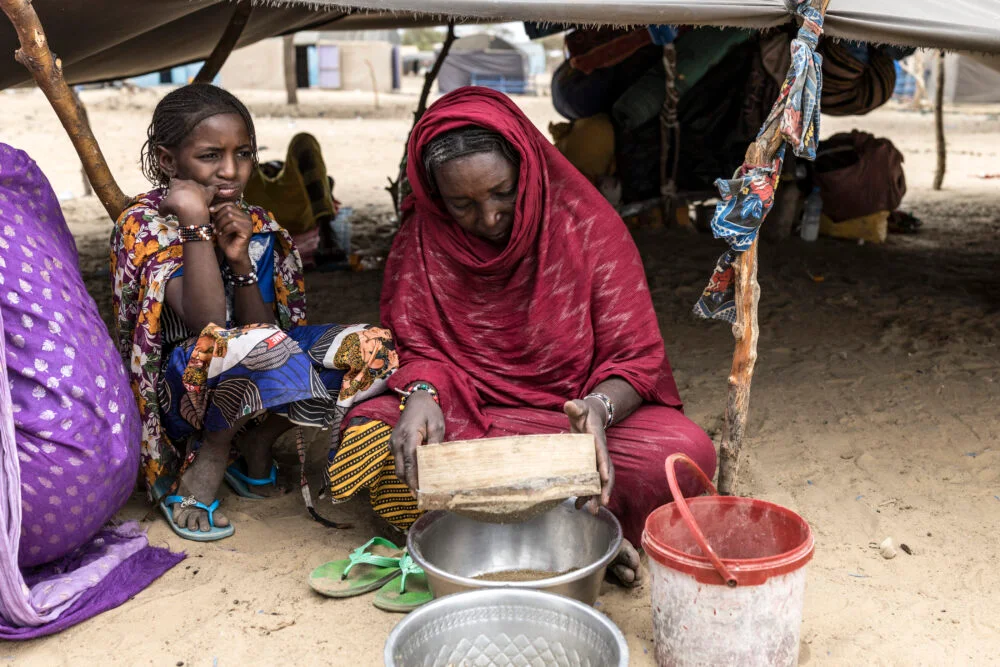
The Egyptian economy has displayed resilience as war has raged all around it, prompting the IMF to raise its growth forecast to 5.1% for 2026, followed by a moderation to 4.7% in 2027. But high public debt and large financing needs remain major challenges. Inflation is also high, although this is projected to fall to 14.8% in 2026, from 20.4% in 2025
Nearby, Tunisia’s growth is anaemic, and its debts are high. The IMF expects the economy to expand by 2.4% in 2026, up from 2.7% in 2025, before slowing to 2% in 2027. Average inflation is forecast to rise slightly to 5.5% in 2026 and 6.3% in 2027, amid continuing price pressures and strains on the current account. If the US-Iran war ends and shipping and energy production return to normal, Tunisians will be glad.
Gulf Economies Await Fragile Rebound
The IMF envisages a rebound across the region, which will vary considerably by country and depend on geopolitical stability. The GCC’s formidable financial resources (its sovereign wealth funds sit on combined assets of $5.2tn) can cushion the war’s effects. If the Strait of Hormuz reopens, the IMF forecasts 19% growth in Iraq, 18.8% in Qatar, 17.1% in Kuwait, 13.9% in Bahrain, and 7.7% in the UAE. Yet with no sign of a breakthrough, that remains a big ‘if’.