
Undersea Cables Become Iran’s Threat
Islamic Revolutionary Guard Corps spokesman Hossein Mohebbi warned on October 19, 2026, that Iran could target undersea internet cables in the Strait of Hormuz, as the Trump administration considers resuming hostilities.
Yadollah Javani, the Islamic Revolutionary Guard Corps’ assistant for political affairs, also suggested that Iran could disrupt global commerce by attacking undersea internet cables in the Persian Gulf.
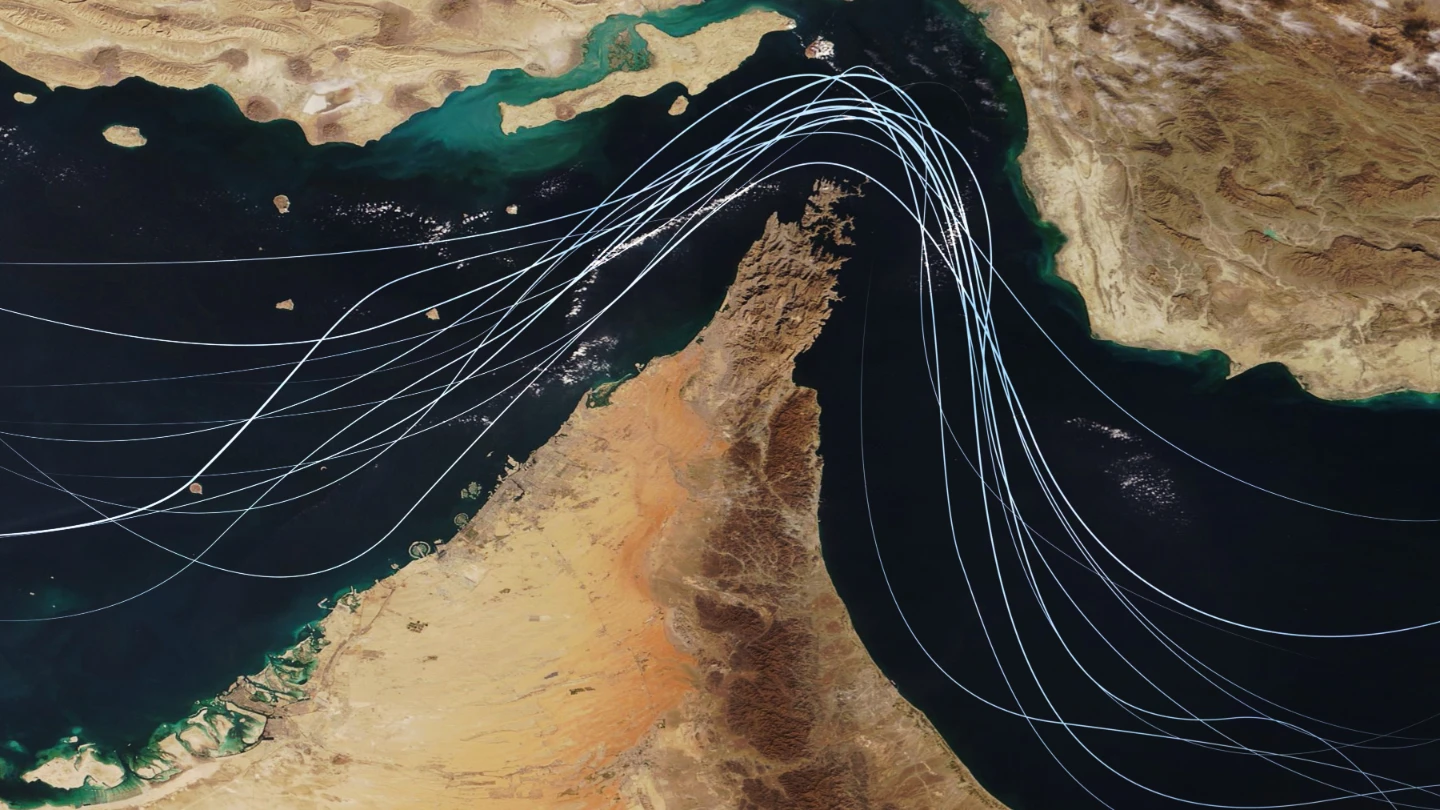
On October 21, Javani said, “[The] Islamic Republic’s actions will be smart and sometimes offensive because the Americans should exit our region … and can never return the conditions to prewar.” Suggesting that offensive action will cause the United States to hesitate to attack in the future, he mentioned that “Americans, Zionists, Europeans, and their supporters” have witnessed Iran’s capabilities in damaging U.S. military bases.
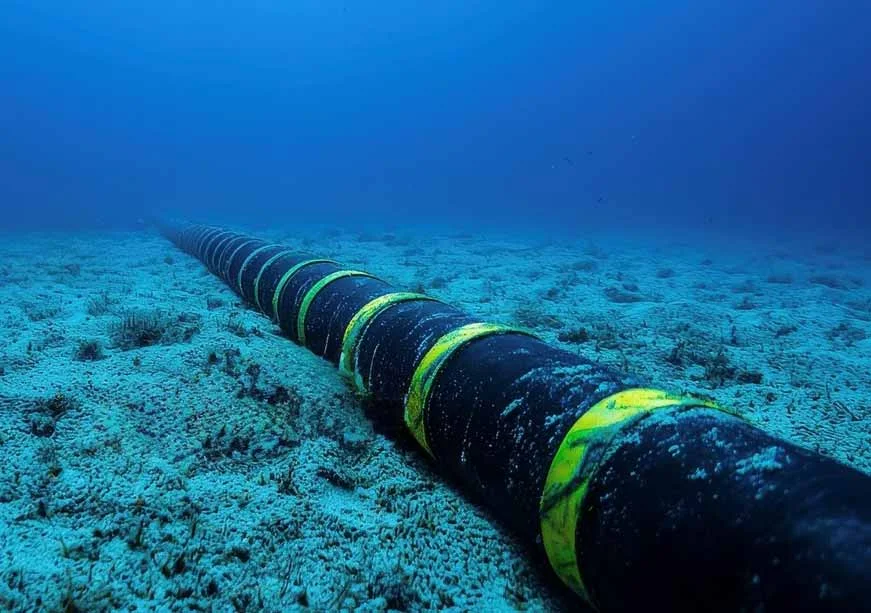
Javani went on: “Americans and Americans’ allies in the region have many assets in the region. If they attack the infrastructures of our country, it is natural that the Islamic Republic will use all of its power and easily destroy their assets and capitals, including internet cables—seven cables pass through the Strait of Hormuz—and it can certainly inflict serious damage to America.”
Why Does Qatar Fear Disconnection
Qatar has warned Iran that such a move would harm Iran too. Tasnim News pushed back that choking the world economy is Iran’s new doctrine. It added that, because Iran’s economy is less reliant on the internet, the ensuing disruption will be absorbable, adding that Iran has already established an alternative communication line with Oman. In contrast, it called Qatar a “digital island” that will face an existential crisis if it loses connectivity. Qatar’s accommodation of the United States has made it unpopular in certain circles in Iran, just as its accommodation of Iran has made it unpopular in the United States.
كتبت Nour News: “في الأيام الأخيرة تحدثت السلطات الأمنية والعسكرية العليا في إيران بصراحة عن مهاجمة كابلات الإنترنت في قاع الخليج الفارسي، في حال حدوث عدوان آخر على إيران من قبل الولايات المتحدة وإسرائيل.”
مستندة إلى أن 80 في المئة من الإنترنت العالمي يعمل عبر الكابلات البحرية، أضاف المقال: “أظهرت تجربة البحر الأحمر في السنوات الأخيرة أن تعطيل الإنترنت العالمي لا يتطلب بالضرورة قطع كل الكابلات.” في 2024 و2025، هاجم الحوثيون كابلات الإنترنت في البحر الأحمر، ما تسبب في انقطاع الإنترنت في المنطقة. وحذر المقال من أن مثل هذه الهجمات قد تدعو إلى «ردود فعل سياسية وقانونية» من دول غير متحاربة متأثرة.
هذه خطوة خطرة بالنسبة لإيران. صحيح أن الألم النسبي على إيران سيكون أقل منه على جيرانها إذا عطلت إيران الترابط الإقليمي، لكن هناك عنصرين يجب على طهران مراعاتهما: أولاً، كما يقترح Nour News، إيران لديها أصدقاء قليلون، ولا يمكنها تحمّل تحويل مزيد من الدول إلى أعداء. ثانياً، بينما صحيح أن دول الخليج العربي ستتكبد ضرراً أكبر من حيث القيمة المطلقة، فإن اقتصاداتها في حالات أفضل بكثير من اقتصاد إيران، وسكانها ليسوا على شفير ثورة. اقتصاد إيران لديه هامش خطأ ضئيل.
مخاطرة الكابلات البحرية بنصر بييرريك
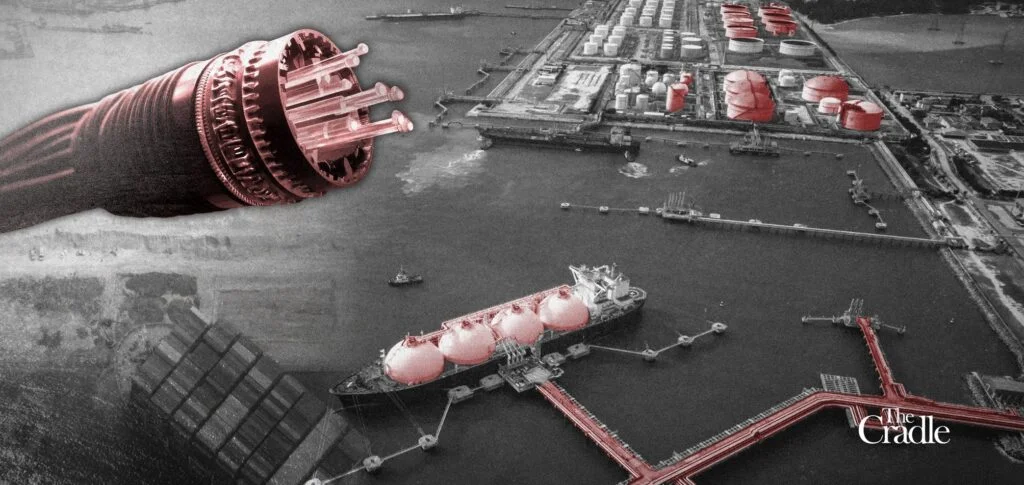
الأهم من ذلك أن استراتيجية إيران تفترض تعطلاً طويل الأمد للاتصال. استغرق إصلاح كابلات البحر الأحمر عدة أشهر. في أسوأ الحالات تفترض إيران أنها ستكون قادرة على منع الإصلاح بإطلاق النار على الفرق المرسلة لإصلاح الأضرار. وحتى إذا نجحت إيران في ذلك، فإن ذلك سيعرض لخطر تصعيد الحرب واحتلال الشاطئ الإيراني، وربما حتى مشاركة من بحريات آسيوية وأوروبية كانت إلى الآن مترددة.باختصار، تخاطر إيران بنصر بييرريك إذا نجحت في تعطيل الإنترنت الإقليمي.