
Undersea Cables Become Iran’s Threat
Islamic Revolutionary Guard Corps spokesman Hossein Mohebbi warned on October 19, 2026, that Iran could target undersea internet cables in the Strait of Hormuz, as the Trump administration considers resuming hostilities.
Yadollah Javani, the Islamic Revolutionary Guard Corps’ assistant for political affairs, also suggested that Iran could disrupt global commerce by attacking undersea internet cables in the Persian Gulf.
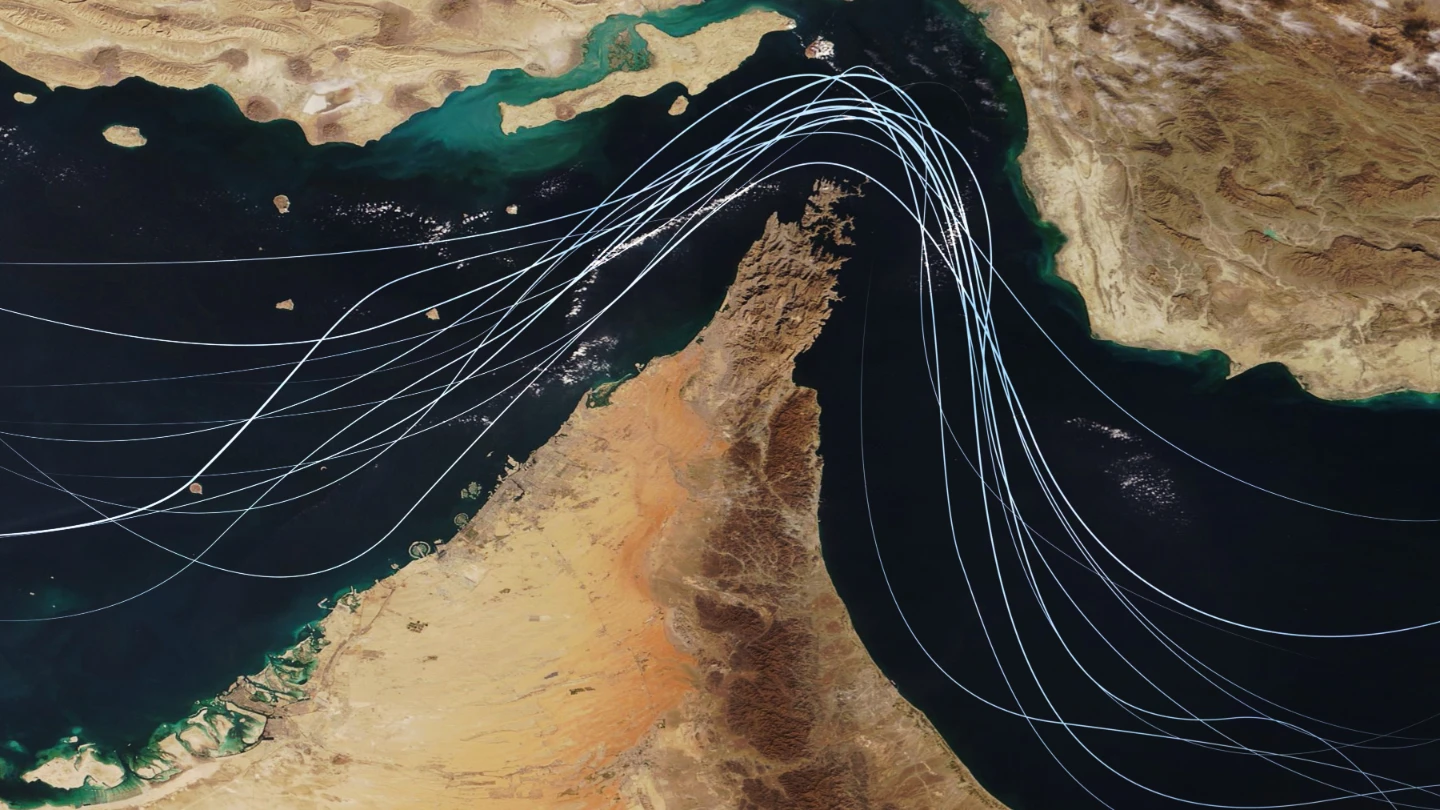
On October 21, Javani said, “[The] Islamic Republic’s actions will be smart and sometimes offensive because the Americans should exit our region … and can never return the conditions to prewar.” Suggesting that offensive action will cause the United States to hesitate to attack in the future, he mentioned that “Americans, Zionists, Europeans, and their supporters” have witnessed Iran’s capabilities in damaging U.S. military bases.
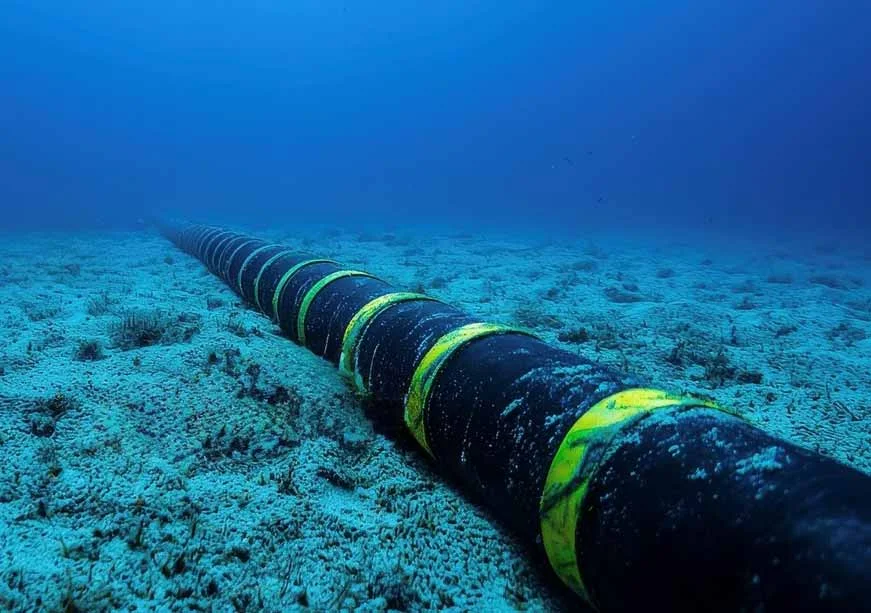
Javani went on: “Americans and Americans’ allies in the region have many assets in the region. If they attack the infrastructures of our country, it is natural that the Islamic Republic will use all of its power and easily destroy their assets and capitals, including internet cables—seven cables pass through the Strait of Hormuz—and it can certainly inflict serious damage to America.”
Why Does Qatar Fear Disconnection
Qatar has warned Iran that such a move would harm Iran too. Tasnim News pushed back that choking the world economy is Iran’s new doctrine. It added that, because Iran’s economy is less reliant on the internet, the ensuing disruption will be absorbable, adding that Iran has already established an alternative communication line with Oman. In contrast, it called Qatar a “digital island” that will face an existential crisis if it loses connectivity. Qatar’s accommodation of the United States has made it unpopular in certain circles in Iran, just as its accommodation of Iran has made it unpopular in the United States.
<p
Nour News نوشت، «در روزهای اخیر مقامات عالیرتبه امنیتی و نظامی ایران صریحاً در مورد حمله به کابلهای اینترنتی در کف خلیج فارس صحبت کردهاند، در صورت وقوع یک تجاوز دیگر علیه ایران از سوی ایالات متحده و اسرائیل.»
با اشاره به اینکه 80 percent of the world’s internet operates on undersea cables، مقاله افزود، «تجربه دریای سرخ در سالهای اخیر نشان داده که مختل کردن اینترنت جهانی لزوماً نیاز به قطع همه کابلها ندارد.» در 2024 و 2025، حوثیها به کابلهای اینترنتی دریای سرخ حمله کردند که موجب اختلال اینترنت در منطقه شد. مقاله هشدار داد که چنین حملاتی ممکن است واکنش «سیاسی و حقوقی» از سوی کشورهای غیرمداخلهجو که تحت تاثیر قرار گرفتهاند به دنبال داشته باشد.
این حرکت برای ایران پرخطر است. درست است که درد نسبی بر ایران از اختلال در اتصال منطقهای کمتر از همسایگانش خواهد بود، اما تهران باید دو نکته را در نظر داشته باشد: اول، همانطور که Nour News اشاره میکند، ایران دوستان کمی دارد و نمیتواند از عهده تبدیل کشورهای بیشتری به دشمن برآید. دوم، اگرچه درست است که کشورهای عرب خلیج فارس از نظر مطلق بیشتر متحمل ضرر خواهند شد، اما اقتصاد آنها در وضعیت بسیار بهتری نسبت به ایران است و جمعیت آنها در آستانه انقلاب قرار ندارند. اقتصاد ایران حاشیه خطای کمی دارد.
Undersea Cables Risk Pyrrhic Victory
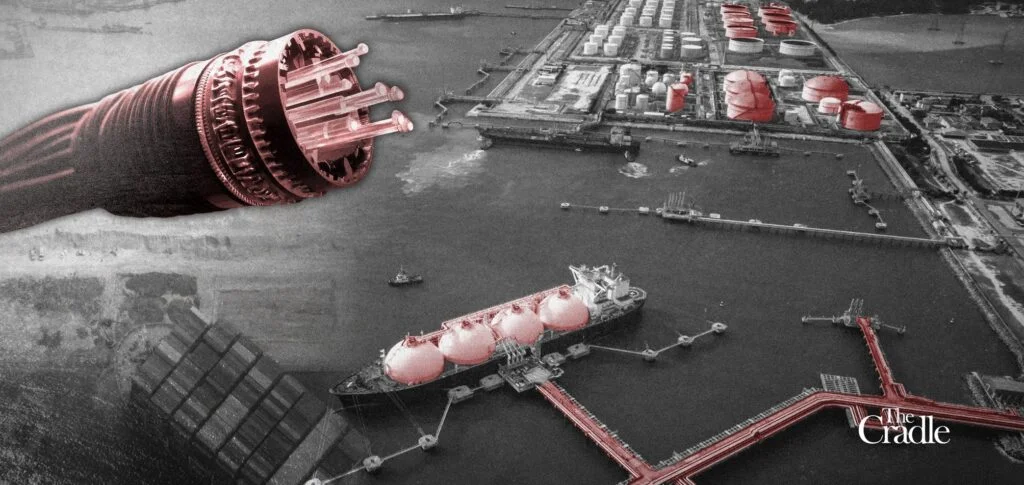
مهمتر از همه، استراتژی ایران فرض میکند که اختلال در اتصال بلندمدت خواهد بود. تعمیر کابلهای دریای سرخ چندین ماه طول کشید. در بدترین حالت، ایران فرض میکند که قادر خواهد بود با شلیک به تیمهای اعزامشده برای تعمیر، مانع تعمیر شود. حتی اگر ایران بتواند این کار را انجام دهد، این ریسک تشدید جنگ و اشغال سواحل ایران را به دنبال خواهد داشت، شاید حتی مشارکت نیروی دریایی آسیا و اروپا که تاکنون از آن پرهیز کردهاند.به طور خلاصه، ایران در صورت موفقیت در مختل کردن اینترنت منطقهای در خطر پیروزی پیریک قرار دارد.