
Undersea Cables Become Iran’s Threat
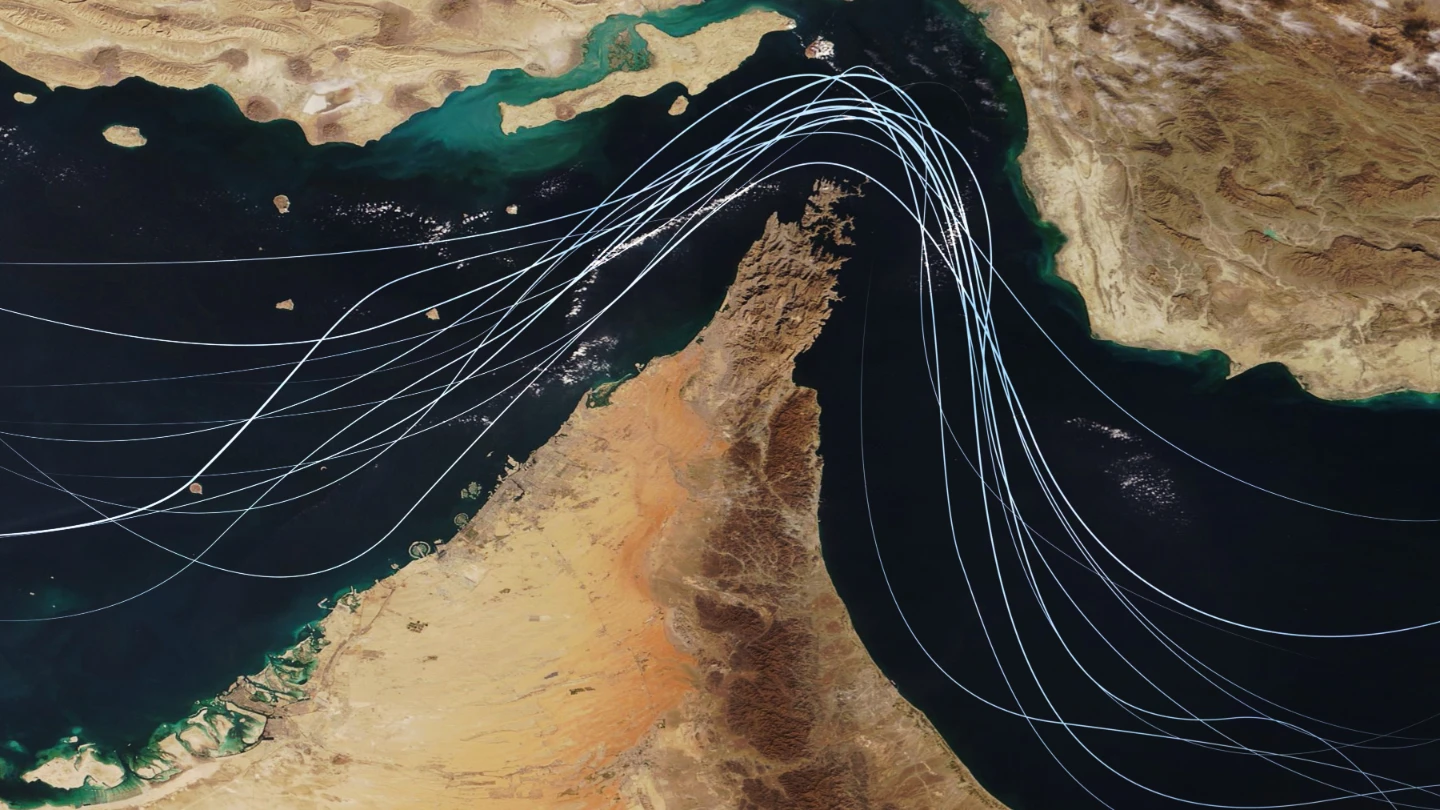
Islamic Revolutionary Guard Corps spokesman Hossein Mohebbi warned on October 19, 2026, that Iran could target undersea internet cables in the Strait of Hormuz, as the Trump administration considers resuming hostilities.
Yadollah Javani, the Islamic Revolutionary Guard Corps’ assistant for political affairs, also suggested that Iran could disrupt global commerce by attacking undersea internet cables in the Persian Gulf.
On October 21, Javani said, “[The] Islamic Republic’s actions will be smart and sometimes offensive because the Americans should exit our region … and can never return the conditions to prewar.” Suggesting that offensive action will cause the United States to hesitate to attack in the future, he mentioned that “Americans, Zionists, Europeans, and their supporters” have witnessed Iran’s capabilities in damaging U.S. military bases.
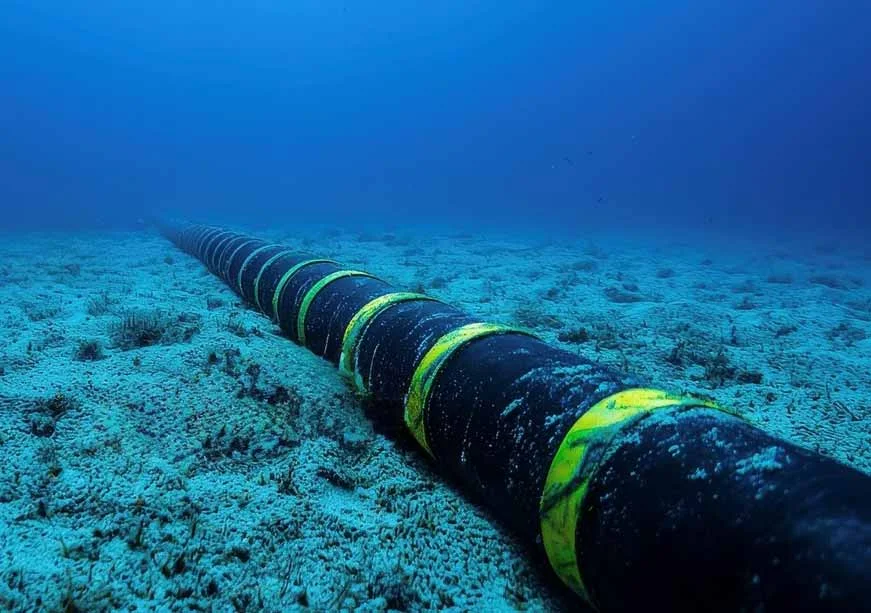
Javani went on: “Americans and Americans’ allies in the region have many assets in the region. If they attack the infrastructures of our country, it is natural that the Islamic Republic will use all of its power and easily destroy their assets and capitals, including internet cables—seven cables pass through the Strait of Hormuz—and it can certainly inflict serious damage to America.”
Why Does Qatar Fear Disconnection
Qatar has warned Iran that such a move would harm Iran too. Tasnim News pushed back that choking the world economy is Iran’s new doctrine. It added that, because Iran’s economy is less reliant on the internet, the ensuing disruption will be absorbable, adding that Iran has already established an alternative communication line with Oman. In contrast, it called Qatar a “digital island” that will face an existential crisis if it loses connectivity. Qatar’s accommodation of the United States has made it unpopular in certain circles in Iran, just as its accommodation of Iran has made it unpopular in the United States.
Nour News 写道:“近日,伊朗高级安全和军事当局坦率表示,在美国和以色列再次对伊朗发动侵略的情况下,可能攻击波斯湾海底的互联网电缆。”
文章引用了全球80%的互联网依赖海底电缆的说法,并补充道:“近年来红海的经验显示,破坏全球互联网并不一定需要切断所有电缆。”在2024年和2025年,胡塞武装袭击了红海的互联网电缆,导致该地区互联网中断。文章警告称,此类袭击可能招致受影响的非交战国的“政治和法律”报复。
这对伊朗来说是一项高风险举动。确实,如果伊朗扰乱区域连接,伊朗承受的相对痛苦将少于其邻国,但德黑兰应考虑两点:第一,正如Nour News 所暗示,伊朗的朋友不多,无法承受让更多国家成为敌人。第二,尽管海湾阿拉伯国在绝对意义上将遭受更大损失,但其经济状况远好于伊朗,且其民众并非处于革命边缘。伊朗经济几乎没有容错空间。
海底电缆可能带来徒劳胜利
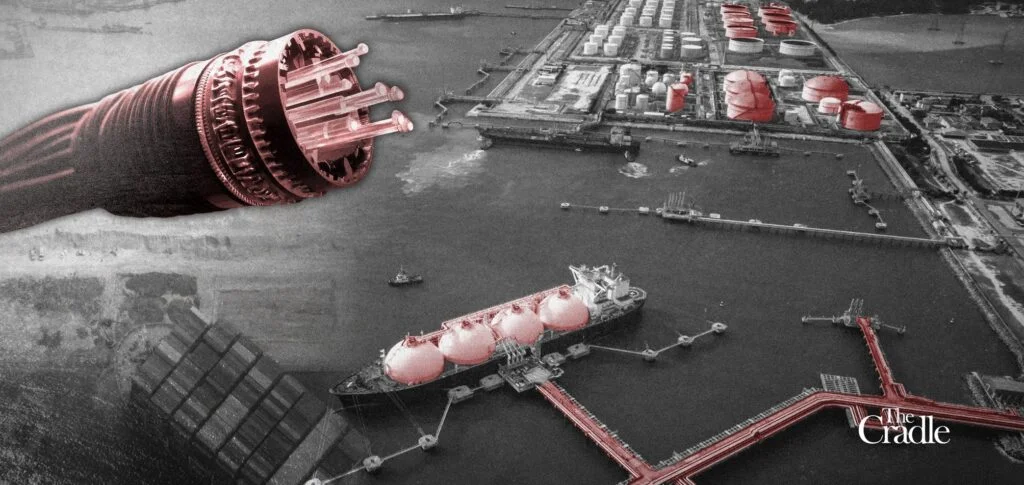
最重要的是,伊朗的战略假设是长期中断连通性。修复红海电缆花了数月时间。最坏情况下,伊朗认为可以通过向前来修复损毁的维修队开火来阻止修复。即便伊朗设法做到,这也将有可能引发战争升级并导致对伊朗海岸的占领,甚至可能引来迄今不愿介入的亚洲和欧洲海军参与。总之,如果伊朗成功扰乱区域互联网,所获得的可能是一次徒劳的胜利。