
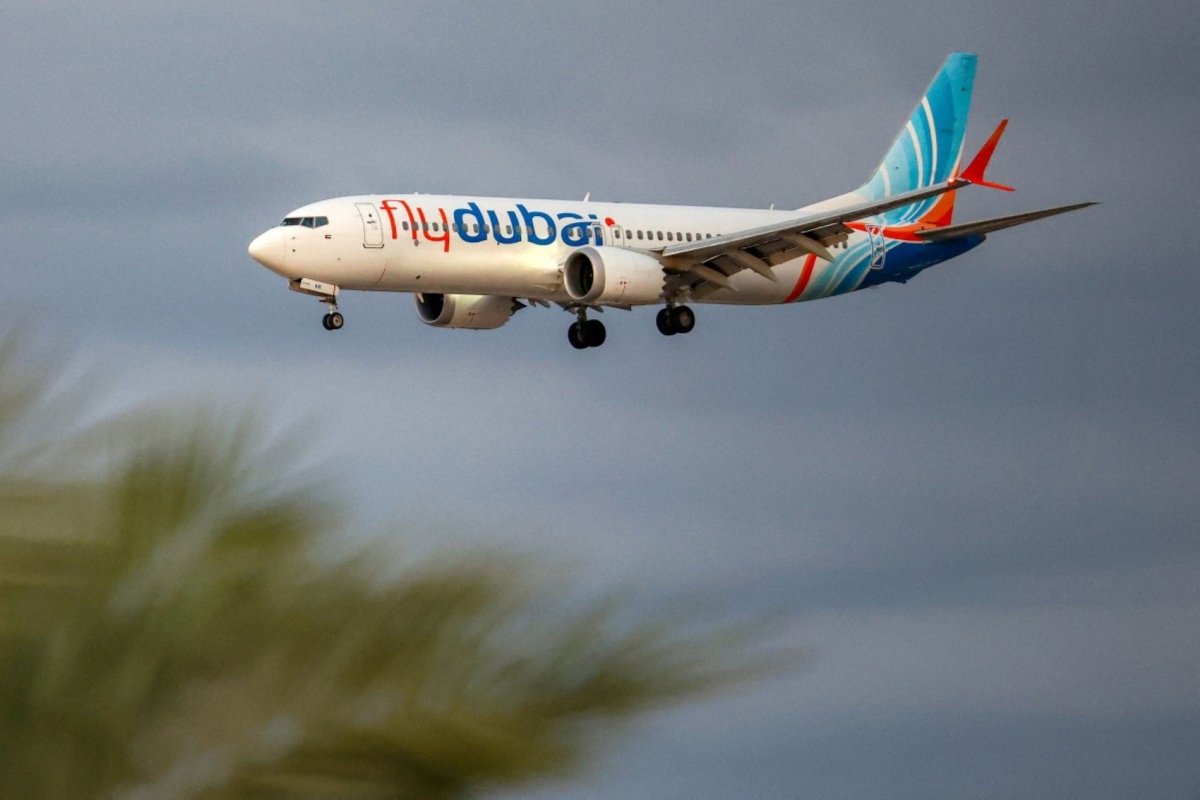
A cockpit attack on Flydubai Flight FZ1073 forced a diversion to Saudi Arabia weeks before Israel’s October 27 election, giving Prime Minister Benjamin Netanyahu a security narrative while passengers’ courage complicated claims of state protection.
Flydubai Attack Shakes Election Campaign
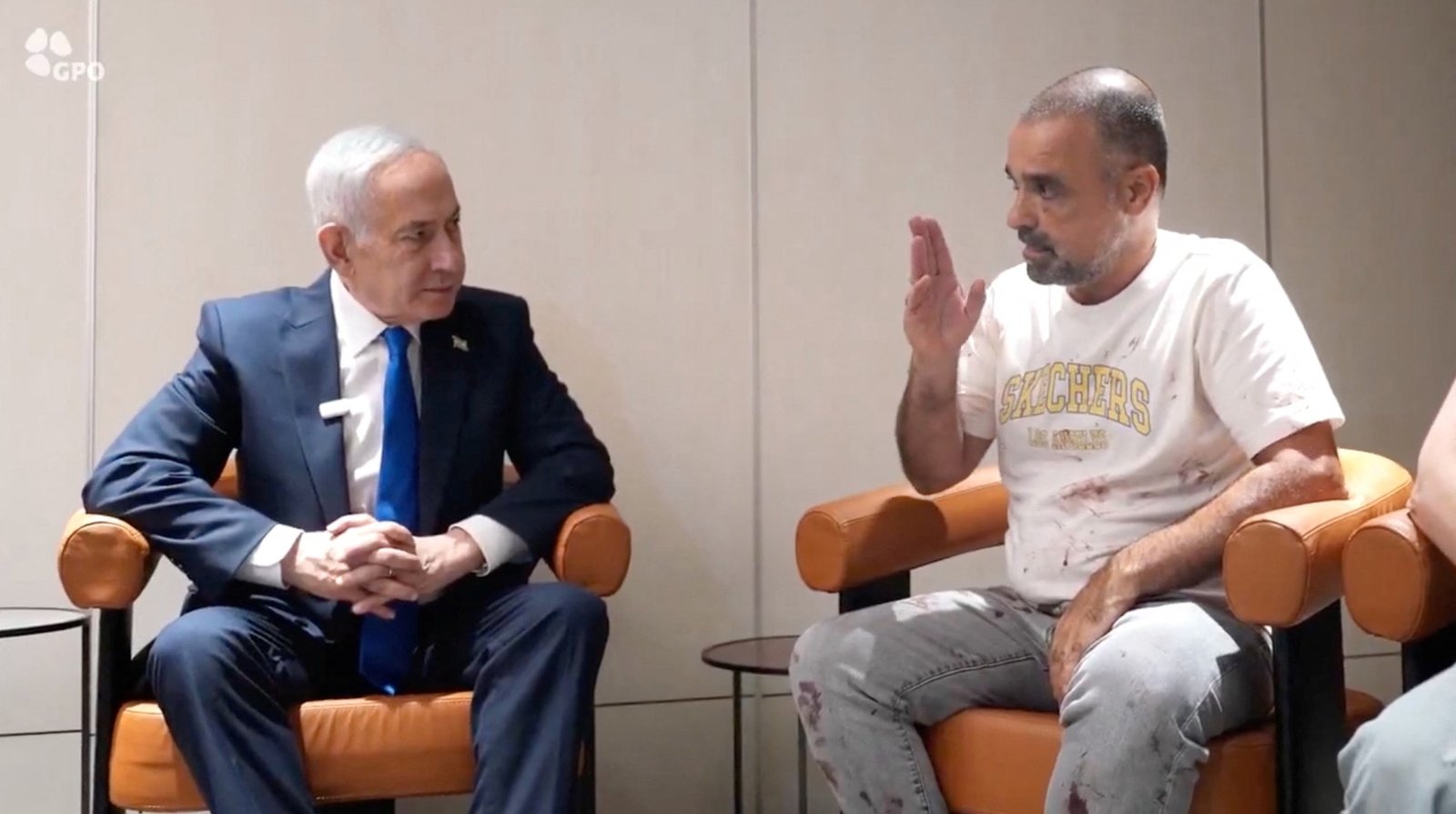
Yaniv Hayon arrived in Israel with blood on his white shirt and an incredible explanation for how he had helped steady a passenger jet: he watched the Canadian documentary series Air Crash Investigation. According to his account, he had entered the cockpit, restrained an attacking pilot, and pulled back on the controls before a pilot took over. Hours later, he was recounting the ordeal to Prime Minister Benjamin Netanyahu at Ben Gurion Airport in what quickly turned into an election story.
On 30 September, Flydubai Flight FZ1073, travelling from Dubai to Tel Aviv, diverted to Saudi Arabia after an alleged fight erupted in the cockpit. Israeli officials say the co-pilot stabbed the captain and attempted to crash the aircraft. Passengers described a terrifying descent before they and airline personnel intervened; the aircraft landed safely in Tabuk, Saudi Arabia, before returning to Israel later that evening.
Flydubai has confirmed a cockpit altercation but says the reasons and motives are unknown. It suspended flights to and from Israel overnight amid an ongoing investigation. While Netanyahu said Iranian involvement had not been established, he said the United Arab Emirates had agreed to Israeli participation in the inquiry.
Flydubai Flight Tests Netanyahu’s Security Claim
The incident occurred just weeks before Israel votes on 27 October in its first national election since the October 7 attack. Security issues continue to dominate election campaigns, but Netanyahu no longer owns the issue as he once did. Polling shows no camp with an easy path to a governing majority, while his coalition trails the anti-Netanyahu parties in aggregate surveys.
The Flydubai drama offers Netanyahu a powerful story: Israelis again under attack, enemies probing for weakness, and a veteran prime minister urging the country to remain vigilant.
In fact, just a day before the incident, Netanyahu put out a video message at an air base in southern Israel, warning Israelis that its enemies might try to attack ahead of the 27 October election. He then warned said enemies: do not “mess” with Israel.
Opposition Disputes Warning Narrative
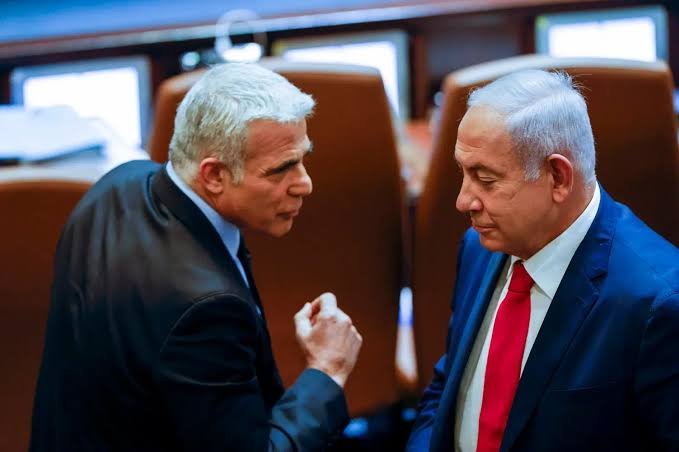
While Netanyahu’s allies linked the attack with the PM’s warning, opposition leader Yair Lapid disputed the suggestion that the cockpit attack vindicated the prime minister’s warning. He said that nothing remotely resembling the aircraft incident was discussed at the security briefing. An Israeli political official countered that Lapid had been told of a substantial increase in threats against Israelis abroad. The disagreement quickly moved beyond what happened aboard the aircraft to who had understood the danger, and who was exploiting it.
For Netanyahu, this is familiar campaign terrain. His longstanding political proposition is that experience and vigilance are indispensable in a hostile region. His main formula for winning elections is not to be likeable, but to present himself as the only leader in Israel capable of fending off the many threats it faces.
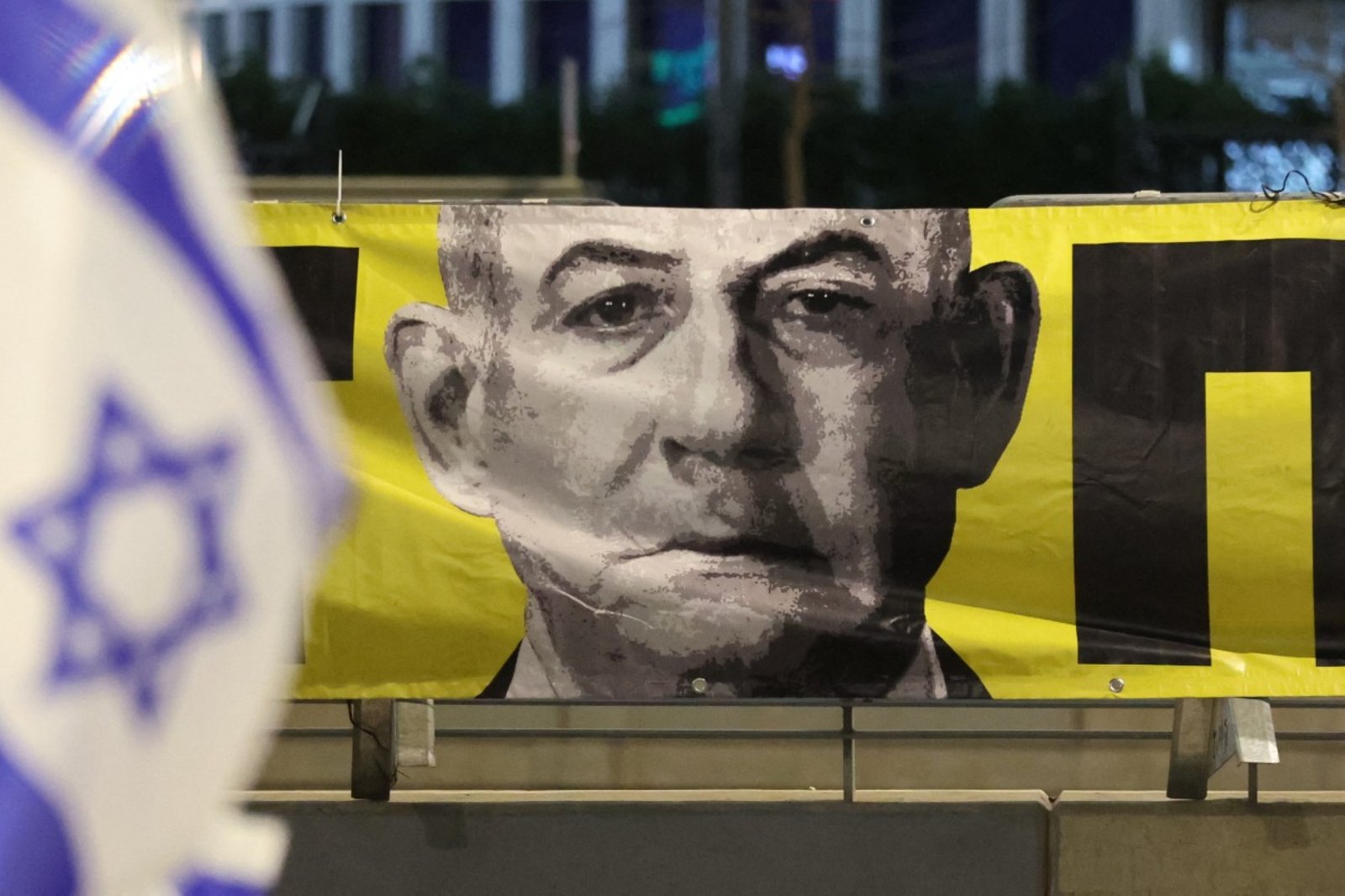
To be sure, October 7 disrupted this narrative. Since then, Netanyahu has avoided taking responsibility for the failure of 2023. Instead, he insists that Israel has not only recovered, but it has favourably reshaped its security environment.
A frightening attack on an Israel-bound flight and talk of a possible “Israeli 9/11” could reinforce the primacy of security in the campaign. At the same time, it will not erase the fact that the passengers’ and crew’s quick reaction saved the plane. Regardless of any warning that may or may not have been on Netanyahu’s desk, the state did not save the day.
Whose rescue story?
The most compelling accounts emerging in Israel centre on the people aboard the aircraft. Hayon described wrestling with the attacker. A dentist, Shota Musaev, reportedly helped restrain him and treated the wounded captain. The injured Indian pilot, Sumit Machhar, also received public praise from Netanyahu for his courage.
These accounts offer a story of agency after terror: passengers facing an almost unimaginable situation and finding a way out of certain death. That helps explain why coverage has focused so heavily on individual courage, rather than its politics.
But it would be premature to turn the episode into a clean narrative of civilians succeeding where the state failed. The emergency unfolded aboard a foreign-operated aircraft, outside Israel. Flydubai credits its crew with securing the aircraft and landing it safely. Passenger testimony adds important detail, but investigators still need to establish the precise sequence.
Flydubai Flight Rescue Defies Simple Politics
The distinction also complicates the political reading. Netanyahu can associate himself with the rescue by greeting survivors and honouring those who acted. His opponents can celebrate the same people without endorsing his broader security argument.
It is too early to tell how Israeli voters will perceive the incident. The visible response contains several strands: pride in the passengers, gratitude toward the captain, fear about aviation security, and an immediate partisan dispute. Any claim that the episode has shifted voting intentions would be premature.
For their part, Israeli officials have reacted differently to the incident. Transportation Minister Miri Regev sought an immediate suspension of Flydubai flights. Other Israeli officials emphasised trust in the Emiratis, while former ambassador to the UAE Amir Hayek urged restraint and space for an investigation.
For now, in Israel, the likely effect is to sharpen existing arguments rather than settle them. Netanyahu has another dramatic example of Israeli vulnerability, and the need for a strong security-oriented leader. His opponents have another reason to challenge both his argument and his record.