
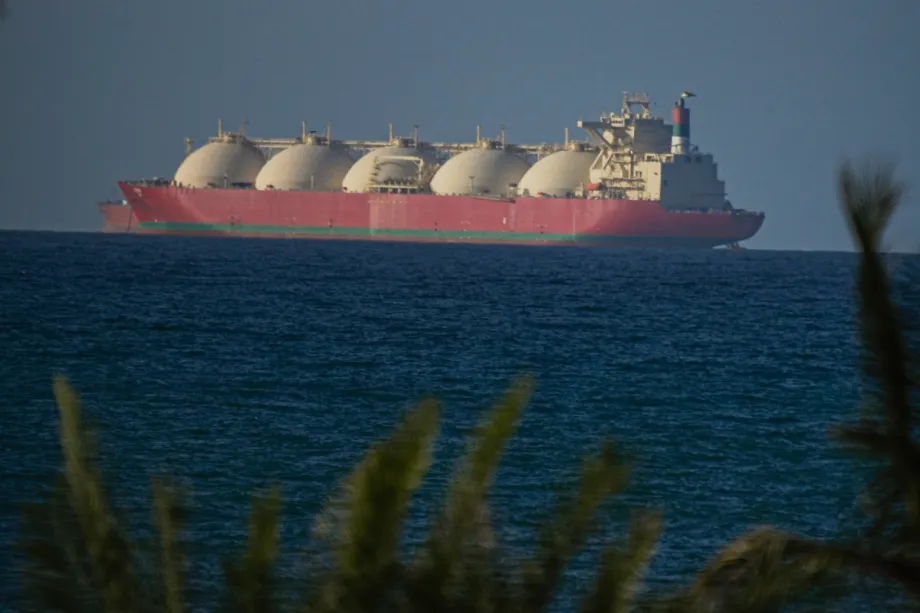
Unlike oil locked to chokepoints, LNG’s cargo flexibility allows rapid re-routing during conflict. Europe’s post-Ukraine and Iran-war pivots have intensified global competition. The US uses LNG exports as alliance tools. LNG is now an instrument of political leverage, not just a commodity. Infrastructure limits prevent full displacement.
Amid escalating tensions in the Middle East, a fundamental question is taking shape: is liquefied natural gas (LNG) redefining the geopolitics of energy—and even beginning to rival oil as the central pillar of global energy power?
For decades, oil has been the backbone of geopolitical competition, conflict, and alliance-building in the region. Yet recent developments—from regional wars to the reconfiguration of global supply chains—suggest that LNG is rapidly emerging as a decisive variable in the balance of power.
From oil chokepoints to gas flexibility
One of the most significant structural differences between oil and LNG lies in geographical flexibility.
In times of conflict, this flexibility becomes a strategic advantage. Disruptions to traditional oil transit routes can trigger immediate global shocks, whereas LNG markets—though not immune—demonstrate a greater capacity for short-term adjustment.
War reshaping demand: Europe’s pivot and Asia’s anxiety
Conflict in the Middle East, coupled with the lingering effects of the Ukraine war, has accelerated Europe’s shift away from pipeline gas toward LNG. This transition has intensified global competition for cargoes.
At the same time, Asian economies—particularly emerging markets—face growing uncertainty over access and affordability. The result is a more contested LNG landscape, where Europe’s security-driven demand collides with Asia’s development-driven needs.
Qatar, the US, and the new gas order
Meanwhile, the United States is using LNG exports to reinforce alliances—particularly with Europe—transforming energy flows into instruments of foreign policy.
Energy weaponisation: gas joins the arsenal
While the weaponisation of energy has historically been associated with oil, LNG is now entering this domain. The ability to redirect cargoes, adjust supply commitments, and operate within flexible market structures enables states to use gas as a form of political leverage.In a conflict-driven environment, gas is no longer merely an economic commodity—it is an instrument of strategic influence.
Limits of LNG dominance
Despite these shifts, LNG is unlikely to fully displace oil in the foreseeable future. Oil continues to underpin global transportation systems and remains deeply embedded in industrial value chains.
Moreover, LNG infrastructure—from liquefaction plants to specialised shipping fleets—requires massive capital investment and long development timelines. The market also remains fragmented, with regional pricing disparities and exposure to volatility.
A dual energy order in the making
What is emerging is not a replacement of oil by gas, but the formation of a dual energy order—one in which both resources play distinct yet complementary roles.
In this framework, oil continues to act as a trigger for global shocks, while LNG functions as a mechanism for managing disruption and redistributing influence.
Conclusion: a silent shift with strategic consequences
Yet in a world where instability is becoming structural, the key question is no longer which energy source will dominate, but which will prove more effective in shaping power during times of crisis.