
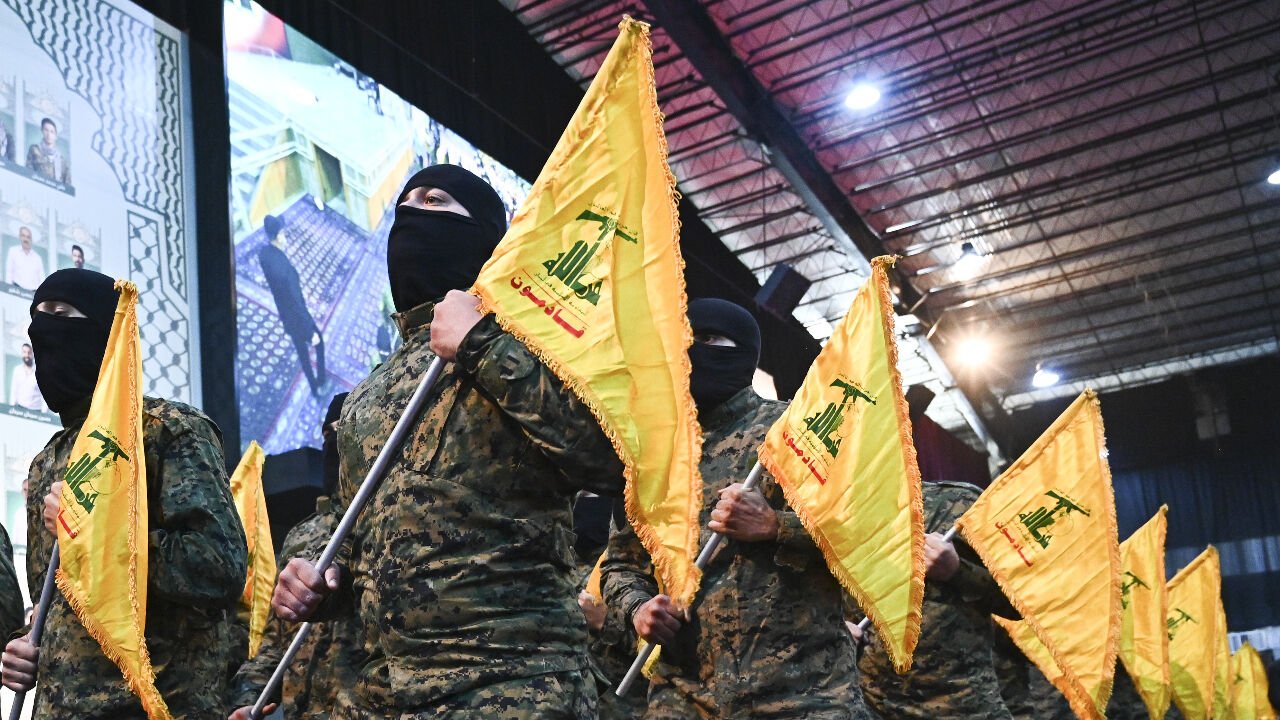
Hezbollah outsources social costs to WaTaawanou charities and political cover to Nabih Berri’s AMAL, allowing the group to survive disarmament pressure despite battlefield losses, constrained finances, and Israeli occupation in southern Lebanon.
Two years after Israel killed Hassan Nasrallah, Hezbollah Survival depends less on its armed wing than on a network of charities and political intermediaries that absorb costs and deflect pressure. The organization faces thousands of battlefield losses, an Israeli occupation of southern Lebanon, and constrained finances after the fall of Assad. Yet it endures because WaTaawanou and similar groups raise money through crowdfunding and sanctioned quasi-banks, providing food, housing, and schooling that Hezbollah would otherwise fund. Parliament Speaker Nabih Berri and his AMAL Movement carry Hezbollah’s red lines into cabinet sessions and international negotiations, using constitutional legitimacy to block disarmament.
This outsourcing of social and political burdens shields the group from direct accountability while preserving its constituency’s loyalty. Polls show 87.5 percent of Shiites oppose disarmament, giving Beirut little room to act coercively. Washington has responded by threatening to designate WaTaawanou under Executive Order 13224 and by sanctioning AMAL personnel. Hezbollah Survival therefore rests on a deliberate division of labor: fighters defend, charities provide, and politicians negotiate. The arrangement is fragile but functional, allowing the group to regenerate without formally owning the costs of its wars. Any effective pressure campaign must target these buffers, not just the battlefield.
Hezbollah Survival Rests on Outsiders
Two years after Israel assassinated Hassan Nasrallah, Hezbollah finds itself commemorating its dead leader from a weaker position.
Israel has killed thousands of Hezbollah fighters and occupies part of southern Lebanon. The terror organization’s finances are also constrained: though Iran sent Hezbollah more than $1 billion in 2025, the overthrow of the Assad regime in Syria constricted its transfer routes. It also risks increasing domestic opposition should it forcefully counter Lebanon’s verbal commitment to disarming the group.
Amid these constraints, Hezbollah’s survival and regeneration increasingly rest on assets outside its formal hierarchy: social organizations absorb the costs its wars impose on Shiites, while Parliament Speaker Nabih Berri and his AMAL Movement use their ostensible moderation to protect the “resistance” in Lebanese institutions and international fora.
Outsourcing the Social Burden
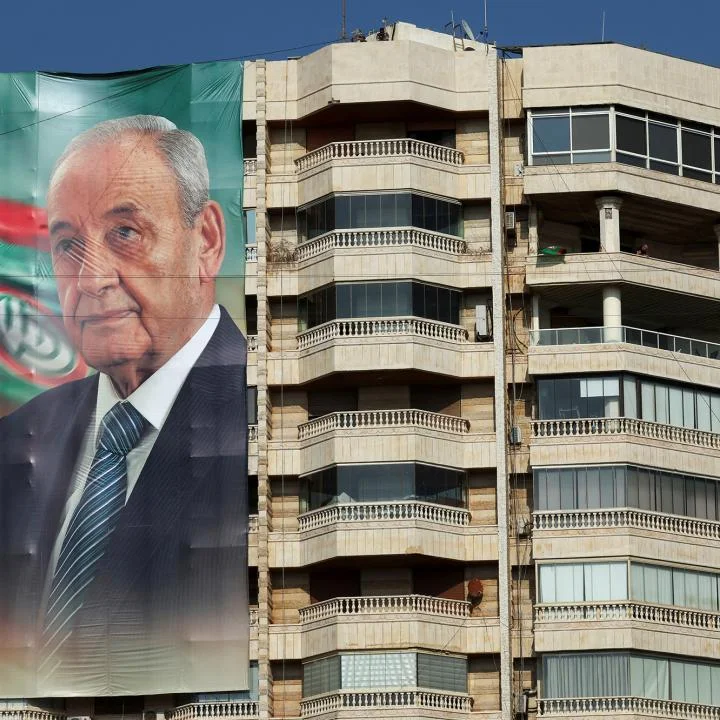
WaTaawanou President Afif Shouman said he and colleagues created WaTaawanou, a charitable organization that fundraises through crowdfunding, after Nasrallah urged supporters to help Hezbollah “shoulder the burden” because it could no longer meet its constituency’s needs.
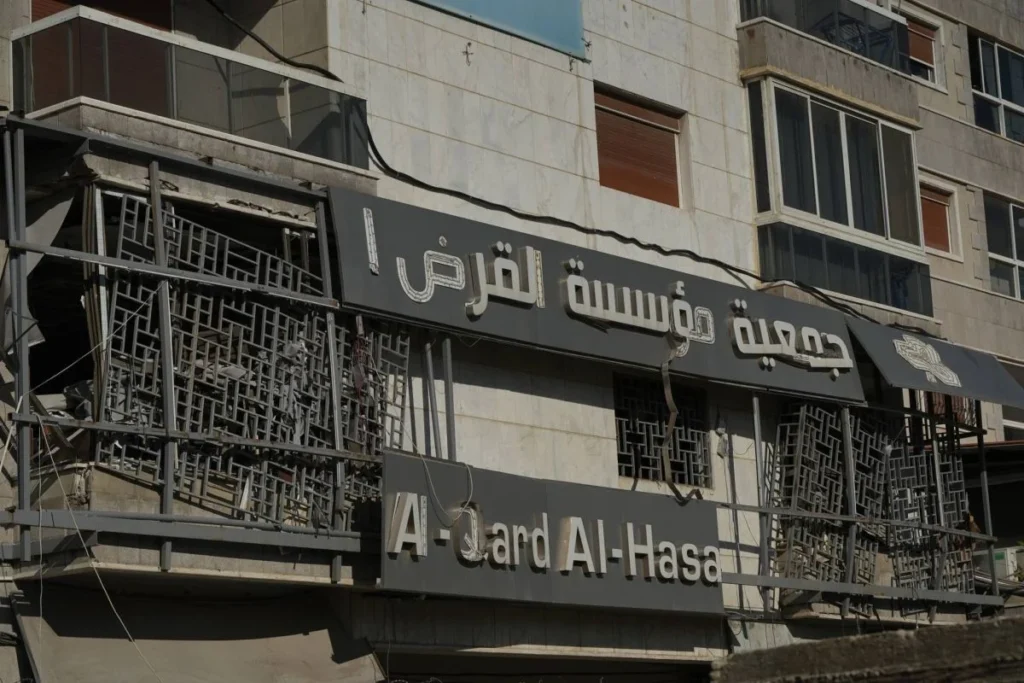
WaTaawanou is neither formally part of Hezbollah nor under U.S. sanctions. It raises money from Lebanese donors, expatriates, and foreign donors through Whish Money, OMT/Western Union, MoneyGram, and its account at Hezbollah’s sanctioned quasi-bank, Al-Qard al-Hassan.
Those donations pay expenses Hezbollah would otherwise have to cover. After the 2024 war, WaTaawanou provided food, medicine, housing, agricultural aid, and school rehabilitation. In south Lebanon’s Ramyeh, its Al-Wajh al-Hassan project installed prefabricated housing, planned repairs to 20 classrooms, and aid for roughly 200 farmers.
Though Hezbollah is not fronting those costs, WaTaawanou’s branding — and the credit —points back to Hezbollah. Shouman said the association belongs to the “Resistance environment,” crediting its development to Nasrallah’s “direct and foundational guidance.” He added that the organization’s efforts follow Nasrallah’s injunction that no one go hungry, no patient lack hospital care, and no student lack a school. Al-Wajh al-Hassan is named for Nasrallah, whose face brands the project. Hezbollah flags and symbols adorn WaTaawanou’s premises and events.
Shouman described the division of labor as Hezbollah’s fighters defending the community while WaTaawanou supports the population behind them. That constituency constrains the Lebanese government: 87.5 percent of Shiites opposed Hezbollah’s disarmament in a May 2026 Information International poll. As a result of this support, the government has ruled out coercively disarming Hezbollah to avoid domestic strife or civil war.
Berri Shields the Resistance
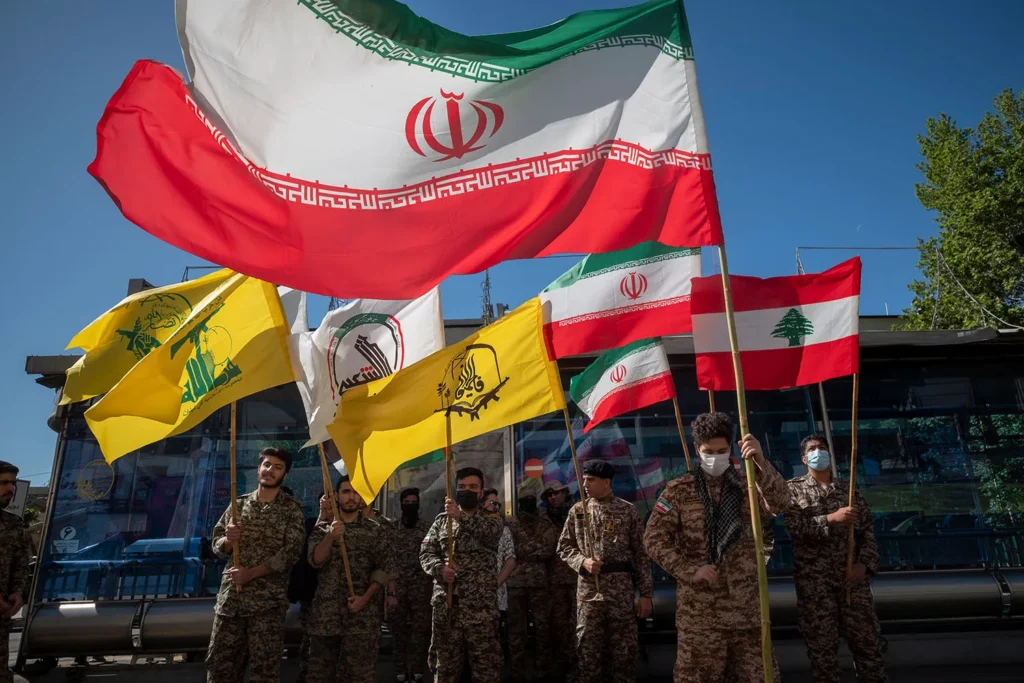
Hezbollah similarly outsourced political representation to Berri during the 2024 ceasefire negotiations. As parliament speaker and leader of AMAL, Lebanon’s other major Shiite party, Berri could carry Hezbollah’s red lines into domestic and foreign negotiations as a constitutional actor. Hezbollah assigned Berri to negotiate the U.S. proposal that became the November 27 ceasefire, while Secretary-General Naim Qassem declared “full confidence” in Berri’s efforts and called him Hezbollah’s “elder brother.”
In May 2025, Hezbollah parliamentary bloc leader Mohammad Raad praised Berri’s “resistant positions” and commitment to the “option of resistance and liberation.” Ahead of the August 5 cabinet session on nationwide disarmament of non-state actors, Berri — echoing Hezbollah — pushed a national-defense formula omitting a commitment to Hezbollah disarmament. He has since called the resistance’s weapons “our pride and honor” and said their fate required “calm, consensual dialogue,” not threats. In April 2026, Berri warned Israeli troops in Lebanon would face “resistance.” After the U.S.-brokered June 26 Israel-Lebanon Framework agreement tied Israeli withdrawal to Hezbollah’s disarmament, he dismissed it as “dictates” and said it “won’t be implemented.”
Can Hezbollah Survival Be Sustained
Treasury could designate WaTaawanou under Executive Order 13224 for materially assisting or providing goods and services in support of Hezbollah, based on its coordination with Hezbollah institutions and use of Hezbollah financial infrastructure. A designation would restrict the financial access that makes WaTaawanou useful as an external social-support mechanism. Washington can also pressure Berri and AMAL to stop obstructing Hezbollah’s disarmament by gradually continuing to sanction AMAL personnel or structures — like its military arm, the Lebanese Resistance Detachments — that materially assist Hezbollah.