
Ratcliffe’s brief Moscow visit signals U.S. alarm over Russia sharing intelligence with Iran. Multiple reported missions remain unconfirmed, while domestic political calculations and European security concerns likely shaped the trip’s timing and exposure.
The Ratcliffe Moscow trip last week was an unannounced eight-hour visit by Central Intelligence Agency Director John Ratcliffe to the Russian capital—his first known trip there in that role—and it immediately triggered speculation across Washington, not because communication channels are scarce, but because face-to-face intelligence diplomacy at this level carries symbolic weight that secure calls or encrypted messages cannot replicate.
Ratcliffe’s physical presence in Moscow introduced a critical inflection point in the already deteriorated U.S.-Russia relationship. The most consequential reported purpose of the mission, and the one that gives the visit its sharpest strategic edge, centers on Iran intelligence sharing. Moscow’s deepening intelligence and technology-sharing relationship with Tehran now directly threatens U.S. forces in the Persian Gulf, and the White House appears to have calculated that only a direct, high-level warning could signal the seriousness of American concerns.
Yet the Ratcliffe Moscow trip remains shrouded in ambiguity. President Donald Trump called it “semi-routine,” a phrase that raised more questions than it answered. Why was the visit concealed from many senior White House officials? Why did Ratcliffe stop in Latvia, a NATO frontline state bordering Russia, before landing in Moscow? And why did the Kremlin agree to receive him at all? The convergence of these questions suggests that the Ratcliffe Moscow trip may be only one thread in a broader, multi-layered diplomatic maneuver—one shaped by deteriorating European security, domestic U.S. political pressure, and an uncertain path toward any negotiated settlement over Ukraine.
Ratcliffe Moscow Trip Raises Questions
Does the recent visit by the director of the Central Intelligence Agency to Russia signal rising U.S.-Russia tensions?
Many people in Washington have been asking that question after John Ratcliffe flew to Moscow last week. The CIA director met with his Russian counterparts and then departed, having been on the ground in Moscow for just eight hours.
Once the news of Ratcliffe’s trip broke, President Donald Trump said the visit had been “semi-routine.” The president did not explain what he meant by “semi,” why news of the trip was kept from many White House officials, nor why the meeting was held in person when the U.S. government has many ways to communicate with the Kremlin that do not require a senior official to spend twenty-four hours on a plane. A CIA director has traveled to Moscow before. Almost five years ago, Bill Burns went to Moscow to inform the Kremlin that the United States knew of its plan to attack Ukraine. Burns’s effort to deter the invasion failed.
A Secretive Eight-Hour Visit
The memory of Burns’s November 2021 trip explains the consternation over Ratcliffe’s visit. Tensions between the United States and Russia are running high. Russian President Vladimir Putin has rebuffed U.S. efforts to end the war in Ukraine. The United States continues to share critical intelligence that is enabling Ukraine to hit targets inside Russia.
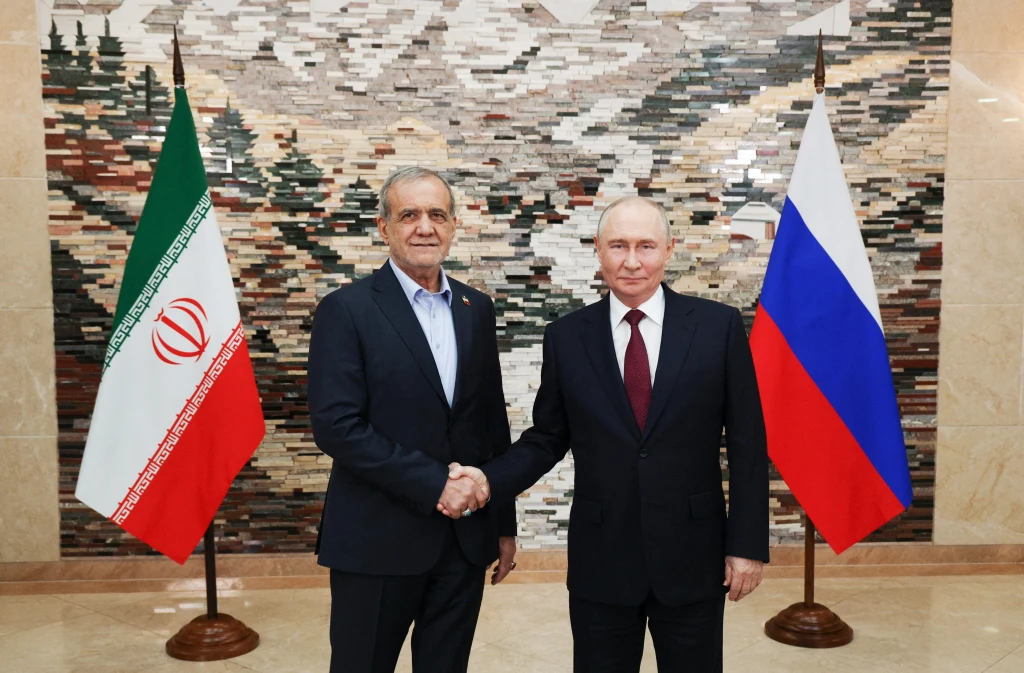
Meanwhile, Russia is sharing intelligence and technology with Iran that it has used to target U.S. military forces in the Persian Gulf. Just yesterday Putin met with Iranian President Masoud Pezeshkian on the sidelines of the Shanghai Cooperation Organization summit in Bishkek, Kyrgyzstan, and reiterated Moscow’s support for Tehran.
Tensions between Russia and the West more broadly are running even higher.
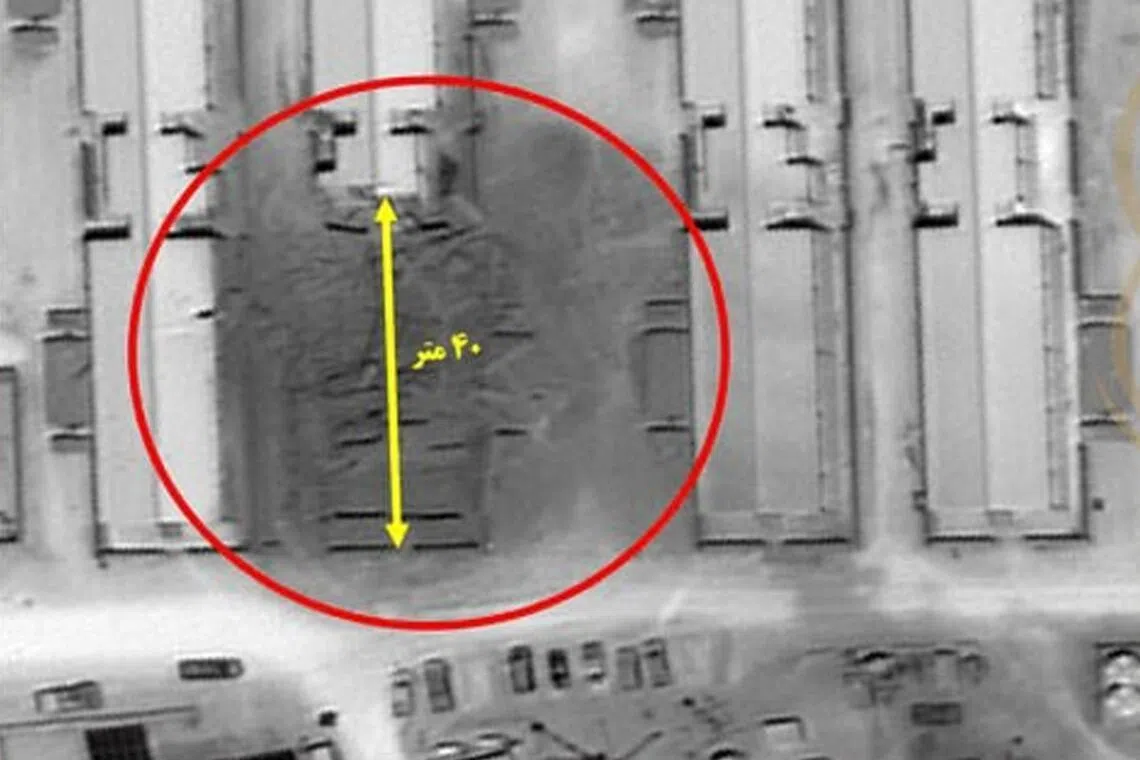
The United Kingdom’s decision last month to provide Kyiv with cruise missile technology prompted the Russian foreign ministry to threaten to strike British targets in retaliation. Russia is suspected of sabotaging weapons factories in Bulgaria, Estonia, and the Netherlands, while Germany has accused it of attempting to attack the Leipzig/Halle Airport with three armed drones.
Echoes of Bill Burns
These events are fueling speculation that Putin could soon seek to test NATO’s cohesion, and its Article 5 pledge, because he sees the West as using Ukraine to wage a proxy war against Russia. Ratcliffe’s stop in Latvia, which shares a border with Russia, on his way to Moscow added to concerns that his trip sought to stop new Russian aggression.
Escalating Tensions Across Europe
To better understand the significance of Ratcliffe’s trip, I sat down with my Council on Foreign Relations colleague Steve Sestanovich for the latest episode of the CFR podcast, The President’s Inbox. Besides being the author of the terrific book Maximalist: America in the World from Truman to Obama, he served for four years during the Clinton administration as U.S. ambassador-at-large for the former Soviet Union. Explanations abound for why Ratcliffe went to Moscow.
The White House has not revealed the purpose of the CIA director’s trip. The New York Times reported that he went to press the case that Russia was losing its war with Ukraine and should cut a deal before things get worse. NBC News reported that his mission was to warn Russia against sharing intelligence with Iran.
The Washington Post reported that he sought to tell his Russian counterparts that the U.S. military remained potent despite the Iran war. Politico reported that he warned the Kremlin not to attack the Baltic states. Axios reported that he proposed having Trump, Putin, and Ukrainian President Volodymyr Zelenskyy meet to settle Russia’s war with Ukraine. Ratcliffe likely conveyed some, if not all, of these messages. But no one outside the two capitals knows the priority he gave to them or whether they cover all of what he said.
NATO’s Article 5 Under Pressure
Ratcliffe’s trip might have been more about U.S. domestic politics and managing allied relations than delivering stern messages to the Kremlin. Steve argued that Trump wants to be seen as getting tough on Putin. The Senate has overwhelmingly passed a bill that would significantly increase sanctions on Russia, but Trump is at best lukewarm on the legislation as it awaits House action. Meanwhile, European countries, and especially the Baltic states, fear that Putin could soon test Article 5.
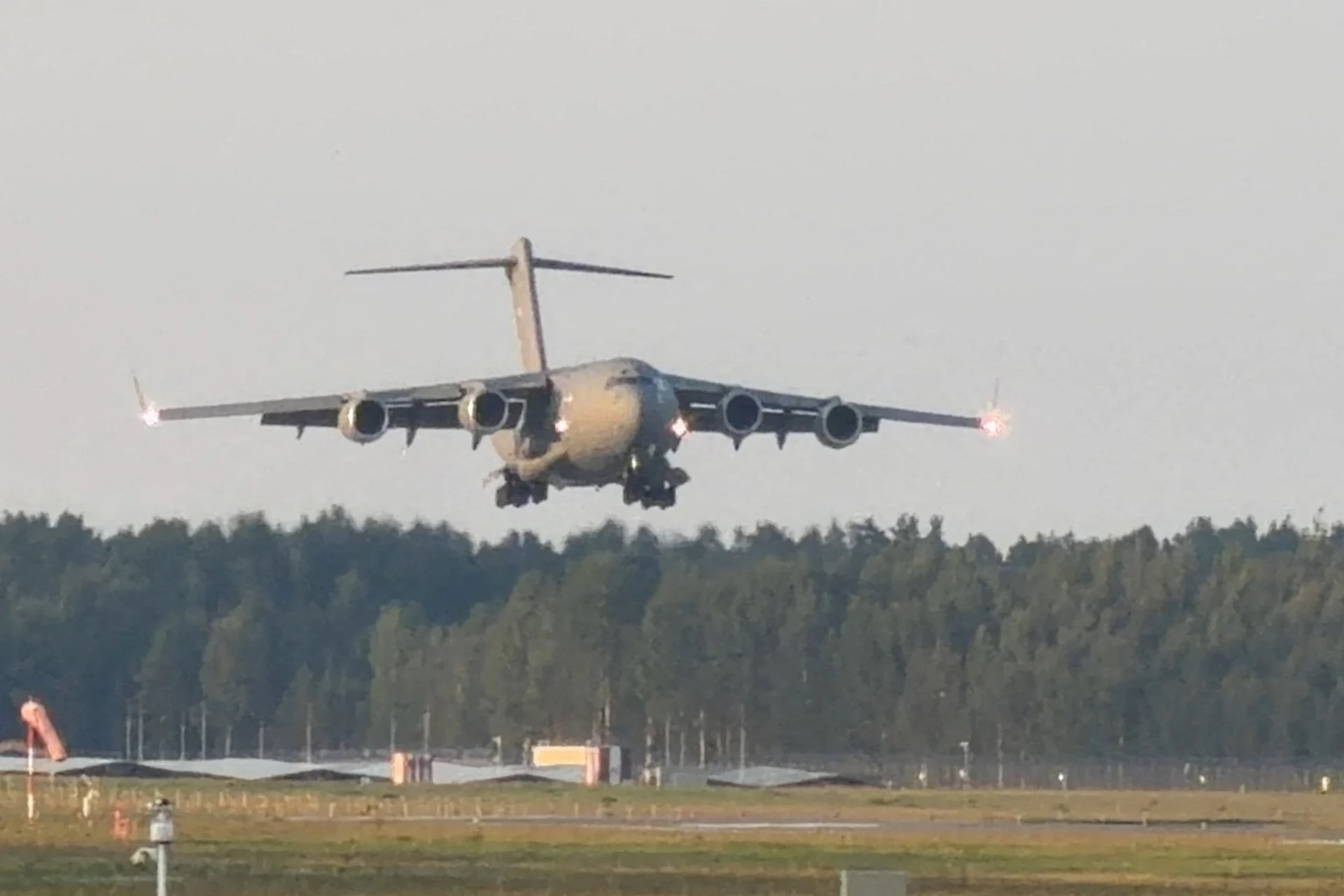
Sending Ratcliffe to Moscow is one way to derail the sanctions bill and calm European nerves. The White House had to know that Ratcliffe’s secret trip would become public even before his C-17A Globemaster III touched down in Russia and inevitably spark talk of what messages were being delivered. Likewise, the White House likely believed that European capitals would read Ratcliffe’s stop in Latvia, where he met with Prime Minister Andris Kulbergs, as U.S. support for the frontline European states.
A CFR Expert Weighs In
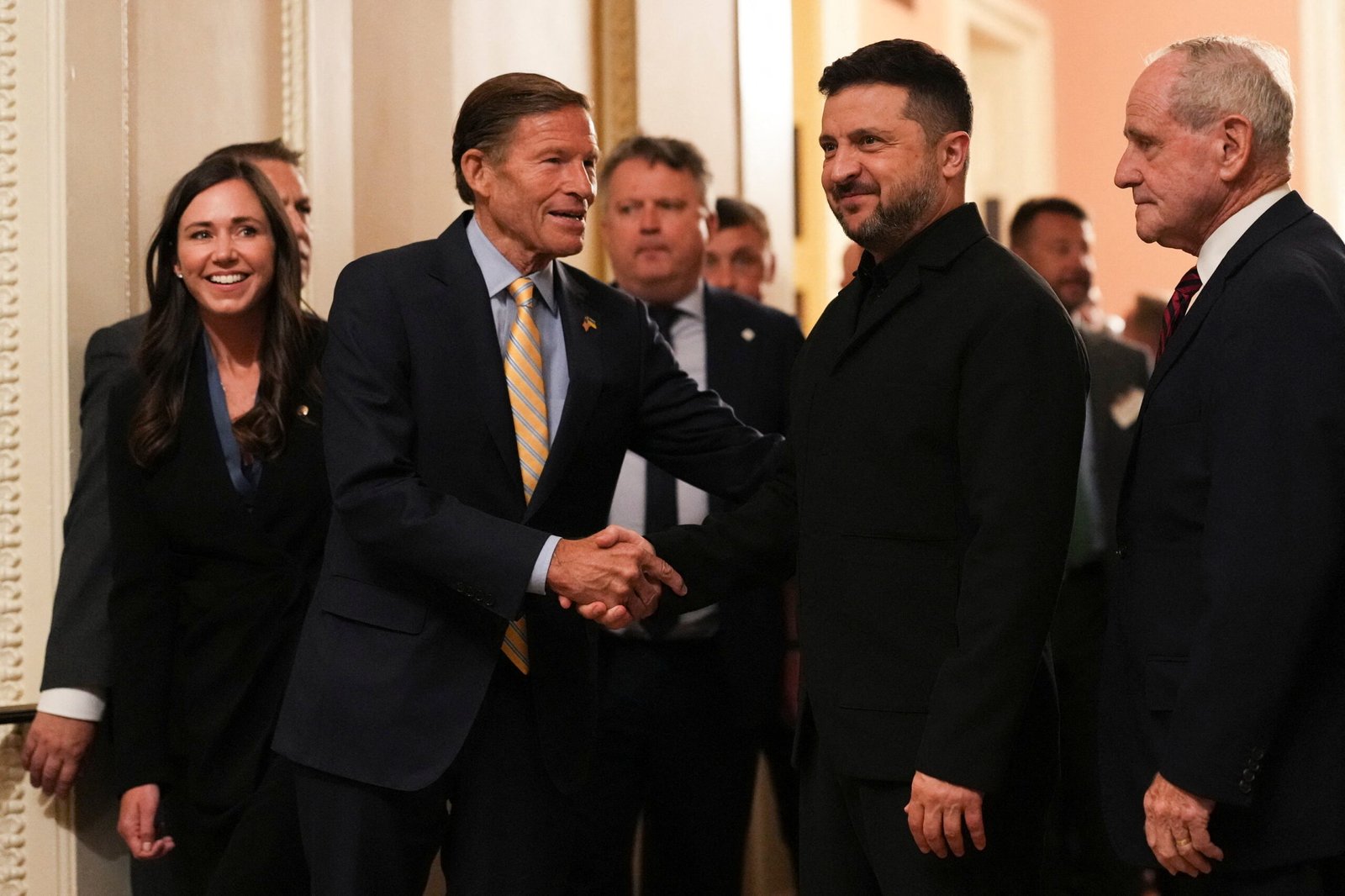
September could be a pivotal month. Steve noted that Ratcliffe’s trip prompted an enigmatic comment by Zelenskyy: “September may change a lot.” The Ukrainian president did not specify what he had in mind. Steve observed that this comment “suggests something that he’s thinking about in the near term, that either is a worry or an opportunity.” Zelenskyy could have been signaling fear of intensifying Russian attacks on Ukraine, or hinting at escalating Ukrainian counterattacks, or foreshadowing a breakthrough on the diplomatic front.
What Ratcliffe Moscow Trip Really Achieved
Steve and I also discussed why Ratcliffe did not meet with Putin, why Ratcliffe rather than Jared Kushner and Steve Witkoff went in the first place, and why Ratcliffe’s Russian counterparts are unlikely to push Putin to seek a diplomatic settlement with Ukraine. I encourage you to give the episode a listen.