
A high-level strategic evaluation of hydropolitical vulnerabilities in the Middle East, detailing how conflict, desalination dependence, climate pressures, and domestic mismanagement transform water scarcity into a primary threat to regional stability.
The architectural matrix of contemporary Middle Eastern instability is increasingly defined not by carbon liquidity, but by hydro-vulnerability.
As geopolitical friction escalates across the Persian Gulf, the structural integrity of localized infrastructure faces unprecedented exposure, proving that water not oil has eclipsed traditional resource paradigms to become the definitive risk vector for regional state survival.
While global markets fixate on volatile energy tickers, the weaponization and degradation of critical supply networks serve as a compounding force multiplier for civil unrest, institutional collapse, and cross-border hostility. This crisis mandates an immediate pivot from tactical defense to an integrated framework of hydropolitical stabilization, as the reality that water not oil represents the ultimate constraint on governance will inevitably shape the region’s future long after current kinetic hostilities dissipate.
Water Not Oil Risks Exposed by War
For most of the world, the biggest impact of the ongoing conflict in the Persian Gulf region has been increased energy prices. For the Middle East itself, however, the most enduring impact may involve worsening the region’s long-standing water crisis.
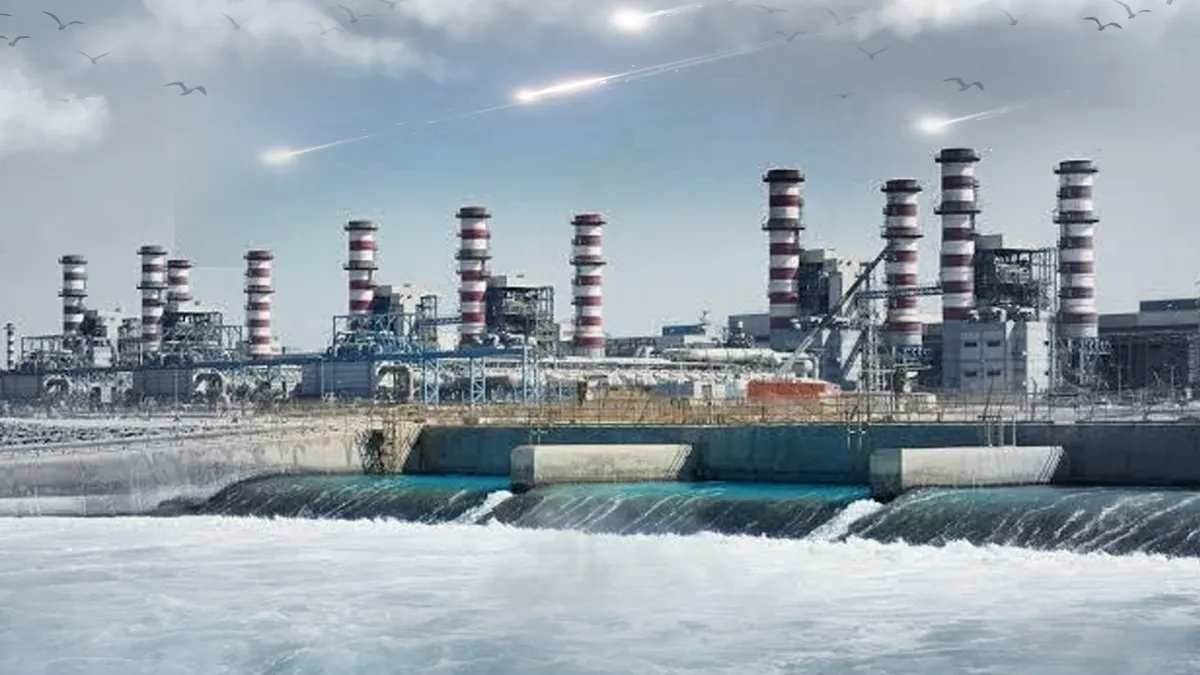
The current conflict has highlighted vulnerabilities in the region’s water infrastructure at a time when climate change, groundwater depletion, and unsustainable management practices are worsening water insecurity. Desalination dependency The Middle East’s water woes were thrown into sharp relief in the early stages of the current conflict, when a suspected Iranian drone damaged a desalination plant in Bahrain, which supplies the island nation with over 90% of its drinking water. The strike followed what Iran claimed was a U.S. or Israeli attack on one of its own desalination plants, and was echoed in President Donald Trump’s threat to bomb each of Iran’s approximately 75 desalination facilities.
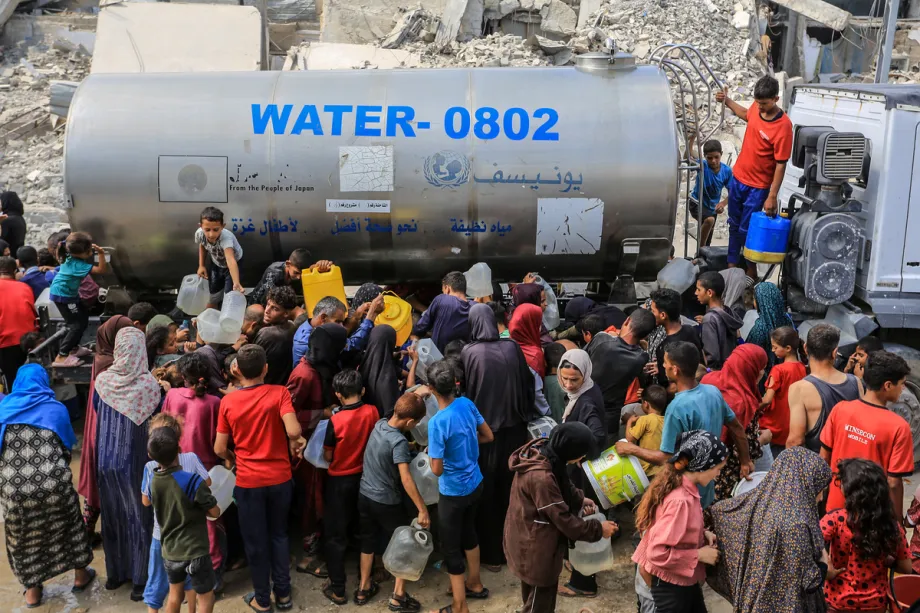
These threats, though so far hollow, reflect a real vulnerability: the Persian Gulf is the most desalination-dependent region in the world. Given that many Gulf countries and cities have only one or two utility-scale desalination plants, taking one offline, even temporarily, could effectively cut off access to drinking water for an extended duration.
The vulnerability of Gulf desalination facilities is, moreover, not limited to missile and drone strikes: the U.S. government recently highlighted growing risks to water infrastructure from Iran-linked cyberattacks. Even in the absence of attacks, the conflict will harm the region’s water sector: desalination is an extremely energy-hungry process to which there is little realistic alternative for most Gulf countries, meaning that the countries that depend on them will have to absorb sharply increased energy costs to produce drinking water.
Navigating Global Water Not Oil Challenges
Yet the vulnerability of Persian Gulf water infrastructure to attack is only part of the problem. Even in times of peace, virtually the entire Middle East region is imperiled by growing water scarcity and variability. Already one of the driest areas of the world, climate change is increasing average temperatures and making rainfall and inflows into the region’s major rivers more unpredictable. Governments’ unsustainable water management policies, such as encouraging high rates of groundwater use to expand irrigated farmland, further compound the challenge.
The region’s water supply crunch is so severe that the World Bank estimates that water scarcity intensified by climate change will cost the Middle East 6%-14% of its GDP by 2050. Though some countries have attempted to address these issues by encouraging more sustainable water use through raising water prices and adopting more stringent regulations, the damage has largely been done: once depleted, underground aquifers recharge very slowly, given the region’s sparse rainfall. Measures to reduce water use through raising water prices often face sharp political opposition. Moreover, large parts of the Middle East, including Yemen, Lebanon, and Syria, lack the functioning institutions or financial resources to tackle their water supply crisis.
Domestic Disruptions Threaten Water Not Oil Security
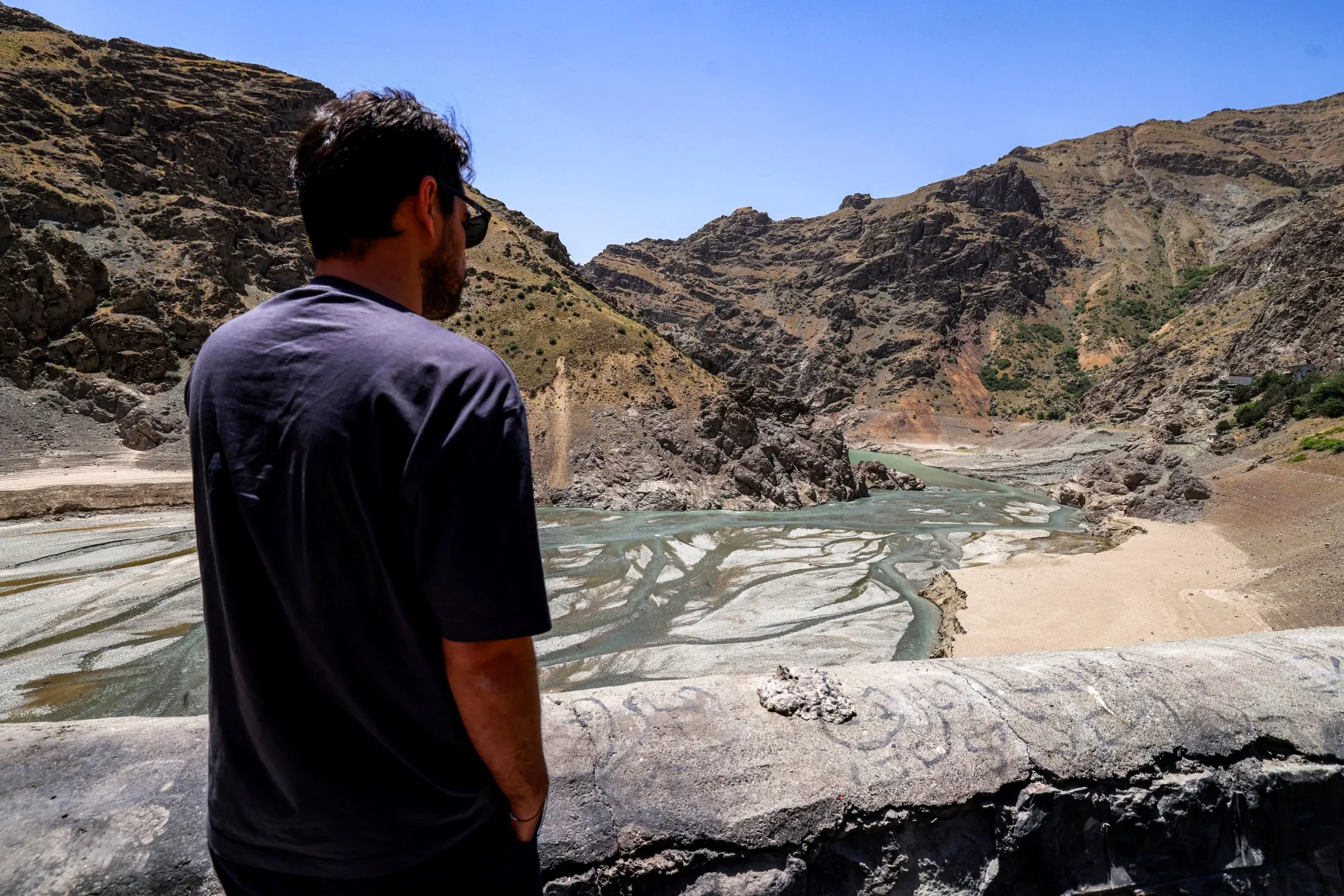
Water scarcity and vulnerability present a special challenge for Iran. Even before the current conflict began, Iran’s major cities were facing the prospect of severe disruption to piped water supplies, with reservoirs running close to empty. The drought is so severe that Iran’s president said last year the country may have to move its capital away from Tehran to a more water-secure area. Apart from climate change, which produces increasingly severe droughts, affecting the region as a whole, the sources of Iran’s water crisis are deeply rooted in unsustainable water management practices.
These challenges include the over-construction of dams, which have disrupted the flow of surface water, and groundwater mining, which takes water out of subsurface aquifers far more quickly than it can be replenished. These practices were adopted in part to enable Iran to maintain self-sufficiency in food production in the face of sanctions imposed by the United States and other countries. Now, though, these practices are compounding the misery of Iran’s rural communities—and likely playing a part in stoking discontent with the regime.
Water Not Oil Drives Postwar Collaboration
The severity of the water crisis afflicting both Iran and its neighbors also presents an opportunity to rebuild a more sustainable future for the Middle East once the current conflict ends. The fact that so many Middle Eastern countries face similar water-related challenges, including groundwater mining, high dependence on vulnerable desalination plants, and increasingly variable precipitation, makes sustainable water management an urgent, if difficult, focus for regional cooperation.
This is not an entirely new idea. The Gulf Cooperation Council, one of the region’s principal international bodies, has spotlighted cooperation on water in the past. But regional organizations could do much more, such as jointly funding research on lower-cost, less-energy-intensive desalination technologies, genetically modified crops that are more resistant to water scarcity, and reinvigorating efforts to conclude international agreements on shared waterways and aquifers. The highest priority should be to conclude new agreements to manage groundwater withdrawals from transboundary aquifers, such as the Neogene Aquifer System shared between Saudi Arabia, Iraq, and Kuwait, and which are often over-exploited.
Global Actors Shaping the Water Not Oil Future
Countries outside the region, including the United States, can also play a role in making water a focus for post-conflict reconstruction and peacebuilding. The United States, for example, could resurrect previous efforts to focus its development assistance on water security, as captured in the currently moribund U.S. Global Water Strategy. It is worth noting that China, too, has much to offer efforts to bolster water security and is an increasingly important economic and trading partner across the Middle East. Domestically, Beijing has embarked upon ambitious water policy reforms and investments in water-saving agriculture that present important lessons for other developing countries.
Of course, the United States and other countries may not be eager to see China play a greater role in the Middle East in general and its water sector in particular. But at the same time, it is hard to see the Middle East meeting its water-related challenges on its own. Without concerted action, either by countries in the region or beyond, water will continue to present major risks to peace and prosperity in the Middle East long after the current conflict ends. Indeed, the challenge of achieving water as well as energy security will do much to shape the region’s future.