
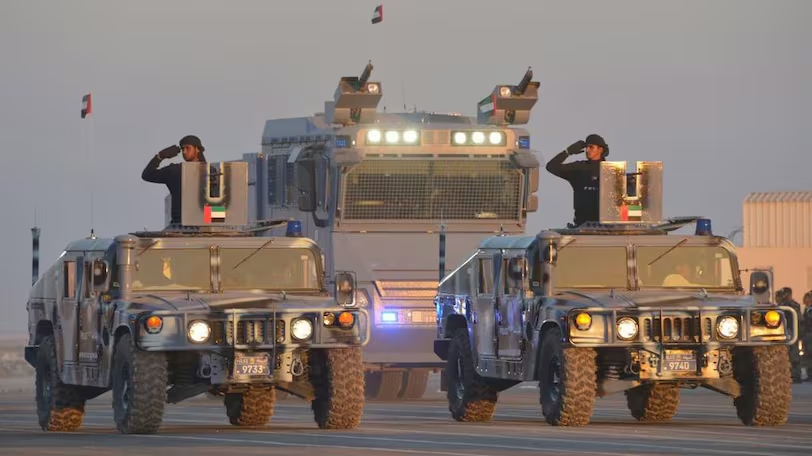
GCC defense lacks command authority
The Gulf states find themselves at the centre of a regional war that is not of their making. A confrontation that began with US and Israeli strikes on Iran has spread into a web of proxy conflicts, reaching from the Strait of Hormuz to the Red Sea and Bab Al Mandeb, through Iraq and Yemen. The members of the GCC now face a question they can no longer put off: will they turn their commitment to collective security from communiques into a working military deterrent?
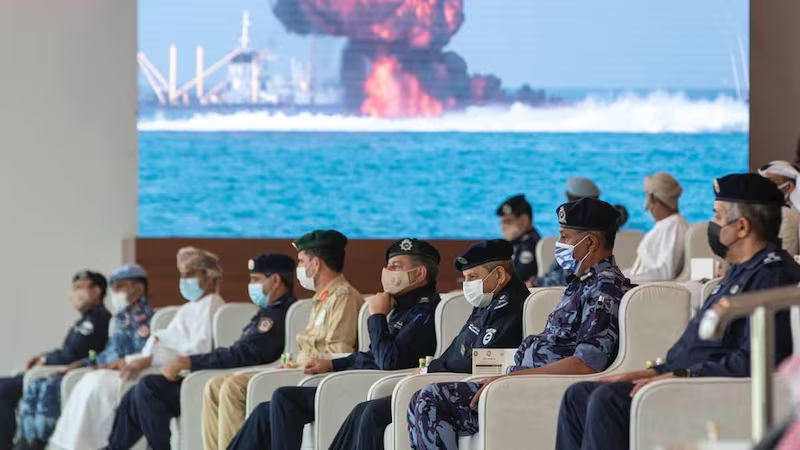
Weapons without integration invite coercion
Over several decades, Gulf states have invested heavily in advanced military capabilities, but progress towards operational integration has not kept pace. They have weapons and institutions. What is missing is an integrated collective response. Despite existing GCC defence co-operation mechanisms, each state continues to rely on its own national defence arrangements, while regional threats increasingly operate through cross-border armed networks.
As a result, states with some of the most sophisticated arsenals in the world can be threatened by armed groups using drones and missiles that cost a fraction of the interceptors fired at them.
For decades, Iran has cultivated armed partners in Lebanon, Iraq and Yemen. These networks extend its reach and give it leverage well beyond its borders. Tehran’s control over each group varies, and Iran does not order every attack directly. The strategic effect is the same either way: a set of fronts from which neighbouring states can be threatened and drained.
This model can become more dangerous as pressure on Tehran grows, particularly if Iran’s armed partners join the conflict. Armed non-state actors are now built into the region’s calculations of deterrence, coercion and bargaining.
Iran’s proxies impose costs through deniability
民用机场、海港、能源设施和关键基础设施也成为武装团体的袭击目标。近期胡塞武装对沙特阿拉伯的升级,以及此前针对阿联酋、科威特、巴林和卡塔尔重要设施的袭击和威胁,标志着一场危险的转变,尽管每起事件背后的行为体和情境各不相同。
伊朗的目标不再仅仅是以攻相报。而是将战争带入民用和经济生活,将公共安全、市场稳定、贸易和航运变为勒索工具。海湾城市有可能成为解决地区恩怨的公开战场,民众和经济被视为合法目标,而这些团体既不对任何国家负责,也不尊重主权或武装冲突法。
这给海湾带来了令人不安的讽刺。选择通过外交并置身战争之外的国家,仍可能为战争付出代价。中立并不换取豁免,单靠克制无法遏制那些将升级视为最佳讨价还价工具的行为体。
Why does neutrality fail to protect
GCC does not need to invent collective defence, as the framework for it already exists. The Joint Defence Agreement declares that an attack on one member is an attack on all. The council has created the Peninsula Shield Force and a Unified Military Command, along with a range of security co-operation mechanisms.
The challenge now is ensuring that these structures can respond effectively to current security threats. Can they counter missile and drone salvos, cyberattacks and simultaneous strikes on critical infrastructure? If several Gulf capitals came under attack on the same day, could a joint operational mechanism respond in hours rather than weeks?
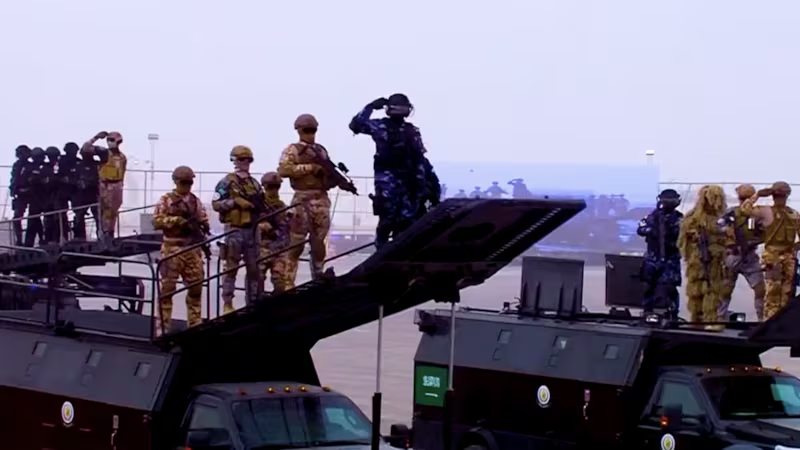
Framework exists but decision does not
For the GCC, the effectiveness of collective defence depends on whether its military co-operation can credibly deter potential attacks. Armed groups are not deterred by statements of condemnation or by solidarity expressed after the fact. Deterrence begins when an aggressor understands that striking one Gulf state means facing an integrated defence system, not an individual state’s response.
这要求从协调转向一体化。实际上,这意味着使统一军事指挥部全面运作,赋予其协调联合应对的权力,并在六个海湾合作委员会成员国之间连接预警与防空及导弹防御系统。还意味着建立促进实时情报共享的机制,制定保护关键基础设施(包括机场、港口、能源设施和海水淡化设施)的联合计划,并加强共同的反无人机和网络防御能力。对区域防务工业的更大投资将进一步减少对外部供应商的依赖。
有人可能会认为,加强海湾联合防务有激化与伊朗紧张关系的风险。然而,威慑的目的正是防止战争。可信且一体化的防御能力可以增强海湾国家保护自身利益并在力量地位上进行外交的能力,同时减少其受胁迫和长期消耗战的脆弱性。
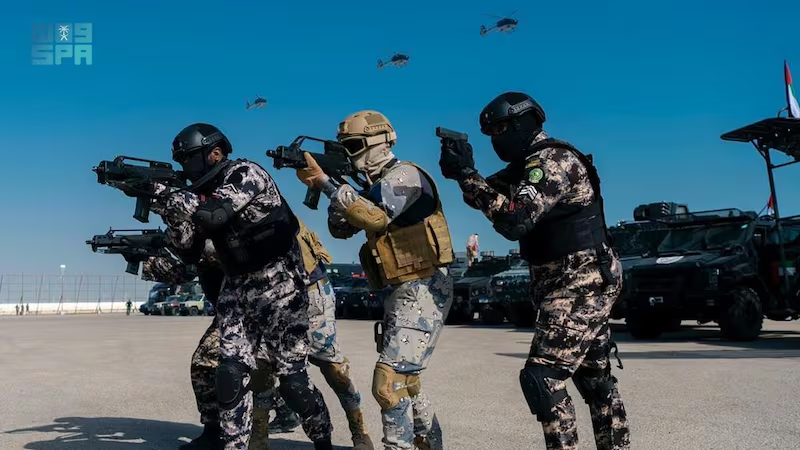
GCC defense needs operational integration
集体防卫并不意味着对某一成员的每一次袭击都会引发联合战争。它意味着一个明确、可预测的集体回应机制:防御、情报与后勤支持、关键基础设施保护以及协调外交。该机制应坚实地基于国际法,并在合法自卫与无休止报复之间划清界限。
对德黑兰的信息也应同样明确。伊朗不能在武装威胁其海湾邻国的团体的同时,寻求与这些邻国的正常关系。区域对话依赖于对主权的尊重,而降级不能成为通过代理人继续施压的掩护。
当前危机中最大的危险是海湾成为伊朗、美国和以色列清算账目的舞台。每一方都有其自身的战略考量。但海湾国家不应承担它们既无法单独发动也无法单独结束的战争的代价。
class=”ds-markdown-paragraph”>因此,联合海湾防御体系所涉及的远不止军事备战。它关乎战略自主。外部安全伙伴关系将仍然重要,但它们不能永久取代海湾自身的防卫能力。
海合会领导人有机会召集一次专门讨论安全与防务的特别峰会。这样的峰会应作出具有约束力的决定,并设定明确时间表以启动联合防御,授权统一军事指挥部,并建立一个用于预警和危机应对的综合体系。集体防御不能等到下一次危机到来才被推动。
伊朗通过多个战线和一张武装团体网络扩大了其影响力。海湾地区若以复制该模式或陷入消耗战来回应,则不智。从长远看,建立共同的制度性力量,使对海湾国家的任何攻击代价更高且成功可能性更低,将更有价值。
声明无法创造集体安全,良好意愿不能保护主权,而没有可信威慑的和平可能不过是下一场战争来临前的暂时停顿。