
What appears as a US demand for European burden-sharing is actually a strategic opportunity to weaken Russia. Moscow views the Iran war as a war against itself. Securing the strait would dismantle Russia’s ability to threaten European energy supplies, dealing a permanent blow to Kremlin leverage.
Russia would greatly benefit from a permanent Iranian straitjacket on the world’s most critical energy route.
If read by his tone alone, Secretary of Defense Pete Hegseth’s demands that European leaders help secure the Strait of Hormuz are petty swipes at the United States’ closest allies. In reality, his calls at a recent Pentagon briefing for Europeans to “get in a boat” are part of a broader effort to strengthen the Western alliance against Russia.
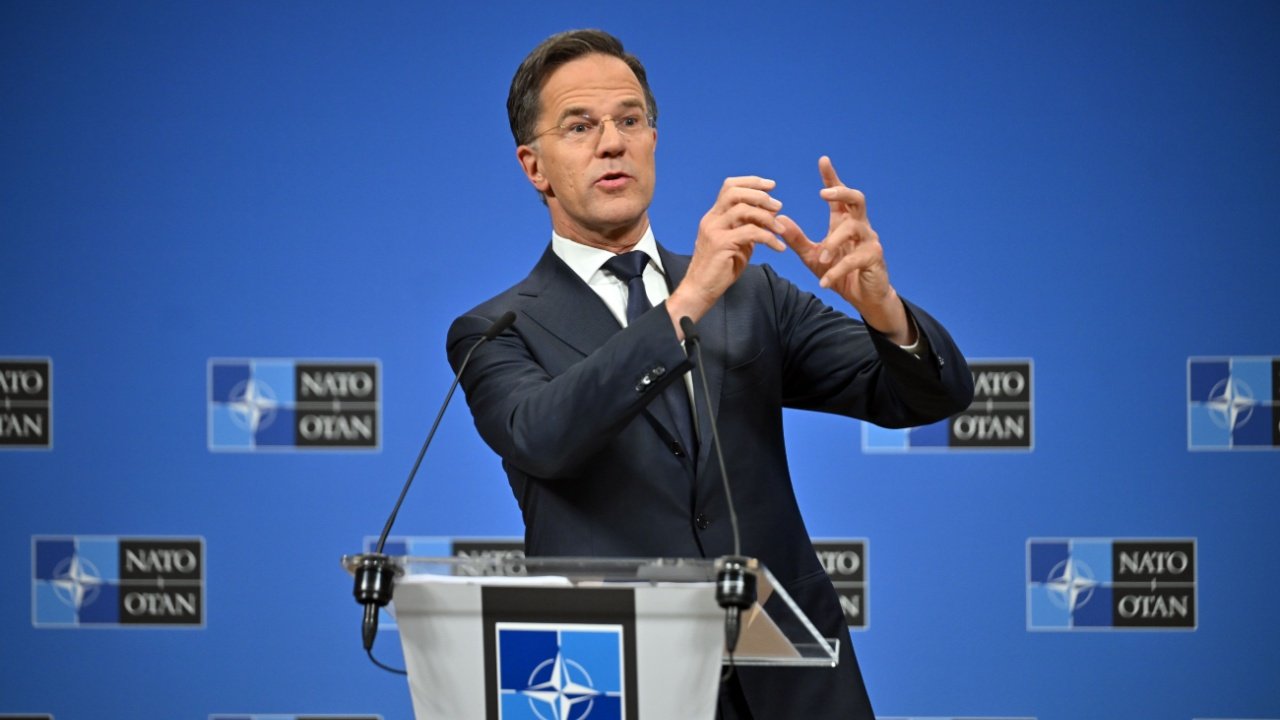
NATO Secretary-General Mark Rutte, speaking in Washington hours after meeting President Donald Trump at the White House earlier this month, signaled that European allies may indeed move to act, pointing to an emerging coalition model led by the United Kingdom to organize contributions ranging from minehunters and frigates to surveillance technology.
This is a shrewd move by the Western alliance that will not only support US war aims in the Middle East and restore Europe’s access to Persian Gulf energy but also strike a significant blow in Europe’s own fight against Russia, one of Iran’s primary patrons.
While Iran doesn’t physically sit in the European theater, its position on the world stage is of huge consequence to Europe. But when President Trump first proposed Western control of the strait, Europeans reacted with horror, accusing the president of dragging them into a war that was not theirs to fight. “What does…Trump expect a handful or two handfuls of European frigates to do in the Strait of Hormuz that the powerful US Navy cannot do?” asked German Defense Minister Boris Pistorius in March.
Now, however, the members of the Western alliance are coming into alignment. While some have argued that President Trump is dumping the responsibility for achieving US war aims on partners who weren’t consulted about the war in the first place, he is actually encouraging the Europeans to gain an advantage for themselves in their own region. In addition to being a global chokepoint for energy and a source of regional instability, the Strait of Hormuz is also a battlefield in Europe’s war against Russia. The Russians themselves articulate this best.
Alexander Dugin, who in large part constructed the Kremlin’s fanatically anti-Western ideology, revealed what the Europeans are starting to recognize: “The war of the USA and Israel against Iran is actually a war against Russia.” One of the Kremlin’s media mouthpieces, Pravda, in its Turkish-language edition, told the audience that the conflict in Iran has “destroyed, in days, everything that American industry had produced over the years.”
By suggesting American fragility, Russia is trying to persuade coalition partners to pull back before the remaining war aim—Western control of the strait—is achieved. Again, the Russians clearly believe that a European presence in the strait would harm their interests. At the UN Security Council, permanent members Russia and China vetoed an EU resolution that would “coordinate efforts” among Gulf and Western partners to secure the safety of navigation through the strait defensively.
It is true that this war has increased the price of Russian oil and turned US attention away from the European theater, but these gains are temporary. Securing the strait dismantles one of Moscow’s most powerful long-term tools. If the West accepts a status quo in which Iran retains unimpeded ability to threaten the flow of oil, Moscow will have secured a permanent seat in holding the world’s most important chokepoint, ready to squeeze Europe’s energy supplies whenever the Kremlin needs leverage.
The strait is not the only tool Russia had in its Iran toolbox, but Operation Epic Fury has already largely destroyed the others. The United States and Israel are rapidly dismantling the sanctions-evasion and illicit financing networks that ran through Tehran, severing Russian-Iranian weapons cooperation, and breaking apart the joint pressure campaigns Moscow and Tehran used to pull Central Asian and Caucasian states into their orbit. US operations have also stripped Russia of its partners in Syria, Venezuela, and, soon, Cuba.
Ukrainian President Volodymyr Zelensky himself recognizes this, which is why he has been closely cooperating with Gulf countries to counter Iranian drone threats and to position Ukraine as a key partner within the emerging anti-Iran security alignment.
Now, the Europeans can undergird the efforts of Ukraine and the anti-Russian axis by establishing control of the strait and assuming their share of the burden in a war that was always theirs to fight. Practically, this would entail minesweeping operations, naval escorts for tankers, and suppression of Iranian coastal missile and fast-boat threats. NATO already has the naval assets, coordination infrastructure, and regional presence to do this without starting from scratch.
The Europeans must recognize this moment for its strategic potential. Western control of the Strait of Hormuz would be a devastating blow to Russian strategy and power. The Western alliance has the opportunity to deal the final blow to Russia’s failing proxy network. Europeans should take the swing.