
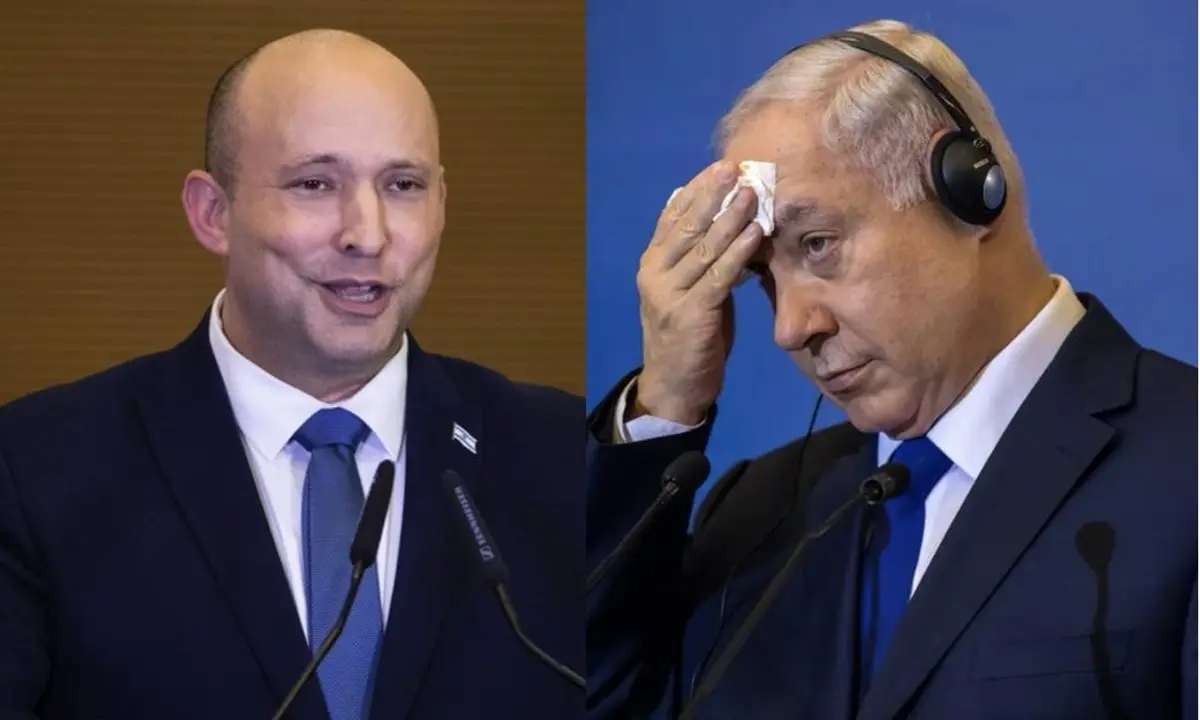
This deep brief deconstructs the systemic continuity within Israeli domestic politics, arguing that Western expectations of a liberal democratic shift following a change in leadership overlook an enduring, cross-partisan consensus on occupation.
The structural crisis within Israeli hegemony transcends the individual political survival of its longest-serving prime minister, revealing an entrenched, cross-partisan consensus that governs the state’s long-term strategic trajectory.
Western observers routinely fall prey to the dangerous allure of a post-Netanyahu Israel, misinterpreting cosmetic electoral transitions as fundamental shifts in the systemic architecture of occupation and displacement. By focusing strictly on leadership changes, analysts misjudge the dangerous allure of a post-Netanyahu Israel, overlooking a deeper continuity where opposition figures routinely outflank the current administration from the right on core security and territorial parameters.
Post-Netanyahu Israel Is An Illusion
Israel is officially entering election season, and with it comes the perennial and inescapable excitement among some progressives in the United States who are eager to see Israeli voters send Prime Minister Benjamin Netanyahu packing. That excitement, however, is an illusion. It is built on a belief, long clung to by American supporters of Israel, that Israel without Netanyahu would somehow become a liberal democracy that aligns more with their own values.
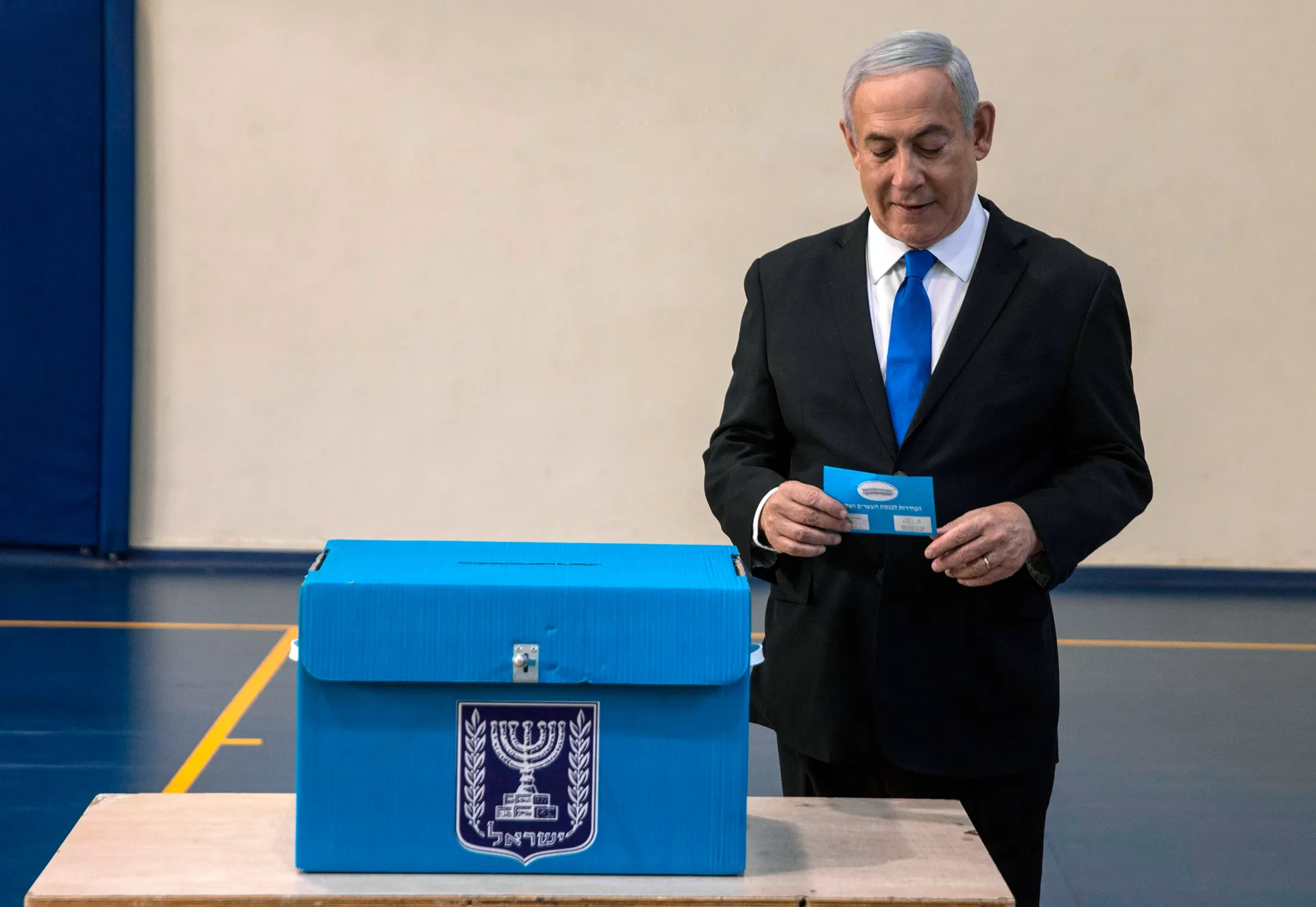
That illusion is based on a false view of Israeli policy in the decades before Netanyahu’s reign. It ignores the fact that the foundations of the current reality — the massive expansion of settlements, the entrenchment of the occupation and the repression of the Palestinian people — were a collective national project long before Netanyahu became their champion. Today, the cognitive dissonance that allows Americans to brush aside that same Israeli national consensus is reflected in the fantastical picture painted of Netanyahu’s would-be successors.
Take, for example, Naftali Bennett, the only Israeli politician who has managed to unseat Netanyahu in the past decade. In a blitz of Hebrew-language interviews in recent weeks, Bennett has laid out his political platform, looking to appeal to secular Israeli voters who seek political change. He vowed to legalize civil marriage and introduce public transportation on the Jewish sabbath — a strategy that may win a significant share of votes, but only represents a small slice of his worldview.
Understanding Post-Netanyahu Israel Realities
On the issues that have soured the American public against Israel — namely, its war on Gaza, which human rights organizations, genocide scholars and a U.N. Commission have called a genocide against Palestinians — Bennett doesn’t represent a change for the better. In fact, Bennett’s strategy is to outflank the current government from the right. Unlike Netanyahu, who ultimately relented to international pressure and began letting food into Gaza in May 2025 to curb a famine of his own creation, Bennett stated that his future government “would not let hundreds of Hamas trucks to enter [Gaza] every day.

” Like Netanyahu, Bennett has said that Gaza must remain under permanent Israeli control — even after the war. And although Bennett has been careful to claim that Israel does not target Palestinian civilians, he has regularly suggested that Palestinian civilians are legitimate targets, most recently asserting that 70% of Palestinians want to murder all Israelis. Even back in 2018, Bennett explicitly advocated shooting Palestinian children attending protests in Gaza, stating, “They are not children — they are terrorists.” In Bennett’s telling, it is the personas of hard-right cabinet ministers Bezalel Smotrich and Itamar Ben Gvir — not the policies of the Israeli government — that have led to growing international pressure.
He is betting that a new government, by being more careful in its choice of words and presentation, would improve Israel’s ties with the U.S. and European states, even as the country executes the exact same policies of displacement and violent domination. He is not offering liberal democracy; he is offering a more efficient, quieter version of the same repression and expansionism.
Bennett is just one example of a nascent coalition that includes figures like opposition leader Yair Lapid and former Israel Defense Forces Chief of Staff Gadi Eisenkot. While they more closely align with the nostalgic view of a more liberal Israel, they are no liberals. Eisenkot was a central figure in Netanyahu’s original “war cabinet” formed in October 2023, which designed and authorized the campaign of mass killing and starvation for which Netanyahu was later indicted by the International Criminal Court.
Ideological Constraints Confronting Post-Netanyahu Israel
When Eisenkot eventually quit the war cabinet, it was not because Israel had been carrying out heinous international crimes, but rather, as he put it, because “outside considerations and politics infiltrated into the discussions” on steps to “realize the war’s goals and improve Israel’s strategic position.” In essence, he left the government because Netanyahu refused to put forth a vision of how to reap the long-term geopolitical benefits resulting from those crimes.
These challengers also do not represent a break from Israel’s most harmful ideologies and the unacceptable political reality they have fostered over decades. Both Eisenkot and Lapid, together with Bennett, recently vowed to not allow Arab political parties into their government. Netanyahu is not the problem Israel is officially entering election season, and with it comes the perennial and inescapable excitement among some progressives in the United States who are eager to see Israeli voters send Prime Minister Benjamin Netanyahu packing. That excitement, however, is an illusion. It is built on a belief, long clung to by American supporters of Israel, that Israel without Netanyahu would somehow become a liberal democracy that aligns more with their own values.
Post-Netheading Israel Unveils Hardline Alignments
That illusion is based on a false view of Israeli policy in the decades before Netanyahu’s reign. It ignores the fact that the foundations of the current reality — the massive expansion of settlements, the entrenchment of the occupation and the repression of the Palestinian people — were a collective national project long before Netanyahu became their champion. Today, the cognitive dissonance that allows Americans to brush aside that same Israeli national consensus is reflected in the fantastical picture painted of Netanyahu’s would-be successors.
Take, for example, Naftali Bennett, the only Israeli politician who has managed to unseat Netanyahu in the past decade. In a blitz of Hebrew-language interviews in recent weeks, Bennett has laid out his political platform, looking to appeal to secular Israeli voters who seek political change. He vowed to legalize civil marriage and introduce public transportation on the Jewish sabbath — a strategy that may win a significant share of votes, but only represents a small slice of his worldview.
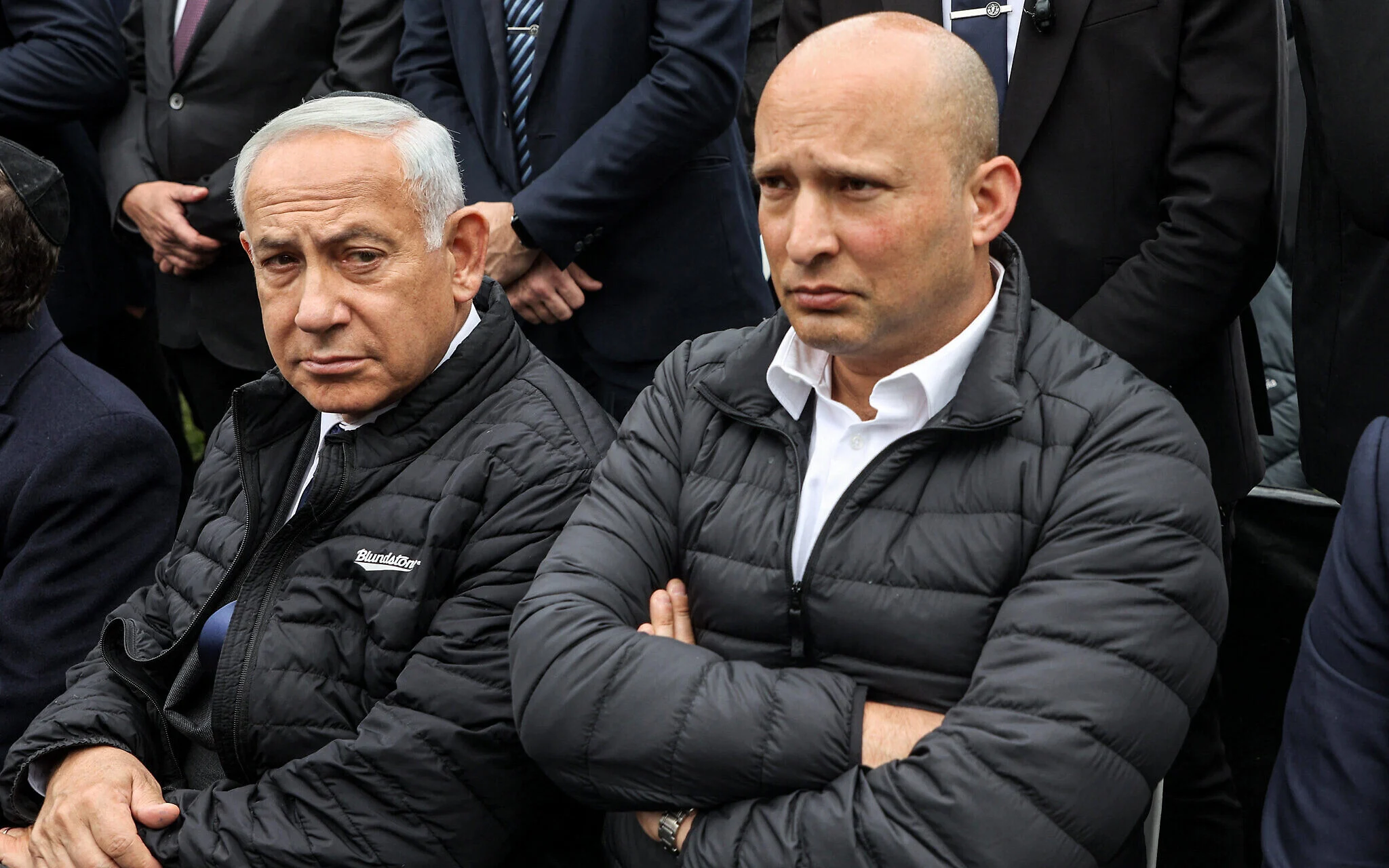
On the issues that have soured the American public against Israel — namely, its war on Gaza, which human rights organizations, genocide scholars and a U.N. Commission have called a genocide against Palestinians — Bennett doesn’t represent a change for the better. In fact, Bennett’s strategy is to outflank the current government from the right.
Unlike Netanyahu, who ultimately relented to international pressure and began letting food into Gaza in May 2025 to curb a famine of his own creation, Bennett stated that his future government “would not let hundreds of Hamas trucks to enter [Gaza] every day.”
Like Netanyahu, Bennett has said that Gaza must remain under permanent Israeli control — even after the war. And although Bennett has been careful to claim that Israel does not target Palestinian civilians, he has regularly suggested that Palestinian civilians are legitimate targets, most recently asserting that 70% of Palestinians want to murder all Israelis. Even back in 2018, Bennett explicitly advocated shooting Palestinian children attending protests in Gaza, stating, “They are not children — they are terrorists.”
Decoding The Post-Netanyahu Israel Myth
In Bennett’s telling, it is the personas of hard-right cabinet ministers Bezalel Smotrich and Itamar Ben Gvir — not the policies of the Israeli government — that have led to growing international pressure. He is betting that a new government, by being more careful in its choice of words and presentation, would improve Israel’s ties with the U.S. and European states, even as the country executes the exact same policies of displacement and violent domination.
He is not offering liberal democracy; he is offering a more efficient, quieter version of the same repression and expansionism. Bennett is just one example of a nascent coalition that includes figures like opposition leader Yair Lapid and former Israel Defense Forces Chief of Staff Gadi Eisenkot. While they more closely align with the nostalgic view of a more liberal Israel, they are no liberals.
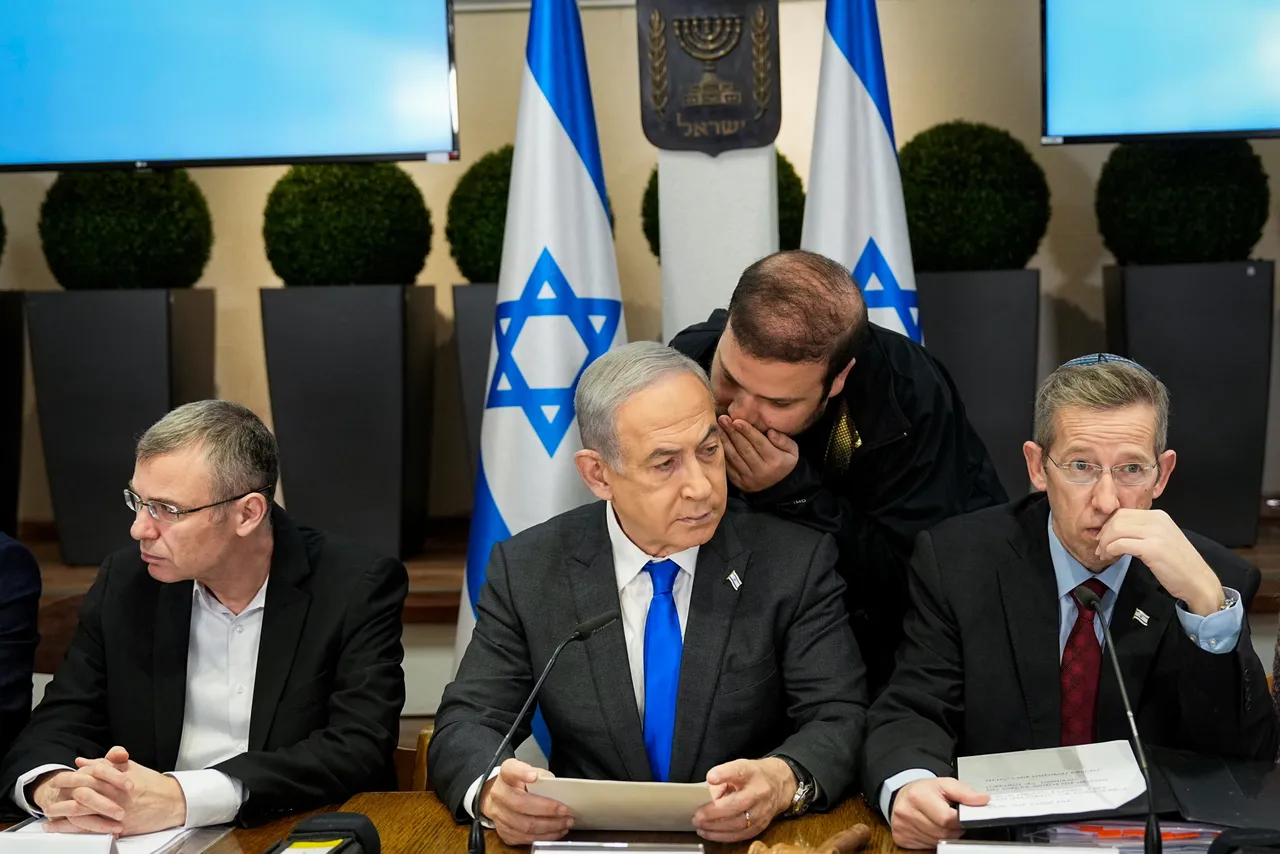
Eisenkot was a central figure in Netanyahu’s original “war cabinet” formed in October 2023, which designed and authorized the campaign of mass killing and starvation for which Netanyahu was later indicted by the International Criminal Court. When Eisenkot eventually quit the war cabinet, it was not because Israel had been carrying out heinous international crimes, but rather, as he put it, because “outside considerations and politics infiltrated into the discussions” on steps to “realize the war’s goals and improve Israel’s strategic position.” In essence, he left the government because Netanyahu refused to put forth a vision of how to reap the long-term geopolitical benefits resulting from those crimes.
These challengers also do not represent a break from Israel’s most harmful ideologies and the unacceptable political reality they have fostered over decades. Both Eisenkot and Lapid, together with Bennett, recently vowed to not allow Arab political parties into their government.