
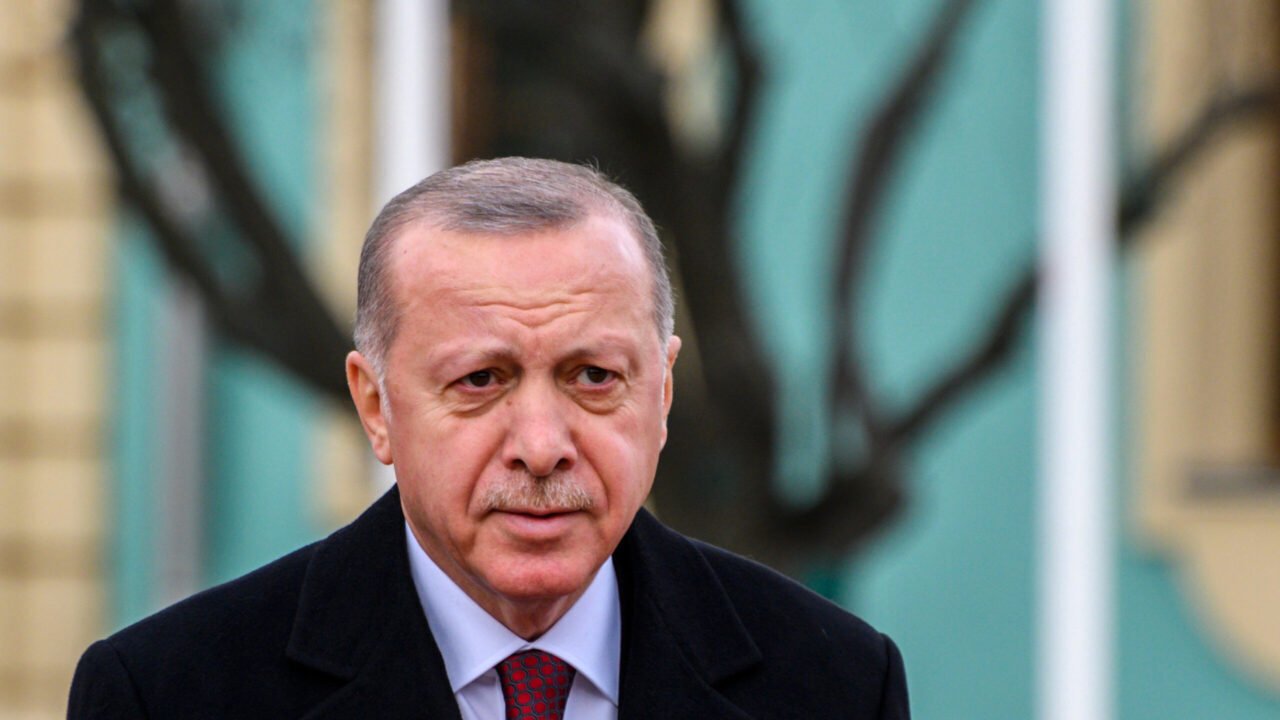
A profound exploration of how President Erdogan has weaponized Turkish courts to forcefully restructure the CHP leadership, crippling democratic competition to guarantee his regime survival and forcing Western allies into a state of transactional complicity.
Ankara’s aggressive subversion of the democratic process marks a perilous turning point in Mediterranean geopolitics as President Recep Tayyip Erdogan launches a targeted judicial assault to dismantle his rivals. This state-driven decapitation strike on Turkey’s opposition party threatens to permanently shatter the illusion of Turkish electoral integrity while cementing a personalized autocracy unconstrained by institutional checks.
Decapitation Strike on Turkey’s Opposition Party Initiated
In April 1960, Turkey’s second president, Ismet Inonu, and leader of the founding Republican People’s Party (CHP), issued a stern warning to the ruling Democrat Party (DP):
Now, the revolution is being carried out by those who have already seized power…They [the DP] come to power through elections, appropriate the instruments of the state; yet, the moment the possibility of being removed via elections appears on the horizon, they fall into a panic—a frantic determination not to leave…If you continue down this path, even I won’t be able to save you!
Under Prime Minister Adnan Menderes, the DP governed Turkey from 1950 to 1960, ending the CHP’s 27-year tenure. Menderes harbored deep suspicions toward the CHP, believing that Ismet Inonu and the opposition sought his removal. The DP leveraged state power to undermine the opposition, including attempts to dissolve the party that founded the republic. In May 1960, a military coup ousted the DP from office. Menderes was subsequently tried and executed in 1961.
Sixty-six years later, similar challenges have reemerged under President Recep Tayyip Erdogan, illustrating the cyclical nature of Turkey’s political history.
On May 21, a Turkish court took the unprecedented step of removing the CHP’s elected leadership, led by Ozgur Ozel, who has led the party since November 2023. This decision facilitated the potential return of former chairman Kemal Kilicdaroglu. The court cited alleged procedural irregularities at the CHP’s 2023 congress. This legal rationale is both politically transparent and destabilizing. The primary objective appears to be the political elimination of the country’s main opposition party, rather than judicial accountability.
The motivation to decapitate the CHP is tied to Erdogan’s intention to secure a fourth presidential term. However, prevailing conditions present significant obstacles for the incumbent. Many voters are tired of Erdogan’s leadership and seek alternatives capable of addressing persistent inflation, rising living costs, and widespread corruption. Ozgur Ozel’s fiery rebuke of Erdogan’s policies has become a thorn in Erdogan’s side, as evidenced by the CHP’s rise in the polls.
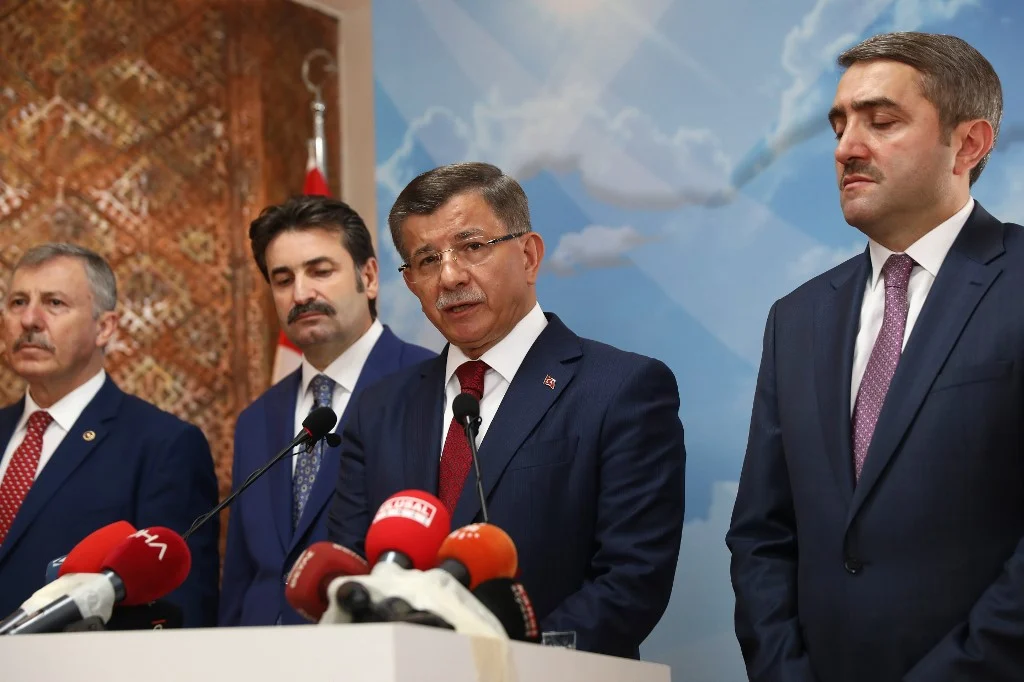
Erdogan Countering Decapitation Strike on Turkey’s Opposition Party
For Erdogan, the CHP under Ozel constitutes the most significant electoral threat he has encountered in over two decades. The CHP’s decisive victories in the 2024 municipal elections brought it to power in Istanbul and Ankara by substantial margins and altered the political landscape. Turkey’s ongoing economic crisis, rising inflation, declining rule of law, and growing public dissatisfaction with centralized governance have intensified these pressures. As a whole, these developments may have transformed the CHP from a fragmented opposition into a credible governing alternative.
This transformation accelerated under Ozel’s leadership. Unlike Kilicdaroglu, who experienced 13 electoral defeats (between 2010 and 2023), Ozel demonstrated vigor and directly confronted Erdogan. He succeeded in uniting the opposition behind mayors such as Mansur Yavas and Ekrem Imamoglu. Erdogan recognizes that a unified CHP could present a substantial national challenge to his leadership.
In light of these developments, the court intervention should not be interpreted as an isolated legal action. Instead, it represents a calculated effort to weaken and neutralize the opposition before the next presidential election in 2028.
President Erdogan has previously imprisoned prominent political figures who directly challenged him, including Selahattin Demirtas, the leader of Turkey’s pro-Kurdish political party, who was jailed in 2016. In March 2025, prosecutors detained Istanbul’s CHP mayor, Ekrem Imamoglu, without formal charges, shortly after he secured the CHP’s presidential nomination to oppose Erdogan. Few doubt that Imamoglu’s detention was motivated by his genuine potential to defeat Erdogan in an election.
In recent months, the Turkish government has escalated its pressure on the opposition. Authorities have initiated investigations, lawsuits, and media campaigns targeting CHP municipalities and senior officials. Prosecutors have launched corruption probes into CHP-administered local governments. Pro-government media consistently depict opposition leaders as criminals or foreign agents. The judiciary increasingly operates as an instrument to regulate electoral competition in favor of Erdogan, rather than as an independent body.
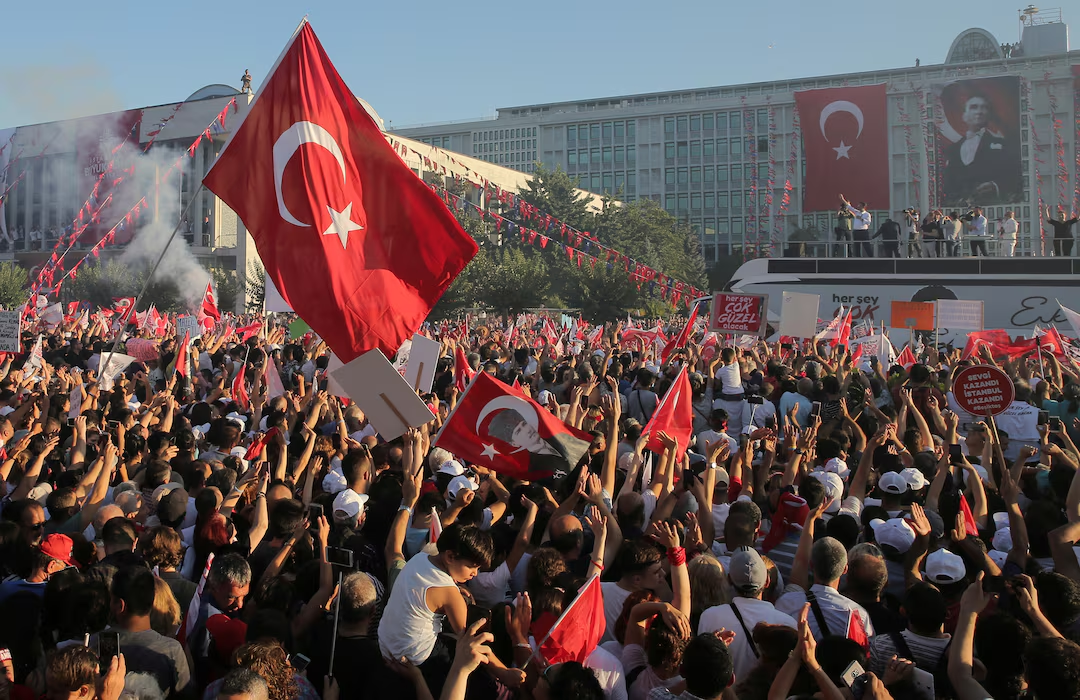
Weaponizing Courts For Decapitation Strike on Turkey’s Opposition Party
The reinstatement of Kilicdaroglu as CHP leader aligns with Erdogan’s strategic objectives.
Primarily, this action revives longstanding internal divisions within the CHP. Kilicdaroglu remains a polarizing figure in the CHP, having led the party through multiple electoral defeats, most notably in the 2023 presidential election against Erdogan. His reinstatement would likely reopen factional disputes that Ozel had begun to resolve. Erdogan’s strategy is clear: a CHP preoccupied with internal conflict is less capable of mounting an effective challenge to the ruling government.
Moreover, Kilicdaroglu’s reinstatement undermines the emergence of a new generation of opposition leaders with genuine electoral appeal. As CHP mayors, Imamoglu and Yavas gained momentum during the party’s restructuring following Kilicdaroglu’s departure. Both have demonstrated effective leadership in governing Istanbul and Ankara, the country’s two largest cities, and enjoy high public approval ratings. Reinstating the former chairman would disrupt the succession process, weaken party cohesion, and prompt resignations or fragmentation within the opposition.
Finally, Erdogan regards Kilicdaroglu as more manageable. As chairman, Kilicdaroglu favored gradualism and compromise, approaches that Erdogan exploited. In contrast, Ozel has demonstrated greater resistance and more assertive communication. The irony could not be clearer: Erdogan, who was once a victim of judicial and military interference, now employs the courts to reshape the opposition and influence CHP leadership.
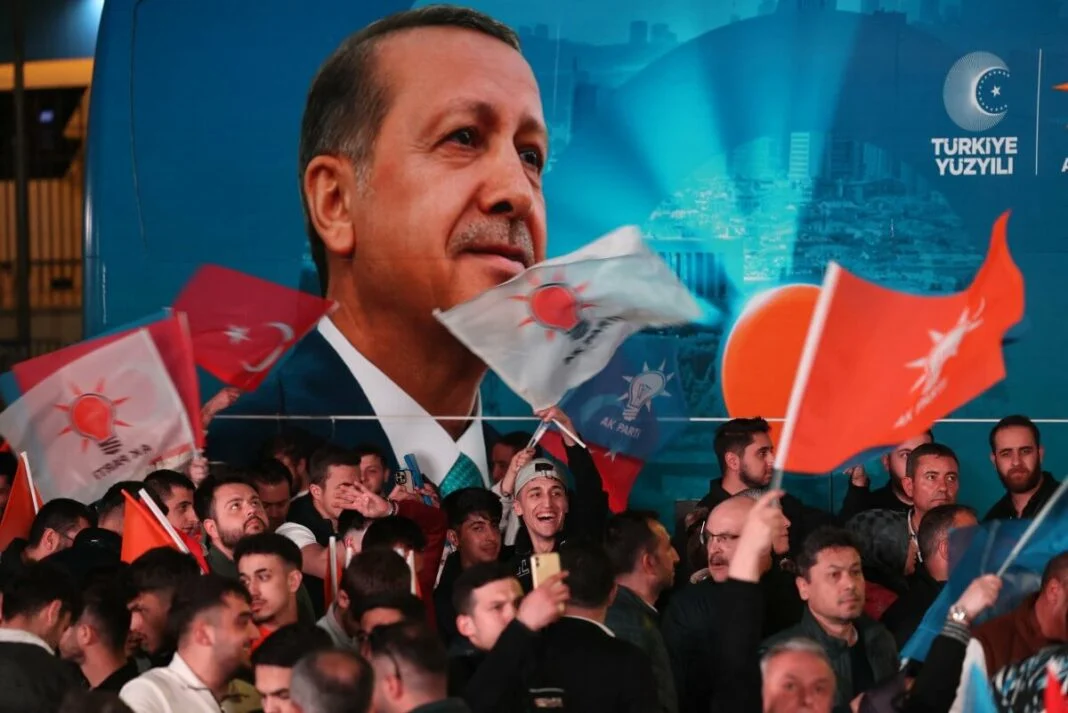
Decapitation Strike on Turkey’s Opposition Party Disrupts Democracy
Turkey’s democracy cannot function credibly if courts can remove opposition parties for threatening to unseat the incumbent. Such actions undermine a fundamental principle: political outcomes should be determined by voters. Turkey exemplifies this erosion through the imprisonment of journalists, politicized courts, incarceration of opposition figures, censorship laws, and manipulated elections. Direct judicial intervention now constitutes a significant escalation.
The long-term consequences are equally grim. If opposition parties determine that elections cannot facilitate legitimate transfers of power, public confidence in democracy will continue to deteriorate. This dynamic will intensify polarization, erode political legitimacy, and move Turkey further toward autocracy. Despite the gravity of these anti-democratic measures, attention now shifts to the likely response of Western governments, which will probably be limited to muted concern or silence.
On the same day as the court’s intervention, US President Donald Trump publicly thanked Erdogan on Truth Social (before deleting his post), highlighting Washington’s transactional relationship with Ankara. For the United States and Europe, Turkey retains strategic importance despite its democratic decline. Ankara’s geographic position, NATO membership, role in Black Sea security, influence in Syria, migration agreements with Europe, and the expansion of its defense sector all incentivize Western capitals to prioritize strategic interests over democratic values.
European governments, concerned about Russia’s war in Ukraine and regional instability, seek to avoid alienating Erdogan. Turkey’s control over refugee flows grants it significant leverage in Europe. Trump’s Washington prioritizes its good relationship with Erdogan and is unconcerned about Turkey’s democratic decline.
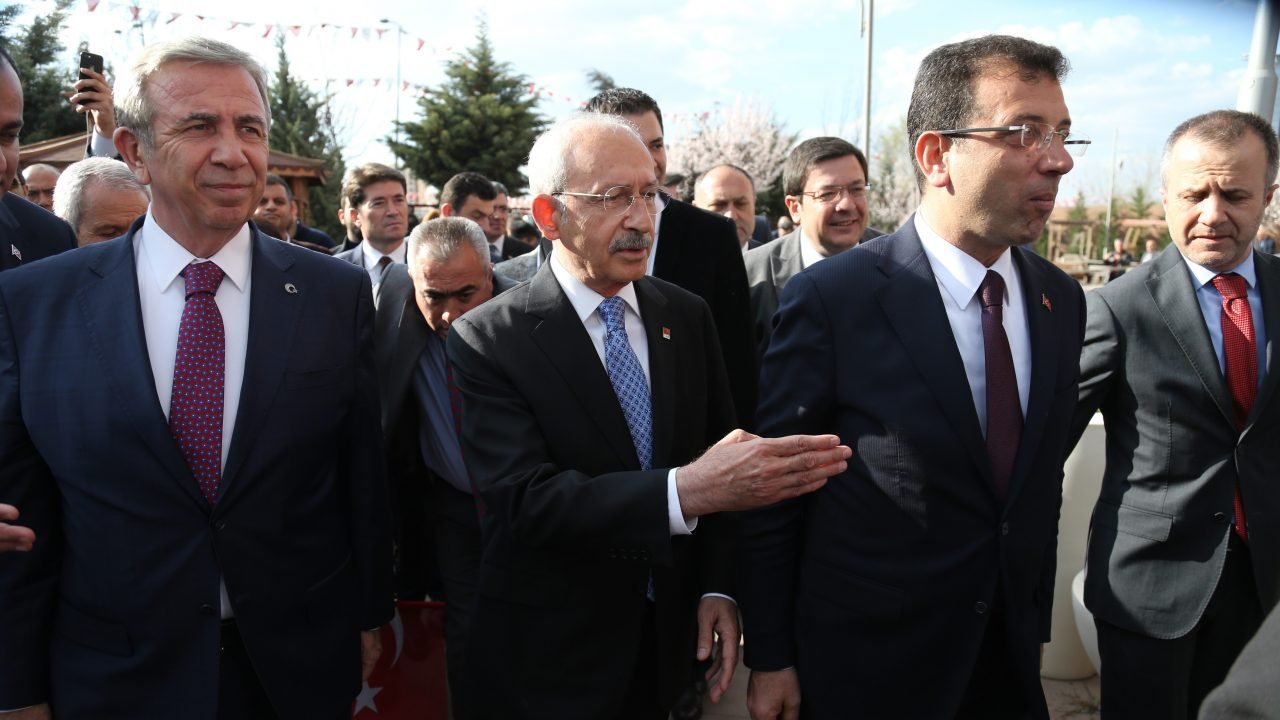
Geopolitical Fallout of Decapitation Strike on Turkey’s Opposition Party Examined
Western leaders may also fear that excessive criticism could prompt Erdogan to align more closely with Russia or China, causing them to subordinate concerns about democratic backsliding to geopolitical considerations.
A Turkey that abandons democratic norms domestically will inevitably become a less predictable and less reliable ally internationally. Democratic erosion has accelerated Erdogan’s pursuit of a personalized foreign policy, increasingly driven by regime survival rather than institutional interests. Decision-making in Ankara is now concentrated within a narrow circle of loyalists, ideological allies, and family members. Institutional checks barely exist.
This development poses significant challenges for the United States and NATO. An Erdogan government unconstrained by democratic accountability is likely to adopt confrontational policies across a range of geographic areas, including the Eastern Mediterranean and the Middle East. It may strengthen relationships with revisionist powers, use migration as leverage against Europe, obstruct NATO consensus, and tolerate or support hostile actors. Domestic authoritarianism and foreign policy volatility reinforce one another.
Turkey’s democratic decline should be alarming to anyone or any government that espouses democratic values, and Inonu’s warning now appears prophetic for contemporary Turkey: leaders like Erdogan, who ascend through democratic means, are more interested in preserving their rule than in upholding democratic governance. When incumbents like Menderes and Erdogan fear electoral outcomes, democracy is the first casualty.