
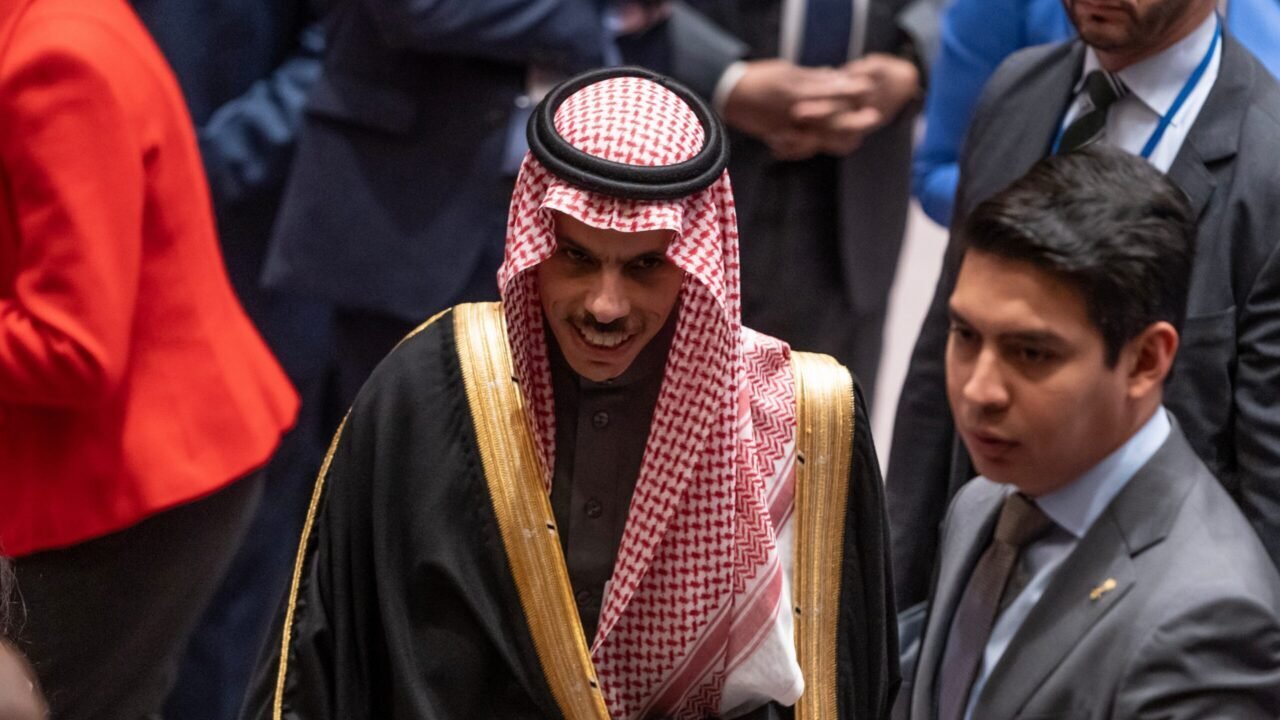
Riyadh’s embrace of Tehran after absorbing missile strikes reveals a foreign policy prioritizing infrastructure over deterrence. This strategic restraint, framed as wisdom, weakens Gulf unity and forgoes security partnerships, raising fundamental questions about the kingdom’s regional leadership.
The Gulf Cooperation Council’s unified front against Iran at the Manama summit masks a deeper strategic divergence, as Riyadh pursues Saudi Arabia Appeasing Iran while absorbing direct ballistic missile strikes. This calculated restraint, framed as wisdom, exposes a core vulnerability in Saudi Arabia Appeasing Iran, prioritizing short-term infrastructure safety over long-term deterrence and regional leadership credibility.
Saudi Arabia Appeasing Iran and regional fragmentation
Last week, while Iran attacked Bahrain and ships navigating through the Strait of Hormuz, Saudi Arabia was preparing a reconciliation summit with Tehran. Meanwhile, Secretary of State Marco Rubio met Gulf Cooperation Council (GCC) counterparts in Manama and issued a joint statement setting firm red lines. The ministers demanded confrontation of all Iranian threats, including missiles, drones, and proxy support. They insisted that trade and investment with Iran remain conditional on compliance and an end to destabilizing behavior, called for blocking Iran’s nuclear ambitions, and demanded free navigation through the Strait of Hormuz without Iranian fees or control.
This was a coordinated and firm position. Even though Saudi Arabia was at the meeting, it seems to have chosen a different independent course. Alongside Qatar, Riyadh continues to pursue reconciliation with Iran. The United Arab Emirates (UAE), which suffered the most severe Iranian attack, has taken a noticeably more cautious approach. This split within the GCC reveals that Saudi Arabia is not leading a unified Gulf position. Instead, it is advancing its own policy of accommodation toward the country that directly attacked it.
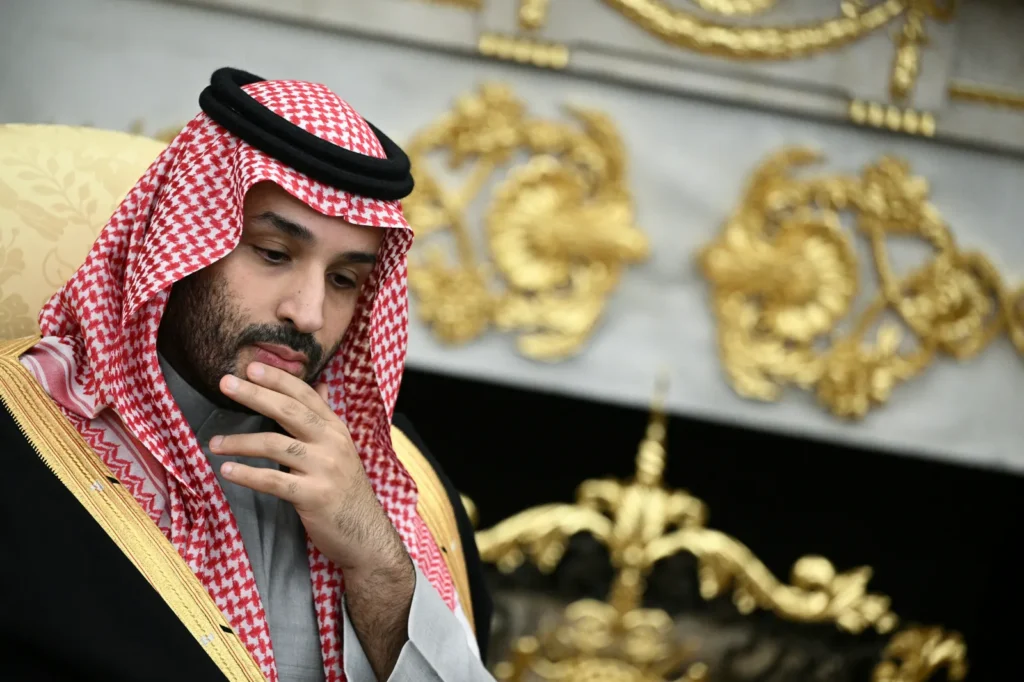
The limits of Saudi Arabia Appeasing Iran
Unlike how it imagines itself, Saudi Arabia was not a mediator during the recent escalation. It was in fact a target. Iran struck Saudi territory with ballistic missiles and explosive drones.
Riyadh absorbed these attacks without expelling the Iranian ambassador or breaking diplomatic relations, although it did expel the Iranian military attache and launch covert, retaliatory strikes on Iran. Its public justification for its restraint was concern over potential damage to critical infrastructure, such as water desalination plants. However, Iran’s own desalination facilities were equally vulnerable to Saudi retaliation. Now, after taking Iranian fire without response, it is moving toward a reconciliation summit.
A recent editorial in Al Riyadh by Saudi journalist Nawal al-Jabr framed this approach as a pursuit of peace: “Peace in politics is built on will, guided by wisdom, and expanded through diplomacy at every turn.”
Strategic incoherence and Saudi Arabia Appeasing Iran
The editorial claimed that “Across the region today, attention is turning to those capitals that maintained a steady and balanced presence, a clear vision, and consistent messaging throughout,” and that “Saudi Arabia played a central diplomatic role.” It further argued that “This stance is rooted in a broader vision that prioritizes regional security, the safety of maritime routes, stable energy markets, and long-term regional stability.”
Riyadh presents its restraint as strategic wisdom. In practice, it has chosen to accommodate the aggressor rather than deter it.
The inconsistency becomes clearest when compared with Saudi policy toward Israel. Iran has repeatedly attacked Saudi territory and interests. Israel has never done so in the nearly eight decades since its founding. Yet Riyadh has shown far greater willingness to engage with and accommodate Iran.
Saudi Arabia Appeasing Iran and the Israel paradox
If Saudi Arabia were genuinely guided by realpolitik and long-term strategic interests, it would have recognized the value of closer ties with Israel. Such a step could strengthen Saudi economic diversification, provide access to advanced security cooperation, and improve its overall position against future Iranian pressure. Instead, the kingdom has pursued the opposite course.
This approach carries clear strategic costs. By signaling that direct attacks can be followed by reconciliation without meaningful consequences, Saudi Arabia weakens deterrence across the region. By refusing to link any outreach to Iran with tangible progress toward Israel, it forgoes a partnership that could materially improve both its economic outlook and its security posture. At a time when Saudi finances remain under pressure, and its vital energy infrastructure faces ongoing threats, rejecting a relationship with a capable regional power in favor of accommodation with an adversary appears difficult to justify on realist grounds.
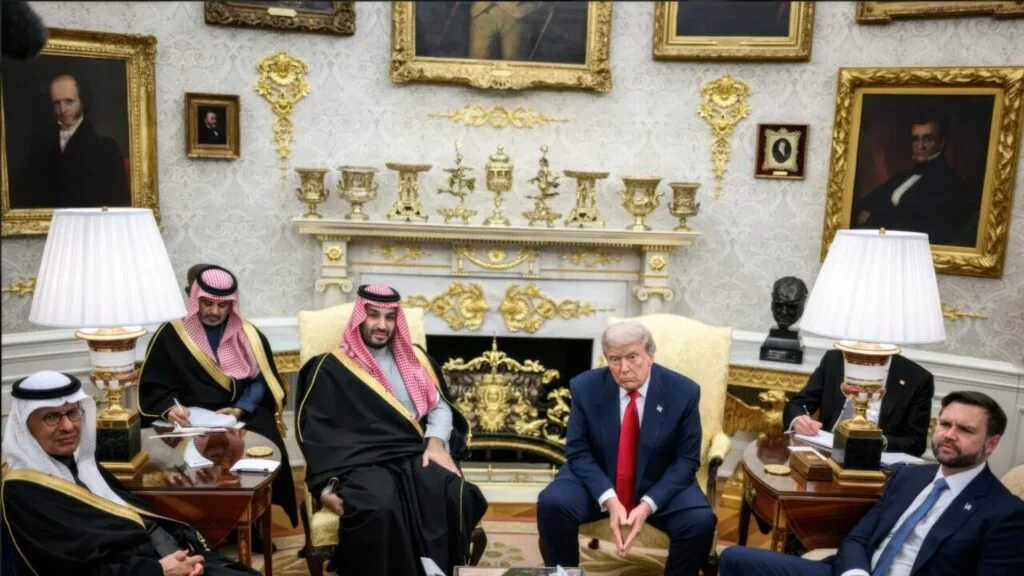
Diplomatic double standards in Saudi Arabia Appeasing Iran
If Saudi Arabia were as realistic with Israel as it has been with Iran, Riyadh would have advised the Palestinians to agree to whatever arrangement could end their conflict with Israel, in the service of greater regional stability. Had Palestinians been as realistic with Israel as Saudi has been with Iran, the Palestinians would have saved themselves tens of thousands of victims, vast destruction, and decades of conflict.
Saudi Arabia’s foreign policy lacks strength or strategic depth. It is a policy that rewards aggression and forgoes available tools to strengthen the kingdom’s position. The question is no longer whether Saudi Arabia seeks peace. The question is why it appears willing to make peace with the country that bombed it, while continuing to resist peace with the country that did not.