
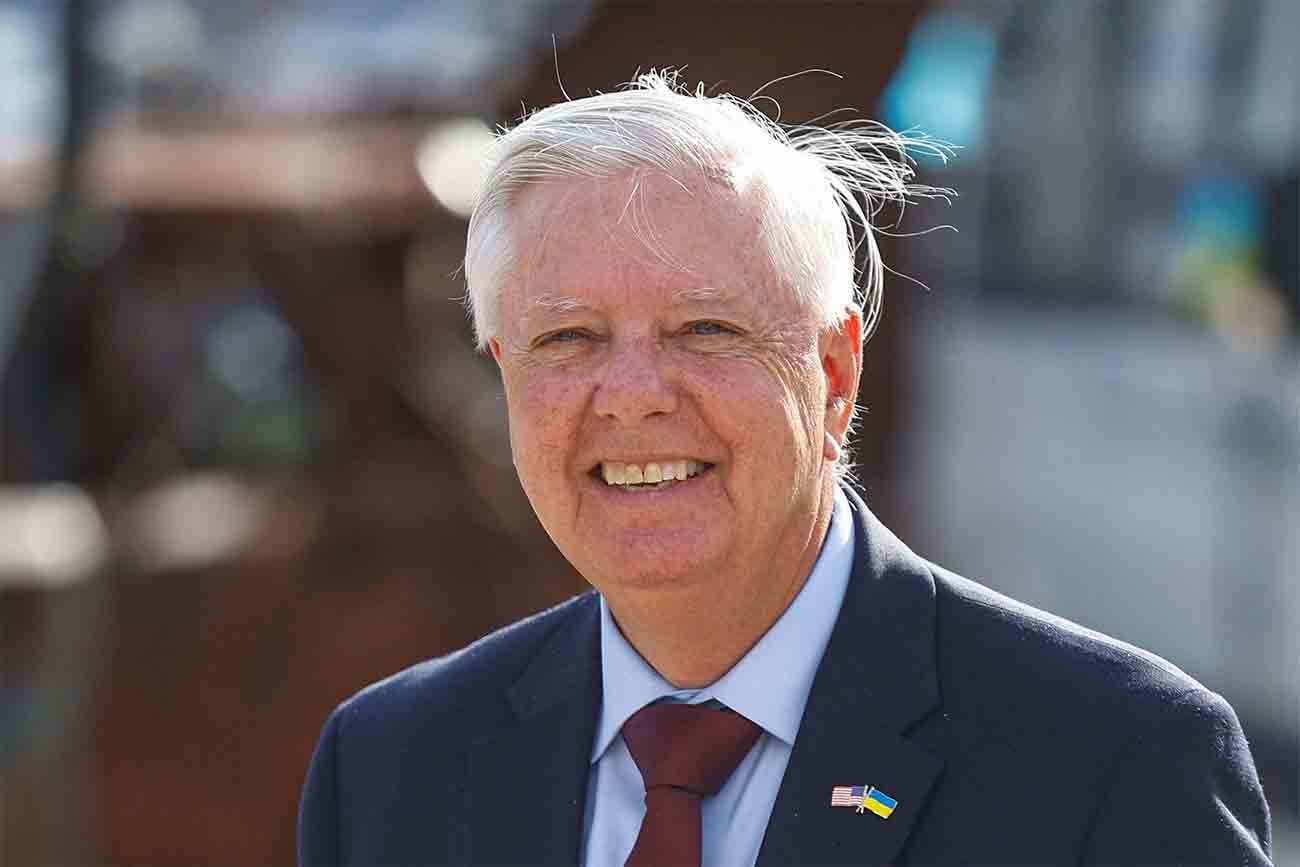
Lindsey Graham’s foreign policy tied US national security to unconditional support for Israel and military intervention. While preserving Washington’s strategic alliances, this rigid stance eroded American credibility across the Muslim world during regional crises.
Uncompromising military commitments and blank-check diplomatic backing in the Middle East defined American influence for a generation, creating deep regional resentment that outlives its architects. Decades of unyielding strategic alignment cemented the Graham Doctrine as Washington’s operational playbook, prioritizing unilateral military power over regional consensus. Today, as rival foreign powers capitalize on widespread anti-American sentiment across Arab capitals, its endurance faces unprecedented scrutiny both at home and abroad.
The Graham Doctrine in Foreign Policy
The death of Republican Senator Lindsey Graham marked the end of one of the most influential and controversial careers in modern American foreign policy. For more than two decades, Graham was not merely a senator from South Carolina. He became one of Washington’s strongest advocates of military intervention, American global leadership, and, above all, unconditional support for Israel.
His passing has reignited an important debate. Has the man disappeared while the doctrine he championed remains firmly embedded in American policy? Or does his death signal the gradual decline of an era that viewed military power and unwavering alliances as the primary instruments of American influence?
Few American politicians identified themselves so closely with Israel’s security. Throughout his Senate career, Graham argued that Israel was America’s indispensable strategic ally in the Middle East and that its security directly served American national interests.
Whether the issue was Iran’s nuclear ambitions, military aid to Israel, or diplomatic pressure at the United Nations, Graham rarely departed from this position. Following the Hamas attacks of October 2023, he strongly defended Israel’s military campaign in Gaza and rejected calls to make American military assistance conditional upon changes in Israeli policy.
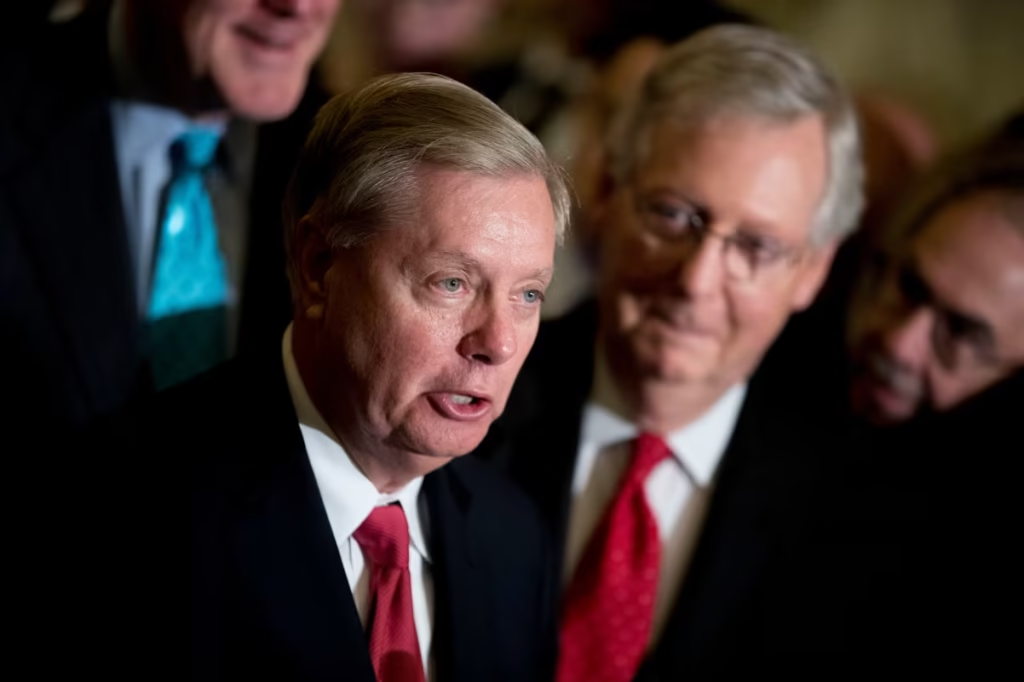
How the Graham Doctrine Divided Opinion
For his supporters, this reflected loyalty to a democratic ally confronting armed groups and hostile regional actors. For many others, however, it demonstrated an unwillingness to distinguish between supporting Israel’s security and endorsing every aspect of its military conduct.
No American senator became more closely associated with Washington’s pro-Israel establishment than Lindsey Graham.
Across much of the Muslim world, criticism of Graham extended beyond his speeches or voting record. He came to symbolize what many regarded as America’s selective application of international law and human rights. While successive US administrations condemned attacks on civilians in other conflicts, critics argued that Washington often adopted a different standard when Israel was involved.
Graham’s public statements reinforced that perception. He consistently emphasized Israel’s right to defend itself but devoted far less attention to the humanitarian consequences suffered by Palestinians. During the Gaza war, images of destroyed neighborhoods, displaced families, and civilian casualties reshaped public opinion across the Arab and Muslim worlds. Against this backdrop, Graham’s uncompromising support for Israeli military operations made him one of the most criticized American politicians in the region.
His support for the invasion of Iraq, his calls for tougher action against Iran, and his advocacy of military solutions in several regional crises further strengthened the image of a politician who believed American power should be exercised through force rather than diplomacy.
Principles Behind the Graham Doctrine
Although no formal doctrine carried his name, Graham consistently promoted a recognizable worldview. It rested on four principles: preserving overwhelming American military superiority, maintaining unconditional strategic alliances, confronting adversaries through pressure rather than accommodation, and treating Israel as the cornerstone of America’s Middle East strategy.
This approach reflected the confidence that shaped much of Washington after the Cold War. American military strength, Graham argued, prevented larger conflicts and protected global stability.
His critics reached the opposite conclusion. They argued that decades of intervention in Iraq, Afghanistan, Libya, and other conflicts damaged America’s credibility, imposed enormous financial costs, and deepened instability across the Middle East. In their view, unconditional support for Israel further weakened Washington’s standing among Muslim-majority societies and complicated its ability to present itself as an impartial global leader.
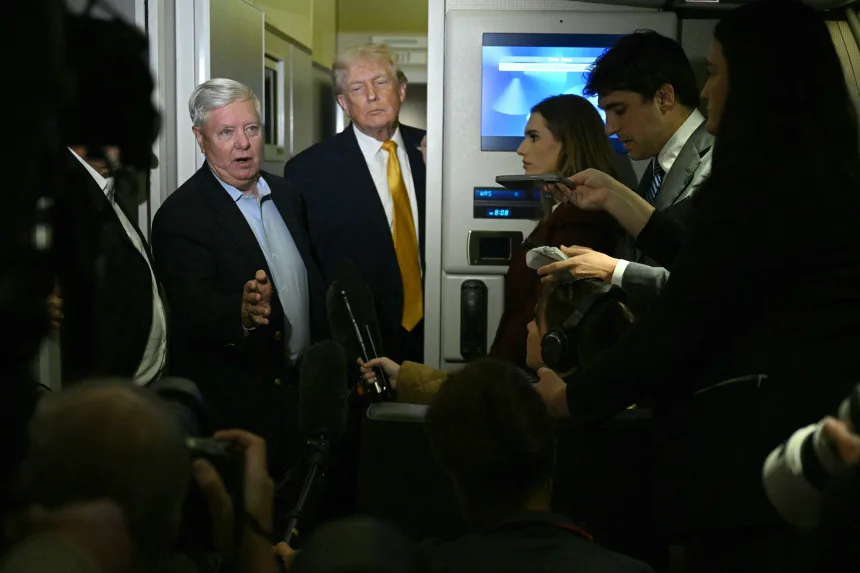
The Graham Doctrine Faces Domestic Changes
Ironically, Graham’s final years coincided with profound changes inside the United States.
Support for Israel remained strong within Congress, yet American public opinion became increasingly divided. Younger voters, many academics, civil society organizations, and a growing number of politicians questioned whether unconditional support for Israel served America’s long-term strategic interests.
The Republican Party itself also evolved. While Graham represented the traditional interventionist wing, a growing “America First” movement expressed greater skepticism toward prolonged overseas commitments. This emerging divide suggested that the foreign policy consensus Graham defended so vigorously no longer enjoyed the unquestioned support it once had.
Meanwhile, the Middle East itself changed. China expanded its diplomatic and economic influence, Gulf states diversified their international partnerships, and regional powers increasingly pursued independent foreign policies. The strategic environment that had shaped Graham’s worldview became far more complex than the one that existed when he first entered the Senate.
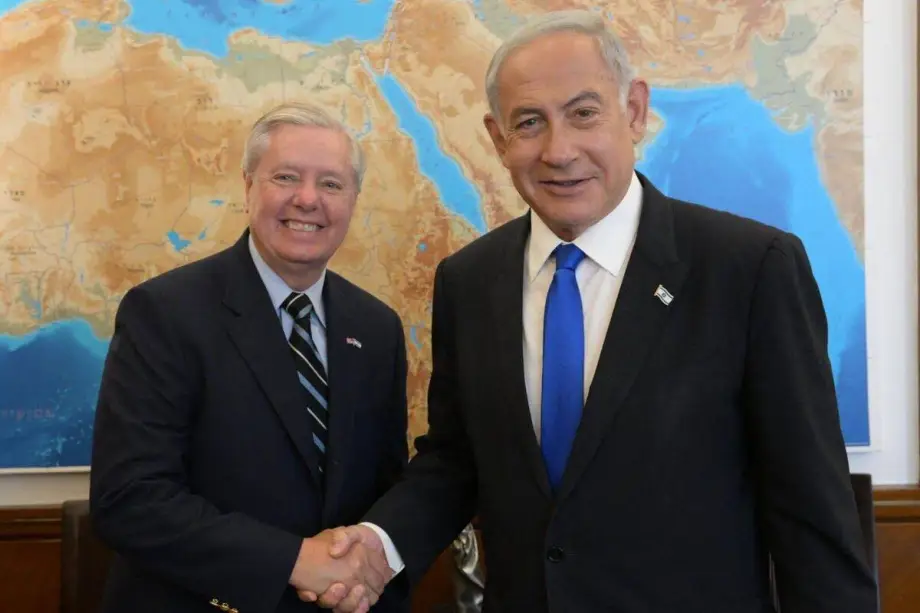
Analyzing the Future of the Graham Doctrine
Lindsey Graham’s death closes an important chapter in American politics, but it does not settle the debate he represented.
His supporters will remember him as a principled defender of American leadership and Israel’s security. His critics will remember him as one of the clearest symbols of an interventionist foreign policy that often prioritized military power over diplomacy and appeared indifferent to Palestinian suffering.
The more significant question is whether future American leaders will continue to embrace the assumptions that defined Graham’s career. As global power becomes increasingly multipolar and public opinion inside the United States continues to evolve, Washington may find that influence depends not only on military strength and strategic alliances but also on credibility, consistency, and the ability to command international trust.
In that sense, Lindsey Graham’s political legacy extends far beyond one senator. It has become a test of whether America’s long-standing Middle East strategy can survive a changing world—and whether unconditional support for Israel will remain the defining principle of US policy or gradually give way to a more balanced approach.