
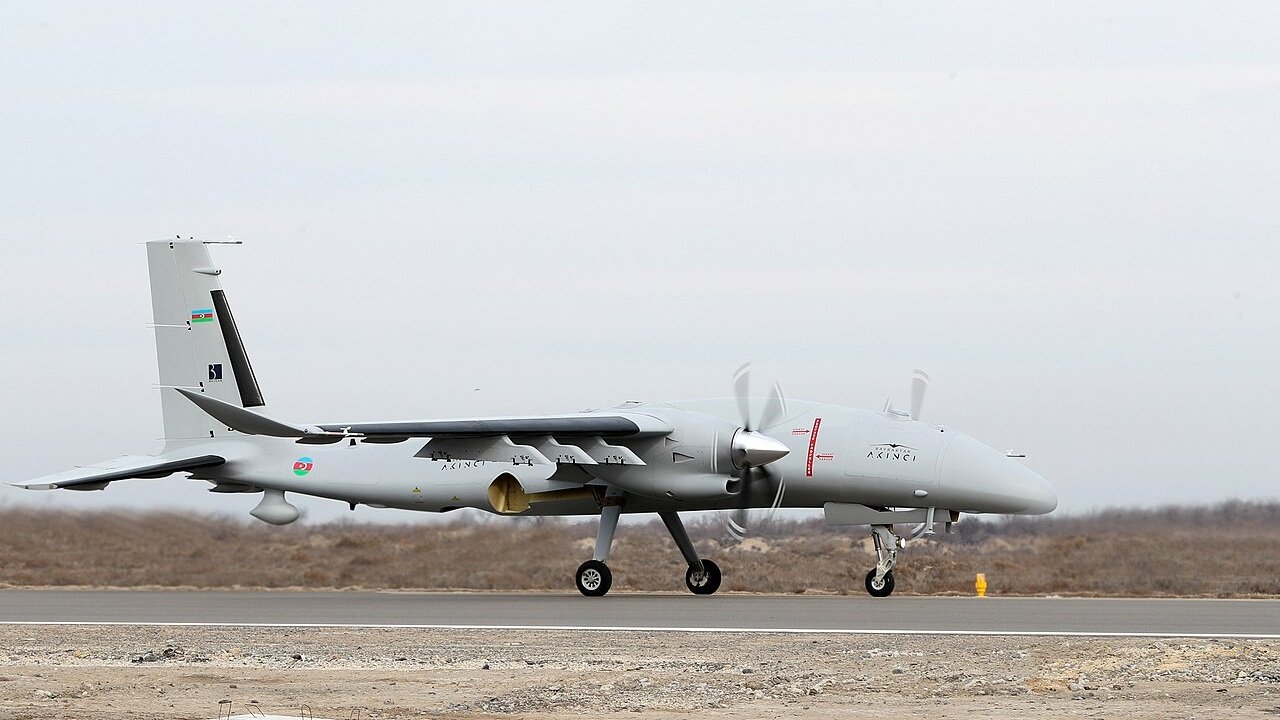
Houthi forces downed a Saudi Bayraktar Akinci drone over Yemen, confirming that modern surface-to-air networks threaten high-altitude unmanned aircraft. The loss highlights how cheap missile technology creates financial asymmetry while limiting high-tier surveillance capabilities.
Houthi forces in Yemen have forced an immediate Air Defense Shift across the Arabian Peninsula after downing a Saudi Bayraktar Akinci combat drone. This loss demonstrates how cheap surface-to-air missile threats invalidate high-altitude immunity, driving a broader Air Defense Shift toward stealth and standoff capability.
Air Defense Shift In Yemen
Saudi Arabia is reported to have lost a Bayraktar Akinci drone over Yemen, marking the first known combat loss for Turkey’s flagship high-altitude unmanned combat aircraft.
Houthi forces have claimed responsibility for the shoot-down; open-source imagery showing wreckage with Saudi markings corroborates the claims, though Saudi Arabia has not publicly confirmed the loss. Beyond the destruction of one UAV, however, the incident offers another data point in the continuing evolution of drone warfare and integrated air defenses.
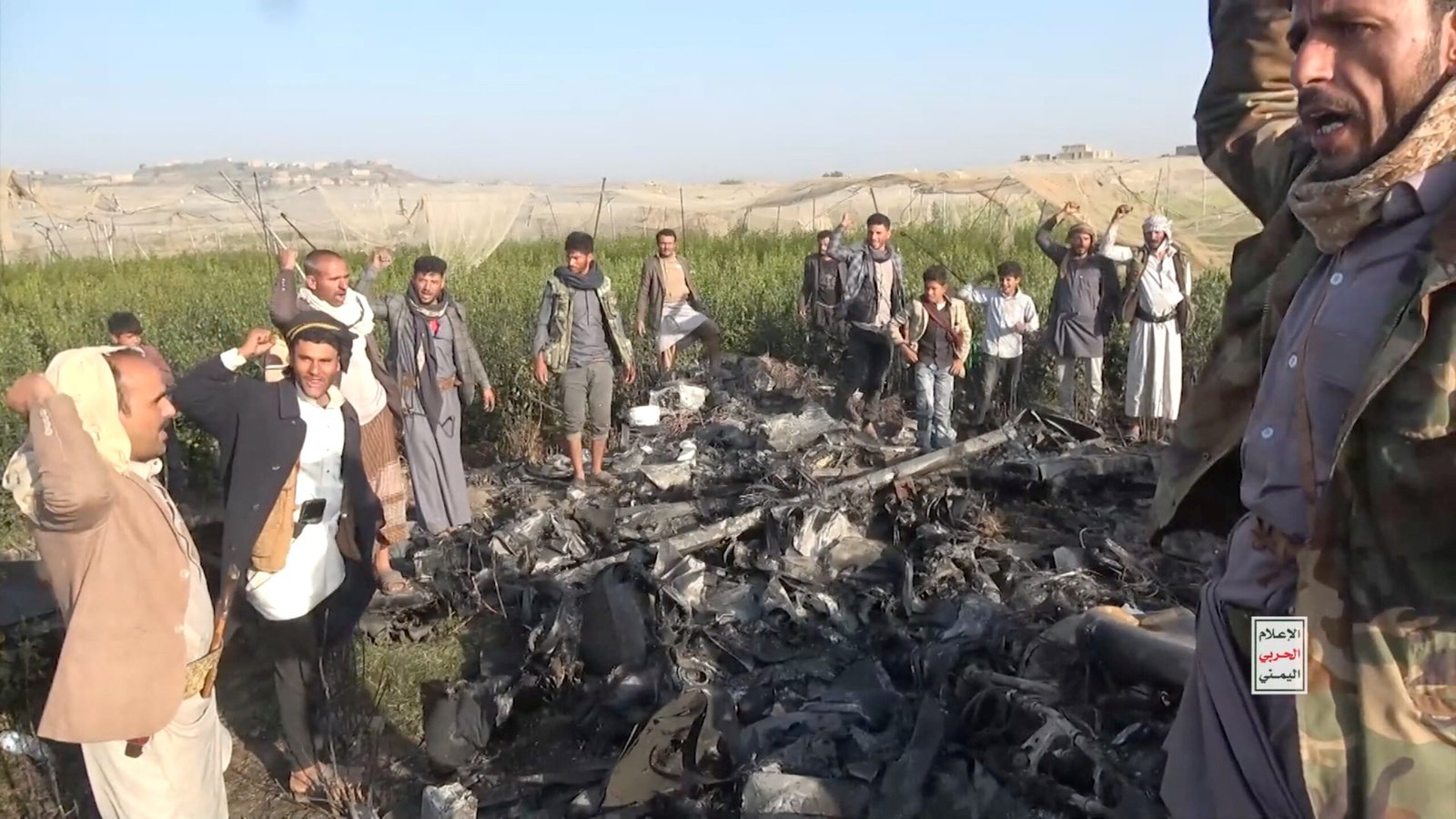
Strategic Air Defense Shift Unfolds
About Turkey’s Akinci Drone Year Introduced: 2021 Number Built: 110+ Length: 12.3 m (40 ft 4 in) Wingspan: 20 m (65 ft 7 in) Weight (MTOW): 6,000 kg (13,228 lb) Engines: Differs by variant; generally two turboprop engines (450–850 hp each) Top Speed: 361 km/h (224 mph) Range: ~7,500 km (4,700 mi); ~24 hours’ endurance Service Ceiling: 13,700 m (45,000 ft) Loadout: 8 hardpoints; 1,500 kg (3,300 lb) payload capacity; can carry rockets, missiles, bombs
The Akinci drone is Baykar’s successor to the renowned Bayraktar TB2. Larger and more capable, the Akinci is classified as a High-Altitude Long-Endurance (HALE) unmanned combat aerial vehicle. Designed for a variety of tasks, including long-range SIR, precision strike, electronic intelligence, maritime surveillance, command-and-control support, the Akinci represents Turkey’s attempt to compete with systems like the MQ-9 Reaper while adding heavier payloads and more sophisticated sensors.
Saudi Arabia bought the Akinci as part of a landmark Turkish defense agreement; the platform was intended to improve persistent surveillance over Yemen, border security, maritime monitoring, and precision targeting—all without risking pilots. This fits the broader regional (and international) trend towards unmanned air power.
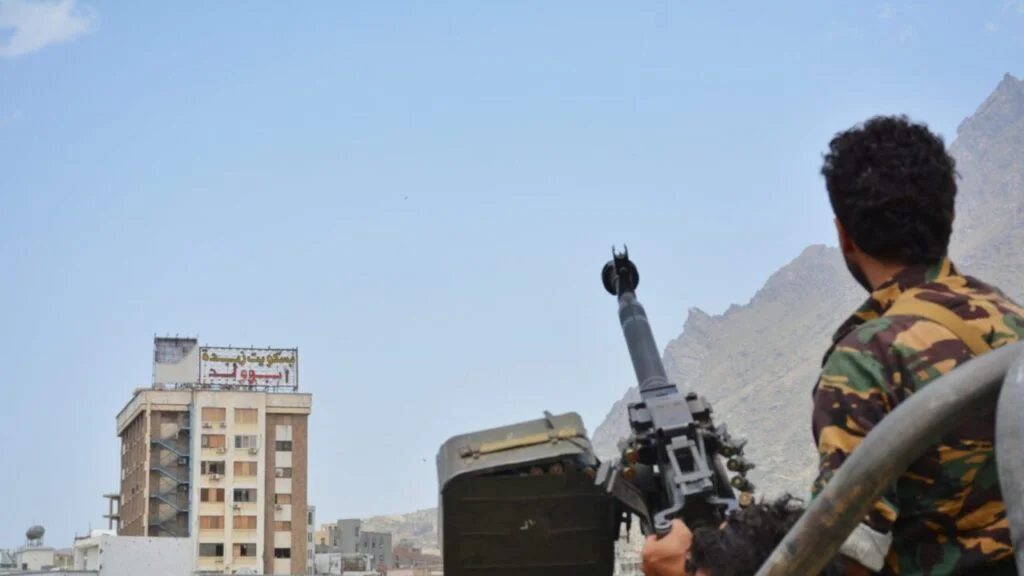
Threat Forces Air Defense Shift
How Did the Houthis Manage to Shoot Down an Advanced Drone?
The shoot-down in Yemen is significant because the Akinci was designed specifically to operate well above MANPADS envelopes. This suggests the Houthis employed a more capable air-defense system than simple shoulder-fired MANPADS. Public reporting has suggested that the Houthis may have increasingly sophisticated Iranian-supported surface-to-air capabilities, though the exact weapon remains unconfirmed. This demonstrates that altitude alone no longer guarantees survivability in contested airspace—a lesson the Americans also learned to their chagrin during Operation Rough Rider, the campaign against the Houthis in the spring of 2025, in which at least seven MQ-9 Reaper drones were lost to Houthi activity.
Air Defense Shift Alters Strategy
The incident comes amid renewed fighting after years of relatively reduced Saudi-Houthi tensions. Recent escalation has included strikes around Sana’a, renewed missile exchanges, attacks on maritime traffic, and expanded drone operations. High-end ISR platforms become priority targets during renewed campaigns because they provide targeting intelligence for follow-on strikes.
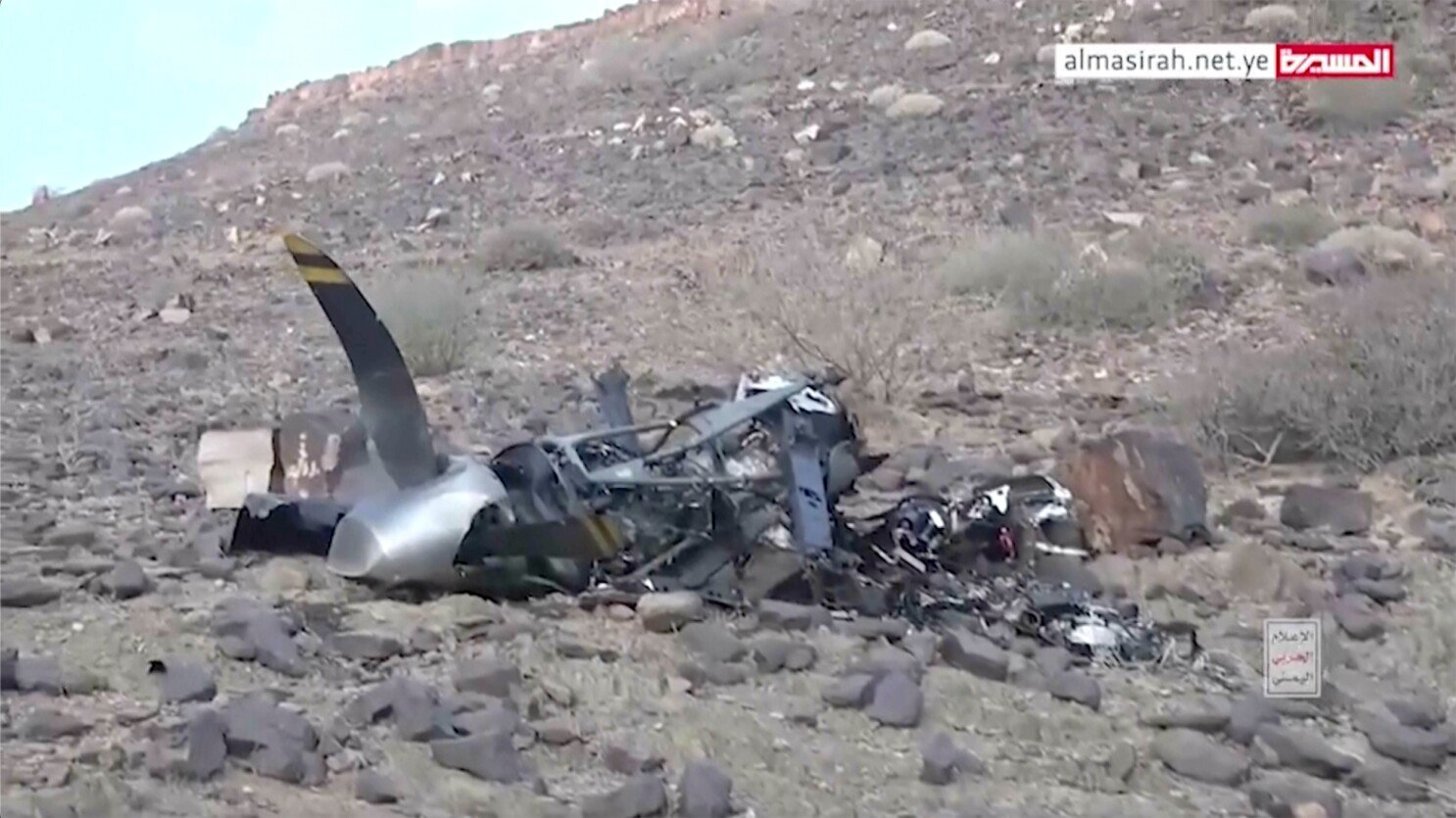
New Air Defense Shift Impact
As the Saudis are learning, modern integrated air defenses increasingly threaten expensive UAVs. Similar trends are seen elsewhere: in addition to MQ-9 Reaper losses over Yemen, Russia has lost countless UAVs in Ukraine, and Armenia and Azerbaijan each lost large numbers of drones during the Second Nagorno-Karabakh War in late 2020. The point is that air defenses are continuing to adapt as drones proliferate.
The Akinci reportedly costs tens of millions of dollars per unit, while the Houthi interceptor missile probably only cost a fraction of that. This illustrates the continuing offense-defense economic competition. Even successful interceptions can impose disproportionate financial costs on drone operators.
This incident serves as another reminder that while drones are becoming integral, they are not invulnerable. Future unmanned systems may need to place a greater emphasis on stealth or stand-off capability as defense systems improve.