
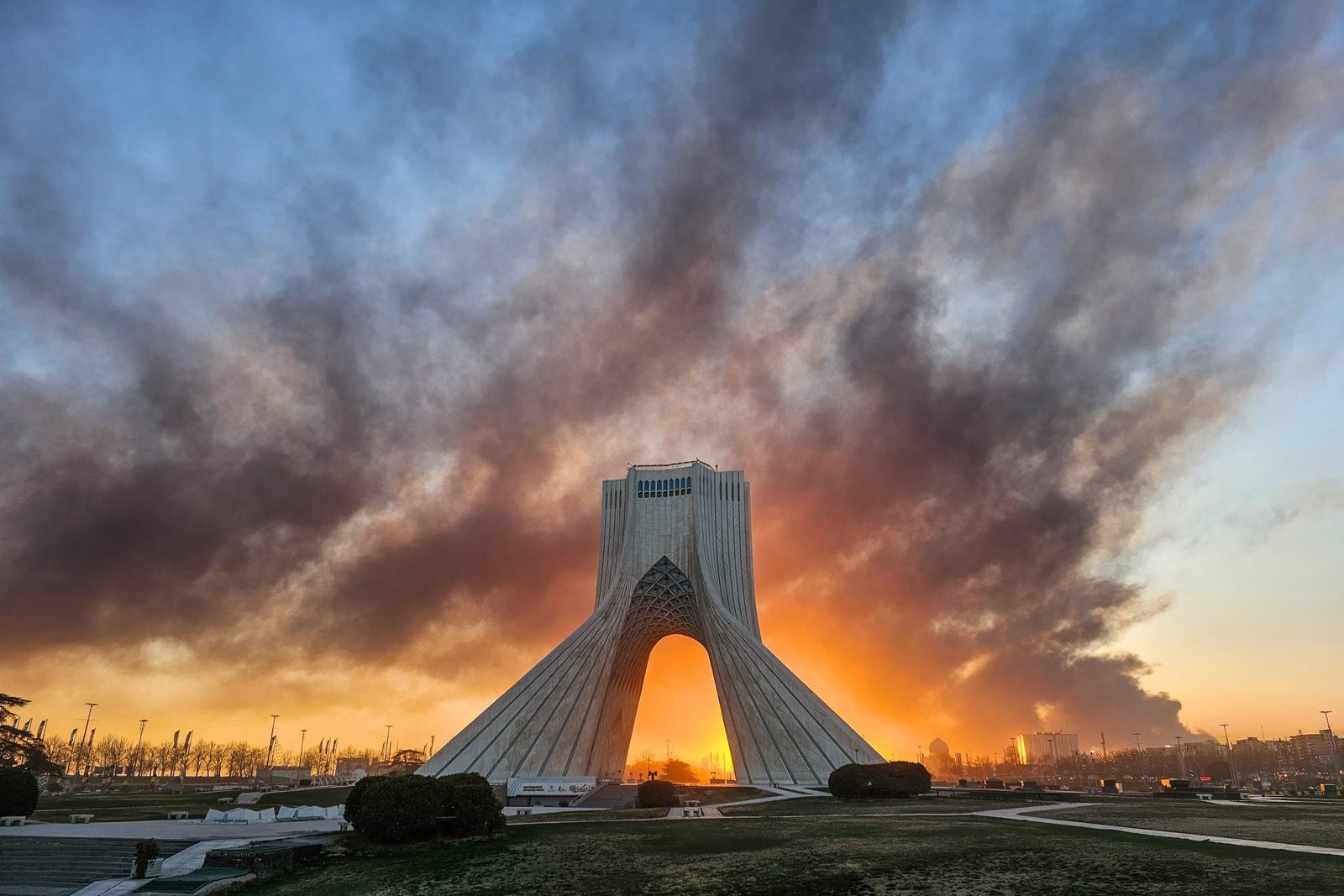
Iran’s postwar direction faces a fork between economic integration and continued proxy warfare, with GCC states conditioning any regional reset on hard guarantees of sovereignty and non-interference after devastating conflict.
The diplomatic machinery grinding toward a U.S.-Iran memorandum of understanding opens a rare window into Iran postwar strategy, forcing an immediate reckoning over the Gulf’s most entrenched security red lines. For decades, the Gulf Cooperation Council watched Tehran consolidate influence through armed proxies, ideological networks, and coercive brinkmanship, all while Washington occasionally pursued deals that sidelined regional capitals.
Now, however, the GCC’s direct presence at the negotiating table marks a departure from the 2015 nuclear talks, when consultation came after the fact. Yet this inclusion does little to obscure the central tension: Iran’s postwar posture remains tethered to the very instruments that have destabilized Lebanon, Iraq, Yemen, and Syria. The 12-day war and the subsequent 40-day standoff imposed staggering economic costs on Tehran, yet regime survival is recast as strategic triumph, blurring any clear reading of intent. Gulf states have therefore staked their diplomatic engagement on a hard requirement—verifiable guarantees of non-interference, respect for sovereignty, and a demonstrable break from proxy warfare.
If Iran postwar strategy continues to treat Hezbollah, Iraqi militias, and the Houthis as bargaining chips, it will breach those red lines before any agreement can take root. The immediate question is not whether Washington and Tehran can reach a deal, but whether Iran is willing to exchange a doctrine of asymmetric disruption for a framework of economic integration and mutual security.
GCC Red Lines Become Non-Negotiable
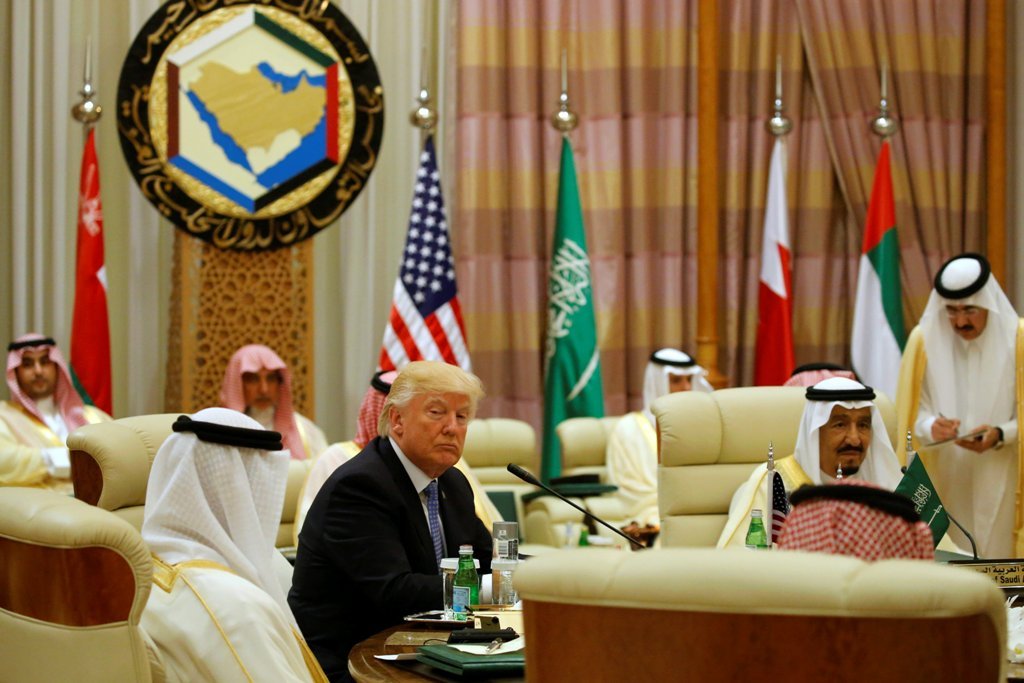
The diplomatic theater surrounding the emerging Memorandum of Understanding between the United States and Iran remains in its opening act. While much remains uncertain, one feature already distinguishes the current process from the negotiations that culminated in the 2015 nuclear agreement: the active participation of the Gulf states. Unlike the earlier round, when regional actors often found themselves informed rather than consulted, the Gulf Cooperation Council (GCC) states have become an integral part of the conversation, with perhaps the greatest stake in how the negotiations and their aftermath unfold.
Can Iran Postwar Strategy Shed Its Proxies?
GCC participation is not symbolic. The Gulf states enter these discussions shaped by decades of experience with Iranian regional policies and their consequences. Successive Iranian governments promoted ideas that extended well beyond conventional state-to-state relations.
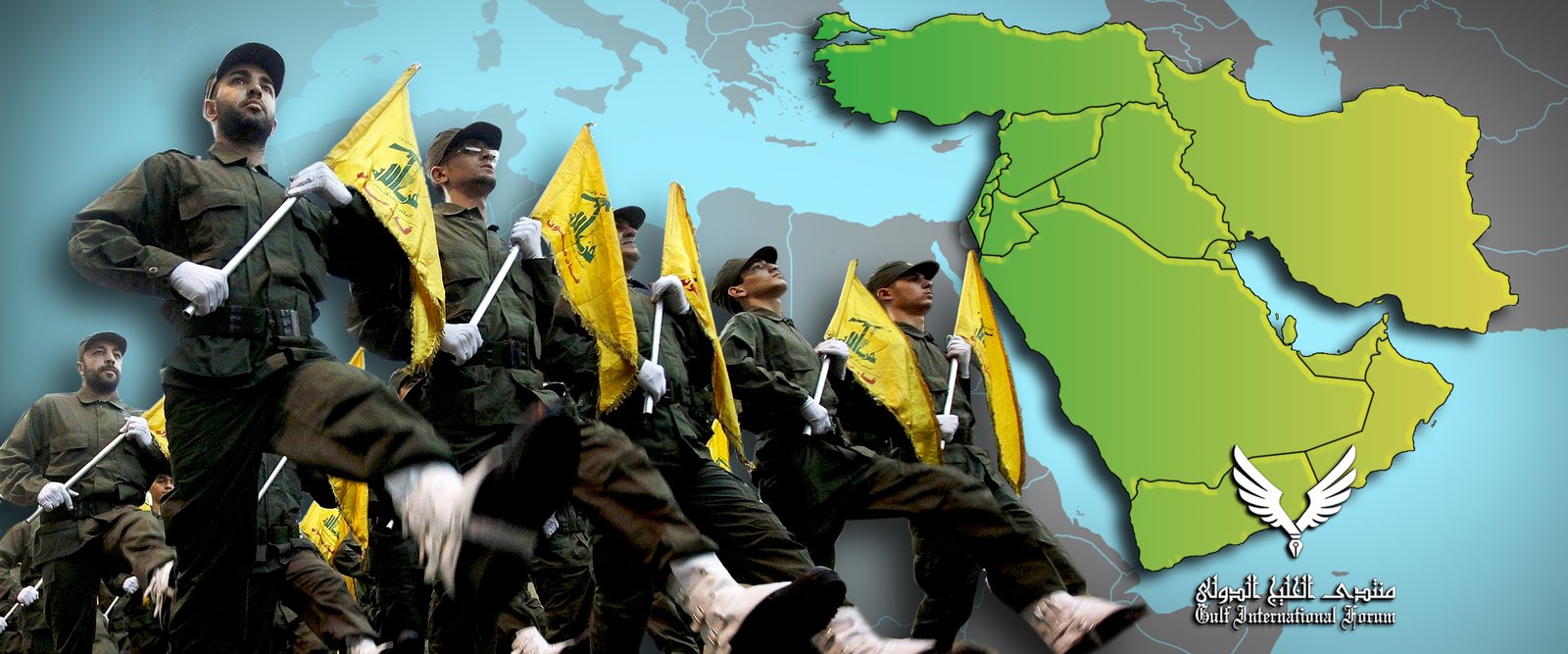
Under the banners of exporting the revolution, supporting the oppressed, and advancing ideological solidarity, Iran cultivated networks of influence across the region. Lebanon witnessed the rise of Hezbollah as a powerful instrument of Iranian power. Iraq became an arena of competing loyalties, where Iranian-backed militias emerged among the state’s most powerful political and security actors. Yemen descended into prolonged conflict through the expansion of the Houthi movement, while Syria served for years as another theater through which Iran projected regional influence under the Assad regime.
The cumulative effect of this strategy has been recurring crises, weakened institutions, delayed development, and deepened mistrust between Iran and its neighbors. As states responded to the expansion of Iranian influence networks and the security challenges they created, significant resources were diverted towards security priorities rather than domestic needs such as education, technological development, and economic diversification.
War’s Financial Blow Hits Tehran Hard
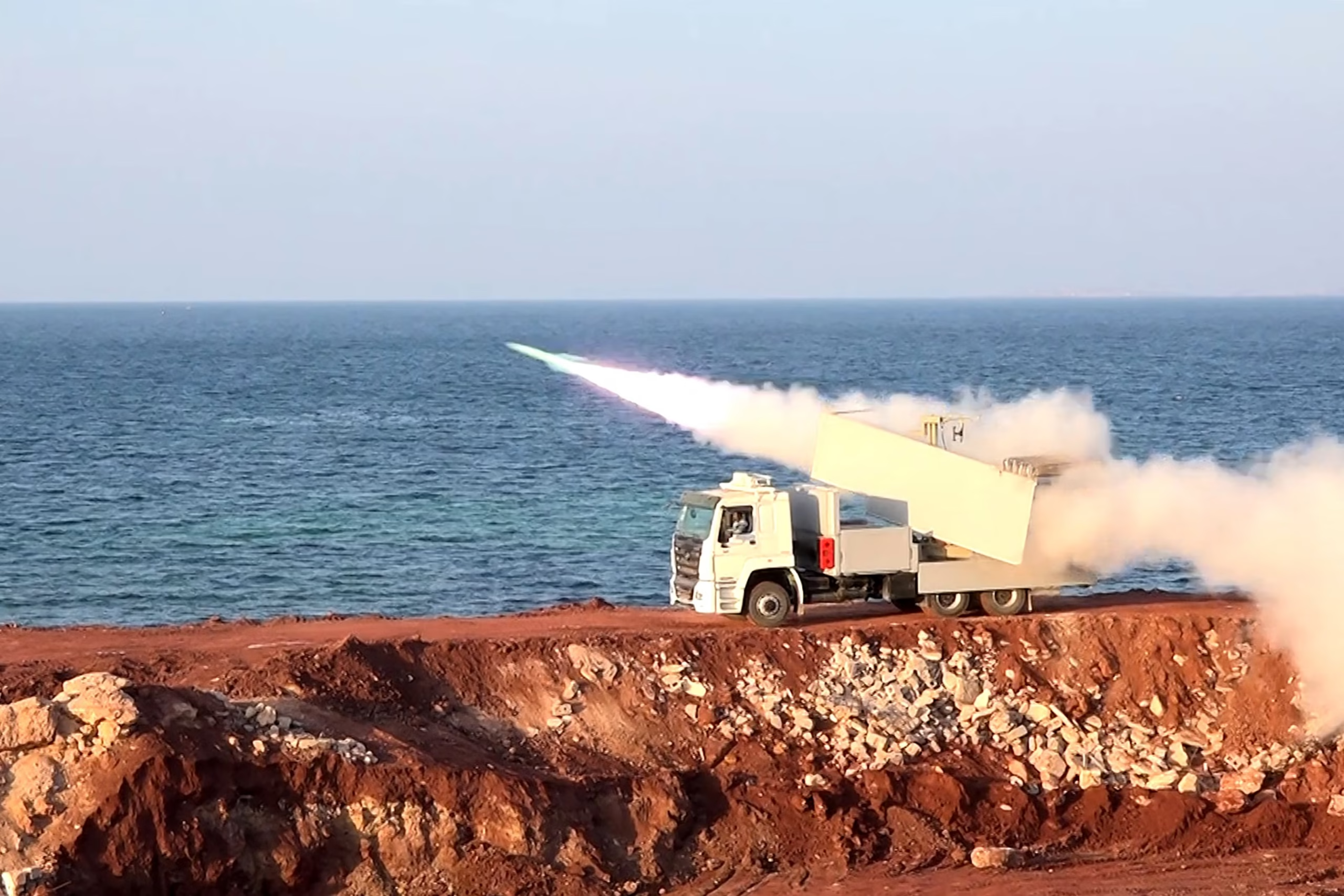
Recent military confrontations have further complicated the picture. The 12-Day war, followed by a longer period of tension and military engagement lasting roughly 40 days, imposed substantial costs on all participants. Estimates regarding financial losses vary considerably, but few observers dispute that the economic burden on Iran has been severe. Infrastructure damage, investment uncertainty, pressure on public finances, and the ongoing erosion of economic confidence have all compounded Tehran’s existing structural challenges.
Regime Survival Masks Strategic Defeat
Yet politics rarely follow the arithmetic of material losses. Tehran continues to present its performance as evidence of resilience and success. At the same time, many commentators in Western media argue that Washington failed to achieve all of its strategic objectives. Such contradictory claims are hardly unusual. Throughout modern Middle Eastern history, governments operating under highly centralized political systems have often defined victory not by achieving ambitious goals but by preserving the regime itself. The more important question concerns the future. What comes next?
Mutual Deterrence Locks Both Sides In
One conclusion appears increasingly difficult to dismiss: the United States and Iran have tested one another’s capabilities under real conditions, gaining a clearer understanding of each other’s strengths and limitations. The United States has demonstrated its ability to defend its Gulf partners and intercept large-scale Iranian missile and drone attacks at high rates, but sustaining this posture has proven extremely costly. Iran, meanwhile, has demonstrated that it retains significant leverage through its ability to threaten the Strait of Hormuz and disrupt global energy markets, though this has come alongside substantial damage to domestic infrastructure and losses among senior leadership figures. The reality is clear: neither Washington nor Tehran possesses a realistic path to an overwhelming and decisive victory.
Iran Postwar Strategy Tests Gulf Patience
This situation leaves Iran facing an important choice about how it should pursue its interests in the post-war period. One path involves gradual adaptation. Many pragmatic voices within Iran argue that the country’s long-term interests would be best served through economic recovery, regional integration, and a reduction in ideological confrontation. Such an approach would not require abandoning Iranian identity or national ambitions. Rather, it would involve redefining influence through commerce, diplomacy, technological development, and international engagement.
The alternative path is continuity. Under this scenario, hard-line forces would retain the upper hand and use recent events to justify maintaining existing doctrines. Support for proxy groups would continue to be viewed as a strategic asset, and regional influence would remain linked to networks that operate outside conventional state institutions. Negotiations with the United States would proceed, but fundamental assumptions guiding Iranian policy would remain largely unchanged.
Tehran’s Choice Decides the Middle East
For the Gulf states, one reality has become increasingly clear: the political model that Iran has promoted across much of the region over the past half-century does not align with the direction pursued by the GCC. Gulf visions are centered on economic transformation, global connectivity, technological advancement, institutional development, and openness to international investment. The region’s influence is therefore measured through economic performance and its ability to maintain strong diplomatic partnerships.
This does not imply an inevitable conflict between Iran and its Gulf neighbors. On the contrary, Gulf states have repeatedly sought to maintain positive relations with Tehran, recognizing that a stable and constructive partnership would best serve regional stability.
At the same time, years of diplomatic engagement and efforts to manage regional tensions have been set back as Iran has brutally attacked the GCC states throughout the war. While Iran–GCC relations will not return to their pre-war state, the new U.S.–Iran Memorandum of Understanding could provide an opportunity to reduce tensions and establish a more stable regional environment.
For the Gulf states, any future relationship, however, will require clear guarantees from Iran. Respect for sovereignty, non-interference in domestic affairs, adherence to international law, and the abandonment of proxy politics are not optional details; they are the foundation of any lasting regional order.
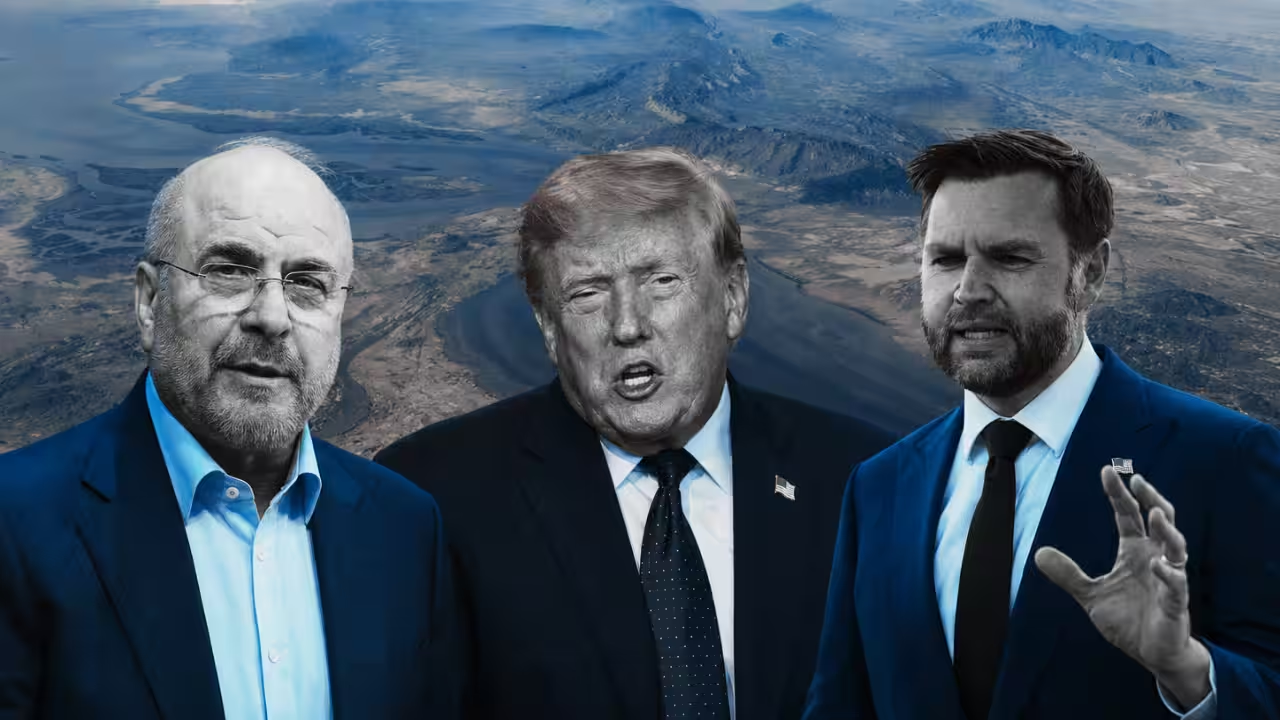
However, signals from Tehran suggest that these guarantees will be difficult to achieve. Continued discussion of retaining armed partners in Lebanon, Iraq, and elsewhere as bargaining instruments indicates that Iran’s approach to regional influence may not fundamentally change. This posture not only remains incompatible with Gulf hopes for regional order, but it will also complicate the long-term success of any diplomatic agreement with Washington. The essential question therefore remains unresolved: Is Iran prepared to join a regional framework based on cooperation, development, and mutual security, or will it continue to invest in structures that have generated decades of tension and instability?
Much remains uncertain about the trajectory of U.S.–Iran negotiations and Iran’s future role in the region. Yet the future of the Gulf and the broader Middle East will depend on whether Tehran chooses to adapt its regional strategy or maintain an approach that has contributed to decades of regional instability.