
Deadlock leaves Netanyahu’s caretaker coalition holding war powers. Europe can deny bases for Iran strikes, press Trump on Gaza ceasefire aid, prepare wider sanctions, and signal a reset if Palestinian parties join government, but must act before escalation becomes fait accompli.
The dangers of deadlock
Israel’s election has left its politics deadlocked. According to preliminary results, neither bloc has a majority of 61. Prime minister Binyamin Netanyahu’s bloc is ahead with 53 seats, Gadi Eisenkot’s Zionist opposition is on 48 while the Palestinian citizen parties—Ra’am and the Joint List—have a historic 19 seats. To govern, Eisenkot would need the support of both Palestinian citizen parties, not just Ra’am. But Netanyahu is intent on delegitimising them and among the opposition, only the Democrats’ Yair Golan has made the case for a deal. Otherwise, all roads lead back to Netanyahu—through a national unity government or fresh elections in 2027, which may be more favourable to the prime minister.
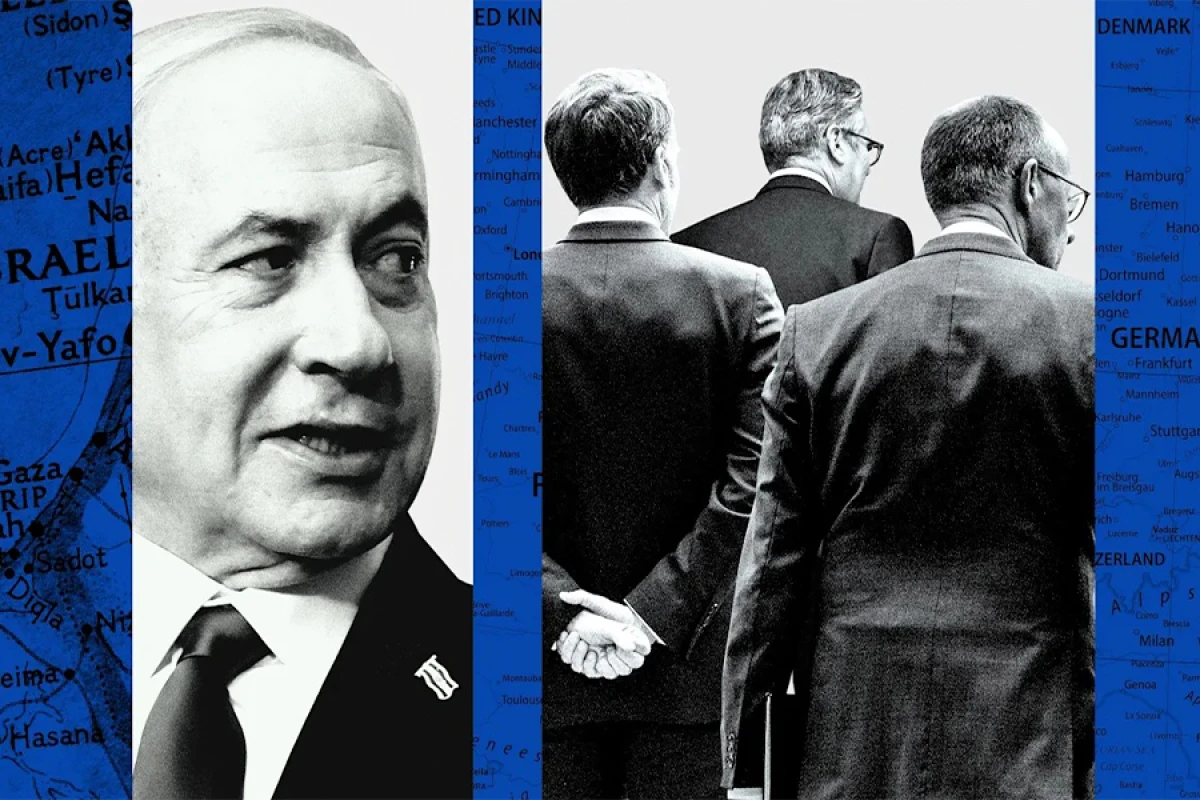
Caretaker Netanyahu Keeps War Option
Meanwhile, Netanyahu’s far-right coalition stays on as a caretaker government, retaining the power to wage war. Netanyahu may renew strikes on Iran with Donald Trump after the US midterm elections. He probably hopes to force the opposition into a unity government in the name of security and rally his base in case of fresh elections. The new Knesset would have no power to stop a war. If Trump refuses, Netanyahu could ramp up his military campaign in the West Bank.
Deploy European leverage now
Europeans may be tempted to wait for a new government, but whoever leads it is unlikely to reverse Israel’s illiberal turn. Europeans should act now to constrain Netanyahu, working with Washington and Arab partners, but using their own leverage rather than only relying on the mercurial US president. They should:
Oppose regional escalation: Building on the E4+R4 meeting in Istanbul, Europeans should publicly join Arab partners in opposing a new war with Iran. Capitals with the best access to Trump should warn him that Israeli escalation against Iran or in the West Bank would threaten gains in Gaza and Lebanon and thwart his vision for Israel’s regional integration. Unless Washington demonstrates an imminent threat, Europeans should deny the use of their bases for strikes.
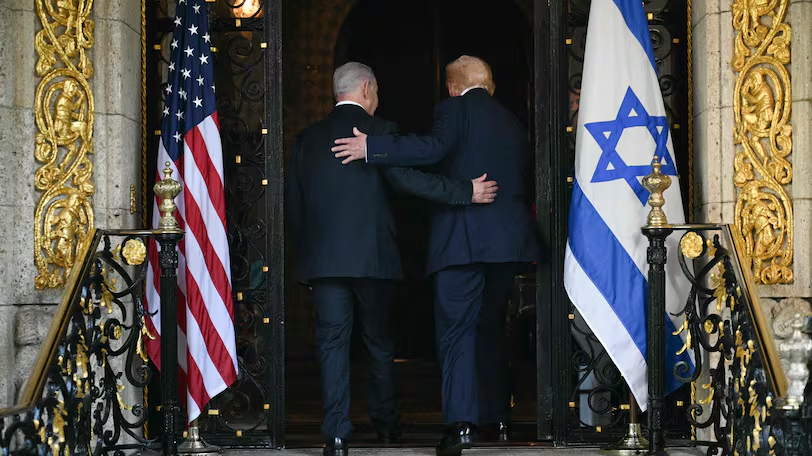
Press Trump on Gaza Ceasefire
Push on Gaza: With election campaigning over, Europeans should encourage Trump to cash in on his endorsement of Netanyahu. Trump should press Netanyahu’s caretaker government to implement its ceasefire obligations, including lifting restrictions on humanitarian aid. Europeans have offered almost €900m for Gaza’s recovery under the UN-endorsed plan and could step up technical support for policing, governance and the decommissioning of Hamas’s weapons.
Maintain European pressure: Europeans should continue to advance existing measures, like those against settlement entities. They should also prepare wider measures in response to escalation by the caretaker government. Europeans should signal that, conversely, the next government’s inclusion of Palestinian citizen parties and return to diplomacy could allow for a reset in bilateral relations and unlock regional normalisation.
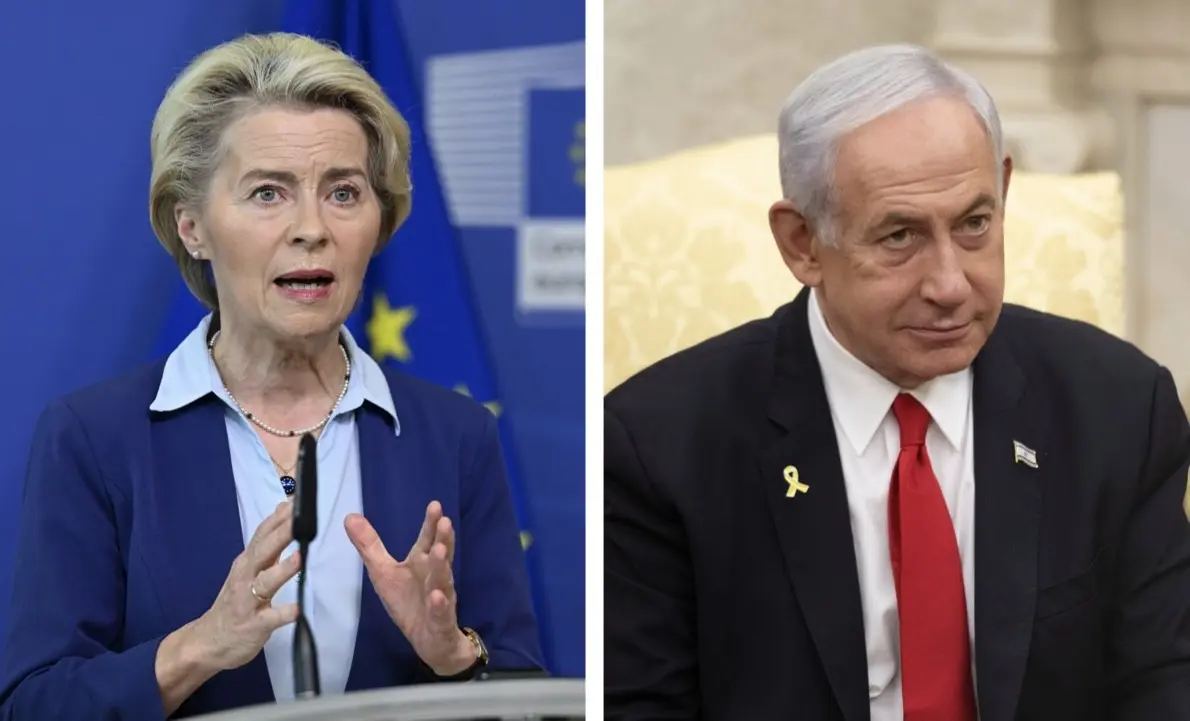
Caretaker Netanyahu’s Illiberal Israel
Israel’s deadlock masks a deeper ideological shift. Israeli Jews are more divided over Netanyahu than over his policies. The Jewish opposition is mainly right-wing and centrist, the left is diminished and Palestinian citizen parties are excluded from government. As ECFR’s “The Ideas of Israel” shows, illiberal and ethno-nationalist ideas have gone mainstream, and the opposition has largely embraced Netanyahu’s hawkish post-October 7th security doctrine. Whoever emerges as prime minister, Europe faces an illiberal Israel whose reliance on force will collide with European interests.