
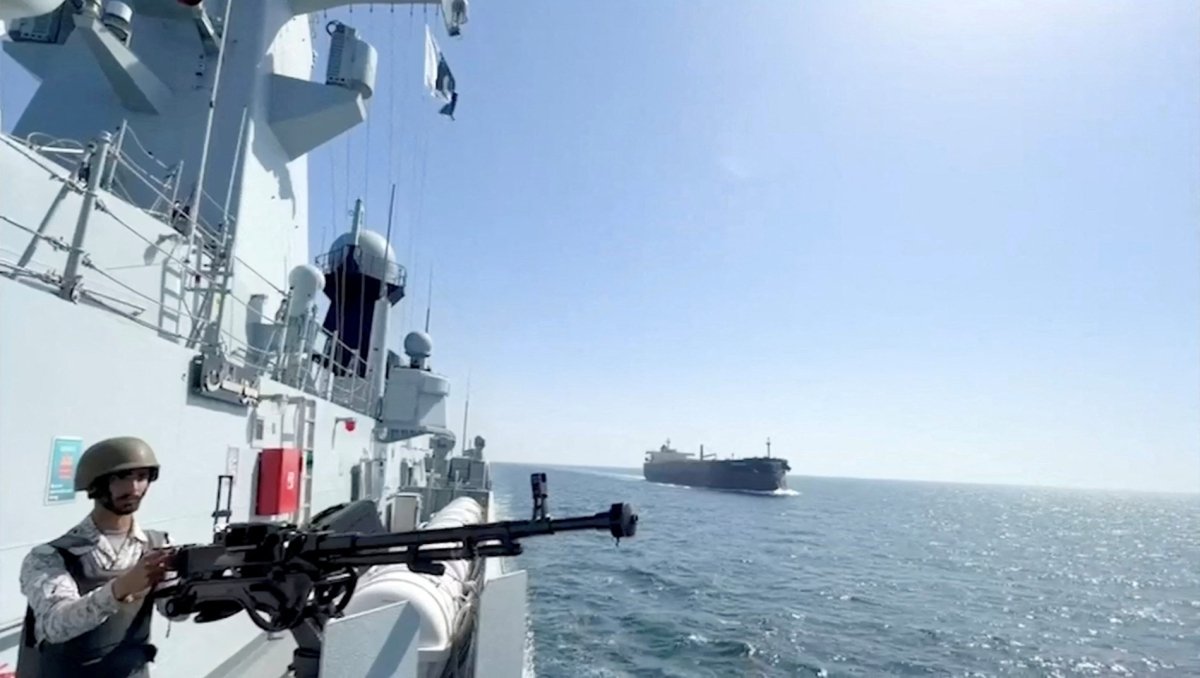
Pakistan’s warning to Houthis over Red Sea shipping signals a shift from mediator to security actor, driven by Saudi alliance, energy security, and capacity assessments, while Iran constraints complicate its role.
The strategic recalibration of Pakistan Red Sea policy ruptures decades of deliberate neutrality, propelling it from cautious mediator to assertive security actor amid escalating Houthi maritime threats, renewed US-Iran tensions, and Saudi Arabia’s urgent need to safeguard its Red Sea export lifelines as Bab al-Mandab Strait emerges as a critical chokepoint. Islamabad’s starkly worded warning and private signals of force deployment reveal strategic ambiguity collapsing into explicit alignment with Riyadh.
The pivot is inextricably linked to economic survival—oil supply disruptions directly threaten Pakistan’s fragile economy, and Gulf financial support remains vital—while simultaneously entangling it in a delicate balancing act with Iran, which perceives Sunni-aligned security cooperation as a direct challenge. Assessments of military capacity, though expressing doctrinal readiness, introduce additional complexity as independent analysts question whether Pakistan can sustain a multi-front commitment without eroding its eastern deterrence posture against India. The convergence of these security imperatives, alliance expectations, economic necessity, and regional rivalries rapidly narrows Islamabad’s maneuvering space. Ultimately, this Pakistan Red Sea policy shift marks not a diplomatic adjustment but a structural realignment with far-reaching consequences for Middle Eastern security architecture.
Pakistan Red Sea policy leaves neutrality behind
Pakistan’s latest warning over threats to Red Sea shipping is more than a routine diplomatic statement—it signals the possible end of Islamabad’s long-standing strategic ambiguity in Middle Eastern conflicts.
In a sharply worded declaration last Wednesday, Pakistan condemned Yemen’s Iran-aligned Houthi movement for threatening Saudi Arabia and commercial maritime activity, warning that Islamabad “reserves the right to self-defence” should its maritime interests be targeted. The Foreign Office described such threats as “unacceptable” and in violation of international law, underscoring a rare willingness to publicly draw red lines in an increasingly volatile theatre.
The statement followed the Houthis’ announcement of an immediate maritime embargo on Saudi Arabia—a move that, if enforced, could disrupt access to Red Sea ports that have become critical for Saudi oil exports as renewed US-Iran tensions constrain traffic through the Strait of Hormuz. Together, these developments are rapidly transforming the Red Sea from a peripheral arena into a central front in the broader Middle Eastern security crisis.
For Pakistan, the implications are profound
For much of the past decade, Islamabad has sought to position itself as a neutral intermediary in Middle Eastern rivalries—maintaining working relations with Iran while deepening security and economic ties with Saudi Arabia and other Gulf states. However, that balancing act is now under unprecedented strain.
As Houthi threats to shipping intensify, policymakers in Washington and the Gulf are quietly exploring whether Pakistan can play a more active role in safeguarding maritime routes through the Bab al-Mandab Strait—one of the world’s most critical energy chokepoints. Discussions have reportedly included intelligence-sharing, naval coordination, and logistical support for protecting commercial shipping lanes. Pakistan’s latest statement suggests that Islamabad itself may be recalibrating its posture.
“The language is significant,” said Brigadier (R) Mohammad Mehboob, a senior Islamabad-based security analyst. “It reflects not just concern, but preparedness. Pakistan is signalling that it is willing to defend its interests—and those of its partners—if required.”
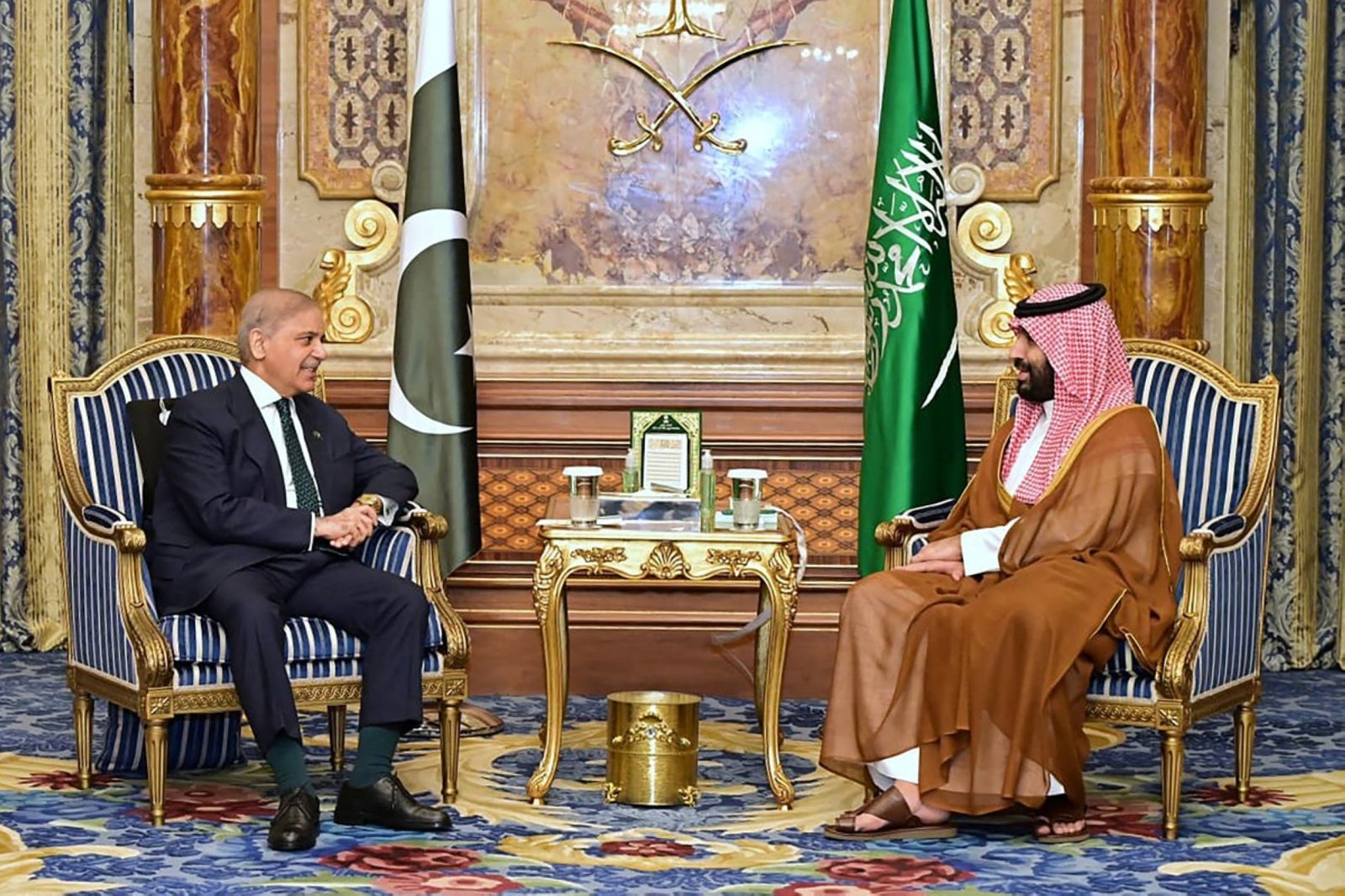
At the centre of this recalibration lies Saudi Arabia
For Pakistan, Saudi Arabia is not merely a strategic partner—it is often described by officials as a “brotherly nation,” a relationship rooted in decades of military cooperation, economic support, and political alignment. Any sustained threat to Saudi economic lifelines, particularly its energy exports, carries direct implications for Pakistan’s own economic stability and regional standing.
Diplomatic and military officials in Islamabad privately acknowledge that threats to Saudi Arabia’s maritime routes are increasingly being viewed through a broader security lens—one that intersects with Pakistan’s own national interests.
“Pakistan cannot remain indifferent if the economic arteries of its closest regional partner are targeted,” Mehbood added. “There is a threshold beyond which neutrality becomes untenable.”
That threshold, some analysts argue, may be approaching.
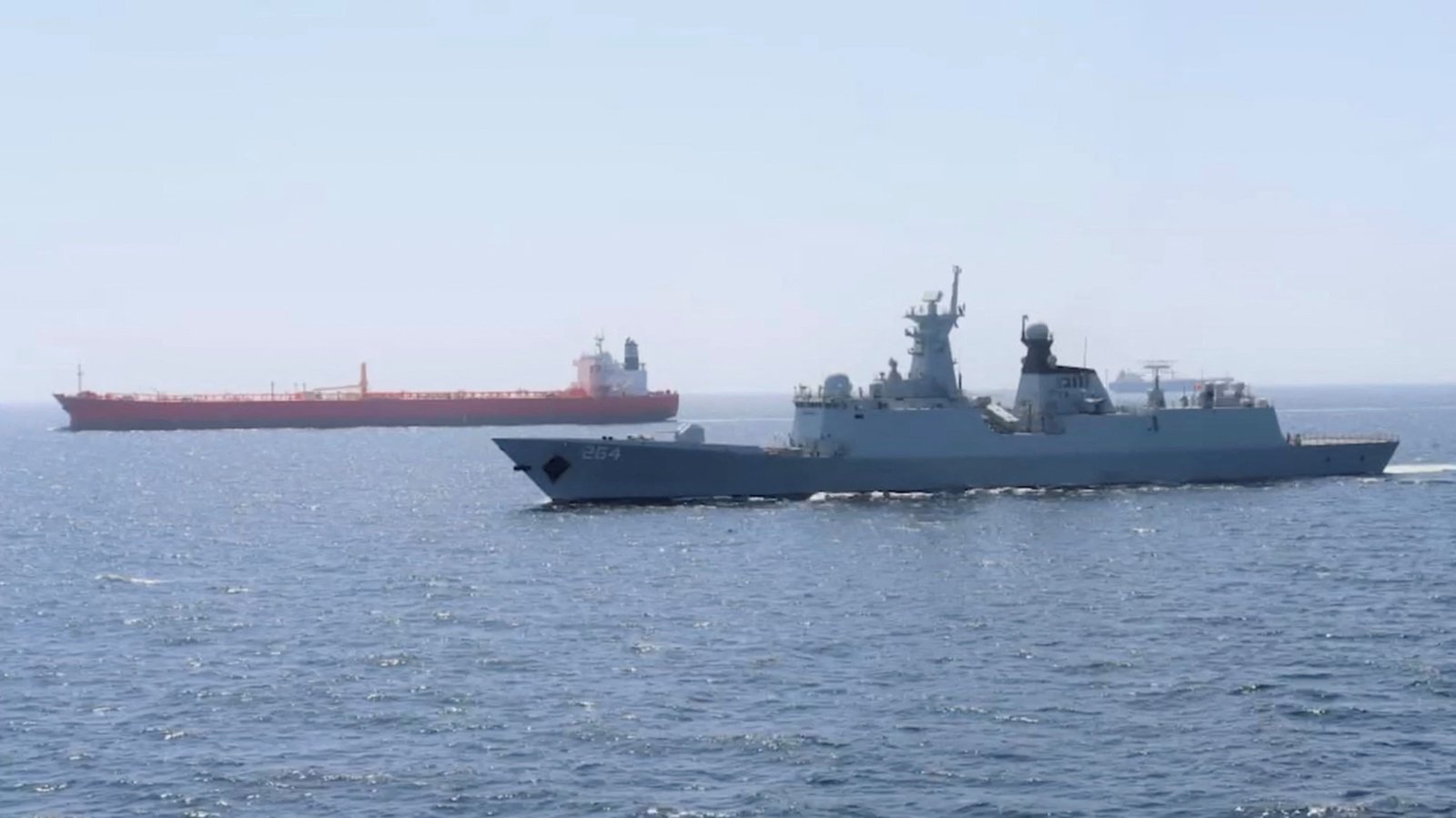
A Question of Military Capacity
Any discussion of Islamabad’s potential role in the Red Sea will boil down to military capacity. Pakistani military planners have long asserted that they have developed the doctrinal and operational ability to manage multiple theatres simultaneously—from high-intensity conventional deterrence along the Indian border to sustained counter-terrorism operations along the Afghan frontier. If true, Pakistan could potentially engage in maritime security efforts further afield, without compromising its eastern deterrence posture against India.
Independent analysts, however, offer a more cautious assessment.“Pakistan’s military is highly capable and can launch decisive operations against the Houthis. Its forces are already engaged on multiple fronts domestically, yet they retain the resolve, expertise, and resources to eliminate threats against Saudi Arabia,” said Islamabad-based defence and strategic affairs analyst Mustansar Abbas.
“Any external deployment—particularly in a complex maritime environment like the Red Sea—would require careful prioritisation and political clarity about objectives. However, Pakistan may go to any length when it comes to threats against Saudi Arabia,” added Abbas, who is also a lecturer of Defence and Strategic Studies at Bahria University.
Pakistan’s military credibility has been reinforced in recent years, particularly following its performance during the 2025 crisis with India. While competing narratives persist regarding the outcome, the episode contributed to a perception among regional partners that Pakistan remains a disciplined and responsive military actor.
This perception is shaping expectations in the Gulf.
Iran Constrains the Pivot
If Saudi Arabia represents opportunity, Iran represents constraint. Pakistan shares a long and sensitive border with Iran, along with overlapping security concerns ranging from cross-border militancy to sectarian tensions. Tehran has historically viewed the expansion of Sunni-aligned military cooperation in the Gulf with suspicion—particularly when linked, directly or indirectly, to US-backed security frameworks.
This tension was evident during the recent visit of Iranian Interior Minister Eskandar Momeni to Islamabad, where he held high-level talks with Prime Minister Shehbaz Sharif and Army Chief Field Marshal Asim Munir. While official statements emphasised cooperation and de-escalation, the timing of the visit suggested deeper concerns in Tehran about Pakistan’s evolving role.
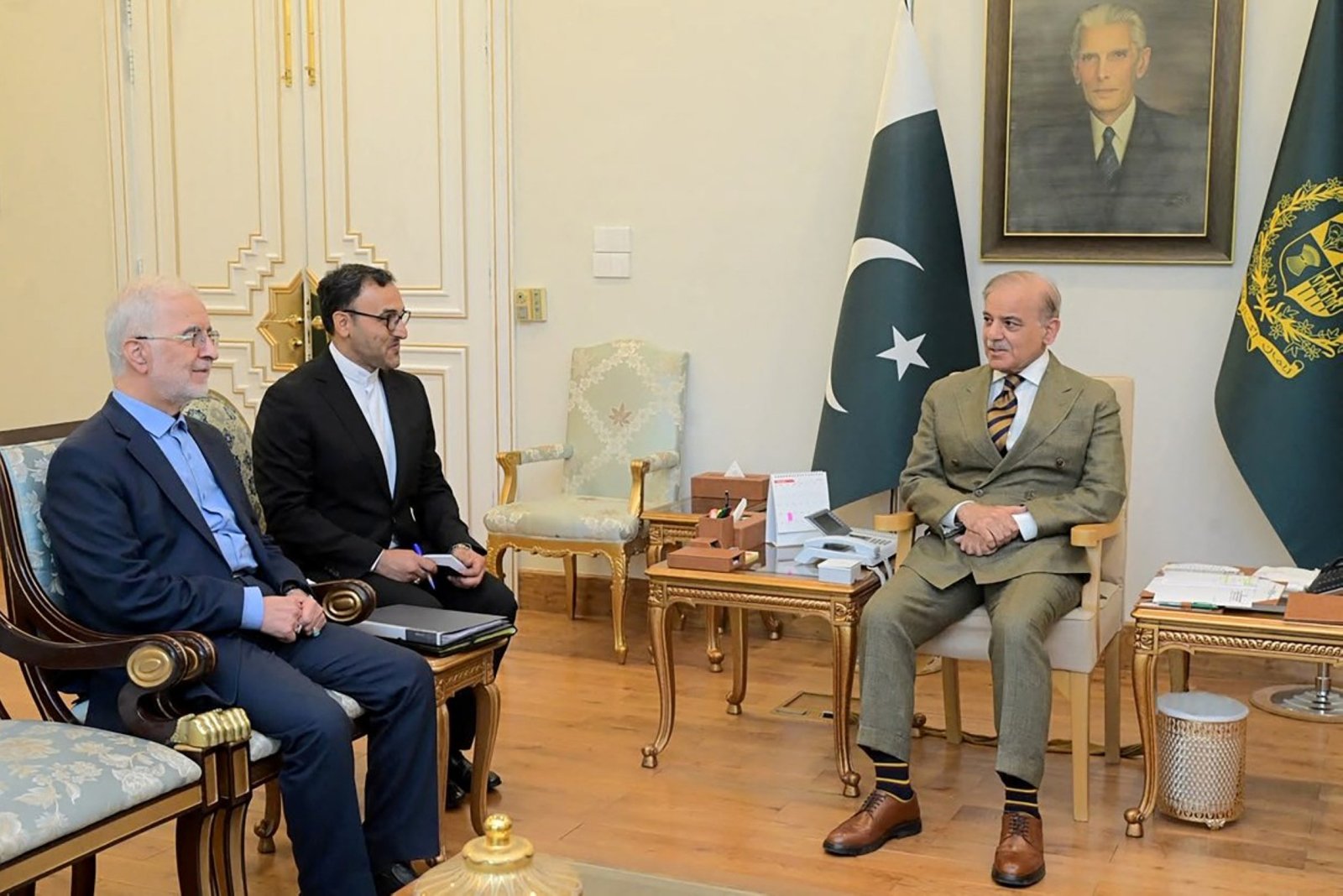
For Islamabad, the challenge is not merely diplomatic—it is structural. Any meaningful participation in Red Sea security arrangements aimed at countering Houthi threats risks being interpreted by Iran as alignment against its regional interests. Even a limited, defensive role could blur the distinction between neutrality and participation in a broader anti-Iran security architecture.
“In theory, Pakistan can define its role narrowly,” said Iftikhar Kazmi, Pakistan’s former diplomat. “In practice, the region does not operate on such neat distinctions. However, Pakistan has the ability to protect the interests of Saudi Arabia and must do so.”
Government officials in Islamabad, speaking off the record, indicated that Pakistan may already be leaning decisively toward Riyadh.
“Islamabad has conveyed to Riyadh that it is on standby. A green signal would be enough to deploy forces to Saudi Arabia. Iran and the Houthis are already aware of this. Pakistan’s Prime Minister and Field Marshal Asim Munir have made it clear that Islamabad can go to any length to neutralise any threat to Saudi Arabia,” a senior government official said.
Türkiye, Pakistan, and Bangladesh have also openly signalled support for Saudi Arabia against Houthi threats, reflecting an emerging alignment across key Muslim-majority states. The convergence of Pakistan—a nuclear-armed Muslim power—alongside Türkiye, a modern and militarily capable NATO member, and Bangladesh underscores a broader strategic message: Riyadh is not isolated. Instead, it enjoys backing from influential Muslim-majority states willing to translate political support into security cooperation if required. This alignment also highlights the growing stature of Saudi Crown Prince Mohammed bin Salman across the Islamic world, where his leadership is increasingly viewed as central to regional stability and collective security.
This growing support was reinforced last Friday, when Pakistan Army’s spokesperson reaffirmed Islamabad’s strategic defence alignment with Saudi Arabia amid escalating US-Iran tensions, referencing a 2025 mutual security pact that treats aggression against one as aggression against both.
The spokesperson emphasised Pakistan’s commitment while withholding operational specifics, framing the relationship as deeply institutional across defence and economic domains. Islamabad also endorsed Riyadh’s recent strikes in Iraq as legitimate self-defence under international law, even as it seeks to preserve its parallel role as a mediator in the widening Gulf crisis and associated maritime disruptions.
Energy and Economics Drive the Shift
Beyond geopolitics, Pakistan’s calculus is driven by economic necessity. With its economy under persistent pressure and energy security a recurring vulnerability, Islamabad has strong incentives to support the stability of global oil supply routes. Disruptions at Bab al-Mandab—especially when combined with instability in the Strait of Hormuz—pose direct risks to Pakistan’s economic resilience.
At the same time, Gulf states are actively seeking to diversify their security partnerships, creating opportunities for Pakistan to translate military cooperation into economic and energy benefits. Discussions around expanded defence ties have increasingly included components related to energy access, infrastructure investment, and financial support.
In this sense, Pakistan’s potential role in Red Sea security is not simply a strategic choice—it is part of a broader effort to align foreign policy with economic survival.
The convergence of these factors—security pressure, alliance expectations, economic incentives, and regional rivalries—is rapidly narrowing Pakistan’s room for manoeuvre. And while Islamabad has so far managed to maintain a delicate balance through diplomatic engagement with Iran, support for Gulf security frameworks, and ties with the United States, the expansion of maritime conflict zones—from the Strait of Hormuz to the Red Sea—threatens this juggling act.
Pakistan’s latest statement suggests that it is prioritising its interests with the protection of maritime trade and the security of Saudi Arabia, taking a front seat. The question now is whether those boundaries will translate into action.
Pakistan Red Sea policy demands action
Pakistan now stands at a critical juncture. It can continue to emphasise diplomacy and mediation, seeking to de-escalate tensions while avoiding direct entanglement. Or it can move—gradually or decisively—toward a more active role in regional security, aligning more closely with Gulf partners to protect maritime routes under threat.
Both paths carry risks. Deeper involvement could strain relations with Iran and expose Pakistan to new security challenges. Continued restraint, meanwhile, could test its credibility as a reliable partner at a time when Gulf states are reassessing their security dependencies.
Era of Strategic Ambiguity Ends
What is clear is that the era of strategic ambiguity is ending. As the Red Sea emerges as a new front in Middle Eastern geopolitics, Pakistan is no longer a distant observer—it is becoming a consequential actor, whether it wants to or not.