
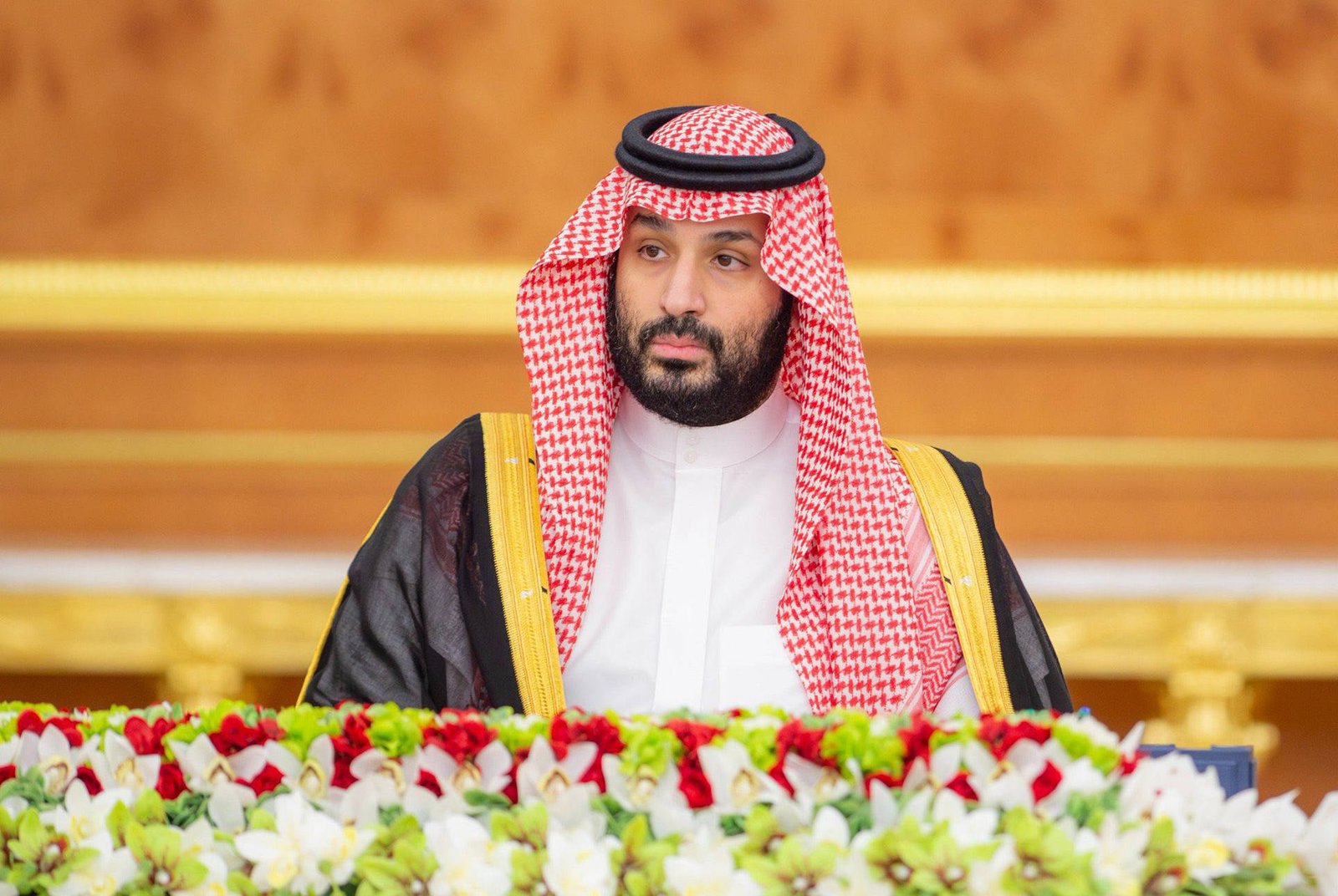
Riyadh has shifted from restraint toward selective military action against Iranian proxies in Iraq and Yemen while forming a Red Sea maritime coalition, sustaining dialogue with Tehran but risking wider escalation.
Saudi assertiveness has entered a more dangerous phase as Riyadh moves beyond diplomatic restraint while still seeking to avoid direct war with Tehran. The kingdom’s recent willingness to strike Houthi targets in Yemen, join American operations against Iraqi militias, and organize a maritime coalition in the Red Sea marks a departure from the de-escalation posture that defined its regional policy since 2021. This shift does not signal an abandonment of détente with Iran, but rather an effort to impose costs on Iranian proxies without crossing the threshold of state-to-state conflict. Riyadh’s logic is clear: dialogue with Tehran remains intact, while military pressure is reserved for non-state actors operating from neighboring territories. Yet the strategy carries substantial risk.
Previous Saudi interventions in Yemen produced no decisive outcome, and the same armed networks have demonstrated high resilience and willingness to escalate. Saudi assertiveness therefore operates inside a narrow strategic window, where the pursuit of deterrence may inadvertently expand the very vulnerabilities it is meant to reduce. The emerging approach combines coalition-building, selective retaliation, and quiet diplomacy, but it remains uncertain whether this posture can be sustained without drawing the kingdom into prolonged attrition. The central question is not whether Riyadh can project force, but whether it can control the escalation spiral that force may trigger.

Saudi Assertiveness Meets Regional Proxies
Saudi Arabia seeks to adhere to its détente with Iran while taking a more resolute stance against the Islamic Republic’s proxies. While maintaining channels of dialogue with Tehran, in recent weeks Riyadh has demonstrated a willingness to employ military force against the Houthis in Yemen and pro-Iranian militias in Iraq, and has even launched a regional security initiative to protect maritime shipping routes in the Red Sea. However, historical experience suggests that Saudi military assertiveness, which the Kingdom has sought to avoid in recent years, not only fails to guarantee a decisive outcome against Iran’s proxies, but risks exposing the kingdom to further escalation and heavy security, political, and economic costs.
Since February 28, 2026, Saudi Arabia has been targeted in a campaign waged by Iran against the Gulf states. Although the United Arab Emirates, Bahrain, and Kuwait sustained more extensive strikes, the Kingdom was also repeatedly targeted by missile and drone attacks. Despite this, Riyadh’s response remained restrained and measured. It refrained almost entirely from direct confrontation with Iran, limiting its response to harsh condemnations and the expulsion of several lower-ranking Iranian diplomats. Concurrently, it continued to emphasize its desire for a political solution and de-escalation, while repeatedly exerting pressure on the United States to halt planned strikes against Iran.
At the same time, reports emerged suggesting that the kingdom had been involved in economic understandings aimed at reducing Iran’s incentive to escalate the conflict. However, no evidence was made public confirming that Riyadh transferred funds directly to Tehran in exchange for stopping the attacks. Although reports surfaced in recent months regarding strikes in Iran attributed to Saudi Arabia, the kingdom did not claim responsibility for them. The message was clear: Saudi Arabia is not interested in a direct war with Iran.
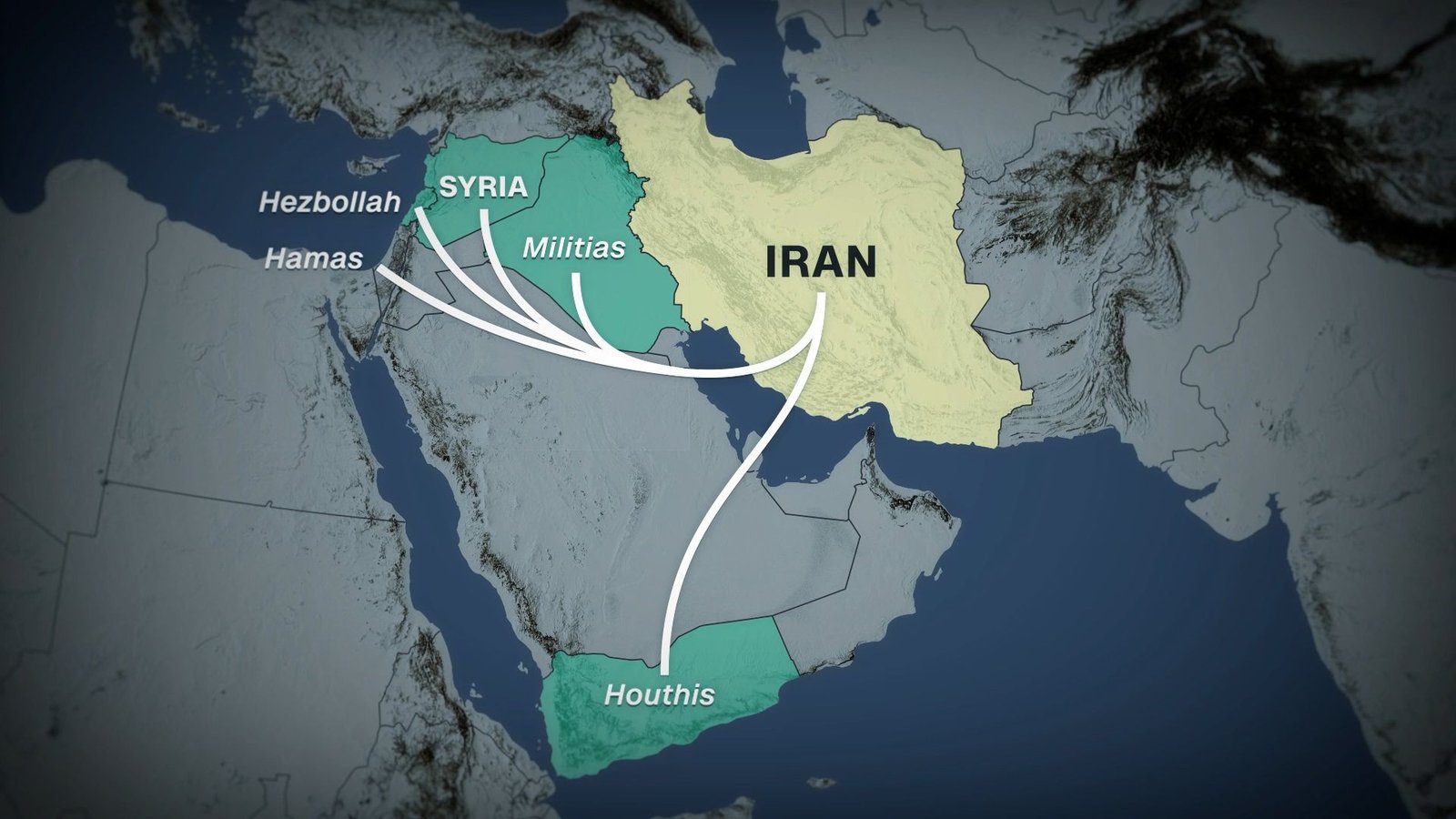
Yet, recent weeks point to a shift in Saudi conduct. Riyadh has not altered its strategic objective—avoiding a direct conflict with Tehran—but it is changing the way it defends itself. Rather than exercising restraint regarding strikes carried out via Iranian proxies in Iraq and Yemen, the kingdom is displaying an increasing readiness to use military force against them. In other words, not war with Iran, but a campaign against its proxies.
From Confrontation to De-escalation
In 2021, Saudi Arabia’s public policy underwent a significant shift: the kingdom abandoned the assertive, confrontational approach that characterized the previous decade—particularly the initial years of Crown Prince Mohammed bin Salman’s tenure—and adopted a policy prioritizing conflict management, de-escalation, and regional stabilization. Concurrently, it continued investing in military force buildup, diversifying its security partnerships, and preserving its strategic relations with the United States, including during the Biden administration.
However, the regional war in 2026 demonstrated that a containment policy does not preclude the use of force. While Saudi Arabia continues to avoid direct confrontation with Iran, it is now prepared to proactively employ force against its proxies—in Yemen, Iraq, and other arenas—whenever it believes they have crossed red lines or are attempting to alter the rules of the game. In this sense, the kingdom has not abandoned its policy of rapprochement; rather, it has shifted toward an approach that combines dialogue with deterrence.
A New Red Sea Coalition
The first expression of this shift is the Saudi initiative to establish a multinational force in the Red Sea, the Bab el-Mandeb Strait, and the Gulf of Aden. The alliance, which has garnered the support of 13 nations including Turkey, Pakistan, Egypt, Jordan, Bahrain, Qatar, and Kuwait, is primarily intended to counter the Houthi threat to freedom of navigation. Notably, the United Arab Emirates and Oman have so far refrained from joining the initiative, likely due to regional competition with Saudi Arabia. According to reports, Saudi Arabia will finance the force, and its headquarters are expected to be located within the kingdom.
At present, this initiative remains no more than a declaration of intent, nor is it Riyadh’s first attempt to establish such an alliance; a previous effort to create the “Red Sea States Council” (2020) failed to mature due to rivalry and divergences among member states, particularly between Riyadh and Cairo. The alliance’s charter has yet to be signed, its organizational structure remains undefined, and many countries are waiting to see whether, and how, the United States will support the initiative. Nevertheless, the initiative itself signals a conceptual shift: Saudi Arabia is no longer content with passive defense, but rather seeks to lead a military coalition capable of taking action against the Houthis if necessary.
The establishment of the new multinational maritime coalition marks a desire to shed the image of a state dependent on external protection and transition into an actor seeking to shape its own strategic environment. The decision to locate the coalition’s headquarters in Saudi Arabia, together with the kingdom’s leadership of the initiative, reflects its ambition to establish itself as the principal security actor in the Red Sea and the Bab el-Mandeb Strait. Simultaneously, emphasizing the coalition’s defensive nature and stating that it is not directed against any specific state are intended to mitigate the risk of escalation with Iran, even though it is clear that the principal impetus for its creation was the Houthi threat to maritime shipping.
Beyond its operational significance, this move carries political weight. The coalition illustrates how Saudi Arabia is acting to construct regional security mechanisms under its leadership, mobilizing Arab, Muslim, and African states without direct reliance on the United States, which, along with Europe, remains outside the initiative. In doing so, Riyadh is reinforcing its regional standing and signaling its intention to play a central role in shaping the security architecture of the Middle East. However, the ultimate success of the initiative will be measured not by its formal announcement, but by its capacity to generate effective operational cooperation and actively safeguard freedom of navigation against persistent threats in the Red Sea and the Bab el-Mandeb Strait.
Strikes Target Iraqi Militias
This shift in Saudi strategy is also reflected in Riyadh’s decision to participate in joint strikes with the United States against pro-Iranian militias in Iraq, following their launch of drones targeting the kingdom’s oil facilities and infrastructure. For years, Saudi Arabia was careful not to expand the confrontation into the Iraqi arena; this time, however, it chose a military response.
From Riyadh’s perspective, this constitutes an exercise of its right to self-defense. The Saudi strike in Iraq also signals a conceptual shift in how Riyadh defines the responsibilities of the host state. Saudi Arabia is careful to emphasize that its targets were exclusively the pro-Iranian militias, rather than the Iraqi state, its institutions, or its military. In doing so, it seeks to avoid a diplomatic crisis with Baghdad and leave the door open for continued cooperation with the Iraqi government. At the same time, it signals that sovereignty can no longer serve as a shield for armed groups operating from a state’s territory against its neighbors.
Houthi Air Routes Spark Escalation
Concurrently, reports are becoming increasingly frequent regarding Saudi preparations for a broader campaign against the Houthis in Yemen—possibly including a ground operation—while, through Omani mediation, the kingdom is also seeking to reach an agreement that would prevent further escalation.
The concentration of forces, shifts in unit deployment, and efforts to construct an international maritime coalition demonstrate that Riyadh recognizes the battle over the Bab el-Mandeb Strait has become nearly as critical as the struggle over the Strait of Hormuz. Following the Houthi blockade of Saudi shipping and strikes on several tankers and energy infrastructure, the kingdom has come to recognize that if the Strait of Hormuz is blocked from the east while the Bab el-Mandeb is threatened from the west, Saudi Arabia could find itself in an unprecedented strategic predicament.
A principal catalyst for the current escalation was the Houthi effort to reopen a direct flight route between Iran and Sana’a—a move perceived in Riyadh as an Iranian attempt to establish a permanent air corridor into Houthi-controlled territory and impose a new strategic reality in Yemen.
In response, Saudi Arabia struck the Sana’a International Airport in July, marking the start of the current round of hostilities. From Riyadh’s perspective, the operation was not merely an effort to foil a localized threat, but a deliberate attempt to establish clear limits on Iranian entrenchment and prevent Tehran from dictating new rules of the game in both the Yemeni and broader regional arenas.
In this manner, Saudi Arabia seeks to make clear that it is no longer content to rely on containment policy, but will act proactively whenever it identifies developments that could undermine its security interests. At the same time, this development also underscores the limitations of the kingdom’s new assertiveness: every military operation against the Houthis draws Saudi Arabia back into a prolonged conflict in Yemen and exposes it to further escalation and vulnerabilities—precisely the outcome it has sought to prevent in recent years.

Can Saudi Assertiveness Avoid Wider War?
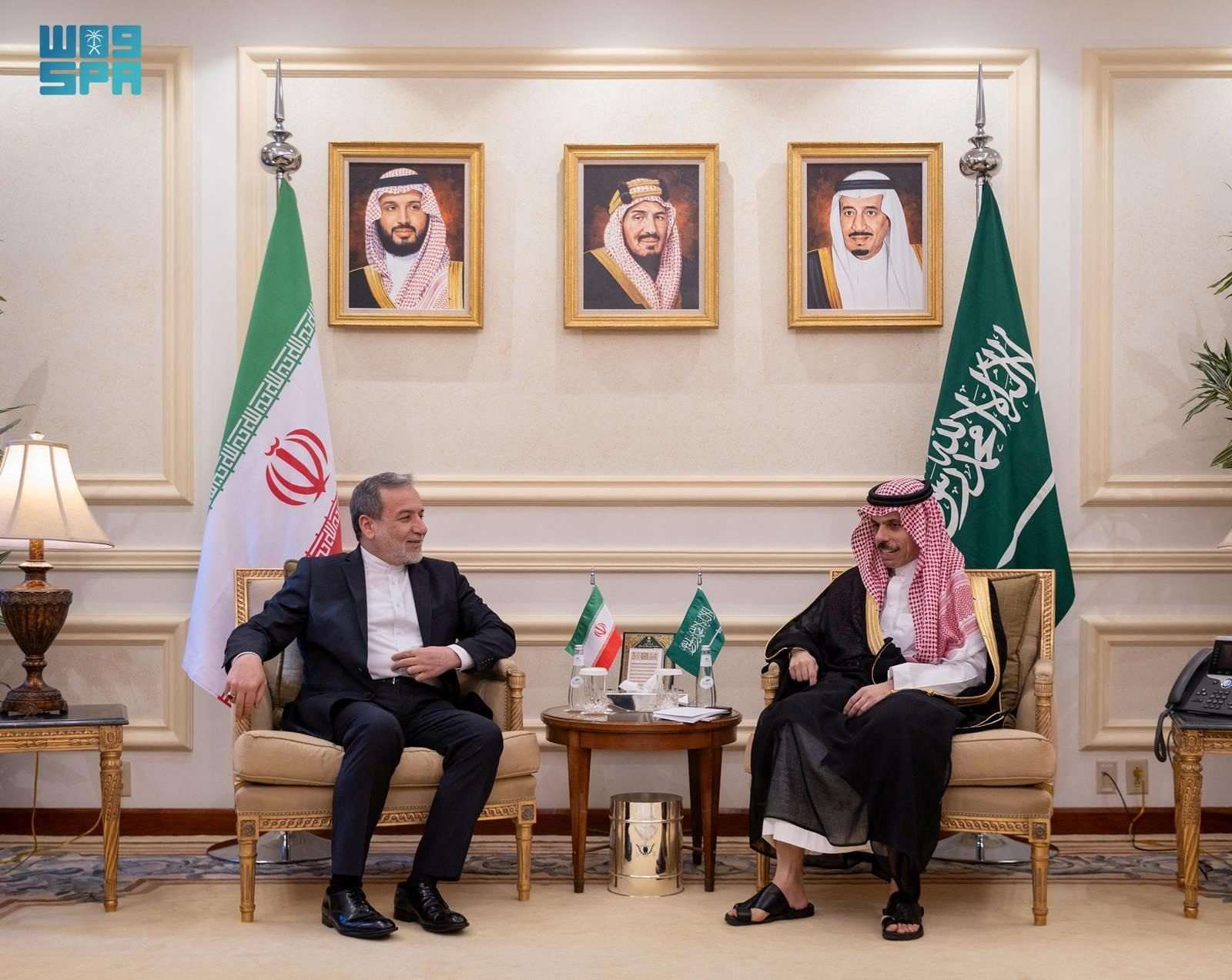
It is premature to determine the extent to which the developments discussed above reflect a structural shift in Saudi Arabia’s policy of détente toward Iran. Even now, the kingdom continues to support Oman’s mediation efforts, refrain from belligerent rhetoric against Tehran, and keep diplomatic channels of communication open. The Saudi distinction is clear: vis-à-vis Iran—dialogue, however difficult and tense; vis-à-vis its proxies—deterrence, and if necessary, military action. From the perspective of the Saudi leadership, these are not contradictory approaches, but complementary ones.
This strategy enables Riyadh to raise the costs of Iranian aggression without being drawn into direct confrontation with Iran itself—a scenario it still seeks to avoid. It also allows the kingdom to project resolve toward its regional partners and Washington without crossing the red lines that could spark a broader regional war. Alongside this, the move carries a broader dimension. For years, Saudi Arabia was perceived as relying almost entirely on the American security umbrella. It now seeks to demonstrate regional leadership, spearhead coalitions, and assume a more active security role. While any significant initiative still requires American backing, Riyadh is signaling its intent to assume greater responsibility for its own security.
That said, Saudi Arabia’s emerging assertiveness should not be interpreted as a harbinger of a swift or decisive victory over Iran’s proxies. On the contrary, past experience warrants caution. For years, Saudi Arabia invested immense resources in the war against the Houthis in Yemen without achieving a decisive outcome, while suffering significant damage to its oil facilities and strategic infrastructure.
Similarly, pro-Iranian militias in Iraq and other arenas have demonstrated high resilience and a willingness to escalate the conflict. Accordingly, the greater Saudi Arabia’s military involvement becomes, the greater the risk of retaliation by Iran’s proxies, an expansion of attacks against the kingdom’s energy infrastructure, ports, and maritime shipping routes, and even a renewed entanglement in the Yemeni quagmire. In this sense, Saudi Arabia’s new assertiveness is an understandable—and, from Israel’s perspective, even desirable—development. It does not, however, guarantee success, and it could exact a very heavy security, economic, and political price from the kingdom.
Moreover, as pressure on Iran’s proxies intensifies, so too will the risk that Tehran chooses to respond—whether through further escalation by its proxies or through more direct measures of its own. In such a scenario, Riyadh could find itself dragged into a far broader conflict than the one it originally sought to manage. The kingdom’s central challenge, therefore, is to establish effective deterrence against Iran’s proxies without crossing the threshold that would trigger direct confrontation with Iran—a scenario that Saudi Arabia still regards as the most dangerous of all.
An additional constraint is economic. Even if Saudi Arabia possesses substantial financial reserves and the capacity to absorb shocks in the short term, the accumulating economic costs of the war could gradually become a strategic limitation. Slowing economic growth and disruptions to export routes could diminish the resources allocated to military force buildup, the protection of critical infrastructure, and the implementation of Vision 2030. As the campaign persists, Riyadh’s capacity to simultaneously address the multiple security threats surrounding it could also be impaired.
What Comes Next for Riyadh
In conclusion, the steps taken by Riyadh may represent nothing more than tactical adjustments imposed by the circumstances of war, rather than the emergence of a new doctrine. The central question is whether Saudi Arabia has indeed shifted from a policy based primarily on dialogue, containment, and de-escalation toward a “hybrid” approach combining diplomacy with the use of force against Iran’s proxies, or whether its actions merely constitute a situational response to an exceptional security environment.
The answer will become clear only over time—particularly if Riyadh continues to pursue this approach after the war, and especially if it proves willing to bear the associated costs. If so, it will be possible to speak of a significant transformation in Saudi security doctrine. If not, the recent events are more likely to be remembered as a temporary departure from the détente policy that the kingdom has pursued in recent years.