
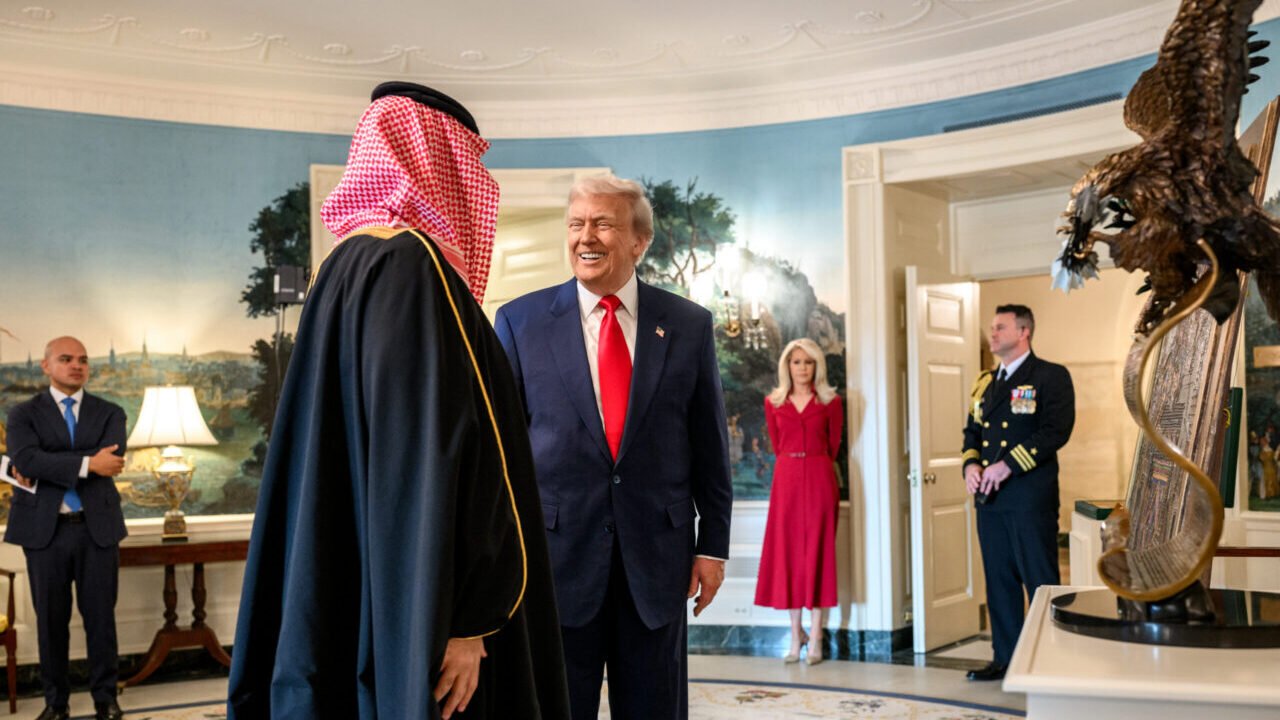
Washington risks breaking its own nonproliferation precedent by allowing Saudi enrichment under a 123 agreement. Riyadh refuses the Additional Protocol and demands equal treatment, while Russia and China may follow the US example.
The proposed US-Saudi nuclear cooperation accord risks dismantling a nonproliferation architecture that Washington spent decades constructing. By authorizing uranium enrichment on Saudi soil, the United States would break its own precedent against transferring the most sensitive fuel-cycle technologies. The Saudi nuclear program, if allowed to include enrichment, would invite Russia and China to offer similar capabilities to their own partners, collapsing the fragile consensus that has limited the spread of weapons-usable material. Even under American operational control, a Saudi enrichment plant introduces risks of espionage, nationalization, or diversion that no inspection regime can fully eliminate.
The current deal reportedly includes a two-year study on building such a facility, a step that would hand Riyadh a technological foothold it has long sought. Saudi Arabia refuses to sign the IAEA Additional Protocol, has declined Washington overflight rights during the Iran campaign, and signed a joint defense agreement with Turkey and Pakistan. These signals counsel caution, not unprecedented nuclear privileges. The Saudi nuclear program must therefore be renegotiated before congressional submission. The better path is reactors, fuel supply, and commercial partnership without enrichment on Saudi territory, preserving the gold standard already accepted by the UAE.
Why Saudi Nuclear Program Breaks Precedent
After years of intense diplomacy in the 1990s, the United States finally persuaded Russia and China to halt further transfers of sensitive uranium enrichment and plutonium reprocessing technologies to states like Iran and Pakistan. These dual-use capabilities can fuel both nuclear weapons and peaceful nuclear reactors. In so doing, Washington built a fragile consensus that they are simply too dangerous to spread.
A generation later, America itself is poised to break that hard-won precedent by authorizing a uranium enrichment plant on Saudi soil. What follows is predictable: Moscow and Beijing, no longer constrained by American example, will begin competing to offer enrichment and reprocessing to prospective customers as sweeteners in their own commercial nuclear deals. The carefully constructed barrier against the spread of nuclear weapons fuel will collapse, and several new states will edge closer to obtaining the bomb.
Enrichment Risks Nationalization and Theft
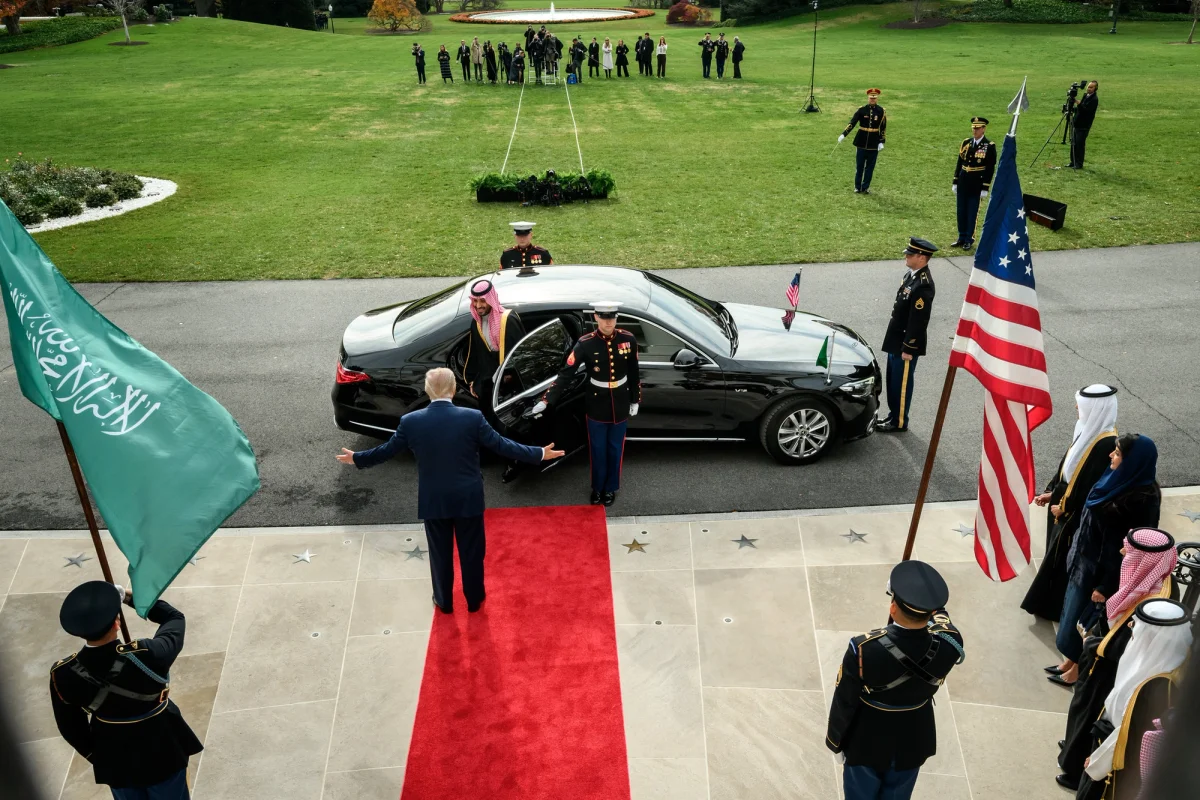
That is the risk reportedly embedded in the current US-Saudi nuclear cooperation accord—a “123 agreement” under Section 123 of the US Atomic Energy Act (AEA), which establishes terms for foreign nuclear cooperation. The agreement or accompanying side deals would reportedly require a two-year joint study to determine whether the United States should build and operate an enrichment plant in Saudi Arabia.
Opening the door to enrichment in the kingdom—even under American operational control—would dismantle several decades of deliberate US policy against the proliferation of sensitive fuel-cycle technologies. President Donald Trump can secure US nonproliferation objectives by renegotiating the deal before submitting it to Congress in September. American companies can still build reactors and supply fuel fabricated in the United States, but enrichment itself should never leave US soil.
Nonproliferation: A Hard-Won Precedent at Risk
Longstanding US nonproliferation policy did not arise by accident. Following the development of the atomic bomb by the United States during World War II, Congress passed the 1946 AEA to preserve a US nuclear monopoly. Section 123 of the 1954 update to the law, which launched the US Atoms for Peace program, allowed transfers of US technologies, facilities, and materials to foreign partners, provided that they guaranteed the assistance would not be used for nuclear weapons purposes.
Then India’s 1974 nuclear test, conducted with material and technology obtained under peaceful-use pretenses, shocked key nuclear supplier states. To tighten export controls, the United States and its allies utilized the framework of the Zangger Committee, formed in 1971 to support the 1970 Nuclear Non-Proliferation Treaty (NPT), and established the Nuclear Suppliers Group (NSG) in 1975. The Zangger Committee’s “trigger list,” finalized in 1974, and the NSG’s guidelines, published in 1978, imposed strict restraints on transfers of enrichment and reprocessing equipment precisely because they sit at the heart of both civilian reactors and nuclear weapons.
The US Nuclear Non-Proliferation Act of 1978 further amended the AEA by mandating stronger nonproliferation criteria for transfers of US nuclear technology, facilities, and materials. 123 agreements must now include, for example, a State Department nonproliferation assessment, advance US consent for a recipient nation seeking to enrich or reprocess, and stricter congressional review.
Successive US administrations reinforced this approach by consistently refusing to share these technologies, even with close allies. The result is that only five non-nuclear weapon states possess enrichment or reprocessing capabilities today—down from six following the US and Israeli elimination of Iran’s capabilities via military force in June 2025. The United States has treated nonproliferation as a strategic imperative, not a commercial inconvenience.
Saudi Nuclear Program Loosens Regional Restraint
Permitting a US-built enrichment plant in Saudi Arabia—even one operated under “black-box” conditions (restrictions on Saudi officials’ access to the underlying technology)—would therefore shatter that precedent.
Should the United States place centrifuges on Saudi territory, the risks of espionage, technology leakage, or eventual seizure become difficult to ignore. It requires little imagination to picture tensions spiking in the Persian Gulf, with Riyadh nationalizing the facility or quietly diverting knowledge to a parallel program—exactly as AQ Khan, the father of Pakistan’s nuclear weapons program, did after acquiring critical expertise at a Dutch enrichment plant in the 1970s.
A future American president could then face an impossible choice: tolerate a new nuclear-threshold state in the world’s most volatile region, or order a military strike on infrastructure the United States itself helped create. Saudi Arabia’s nationalization of the American-owned Aramco oil company in 1980 underscores how contractual safeguards can evaporate when national priorities shift.
With or without technology leakage or nationalization, the US-Saudi precedent alone could be disastrous. Other regional actors—Turkey, Egypt, Qatar, and Oman—would demand equal treatment, as would the United Arab Emirates (UAE), which retains the right to revisit its own commitment in a US-UAE 123 agreement to forgo enrichment and reprocessing if Washington grants the capability elsewhere. The carefully constructed barrier against the spread of fuel-making technology would collapse at the United States’ own hand.
Why a US Presence at Saudi Nuclear Facilities Is Not Enough
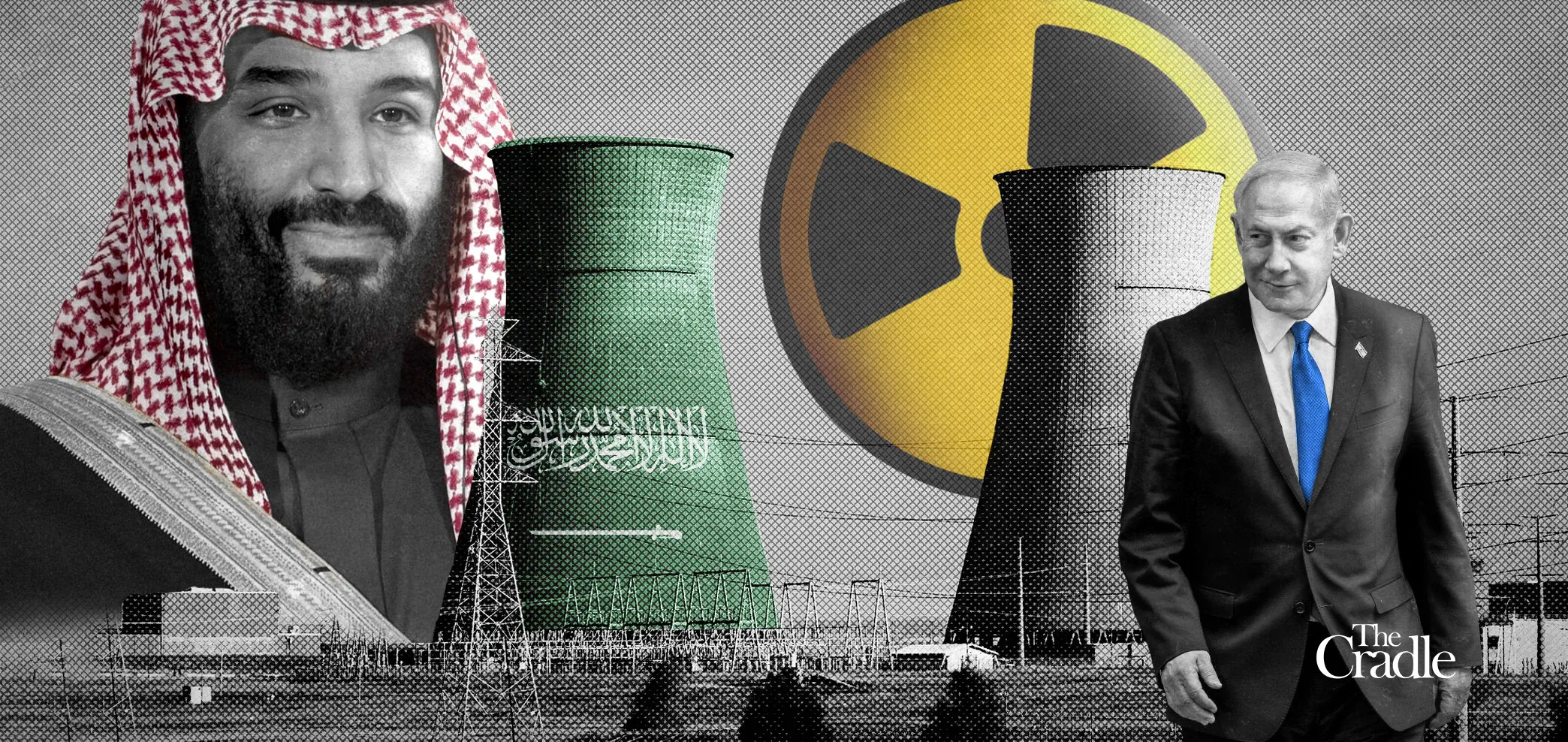
The Trump administration has countered that a bilateral US-Saudi safeguards arrangement with US inspection rights will counter Riyadh’s proliferation temptations. Yet even intrusive inspections have limits without political will.
In the 1970s and 1980s, the United States maintained extensive nuclear inspection rights in Taiwan, including unlimited access to nuclear facilities under a secret bilateral arrangement alongside International Atomic Energy Agency (IAEA) monitoring. Those inspections (backed by robust US espionage efforts) helped detect suspicious reprocessing and nuclear weapons-related work. Yet detection alone was not enough. Only sustained US political and security leverage—threats to cut off military support and nuclear cooperation on which Taipei’s survival depended—ultimately forced the program’s termination.
That degree of leverage may not exist with Saudi Arabia. Crown Prince Mohammed bin Salman publicly threatened in 2018 and again in 2023 that the kingdom would build nuclear weapons if Iran did. If Riyadh is determined to pursue a weapons option, bilateral safeguards—or even an American presence at a plant on its soil—would not guarantee restraint. A concerning indicator is that Saudi Arabia refuses to sign the IAEA’s toughest inspection agreement, the Additional Protocol, which 146 countries have adopted. This grants the IAEA access rights to undeclared, suspect facilities. The envisioned US-Saudi bilateral safeguards agreement is unlikely to extend to such sites.
Saudi Arabia has also not shown itself to be a reliable partner on the broader strategic questions that matter to Washington. Riyadh has declined to join the Abraham Accords and normalize relations with Israel, conditioning this on irreversible progress toward a Palestinian state. Its signing of the Mecca Joint Defence Agreement with Turkey and Pakistan on August 7 further signals a willingness to diversify its security arrangements beyond the US umbrella. It also refused US overflight rights in May during the US military campaign against Iran and a naval escort operation in the Strait of Hormuz—these moves counsel against granting the kingdom unprecedented nuclear privileges that even permanent US allies have never received.
The Strawman of Russian or Chinese Help
Proponents of the US-Saudi deal argue that refusing enrichment will simply drive Saudi Arabia into the arms of Russia or China. This is a strawman. Neither country has offered enrichment or reprocessing technology to Riyadh, and both have exercised notable caution about transferring sensitive fuel-cycle capabilities since the late 1990s—precisely because of the norms Washington worked so hard to establish. Constrained by scrutiny over their earlier assistance to the nuclear programs of Iran and Pakistan, Moscow and Beijing—while undermining Washington in other serious ways—have instead prioritized commercial advantage over creating new fuel-cycle competitors.
Abandoning long-standing US restraint would more likely encourage them to arm their own partners with the same technologies, accelerating global proliferation rather than containing it.
The Better Path: No Enrichment, Robust American Nuclear Assistance
A superior model already exists. In 2009, the United States established the “gold-standard” of US nuclear cooperation agreements with the UAE, which agreed to permanently rule out enrichment and reprocessing while building a robust civilian nuclear power program. Washington should uphold that standard, especially after neutralizing Iran’s enrichment capacity, because maintaining a regional prohibition on new enrichment and reprocessing capabilities is the logical follow-through. Offering Saudi Arabia US-built or US-supported nuclear reactors, fuel-cycle assistance short of enrichment, and reliable fuel supply achieves Riyadh’s energy goals without handing it the means to produce weapons-usable material.
Congress Must Demand the Gold Standard
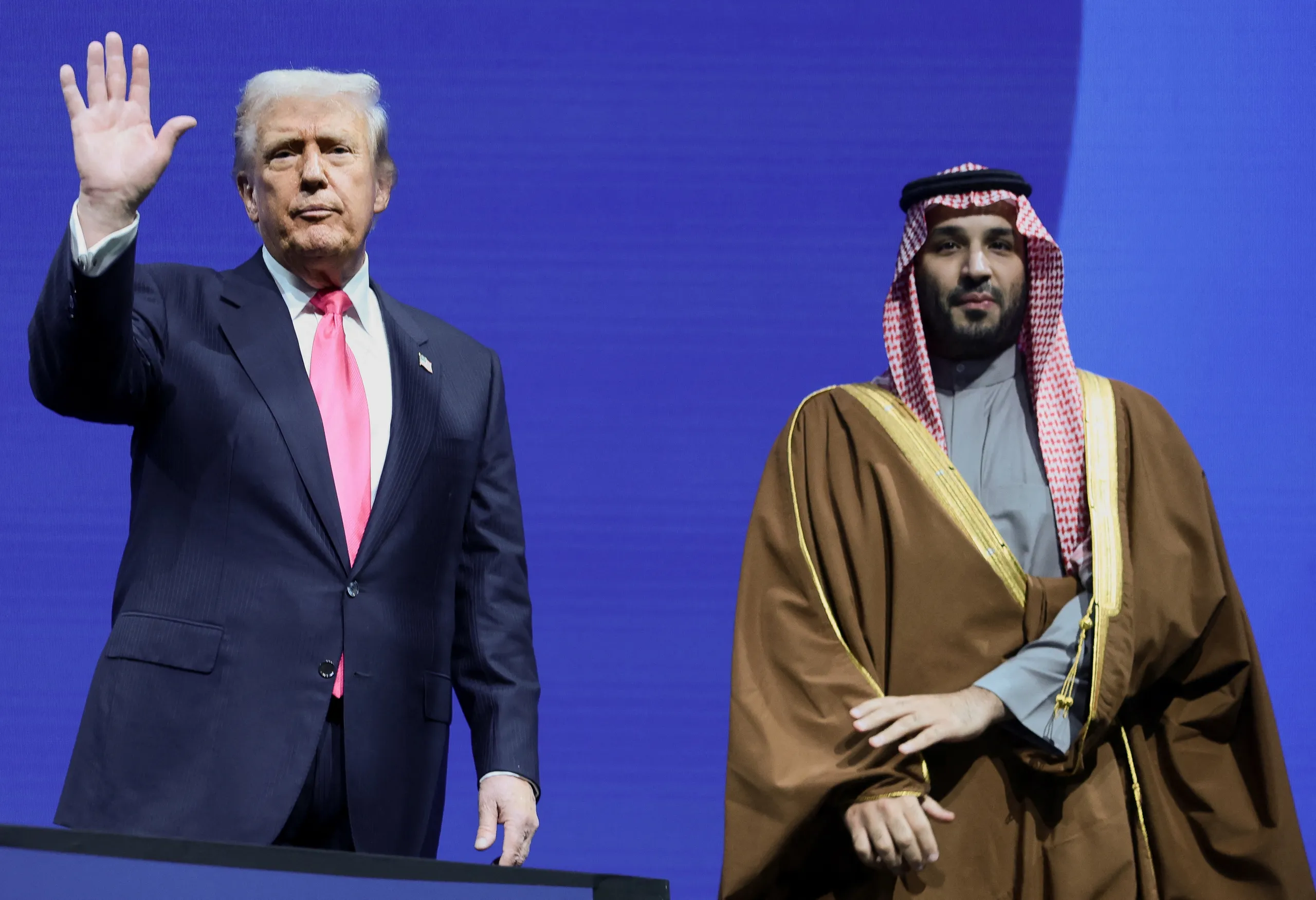
When Congress returns in September, the administration should not simply transmit the existing agreement for statutory review. Instead, President Trump should reopen negotiations and secure two non-negotiable conditions: Saudi acceptance of the gold-standard ban on enrichment and reprocessing, and Saudi signature and implementation of the IAEA’s Additional Protocol.
In return, the United States can offer full—and even subsidized—commercial partnership: reactors, training, safety expertise, and an assured fuel supply manufactured on American soil. It could even consider a Saudi financial stake in a US enrichment facility built on US soil as it has done with South Korea, without giving Riyadh access to the technology itself. The kingdom’s interest in continued US military assistance, intelligence cooperation, and advanced weapons systems provides the necessary leverage. If it refuses these terms and instead pursues nuclear fuel-making capabilities, those broader benefits should be placed at risk.
Preserving decades of nonproliferation policy is not rigidity; it is sound foresight. In a tense Middle East absorbing the elimination of Iran’s enrichment program, the United States should not be the country that reintroduces the most proliferation-sensitive technology into the region.
The United States should renegotiate the Saudi deal, demand the gold standard and Additional Protocol, and keep enrichment on US soil. That is the only approach consistent with American interests, regional stability, and the exacting lessons of the nuclear age.